Egypt's temples and tombs are among the oldest and most fragile monuments on Earth. Visiting them is a privilege, and treating them with respect ensures they survive for future generations. Here's your complete guide to temple etiquette.
General Rules
**Don't touch the reliefs and paintings**. The oils from human skin accelerate deterioration of ancient paint and carved surfaces. This is the single most important rule. At sites like the Valley of the Kings, tomb paintings that survived 3,000+ years are being damaged by modern visitors touching them.
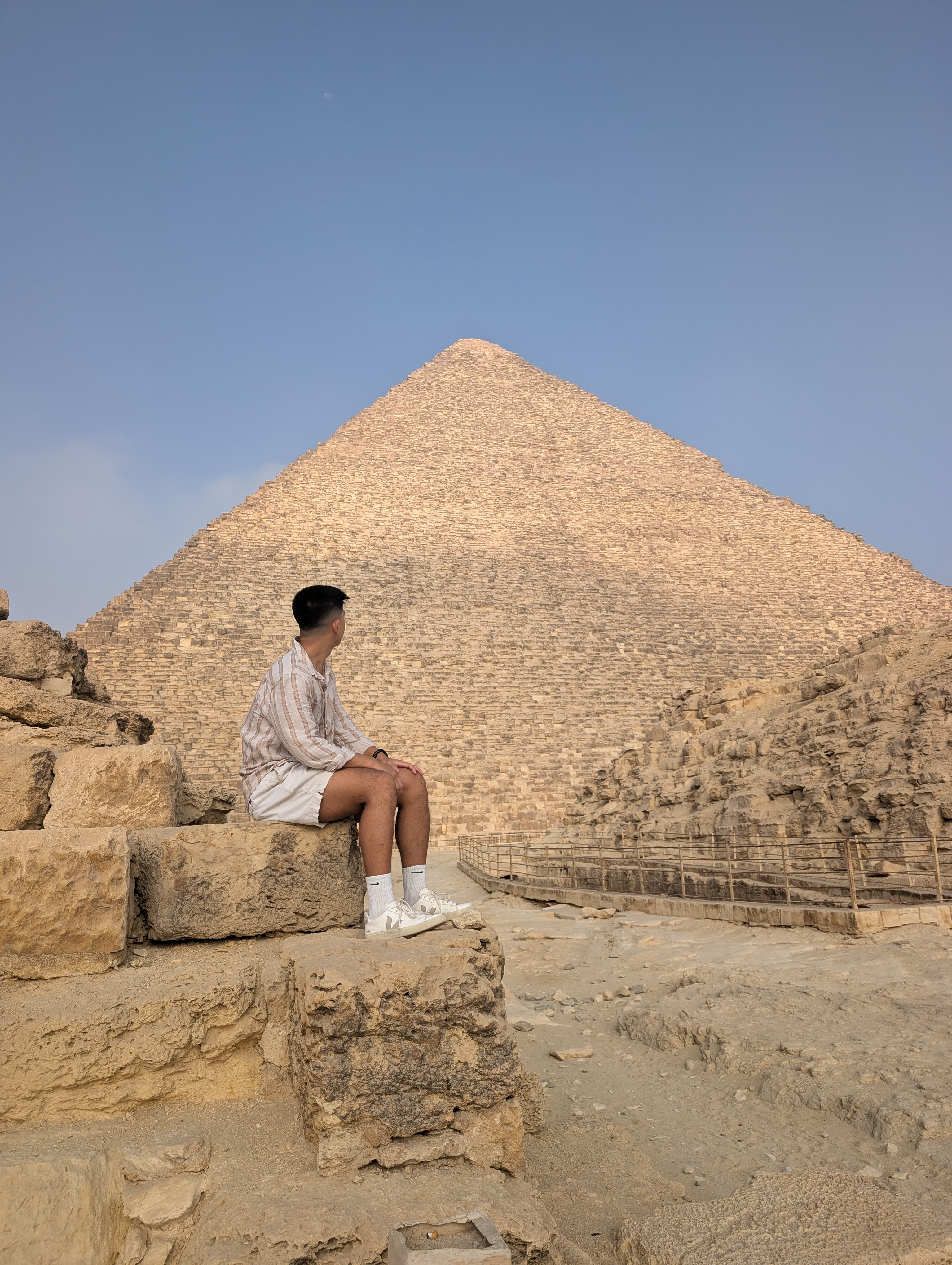
**Stay on marked paths**. Many sites have roped-off areas for good reason — ongoing excavation, fragile surfaces, or structural instability. Climbing on ruins for photos may look cool on Instagram but can cause irreparable damage.
**Don't litter**. This seems obvious, but it's a real problem at some sites. Carry your trash out and dispose of it properly.
Photography
Photography rules vary by site:
- **Karnak Temple and Luxor Temple**: Photography allowed throughout, including interiors
- **Valley of the Kings**: NO photography inside tombs (strictly enforced). Exterior photography is fine
- **Abu Simbel**: Exterior photography allowed. Interior photography prohibited
- **Philae Temple**: Photography allowed throughout
- **Egyptian Museum**: Photography allowed in some galleries (no flash), prohibited in the Royal Mummies room
Tripods are generally prohibited at most sites. Drone photography is illegal at all archaeological sites without government permission. Flash photography is prohibited everywhere — flash accelerates paint deterioration.
What to Wear
Modest clothing that covers shoulders and knees is recommended at all sites. This is both culturally respectful and practical — sun protection at open-air temples is essential. Sturdy, closed-toe shoes are a must. The floors of ancient temples are uneven stone, and sand is everywhere.
Inside pyramids and underground tombs, temperatures can be significantly different from outside — warmer and more humid in winter, slightly cooler in summer. The passages in the Great Pyramid are steep, narrow, and low — skip the visit if you're claustrophobic.
Guides and Guards
Official guides carry identification. Unofficial guides may approach you at site entrances — they may be knowledgeable but their information is often inaccurate. We recommend booking tours through reputable operators who provide certified Egyptologist guides.
Guards at some sites may offer to show you "hidden" areas or take you past restricted ropes. This is technically against the rules and they'll expect a tip. Use your judgment — some of these detours offer genuinely interesting views, but supporting the practice encourages boundary-pushing.
Timing Your Visits
Most temples open at 6 AM and close between 4-5 PM (winter) or 5-6 PM (summer). The first hour after opening and the last hour before closing are the best times — fewer crowds, better light, and more pleasant temperatures.
Our Luxor Day Trip from Cairo and 5 Days Cairo, Luxor & Abu Simbel Tour are timed to hit major temples during optimal visiting hours.
Buying Tickets
Tickets are sold at the entrance to each site. Some sites offer combined tickets at a discount. Student discounts (ISIC card required) are available at most sites. Cash (EGP) is preferred at ticket offices; some now accept cards.
Leave No Trace
Don't carve, write, or scratch anything on ancient surfaces. Don't remove any stones, pottery fragments, or other artifacts — it's illegal and carries serious penalties. Leave offerings (flowers, coins) only at modern shrines, never at ancient sites.