Luxor Temple
An ancient temple in the heart of modern Luxor — stunning at sunset and after dark.
6 AM – 9 PM500 EGP (foreign visitor); Sound & Light show 960 EGP25.6995, 32.6390
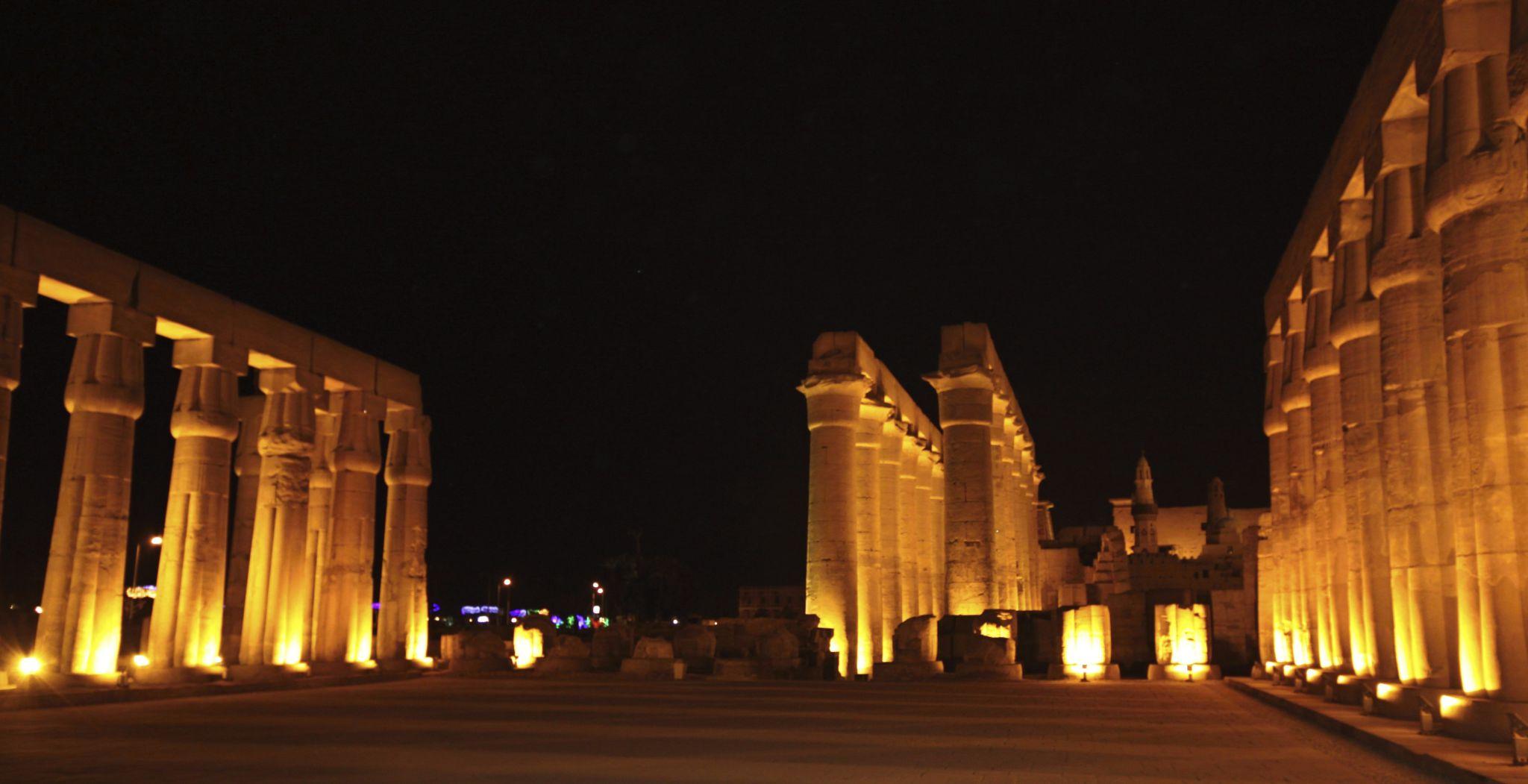
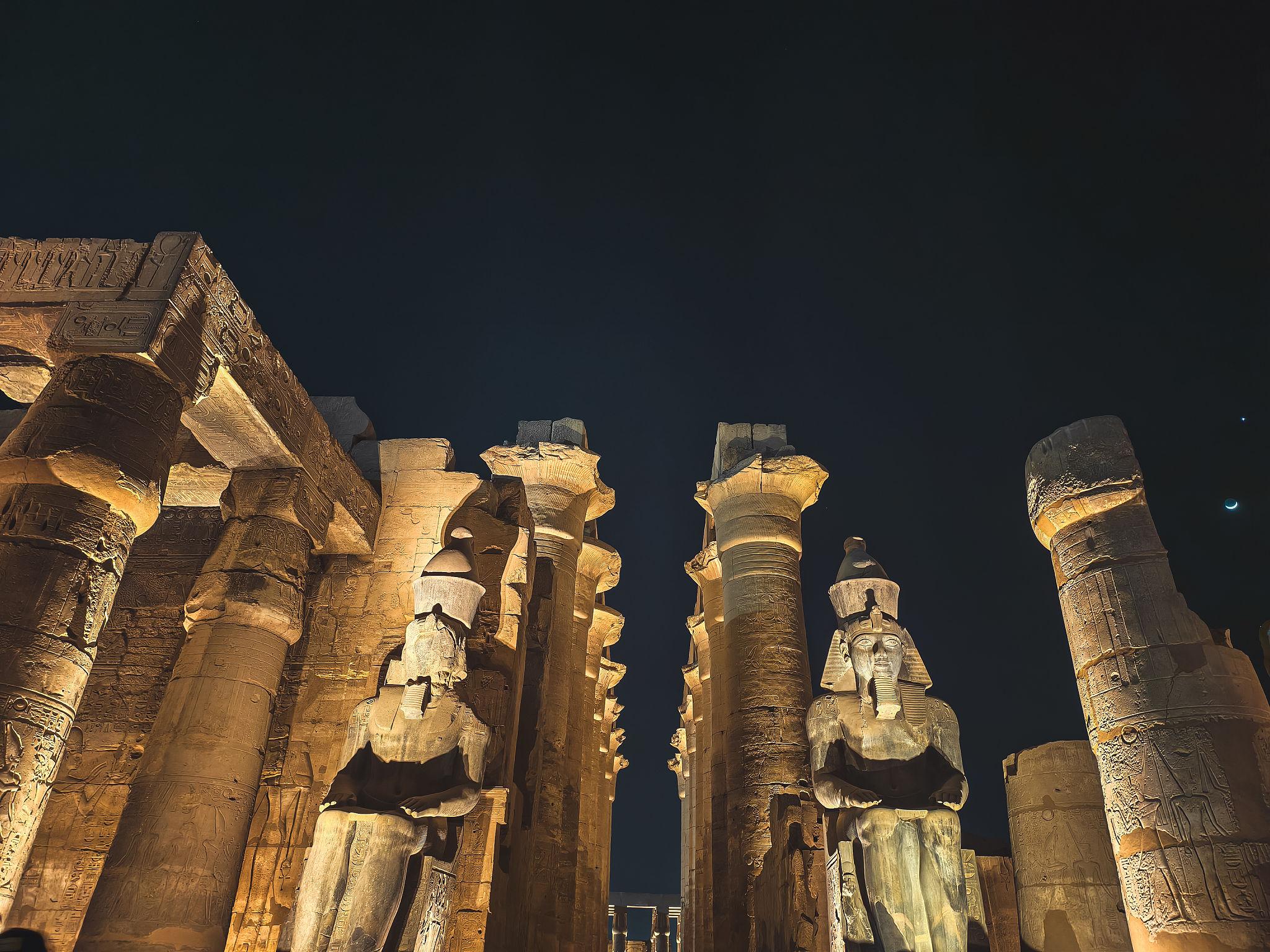
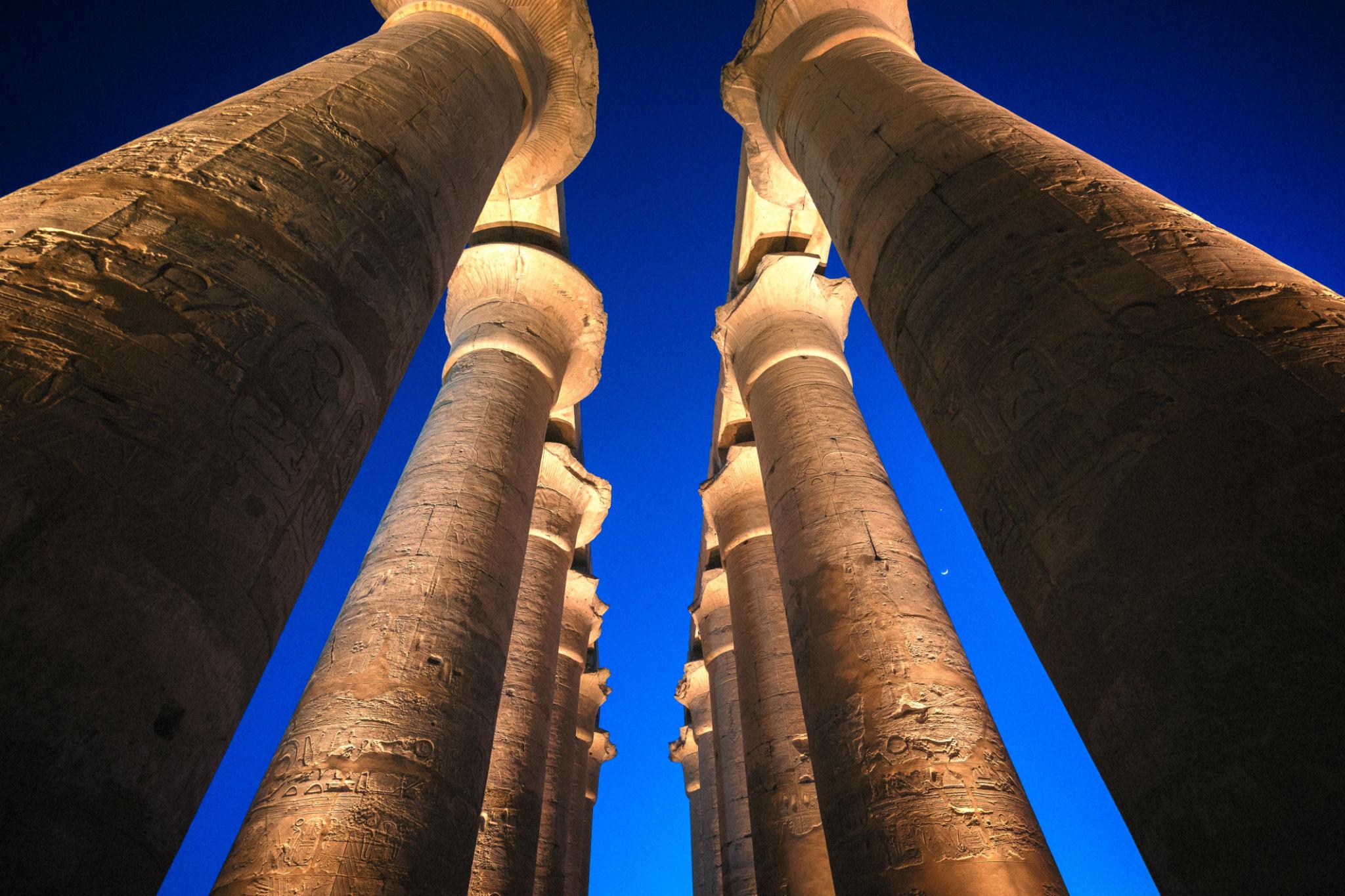
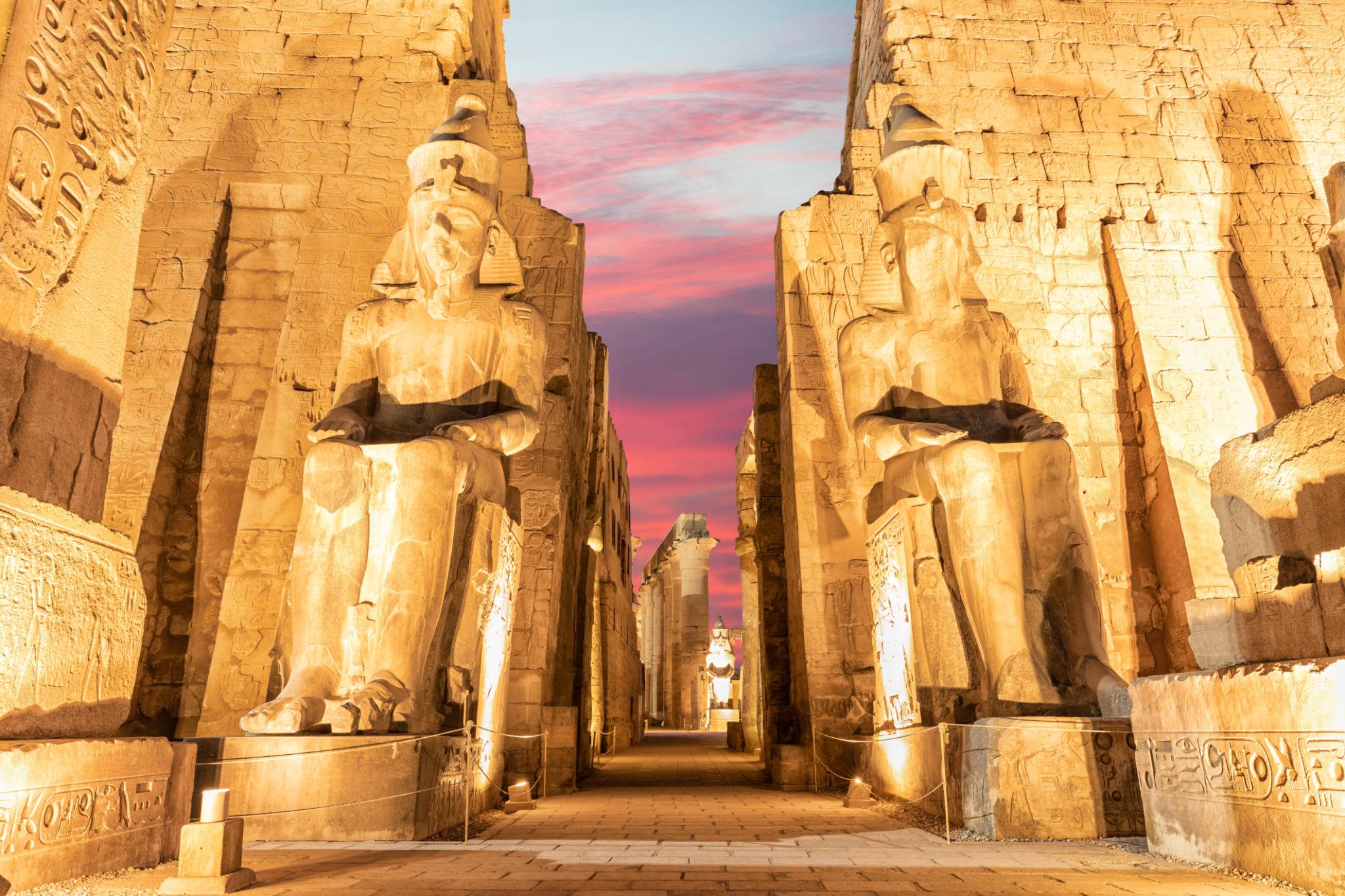
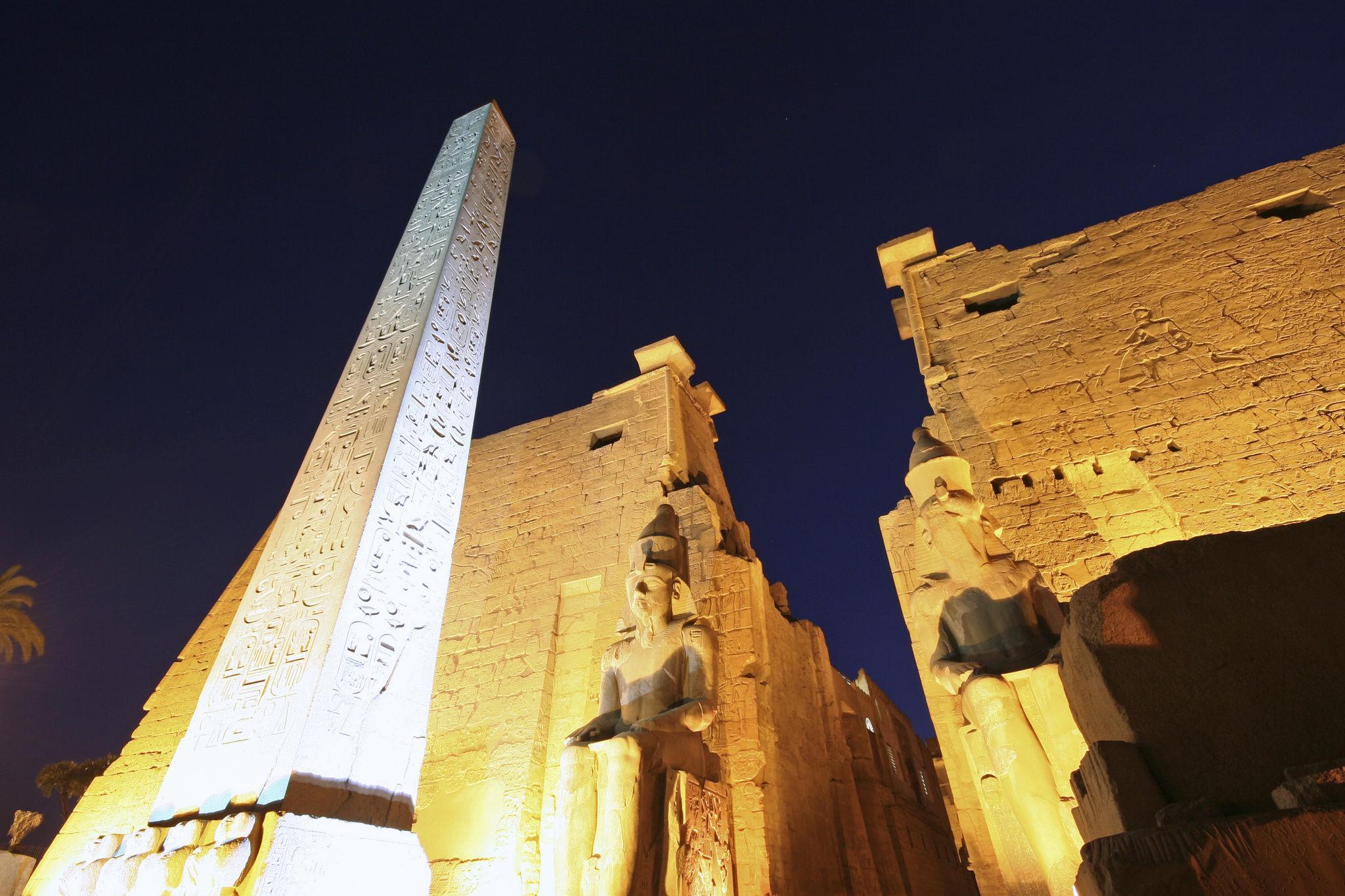
Luxor Temple is a large ancient Egyptian temple complex on the east bank of the Nile in the heart of modern Luxor. Built primarily by Amenhotep III and Ramesses II, it was dedicated to the rejuvenation of kingship and the annual Opet festival. Unlike other temples, Luxor Temple is not dedicated to a particular god. It is especially beautiful when illuminated at night, with its columns and statues glowing golden against the dark sky.
Gallery
Why Visit
One of the most beautiful temples in Egypt, especially at night
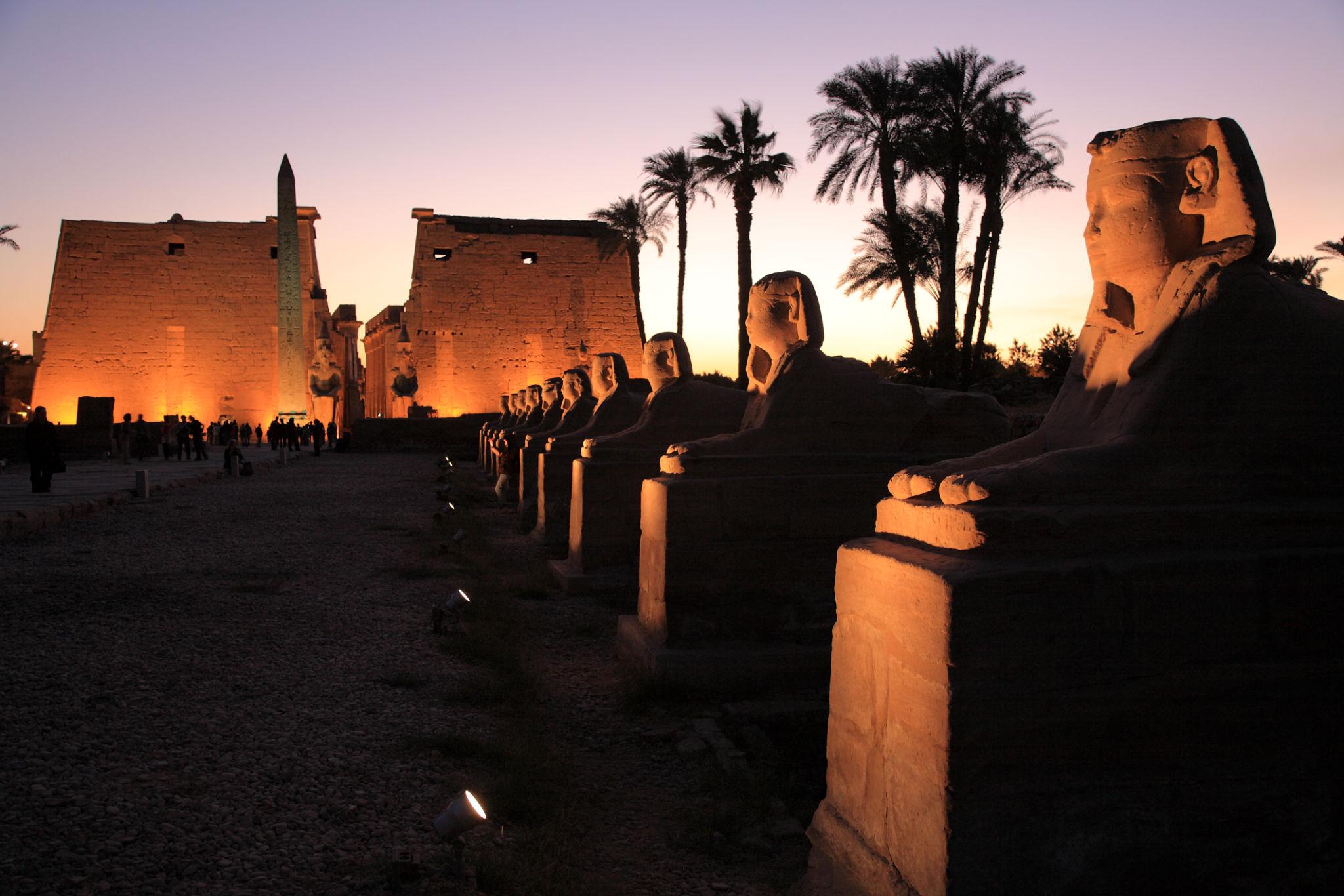
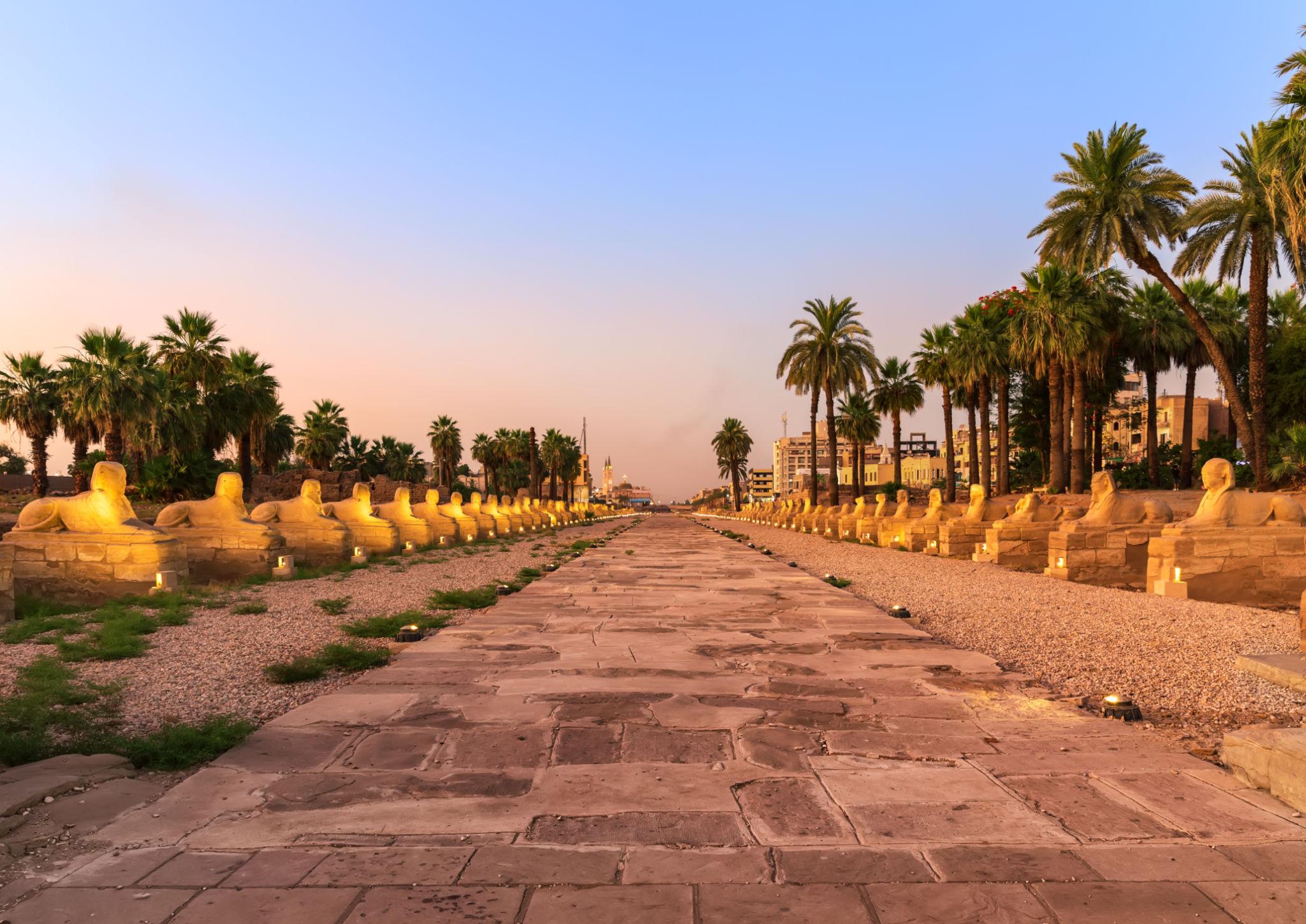
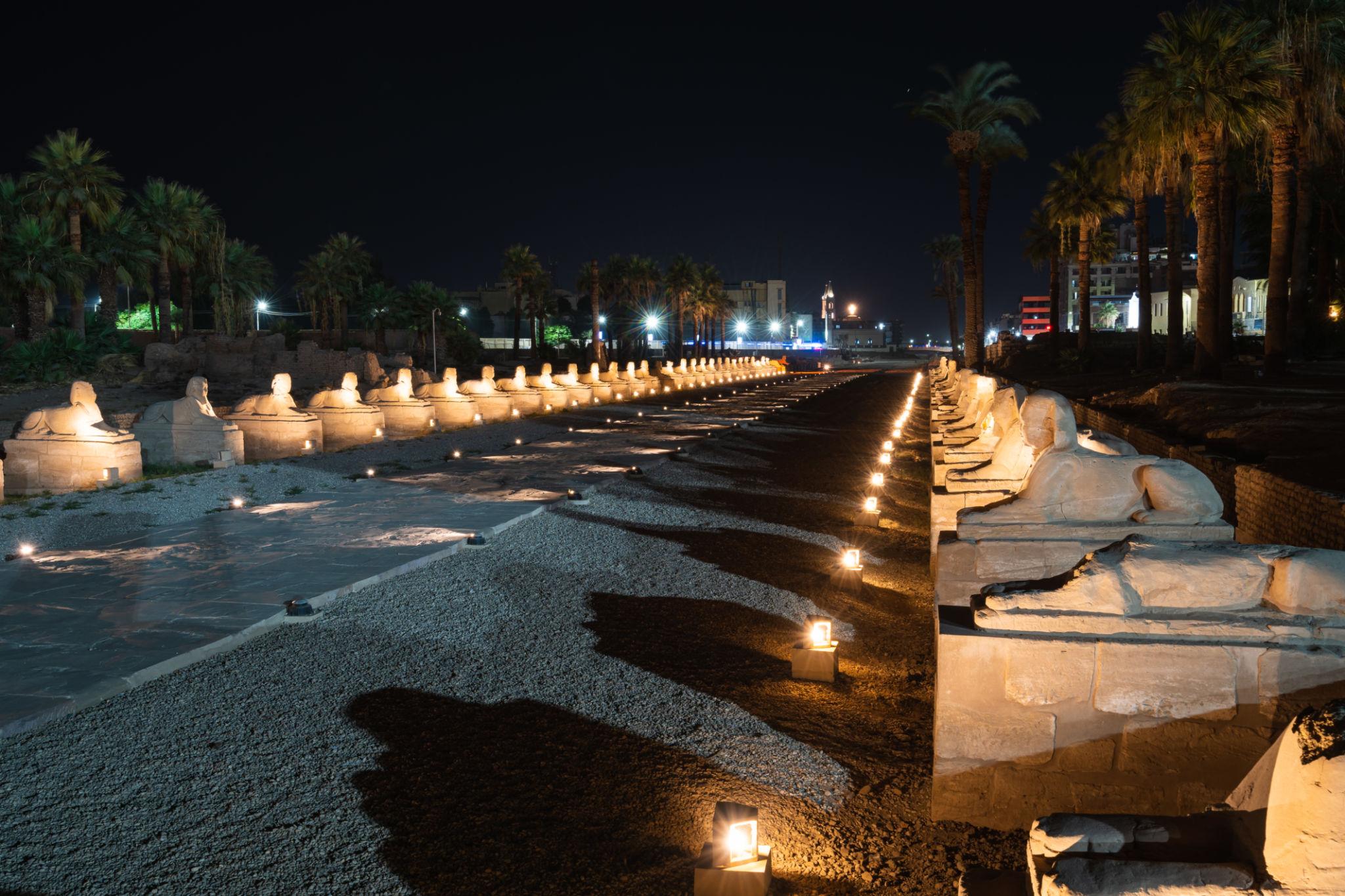
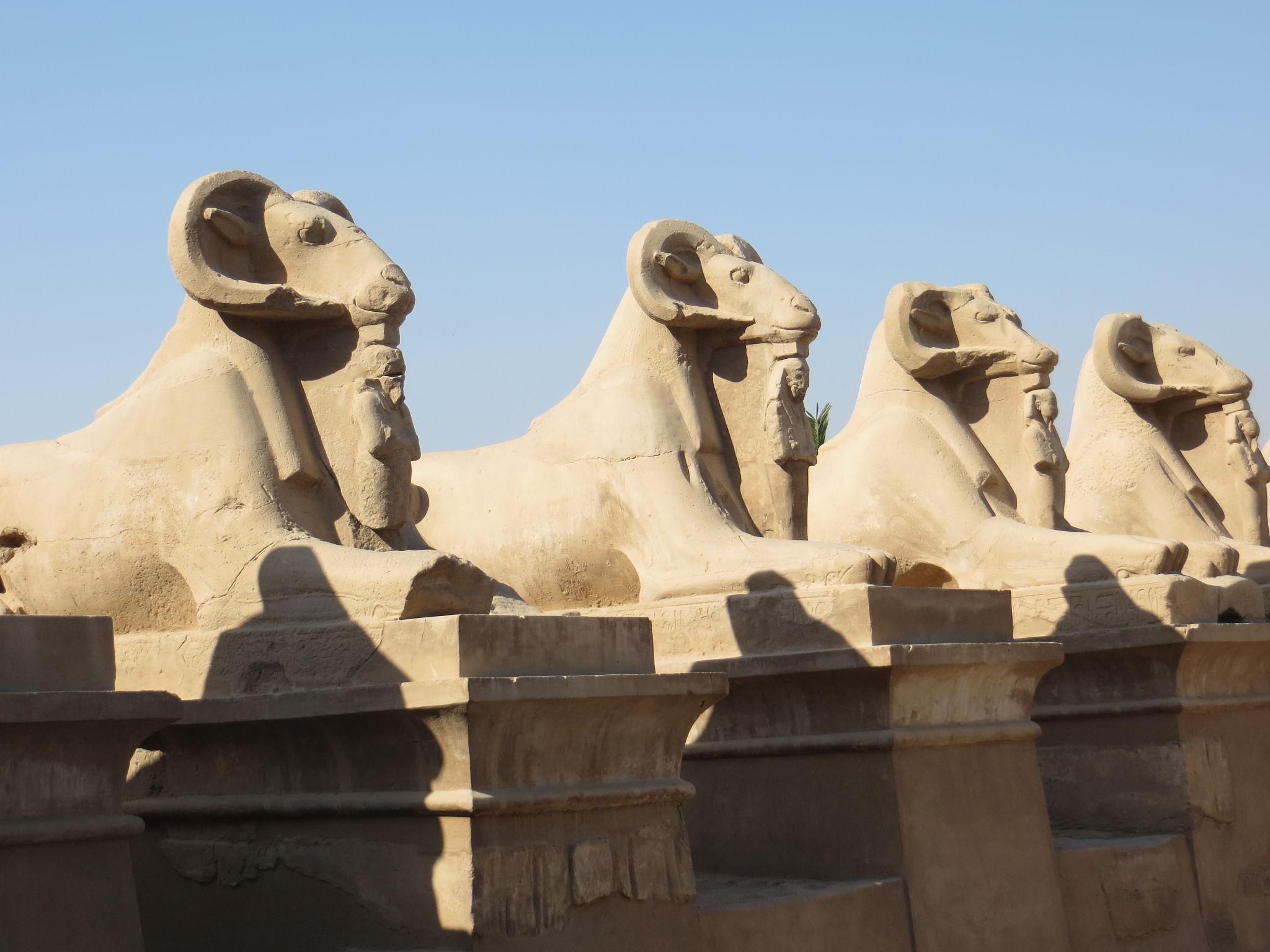
Walk the Avenue of Sphinxes connecting it to Karnak
Layers of history — pharaonic, Roman, Christian, and Islamic all in one place
What to See
Colonnade of Amenhotep III
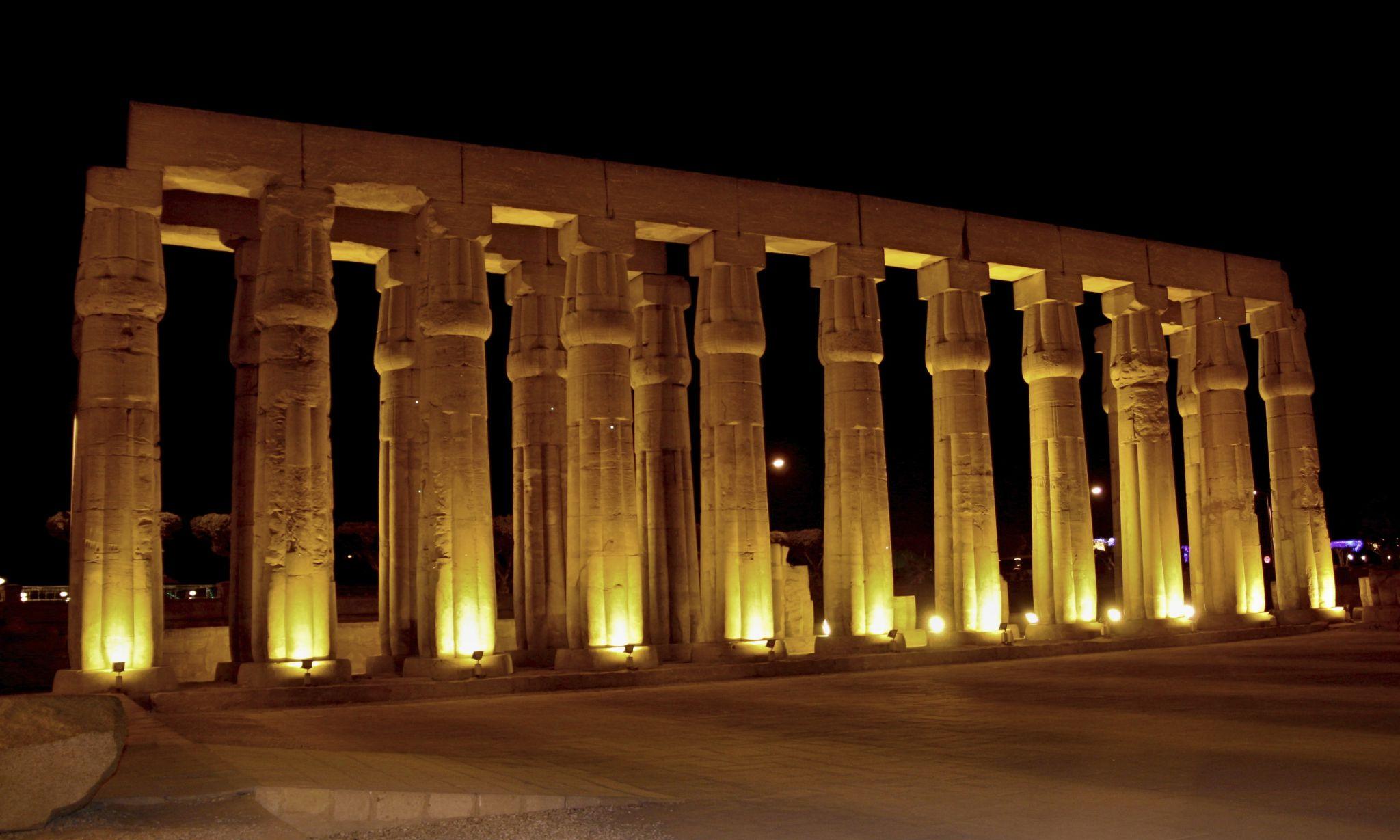
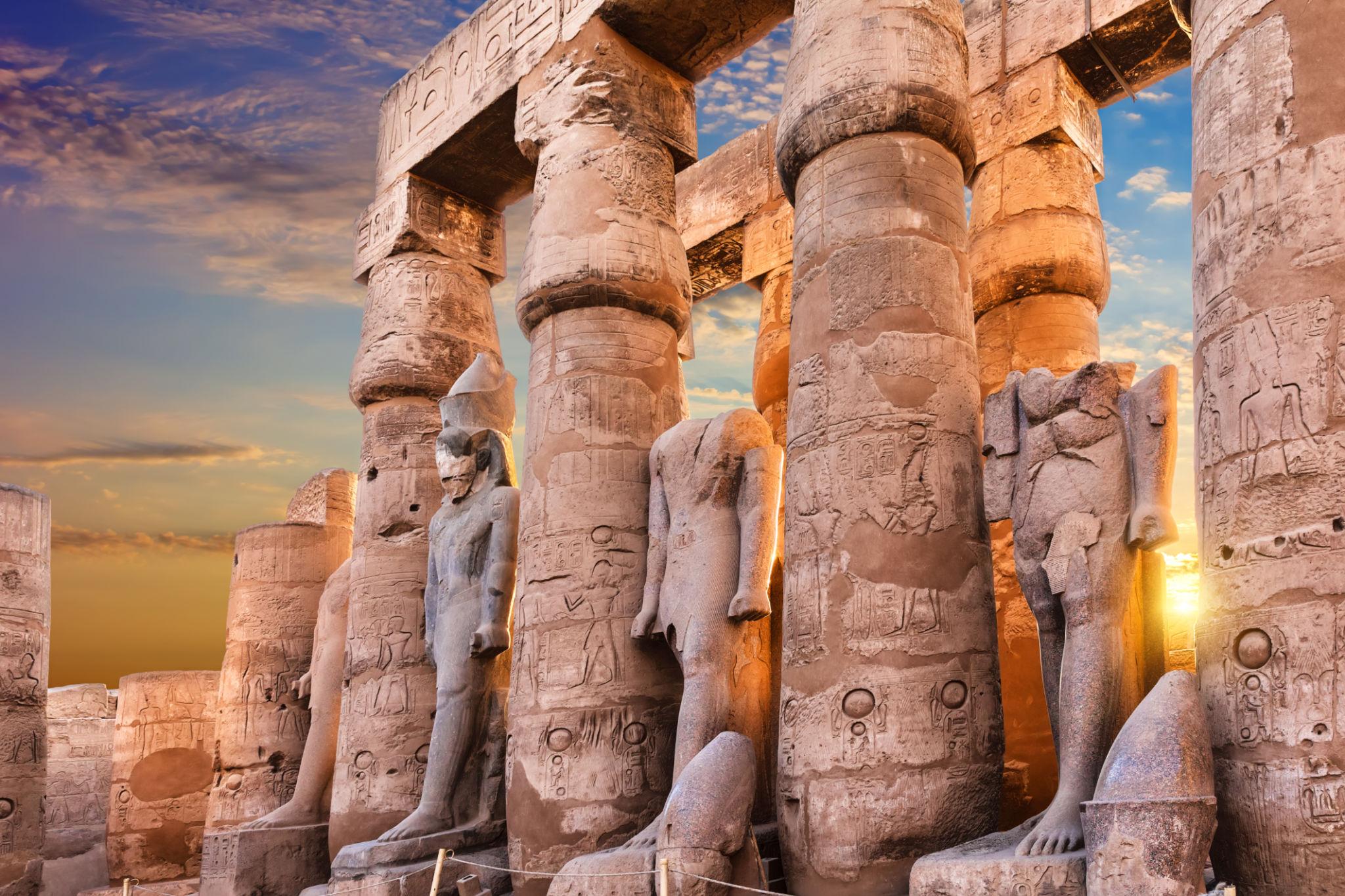
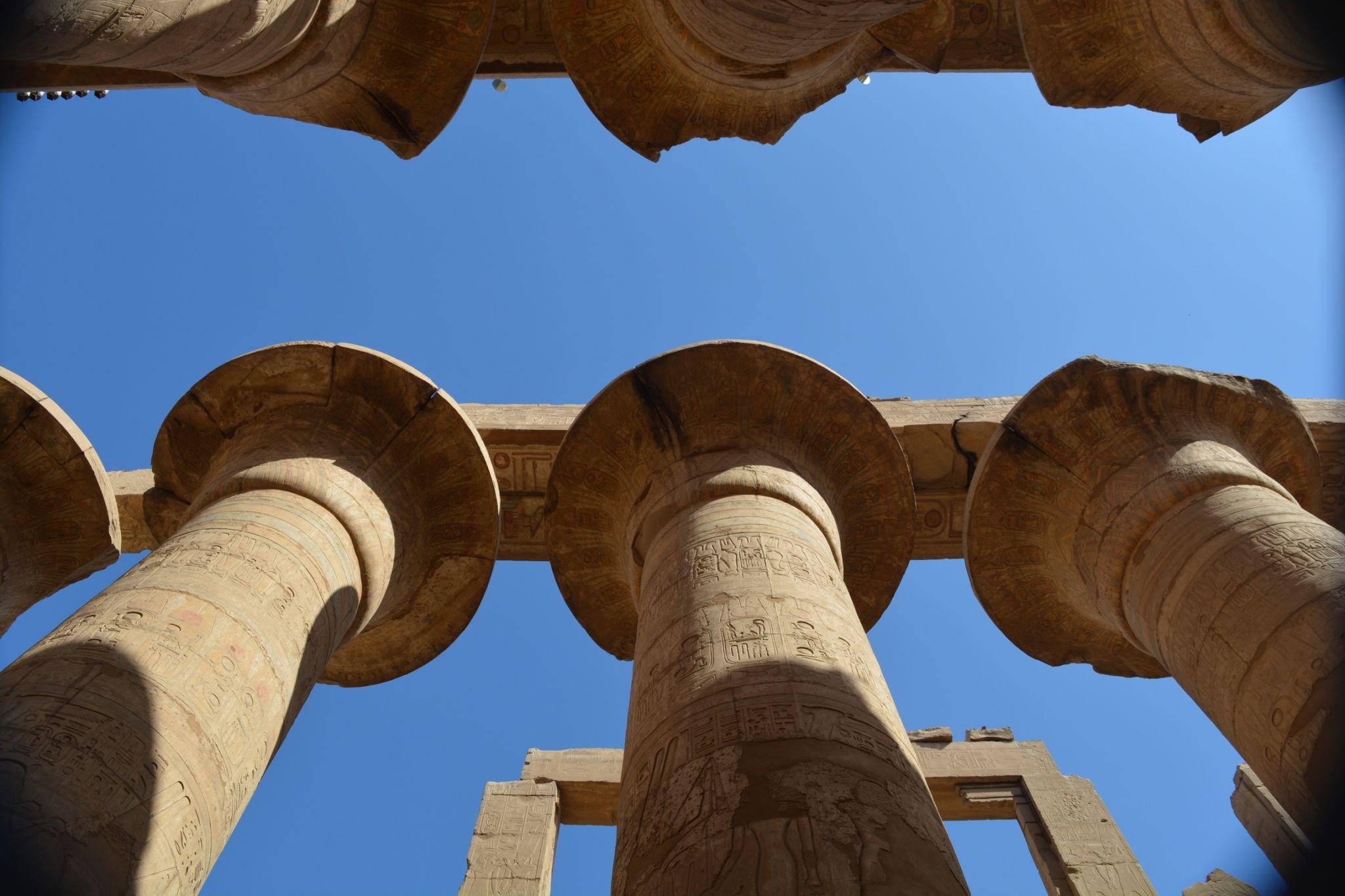
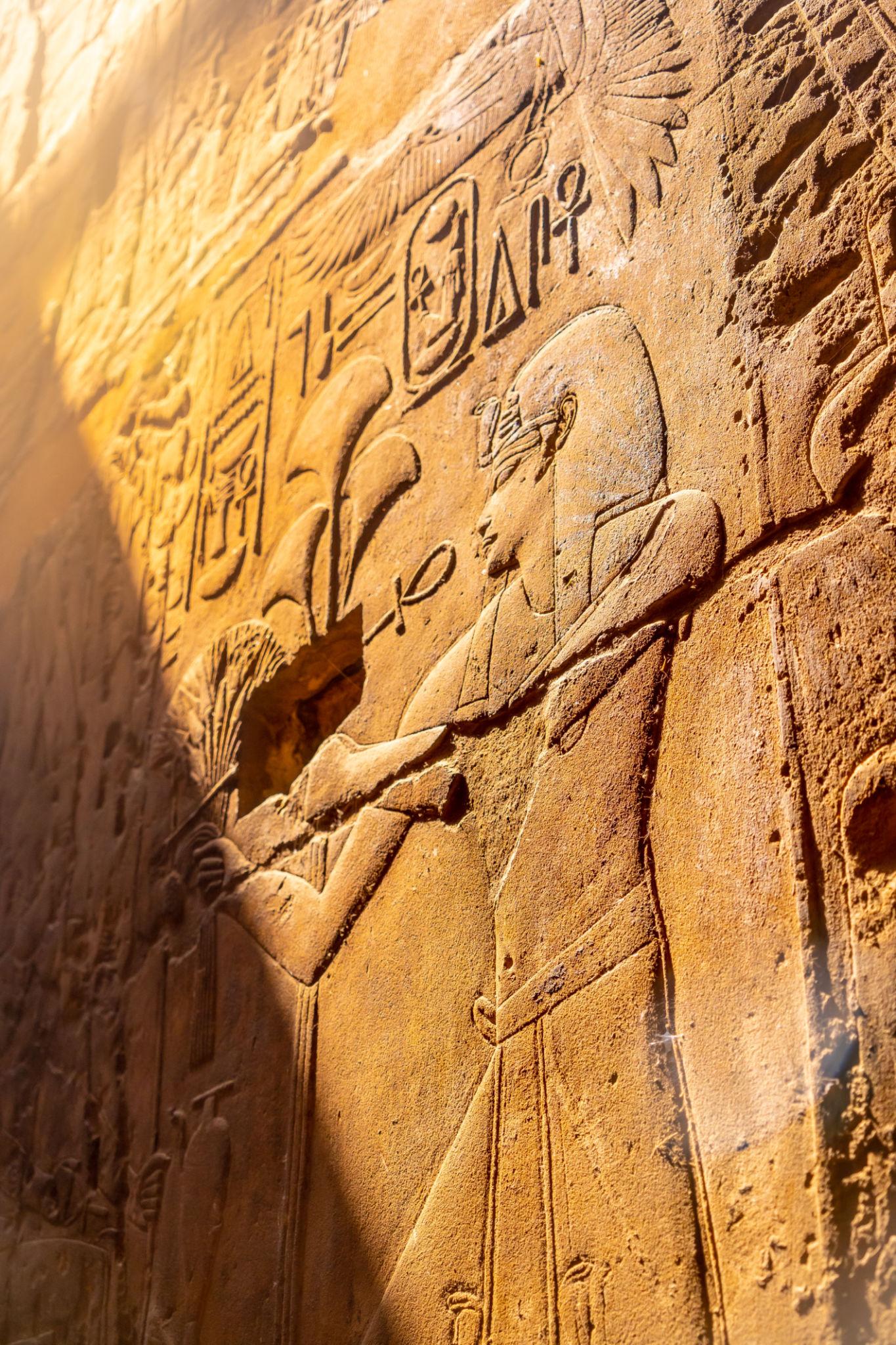
A magnificent processional colonnade of 14 enormous papyrus-bud columns, each standing 16 meters tall with smooth, elegantly tapered shafts that create one of the most harmonious architectural spaces in ancient Egypt. The walls between the columns are decorated with detailed reliefs depicting the annual Opet Festival — the most important religious ceremony in ancient Thebes — showing the sacred barques being carried from Karnak to Luxor amid musicians, dancers, acrobats, and cheering crowds. These reliefs are among the most complete visual records of an Egyptian festival to survive, providing invaluable insight into the pageantry and ritual that defined religious life in the New Kingdom. When illuminated at night, the colonnade's massive columns cast dramatic shadows that create an atmosphere of timeless grandeur.
Pylon of Ramesses II
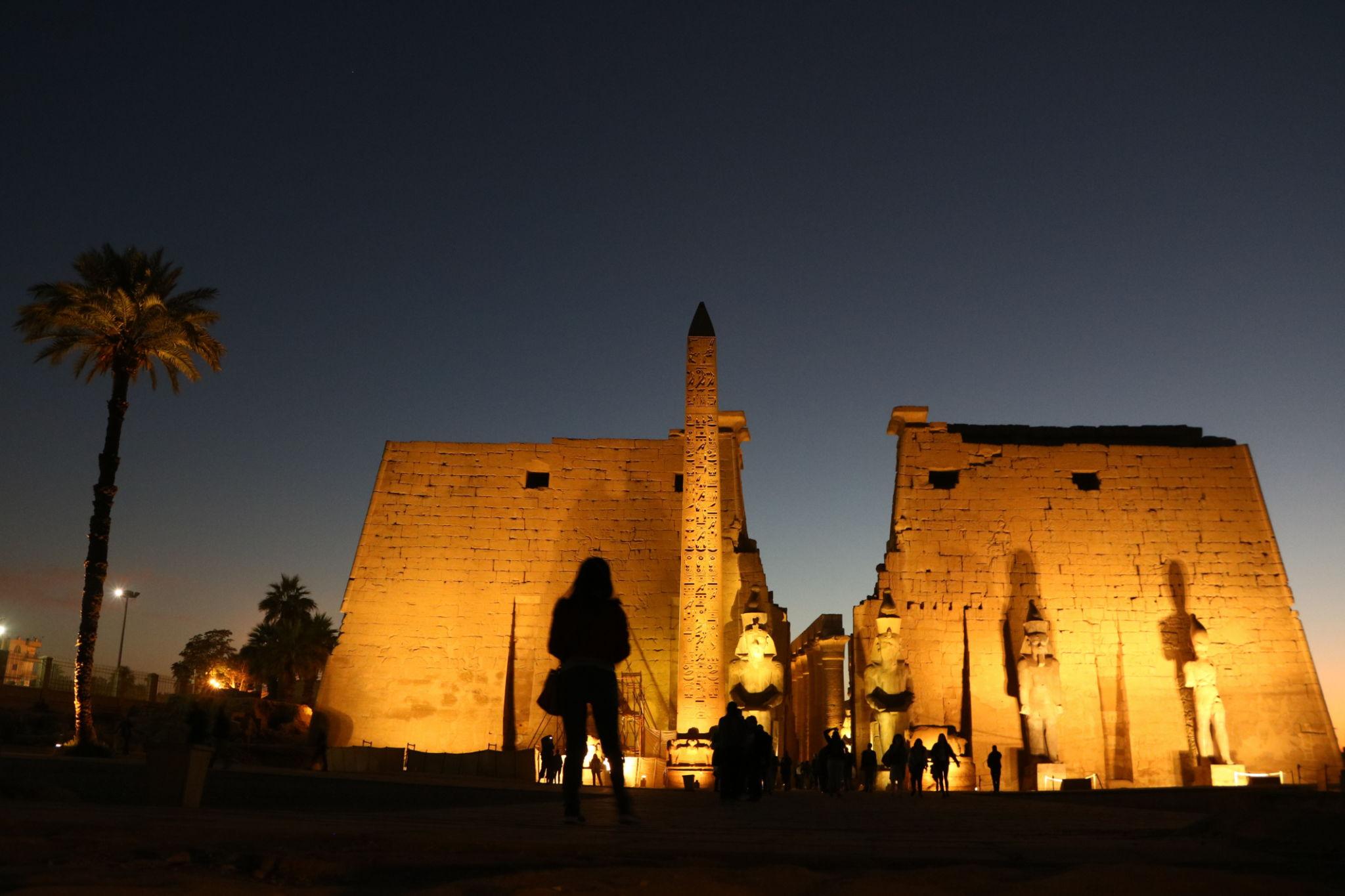
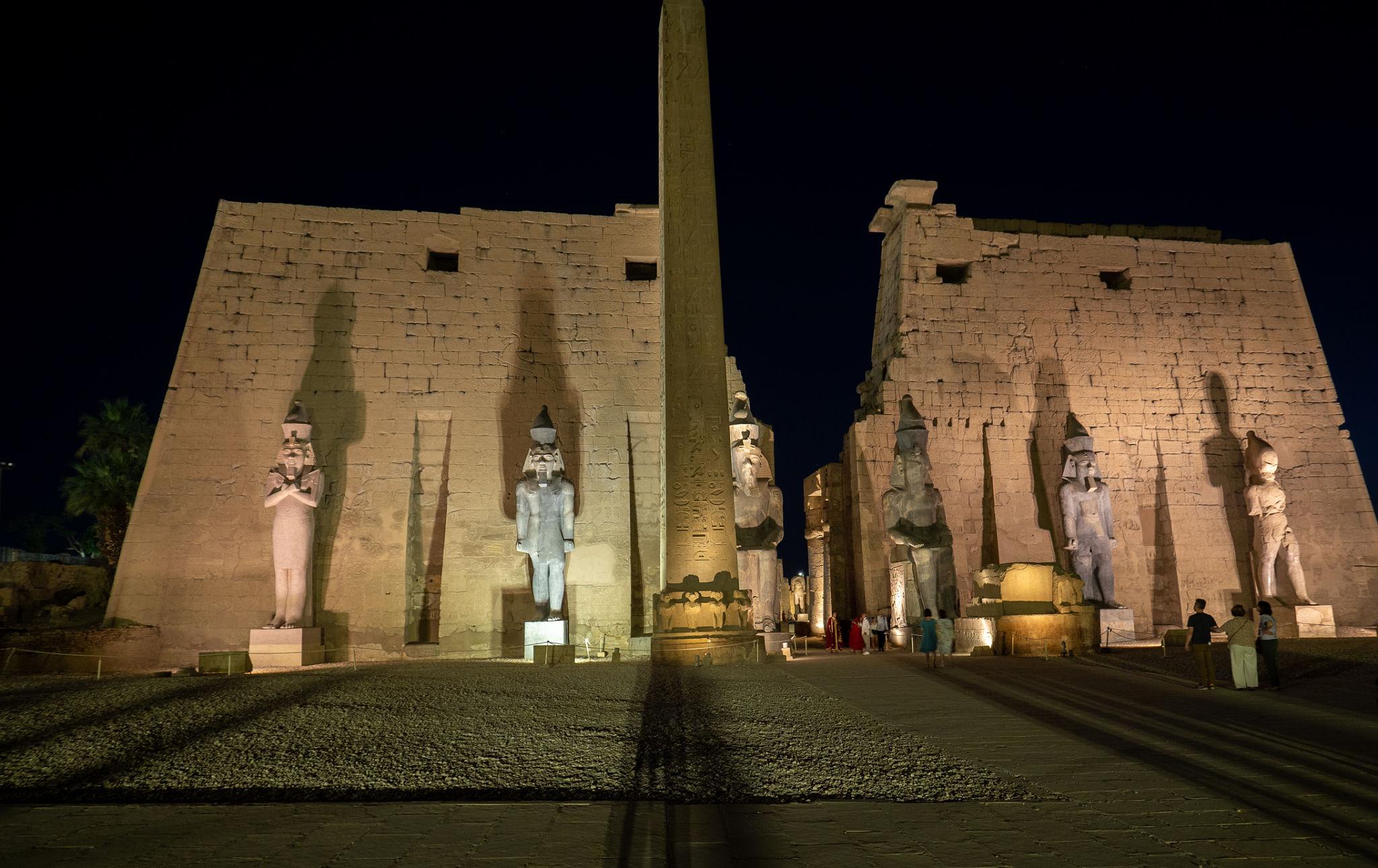
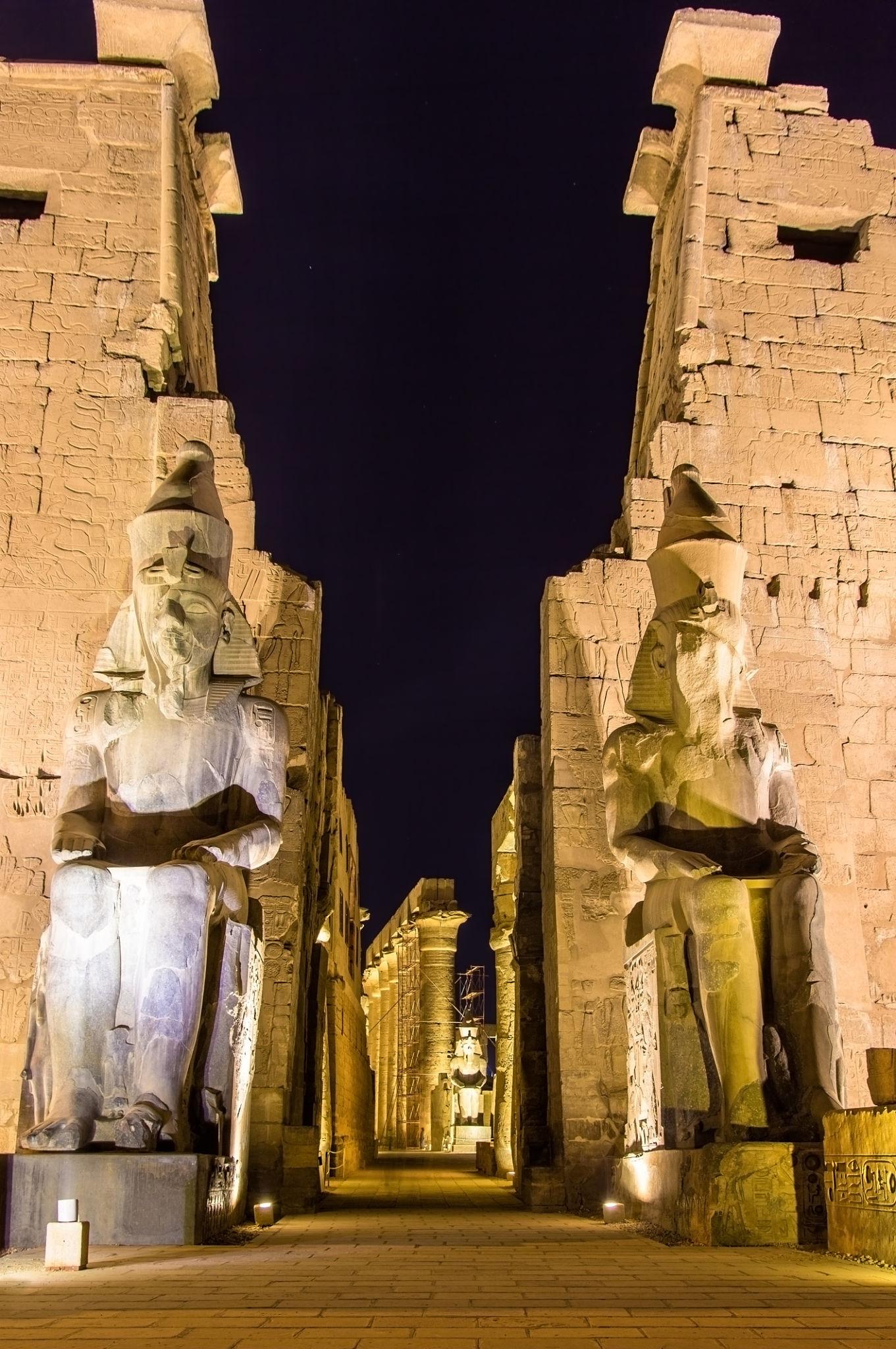
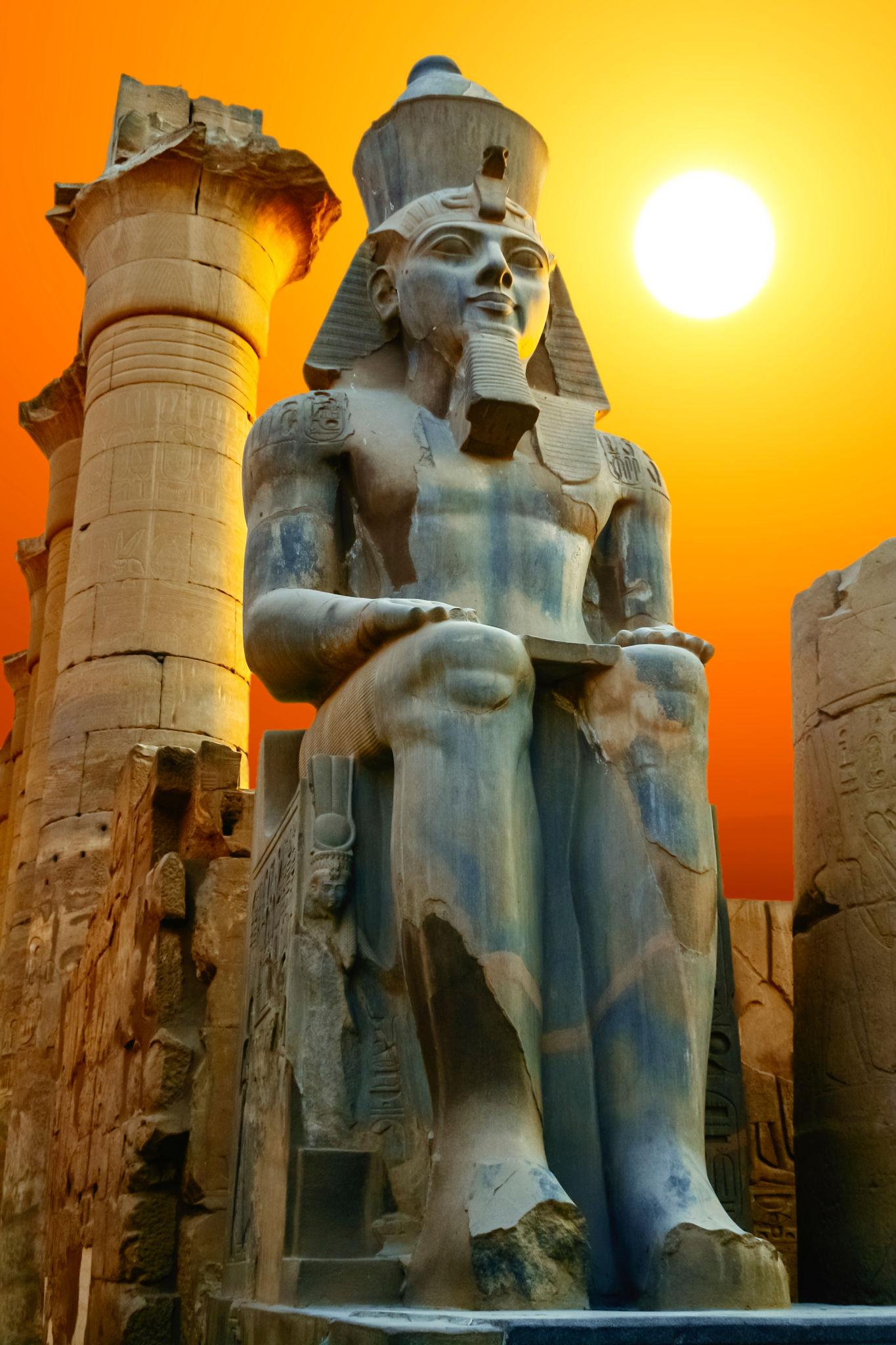
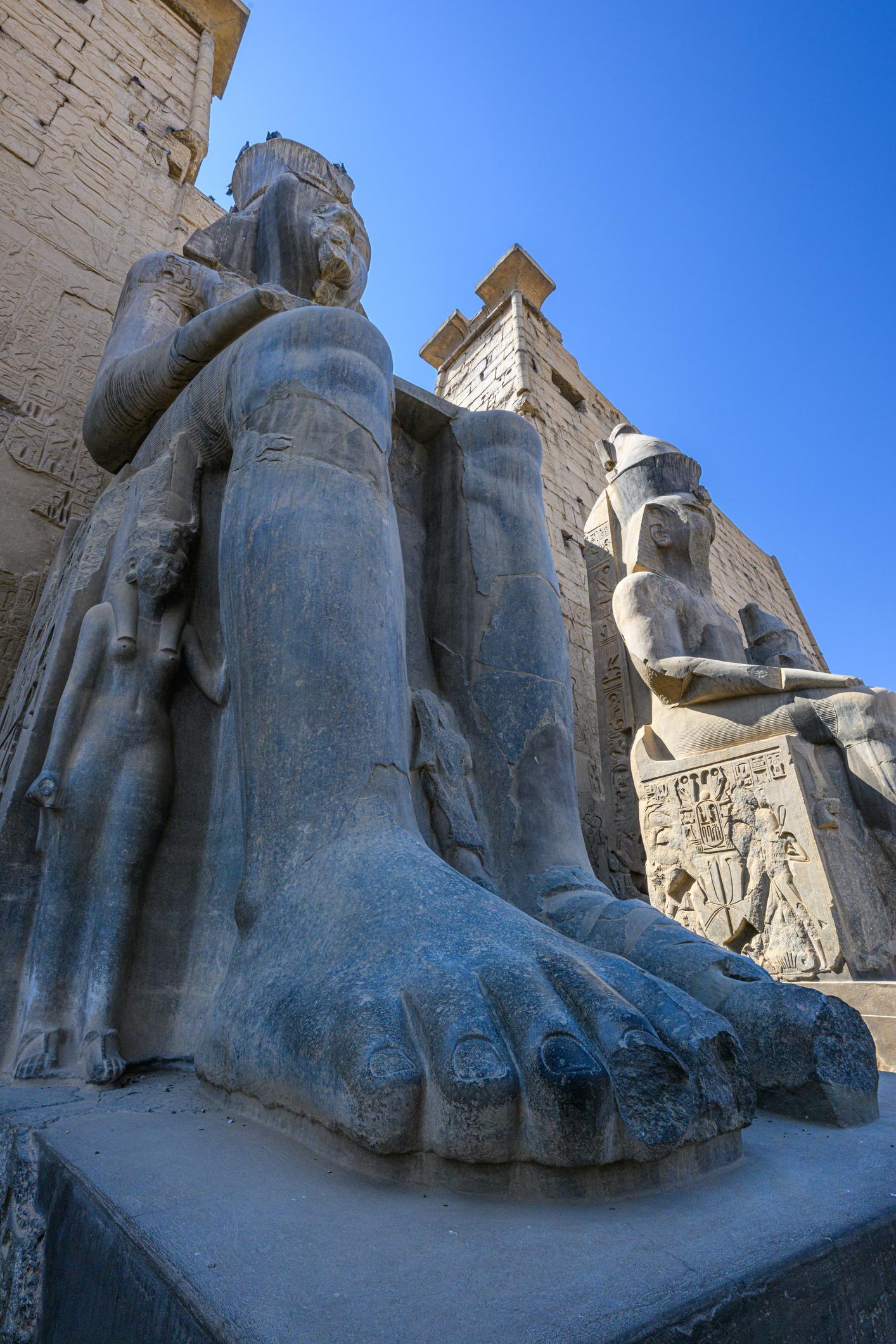
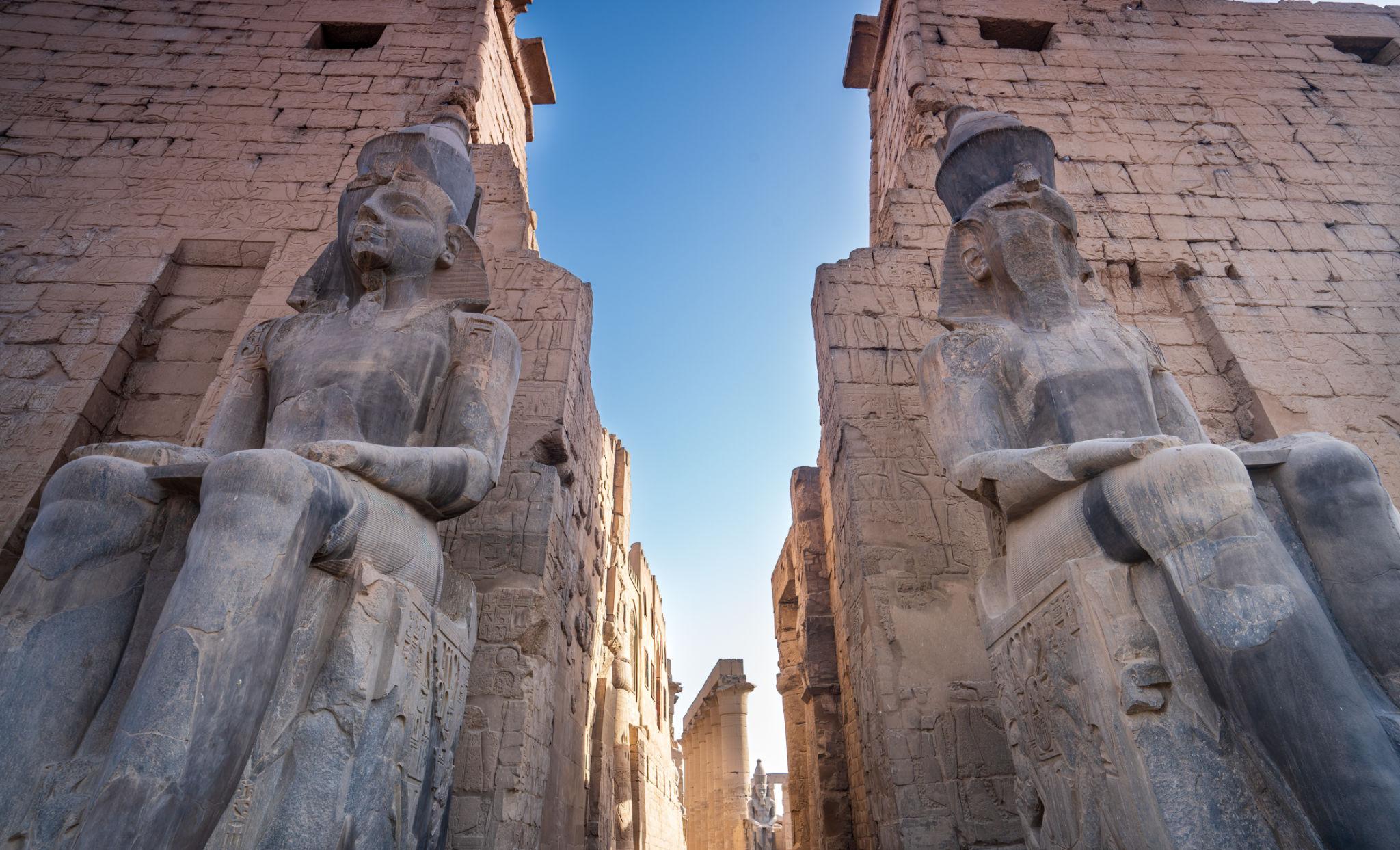
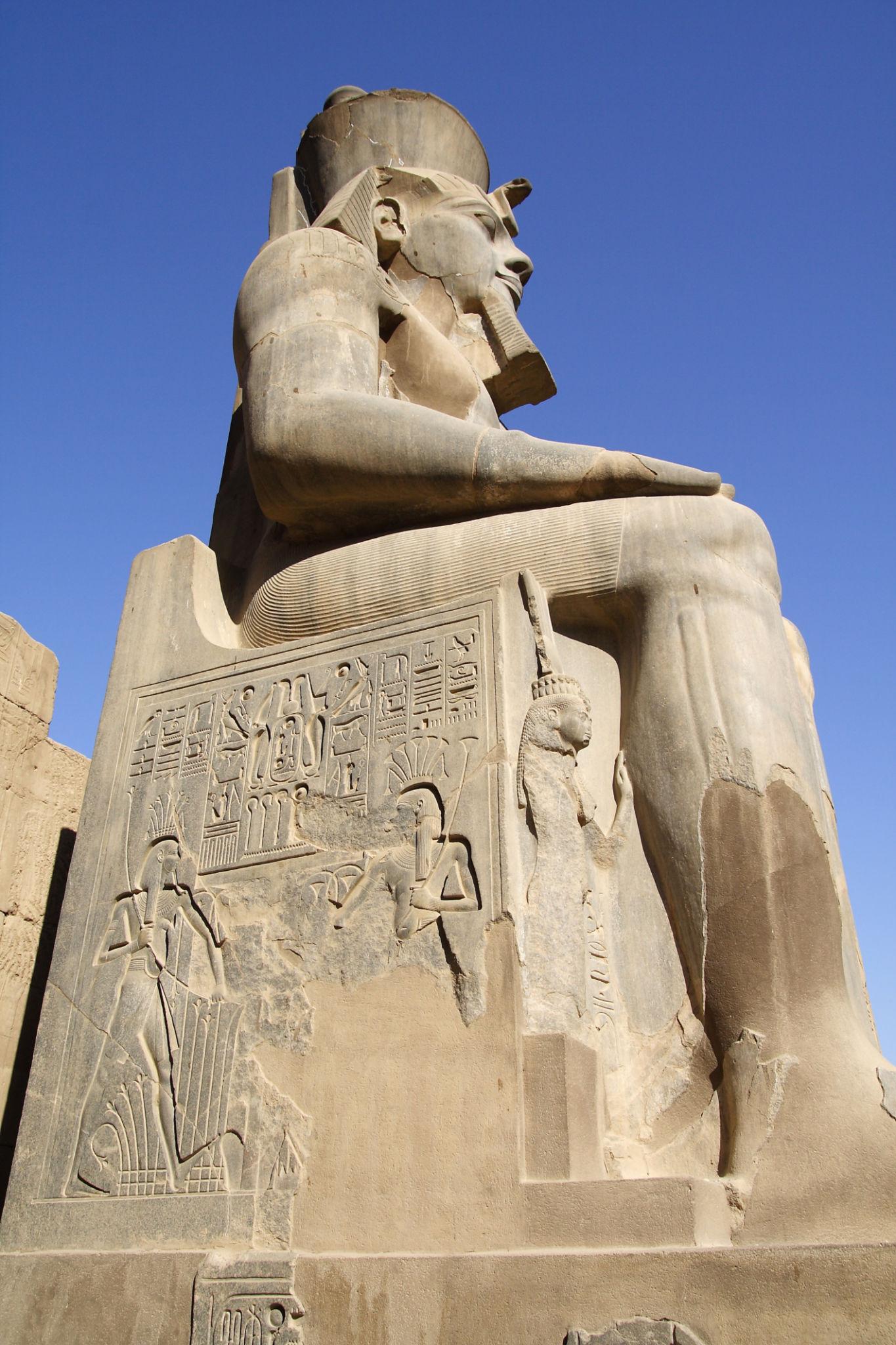
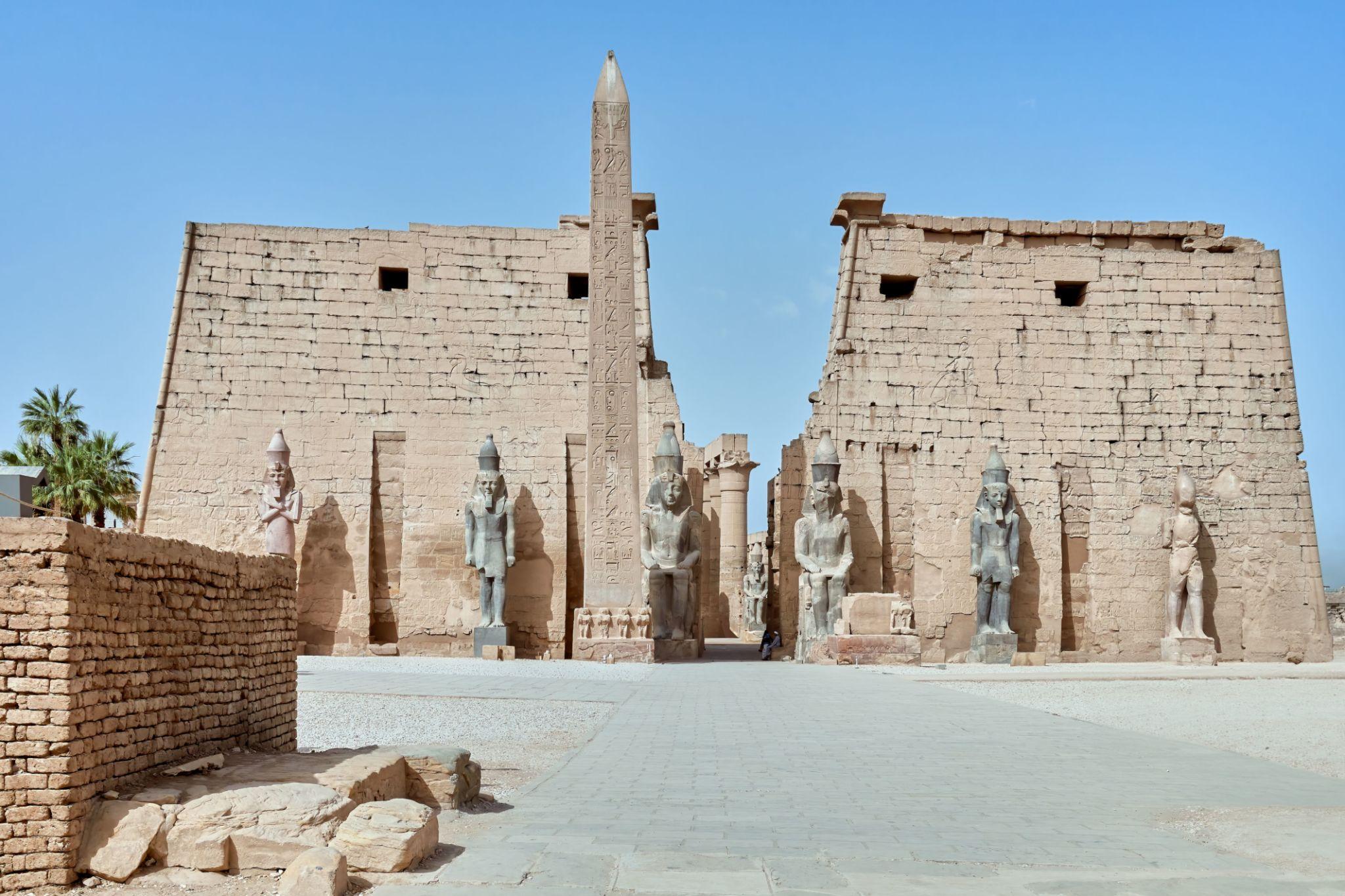
The massive 24-meter-high entrance gateway flanked by colossal seated statues of Ramesses II, each carved from single blocks of granite, depicting the pharaoh in the serene, eternal pose of divine kingship. Originally two red granite obelisks stood before the pylon — the eastern one still stands here at 25 meters tall, while the western obelisk was gifted to France in 1833 and now stands in the Place de la Concorde in Paris, one of the most traveled ancient artifacts in history. The pylon face is carved with enormous reliefs depicting Ramesses II's claimed victory at the Battle of Kadesh against the Hittites, the same self-aggrandizing narrative he inscribed at Abu Simbel and Karnak. The seated colossi, combined with the towering obelisk and the carved battle scenes, were designed to project overwhelming pharaonic power to all who approached the temple.
Mosque of Abu el-Haggag
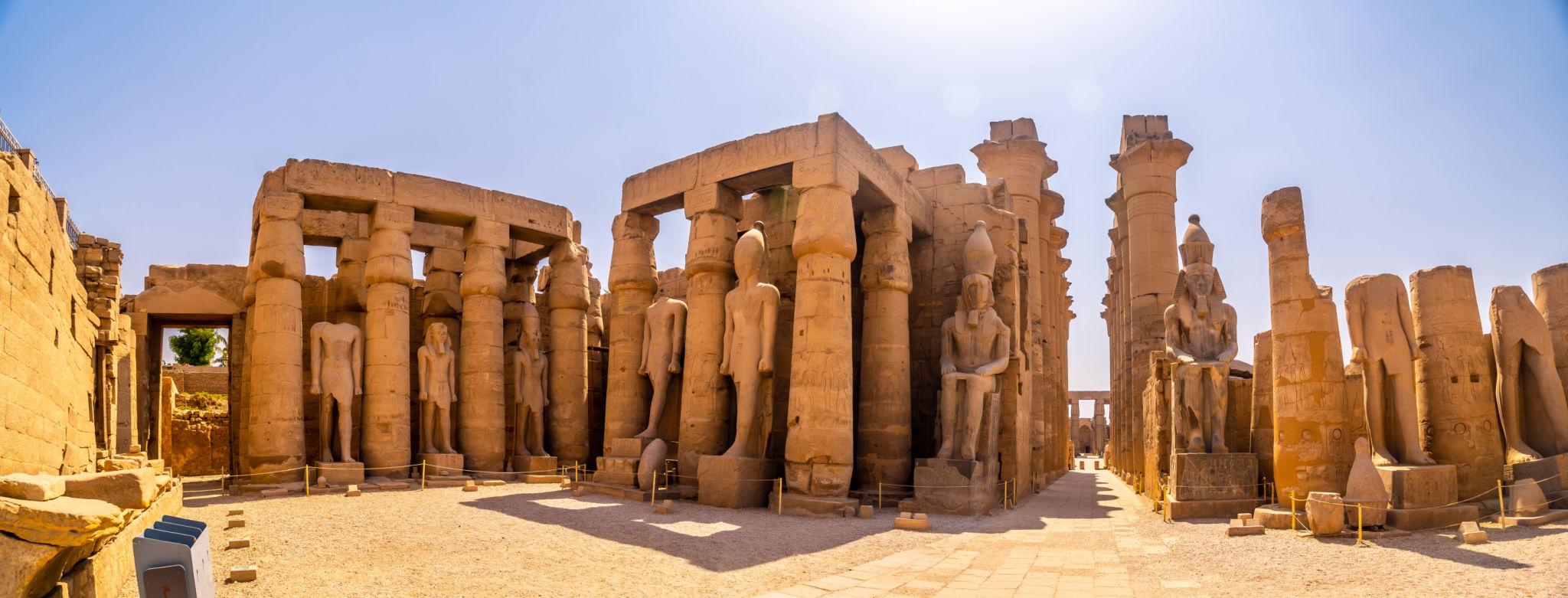
A functioning 13th-century mosque built directly on top of the ancient temple's Court of Ramesses II — a striking and literal example of how layers of civilization have accumulated at this site over three millennia. The mosque honors the Sufi saint Abu el-Haggag, whose annual moulid (festival) is one of the largest in Upper Egypt, featuring boat processions through the streets that many scholars believe echo the ancient Opet Festival that once passed through this same temple. When the temple was excavated in the 19th century, the mosque was so deeply embedded in the local community that it was preserved in situ rather than removed, creating the surreal sight of a medieval minaret rising from between pharaonic columns. The mosque's entrance, now high above the excavated temple floor, shows how deeply the temple was buried under centuries of accumulated village debris before archaeological clearance.
Court of Ramesses II
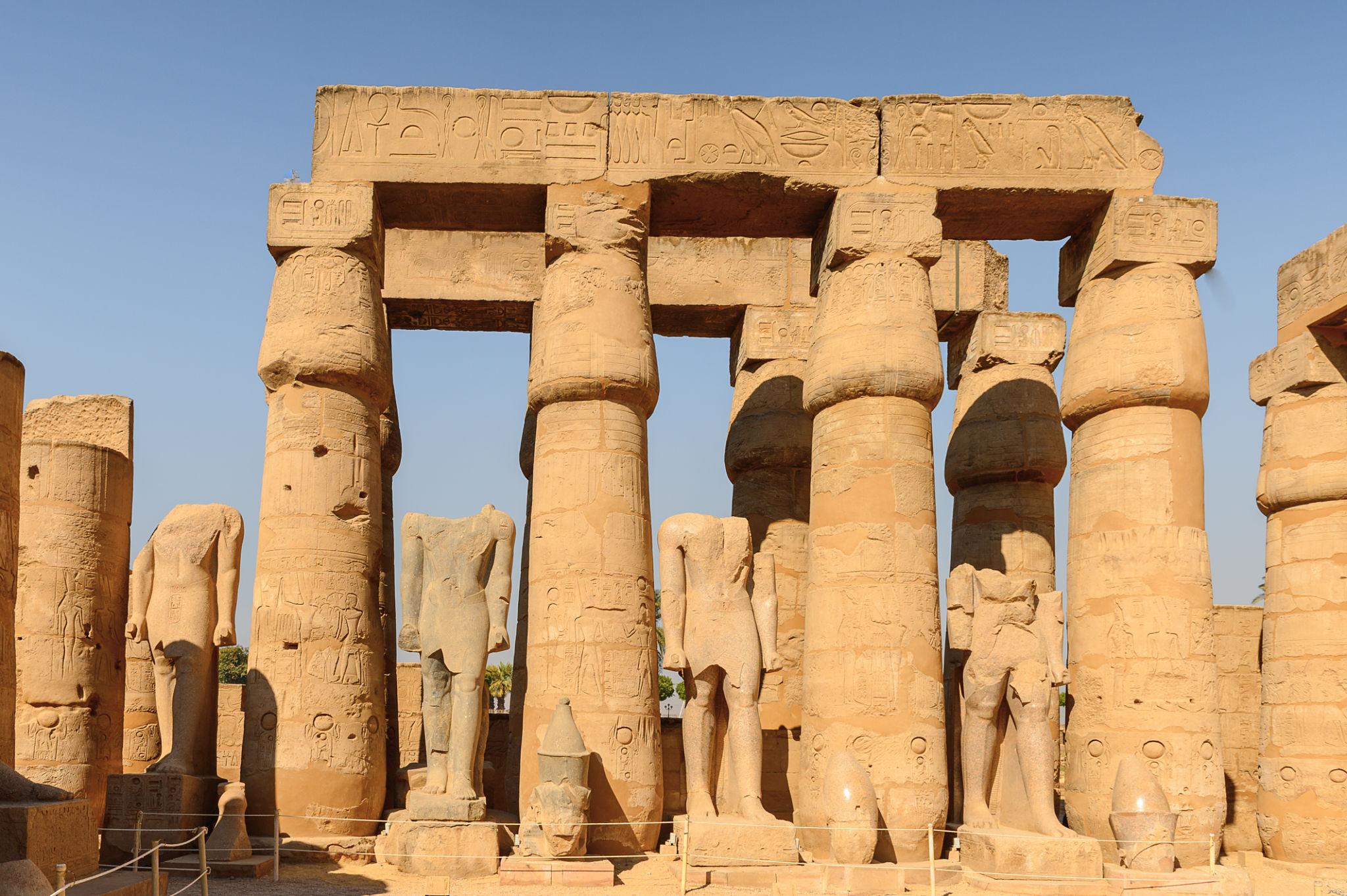
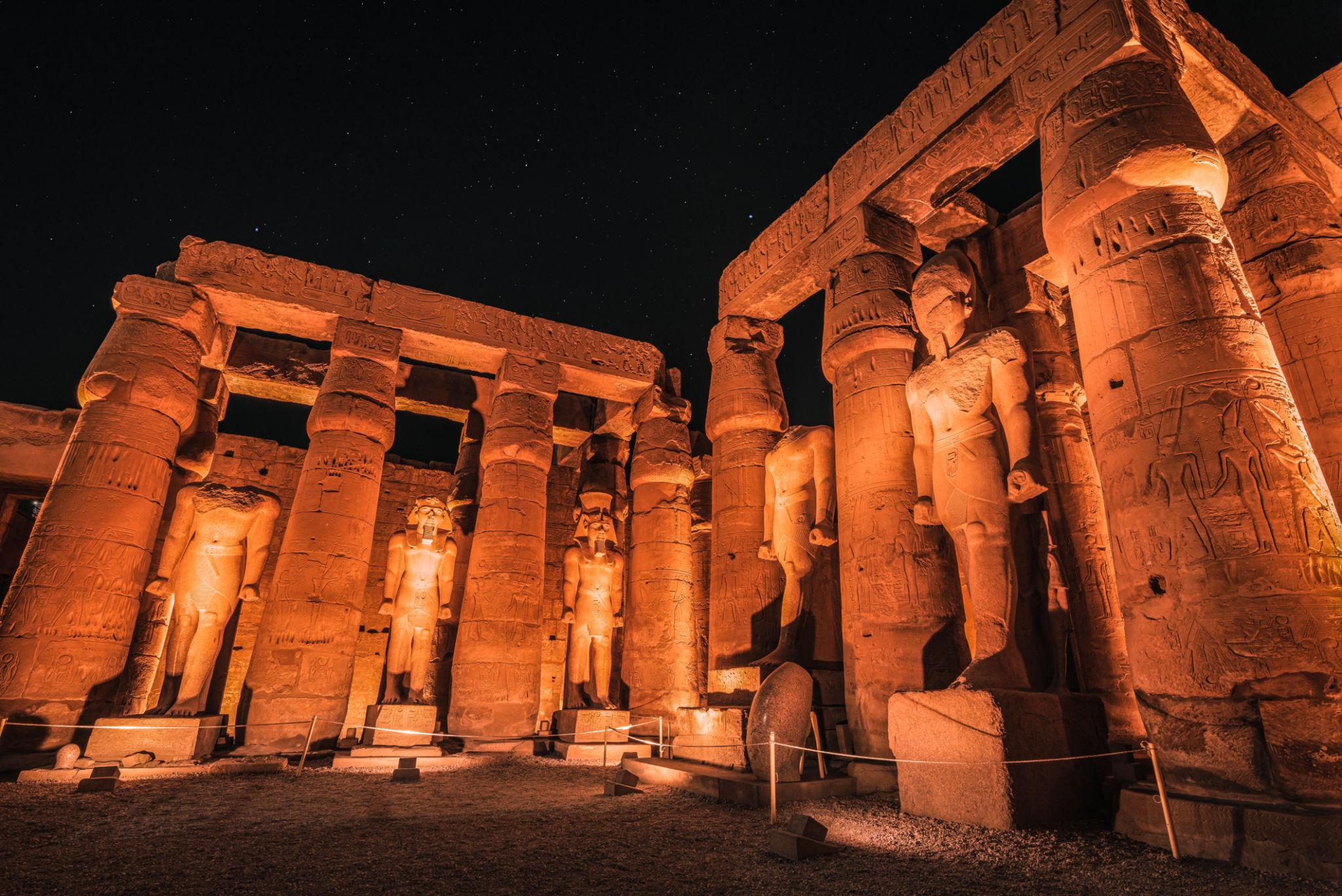
A grand open court surrounded by a double row of 74 papyrus-bud columns, with colossal standing statues of Ramesses II in the Osiride pose positioned between the columns, creating a rhythmic alternation of stone giants and delicate columns. The court is slightly angled from the rest of the temple — Ramesses oriented it to align with the Avenue of Sphinxes leading to Karnak rather than following the axis of Amenhotep III's original temple, a bold architectural assertion of his own priorities. Among the statues stands an unusually fine representation of Nefertari, Ramesses' beloved wife, standing beside his leg at a fraction of his scale — a conventional depiction that nonetheless radiates elegance. At night, when the temple is illuminated and the columns cast long shadows across the court, the space takes on a theatrical quality that makes it one of the most photographed temple interiors in Egypt.
Historical Details
The Opet Festival
Each year during the Nile flood season (roughly July to October), the sacred barques containing the cult statues of Amun, Mut, and Khonsu were carried in a spectacular procession from Karnak Temple to Luxor Temple — a 2.7-kilometer journey along the Avenue of Sphinxes that formed the centerpiece of the grand Opet Festival. The festival lasted between 11 and 27 days depending on the dynasty, and the entire city celebrated with feasts, music, dancing, and the distribution of bread and beer to the populace. At Luxor Temple, the pharaoh entered the inner sanctuary alone to commune with Amun and emerge with his divine authority renewed — the ritual was essential for legitimizing his rule. The Opet Festival was so important that its reliefs decorate the walls of Luxor Temple's colonnade in extraordinary detail, providing the most complete visual record of any ancient Egyptian festival.
Layers of History
Luxor Temple is a remarkable palimpsest of 3,400 years of continuous religious use — one of the few places on earth where you can trace the unbroken thread of worship from pharaonic polytheism through the Roman imperial cult, early Christianity, and Islam. The innermost sanctuary was converted into a Roman shrine around 300 AD, with plastered walls painted with Roman imperial figures that can still be seen beside the original pharaonic reliefs. Early Christian paintings were later added over the Roman work, and the medieval Abu el-Haggag mosque — built when the temple was buried up to the column capitals — continues to serve the local Muslim community today. Standing in this temple, you are literally surrounded by overlapping layers of human devotion spanning three millennia.
Visitor Tips
- Visit in the late afternoon and stay through sunset — the lighting is spectacular
- The temple is illuminated at night and stays open until 9 PM
- Combine with a stroll along the Corniche and dinner overlooking the Nile
- Walk the restored Avenue of Sphinxes to or from Karnak (2.7 km)
Related Monuments
Opening Hours
6 AM – 9 PM
Entry Fee
500 EGP (foreign visitor); Sound & Light show 960 EGP
Period
New Kingdom, c. 1400 BC
Built By
Amenhotep III and Ramesses II