Luxor
The world's greatest open-air museum — ancient Thebes, the Valley of the Kings, and Karnak Temple.
Overview
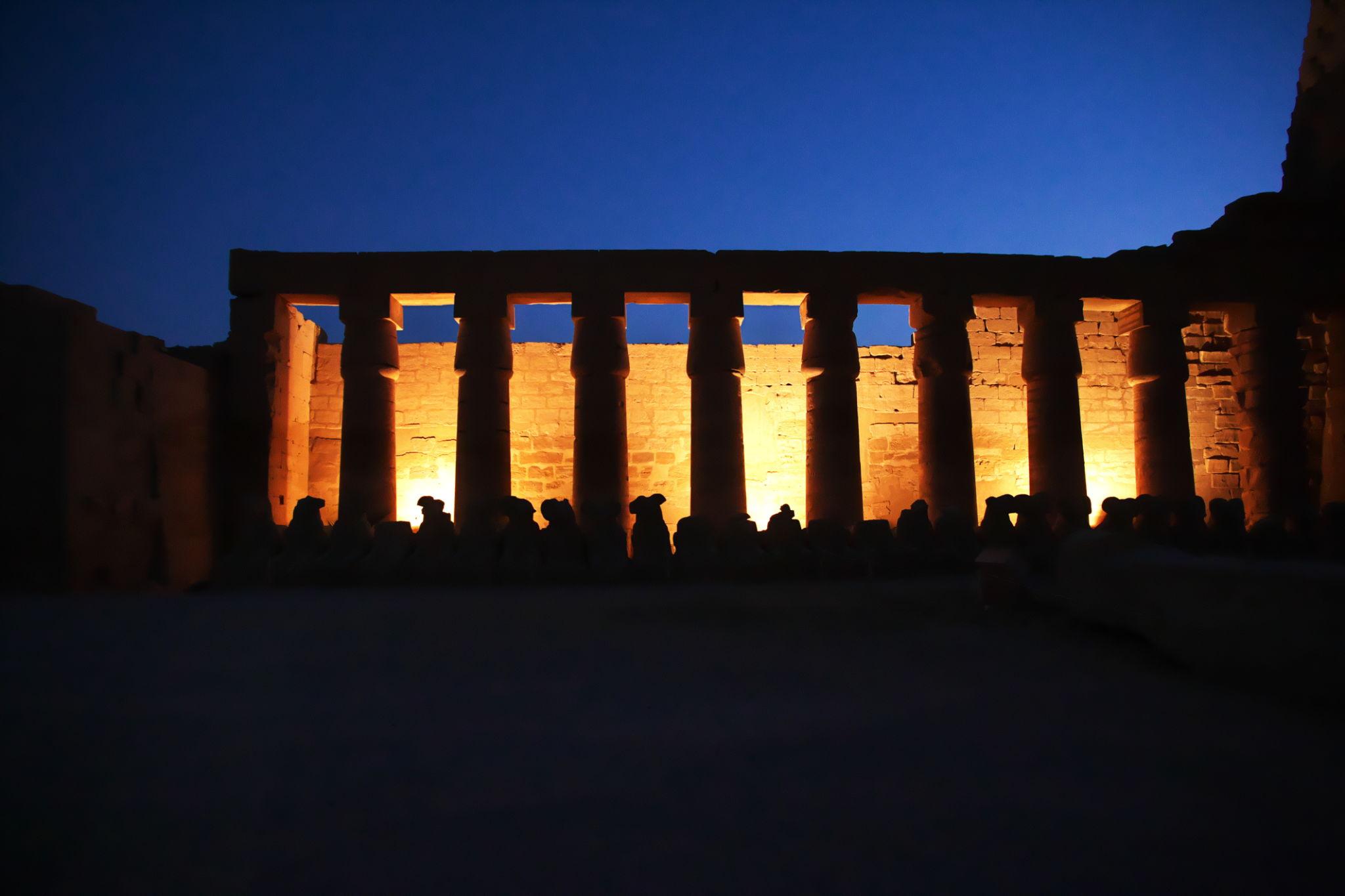
Luxor sits on the site of ancient Thebes, the capital of Egypt during the New Kingdom. The city is divided by the Nile into the East Bank (living city, Karnak and Luxor Temples) and the West Bank (necropolis, Valley of the Kings, Hatshepsut Temple). Every corner reveals another layer of 3,500 years of history.
Gallery
Historical Background
Luxor was the ancient city of Thebes, capital of Egypt during the New Kingdom (1550–1070 BC) — the era of Tutankhamun, Ramesses the Great, and Hatshepsut. The city was the religious center of the god Amun, and the wealth of the empire was poured into building the greatest temples and tombs the world has ever seen. The East Bank was the city of the living, where Karnak and Luxor Temples served as the spiritual heart of the empire. The West Bank was the city of the dead, where pharaohs were buried in hidden tombs in the Valley of the Kings. At its peak, Thebes was the richest city in the ancient world — Homer called it "the city of a hundred gates."
What to See & Do
East Bank: Temples of the Living
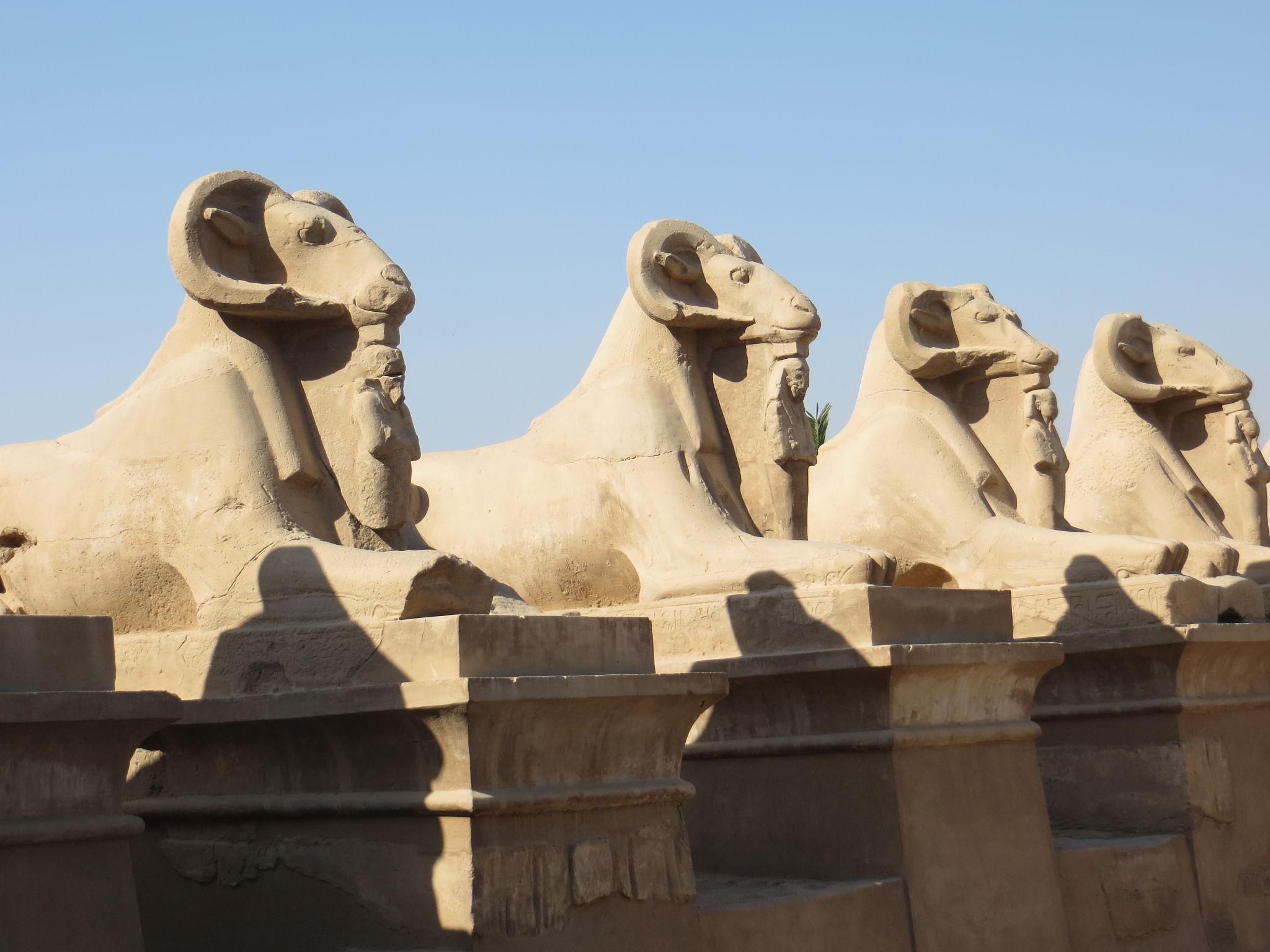
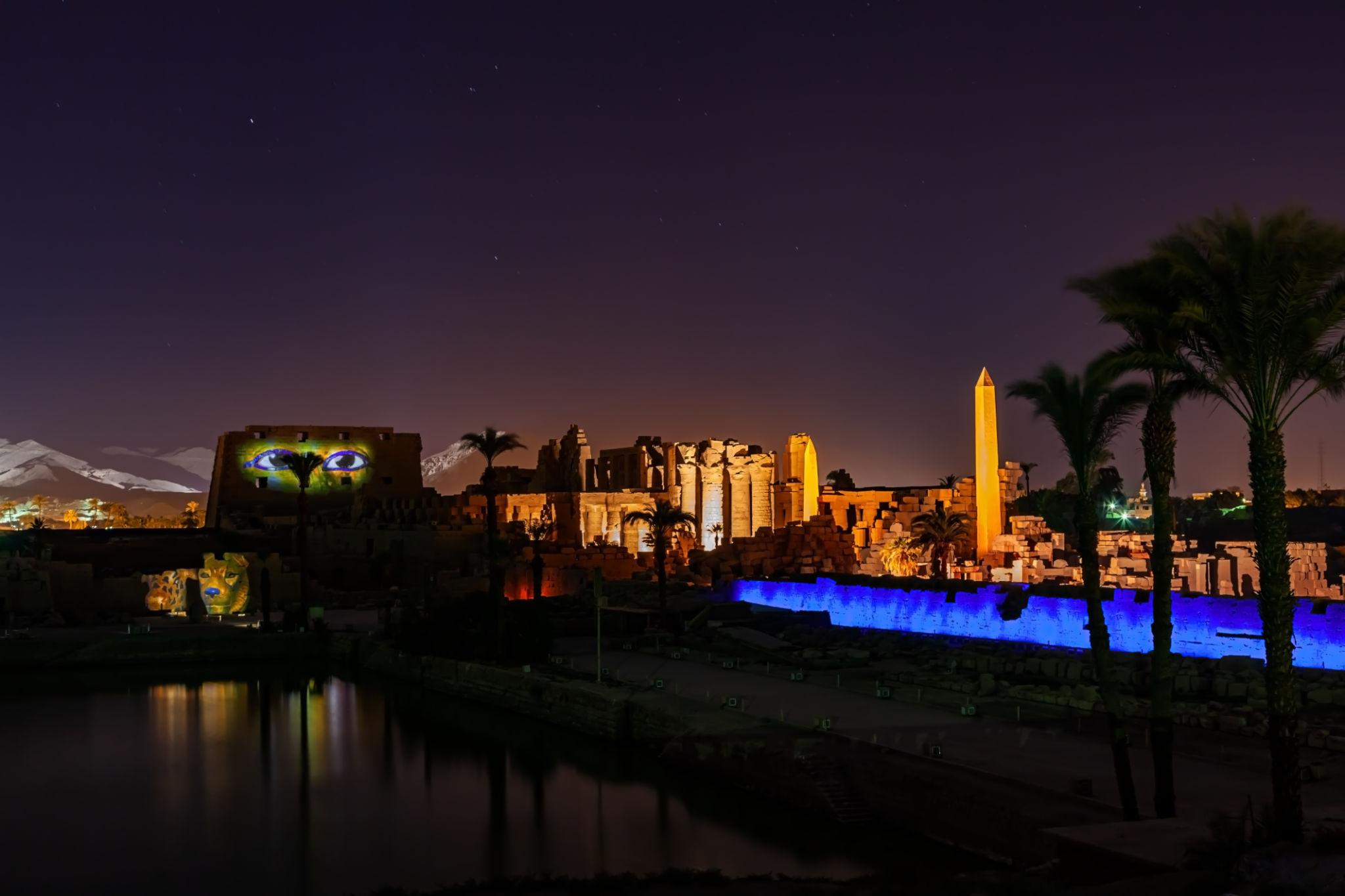
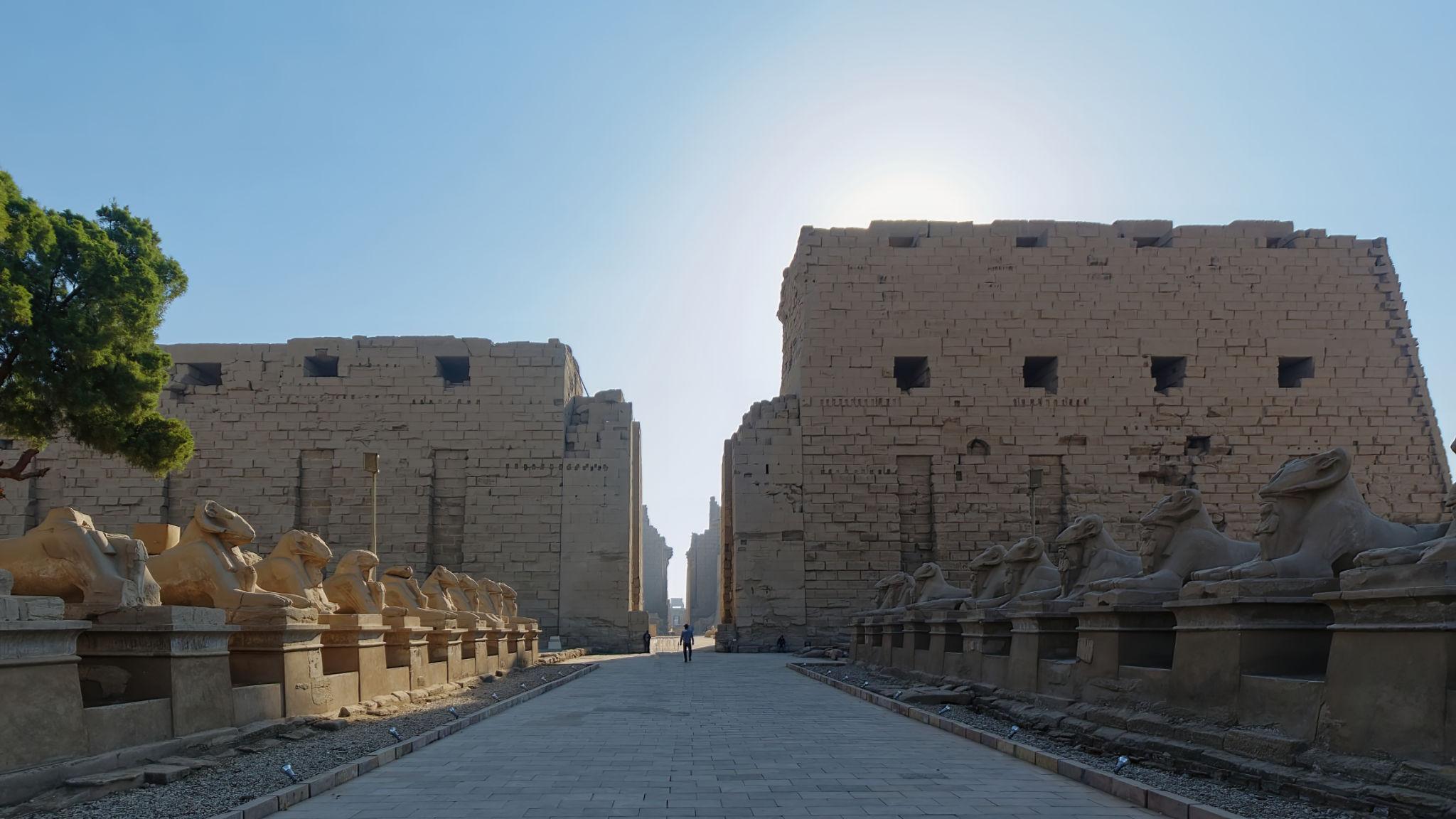
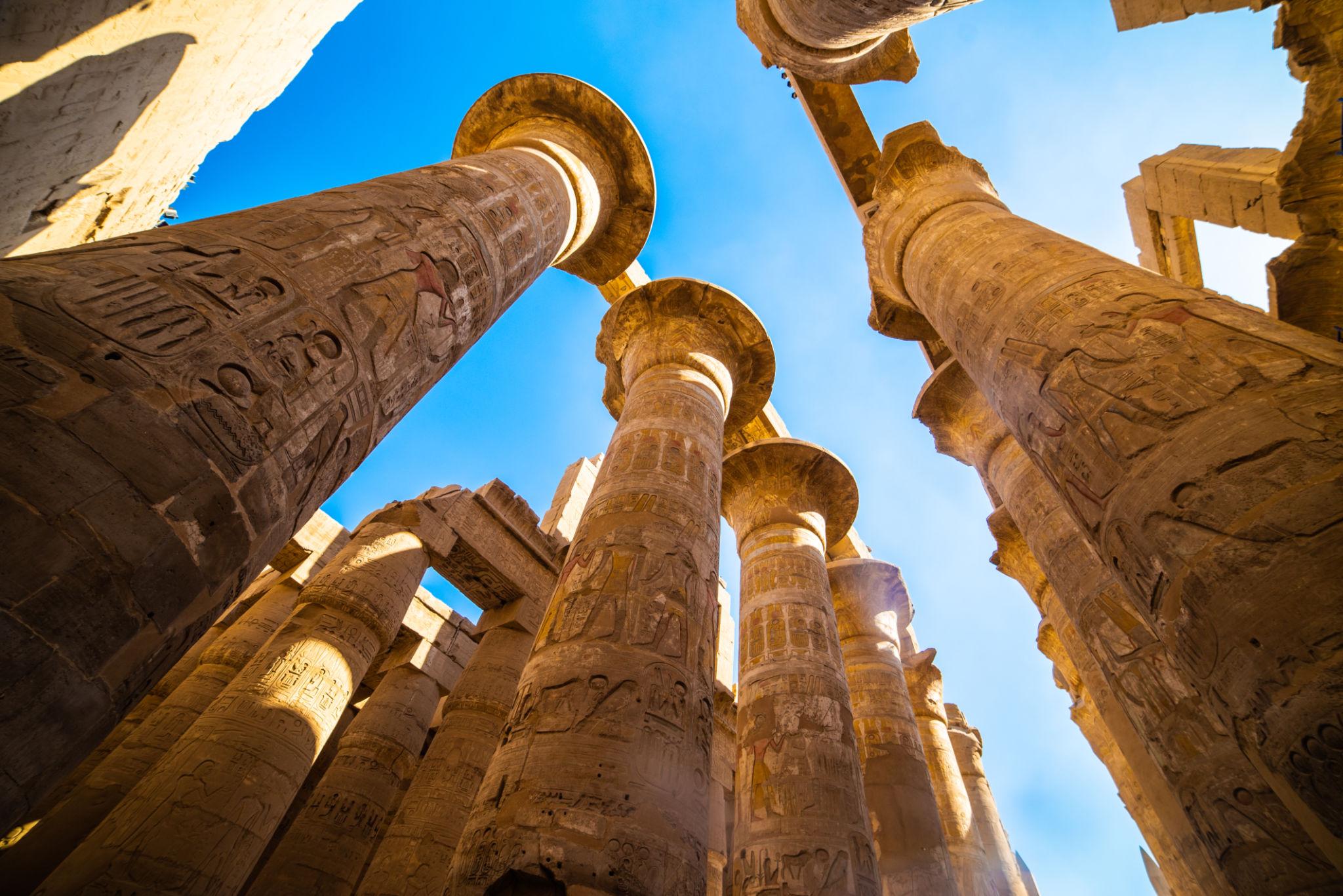
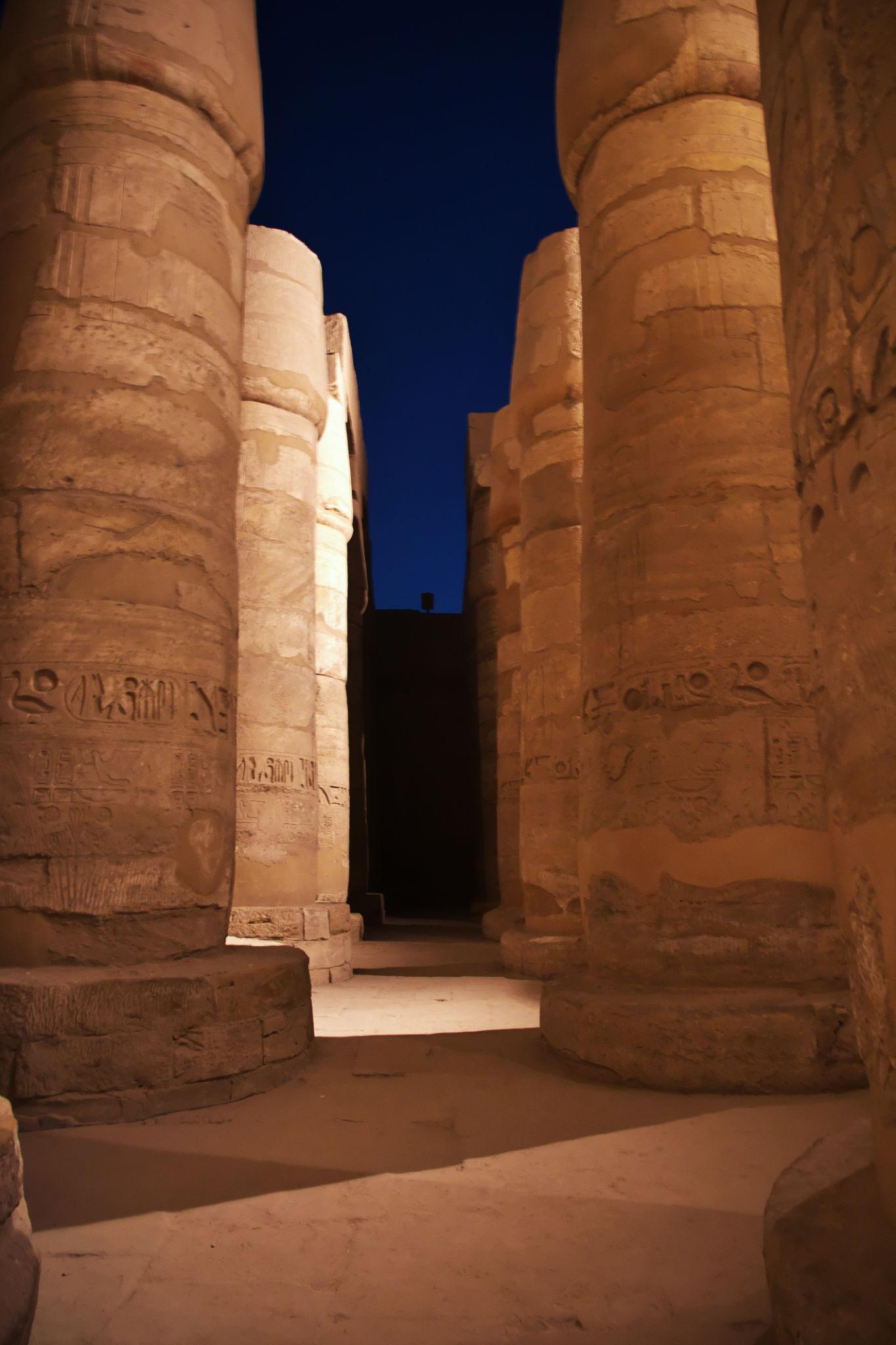
Karnak Temple Complex — the largest religious building ever constructed, built over 2,000 years with its awe-inspiring Hypostyle Hall of 134 giant columns. Luxor Temple, beautifully illuminated at night, sits in the heart of modern Luxor. The two are connected by the recently restored 2.7 km Avenue of Sphinxes, lined with over 1,000 sphinx statues.
West Bank: City of the Dead
The Valley of the Kings holds 63 royal tombs, including Tutankhamun's (discovered in 1922 with its treasure intact). Hatshepsut's mortuary temple at Deir el-Bahari is a masterpiece of ancient architecture. The Colossi of Memnon — two 18-meter seated statues — guard the entrance. The Valley of the Queens, Medinet Habu, and the Tombs of the Nobles offer fewer crowds and stunning art.
Hot Air Balloon at Sunrise
One of Luxor's most magical experiences — floating over the West Bank at dawn as the sun rises over the temples and the Nile. Flights depart before sunrise and last about 45 minutes, offering breathtaking aerial views of the Valley of the Kings, Hatshepsut's Temple, and the surrounding desert landscape.
Nile Cruise & Felucca
Luxor is the starting point for most Nile cruises heading south to Aswan (3–4 nights). For a shorter experience, take a sunset felucca ride from the East Bank. Banana Island, a lush island in the Nile, is a popular stop for a relaxing afternoon.
Luxor Souk & Local Life
The Luxor Souk near the temple is a lively market where you can browse alabaster goods, spices, papyrus art, and traditional Egyptian crafts. For a more local experience, visit the farming villages on the West Bank or the colorful Gurna houses.
Key Monuments
Karnak Temple Complex
The largest ancient religious site in the world — a vast temple city built over 2,000 years.
6 AM – 5:30 PM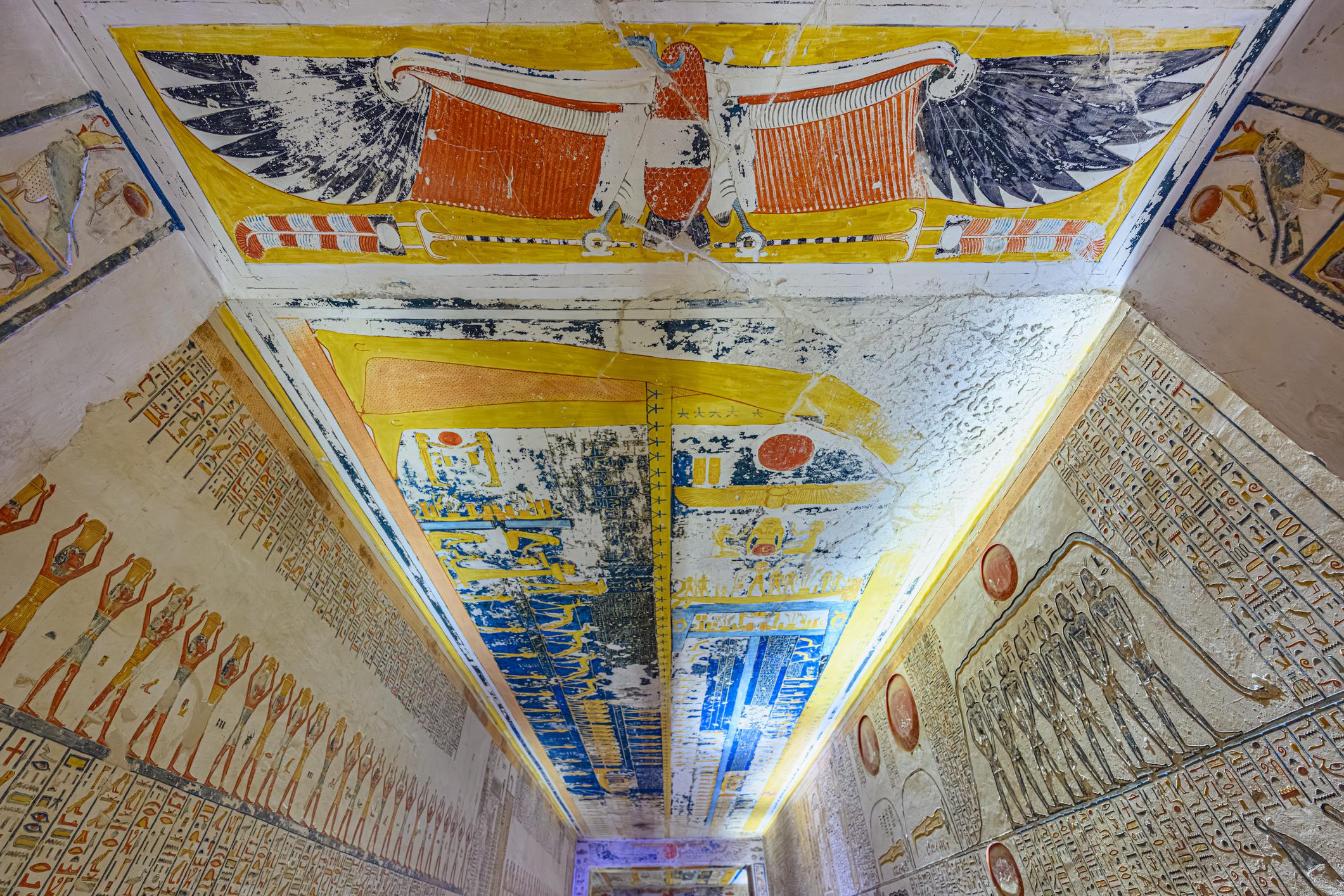
Valley of the Kings
The royal burial ground of Egypt's pharaohs — over 60 tombs including Tutankhamun's.
6 AM – 5 PM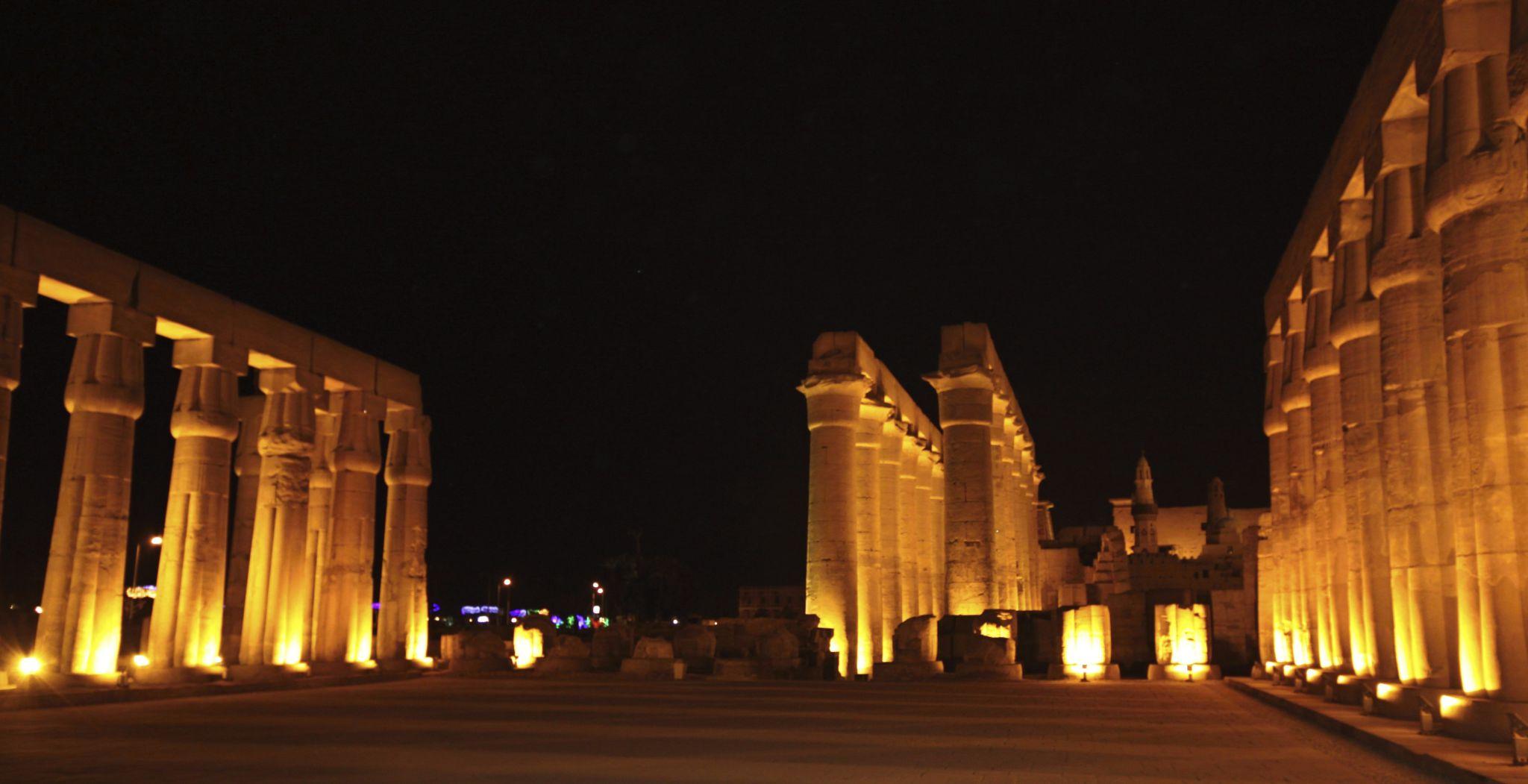
Luxor Temple
An ancient temple in the heart of modern Luxor — stunning at sunset and after dark.
6 AM – 9 PM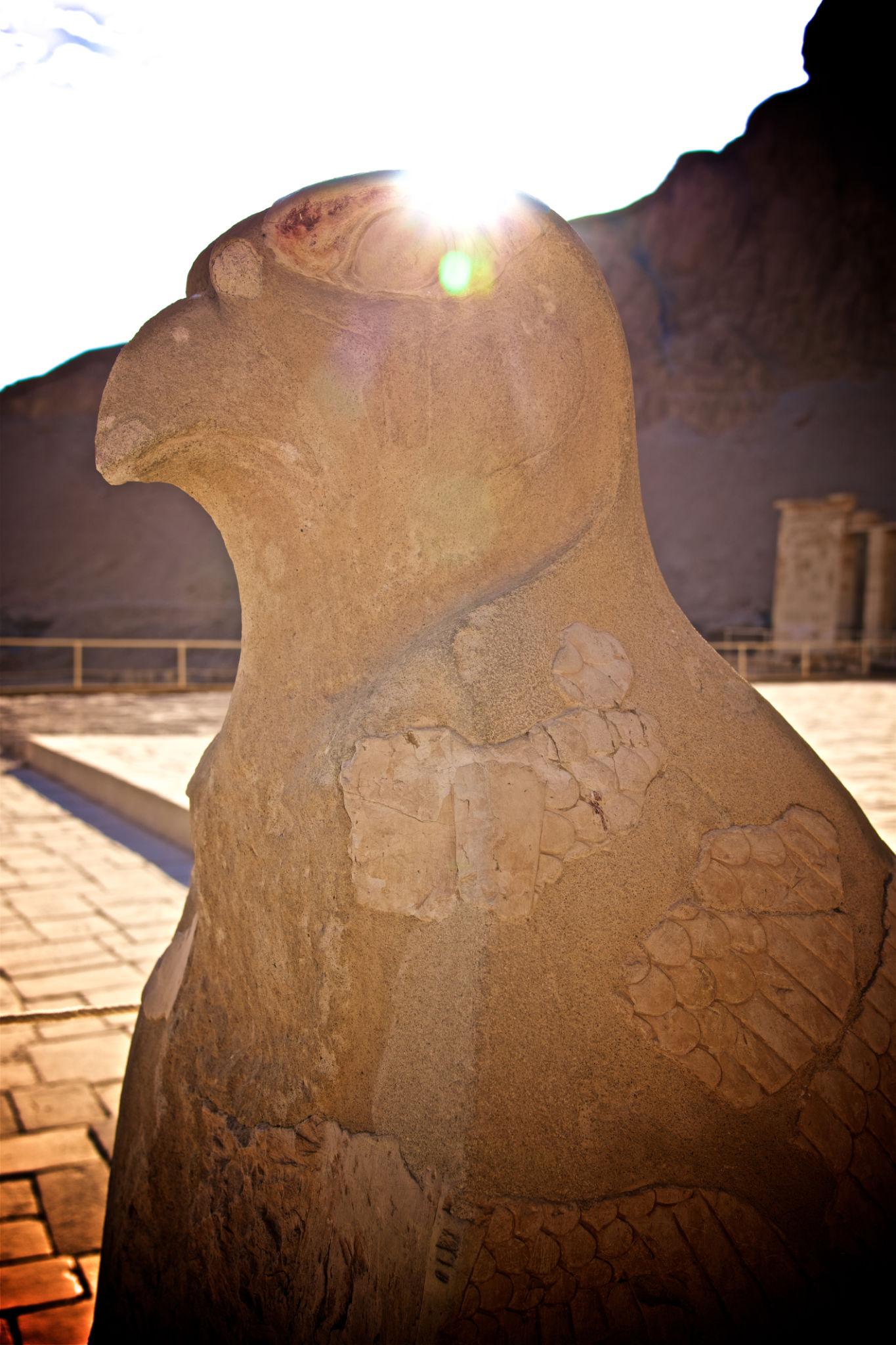
Temple of Hatshepsut
The terraced mortuary temple of Egypt's greatest female pharaoh — carved into the cliffs of Deir el-Bahari.
6 AM – 5 PM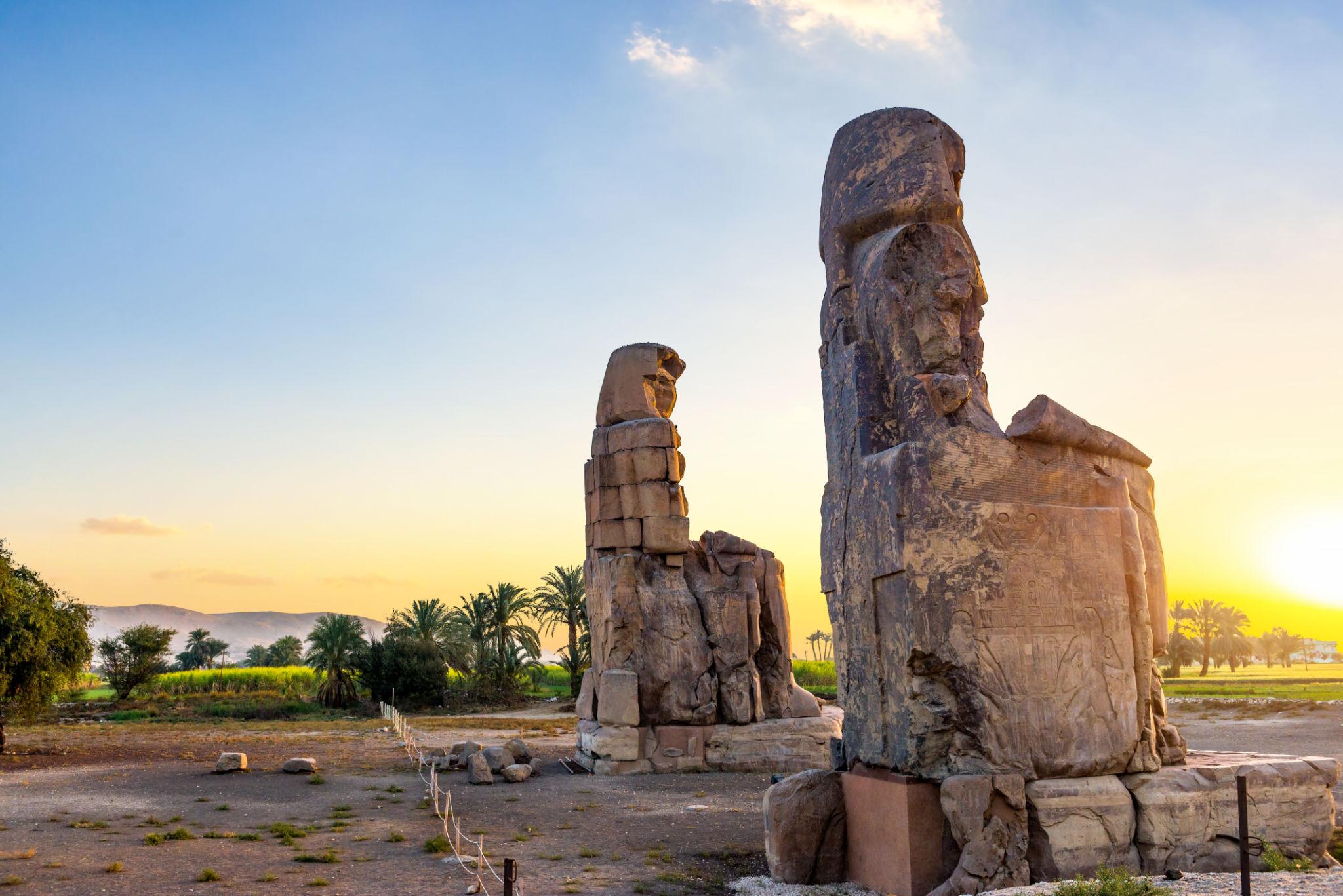
Colossi of Memnon
Two massive stone statues of Pharaoh Amenhotep III — silent guardians of the Theban Necropolis.
6 AM – 5 PM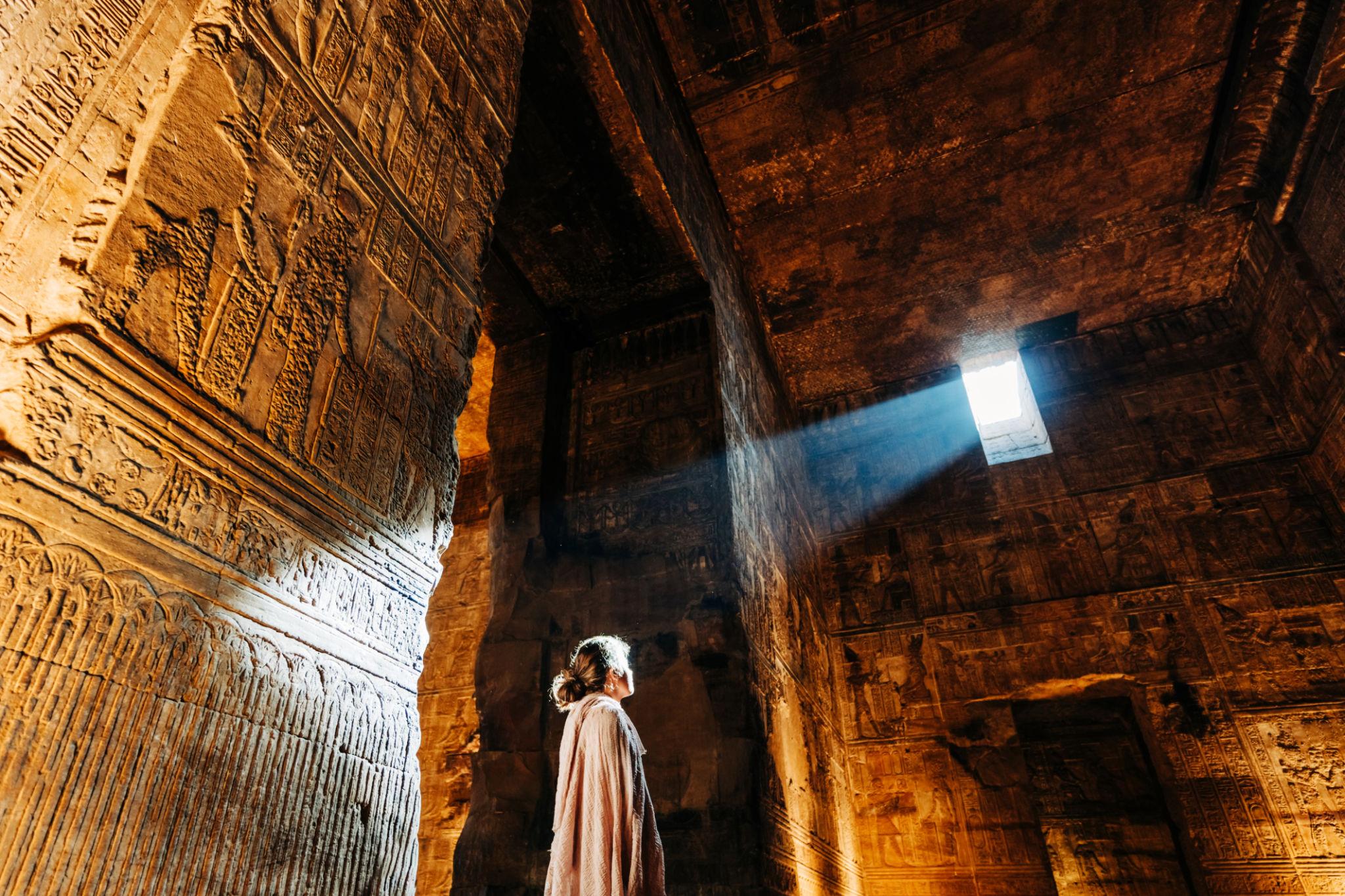
Dendera Temple (Temple of Hathor)
One of Egypt's best-preserved temples — stunning ceiling art, mysterious crypts, and a rooftop with Nile views.
7 AM – 5 PM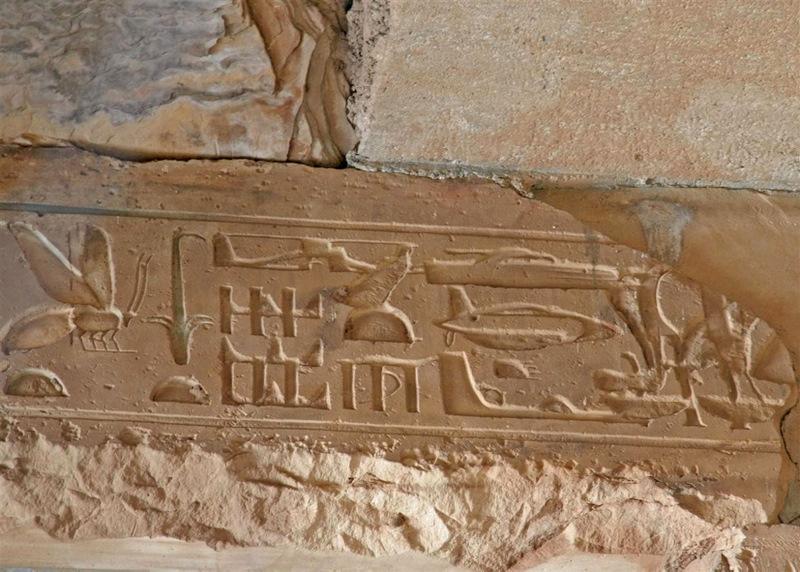
Temple of Seti I at Abydos
Egypt's most sacred ancient site — home to the finest reliefs in all of Egypt and the mysterious Osireion.
8 AM – 5 PM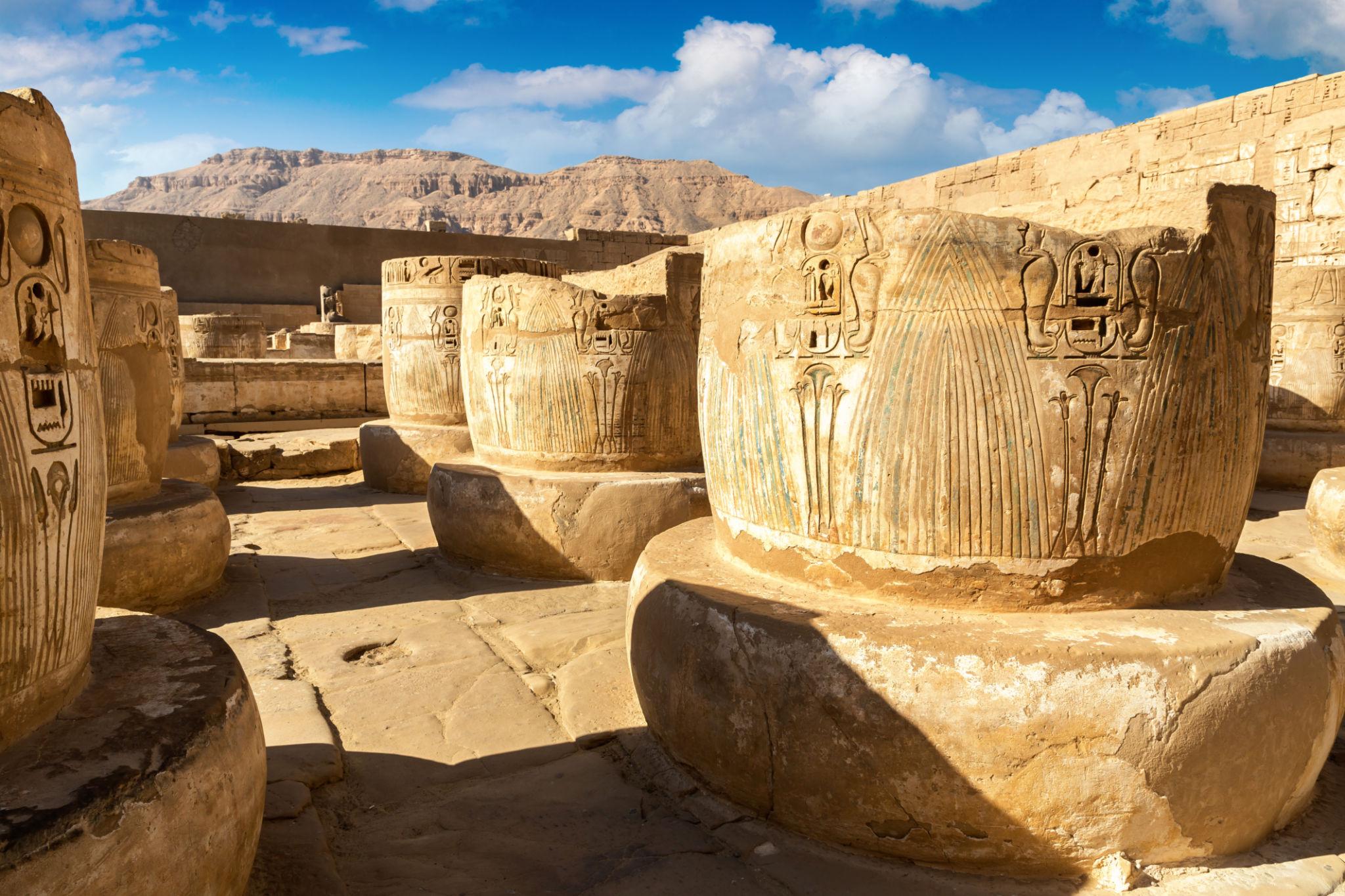
Medinet Habu (Temple of Ramesses III)
Luxor's most underrated temple — massive walls covered in dramatic battle scenes and vivid original paint.
6 AM – 5 PM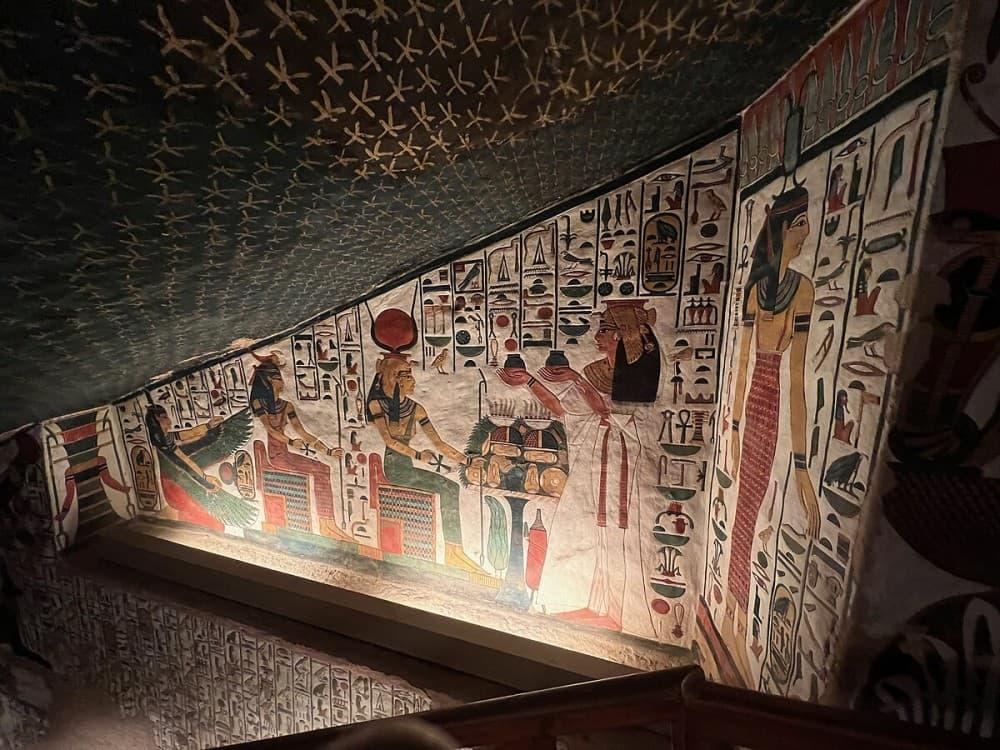
Valley of the Queens
The royal burial ground of Egypt's queens and princes — home to the breathtaking tomb of Nefertari.
6 AM – 5 PMFood & Dining
Local Specialties
Upper Egyptian cuisine features heavier use of spices and grilled meats. Try the pigeon (hamam mahshi) stuffed with freekeh — a Luxor specialty. Sugarcane juice is freshly pressed at street carts everywhere. Ful and ta'ameya remain breakfast staples, often served with fresh baladi bread from communal ovens.
Nile-View Dining
Several restaurants along the Corniche offer Nile-view dining — Sofra Restaurant & Cafe is a beautifully restored old Luxor house serving traditional Egyptian food. The rooftop restaurants near Luxor Temple provide stunning views of the illuminated temple at night.
Hotel & Cruise Dining
The Winter Palace Hotel (opened 1886) offers colonial-era elegance with its classic afternoon tea and formal dining room. Nile cruises typically include full-board dining with a mix of Egyptian and international cuisine.
Best Time to Visit
October to March is ideal, with daytime highs of 25–30°C (77–86°F) and pleasantly cool evenings. December and January mornings can be chilly (8–12°C), perfect for temple visits. Summer (June–August) is extremely hot, with temperatures regularly exceeding 40°C (104°F) — early morning and evening visits are essential. The shoulder months of April and September offer a balance of warm weather and fewer tourists.
Getting Around
Luxor is compact and navigable. The East Bank (hotels, Karnak, Luxor Temple) is walkable or a short taxi/tuk-tuk ride. To reach the West Bank, take the local ferry (5 EGP) from the Corniche or drive across the bridge. On the West Bank, hiring a private taxi or arranging a driver for the day is recommended as sites are spread over a large area. Many hotels arrange West Bank tours. Bicycles can be rented for exploring the quieter West Bank roads. Horse-drawn carriages (calèches) are a traditional but negotiation-heavy option.
Pro Tips
- Buy a Luxor Pass (available at the Karnak ticket office) if you plan to visit multiple sites — it saves significantly
- Visit the Valley of the Kings at opening (6 AM) to avoid heat and coach crowds
- Luxor Temple is most atmospheric after dark when it's beautifully illuminated
- Book a hot air balloon flight for sunrise — book through your hotel at least a day in advance
- The West Bank needs a full morning (ideally starting at 6 AM). Combine Valley of the Kings, Hatshepsut Temple, and Medinet Habu
- Carry water and sun protection — shade is scarce at most archaeological sites
- The local ferry to the West Bank costs a fraction of the tourist boat price
Key Locations
- Karnak Temple25.7188, 32.6573
- Valley of the Kings25.7402, 32.6014
- Luxor Temple25.6995, 32.6390
- Hatshepsut Temple25.7378, 32.6067
- Medinet Habu25.7189, 32.6019
- Valley of the Queens25.7273, 32.5979
- Temple of Hathor (Dendera)26.1416, 32.6700
- Temple of Seti I (Abydos)26.1852, 31.9190
Need help planning your trip?
Our Egypt travel experts can create a custom itinerary tailored to your interests.
Get in Touch