Egypt is one of the most photogenic countries on Earth. The ancient monuments, desert landscapes, vibrant street scenes, and the Nile itself offer endless opportunities for stunning photography. Here are practical tips to help you capture the best images.
Golden Hour is Everything
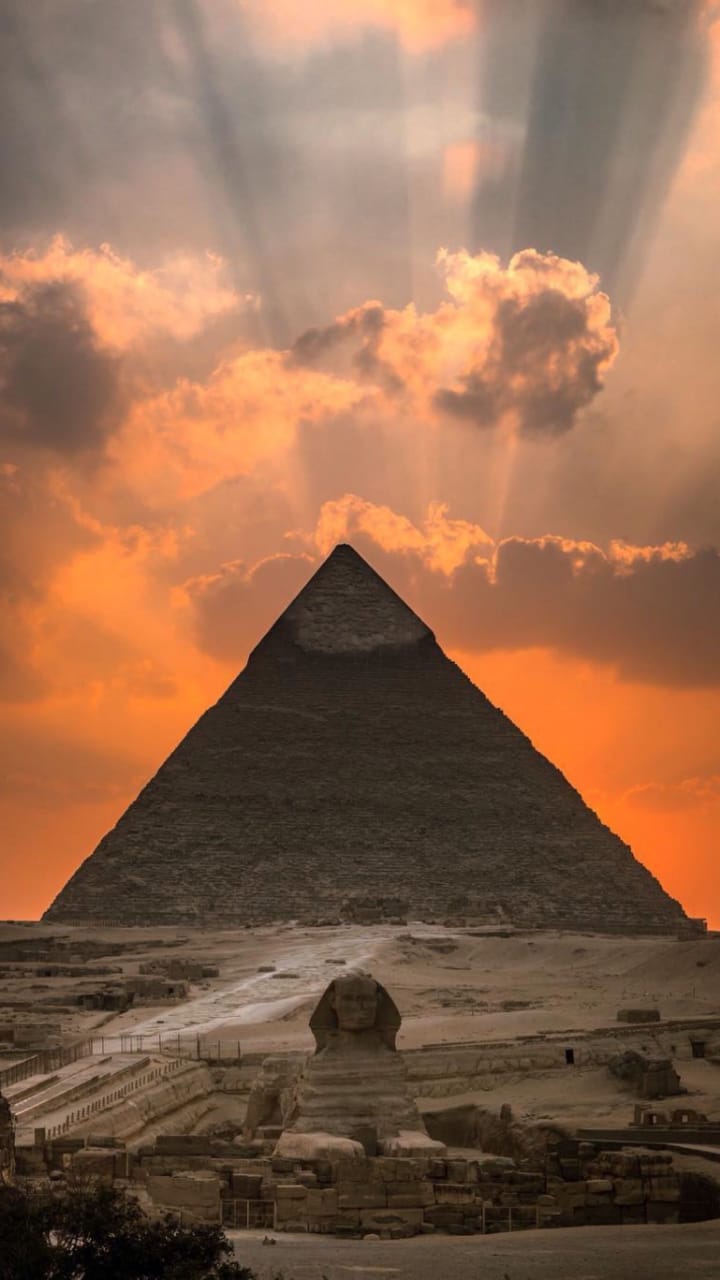
The single most important photography tip for Egypt: shoot during golden hour. The warm, low-angle light at sunrise and sunset transforms the limestone monuments from flat beige to rich amber and gold. The Great Pyramid at sunrise, Karnak Temple at sunset, and Philae Temple in late afternoon light are completely different experiences from midday.
In Egypt, golden hour lasts roughly 30-45 minutes after sunrise and before sunset. Plan your visits around these times whenever possible.
Dealing with Harsh Midday Light
Midday in Egypt means intense overhead sun that creates harsh shadows and washed-out colors. If you must shoot at midday:
- Seek out shaded areas (temple interiors, colonnaded halls)
- Use shadows creatively — the interplay of light and shadow in the Hypostyle Hall at Karnak is dramatic at any time
- Shoot details and close-ups rather than wide establishing shots
- Use HDR mode or bracket exposures for high-contrast scenes
- Embrace black and white — harsh light works beautifully in monochrome
Composition at Monuments
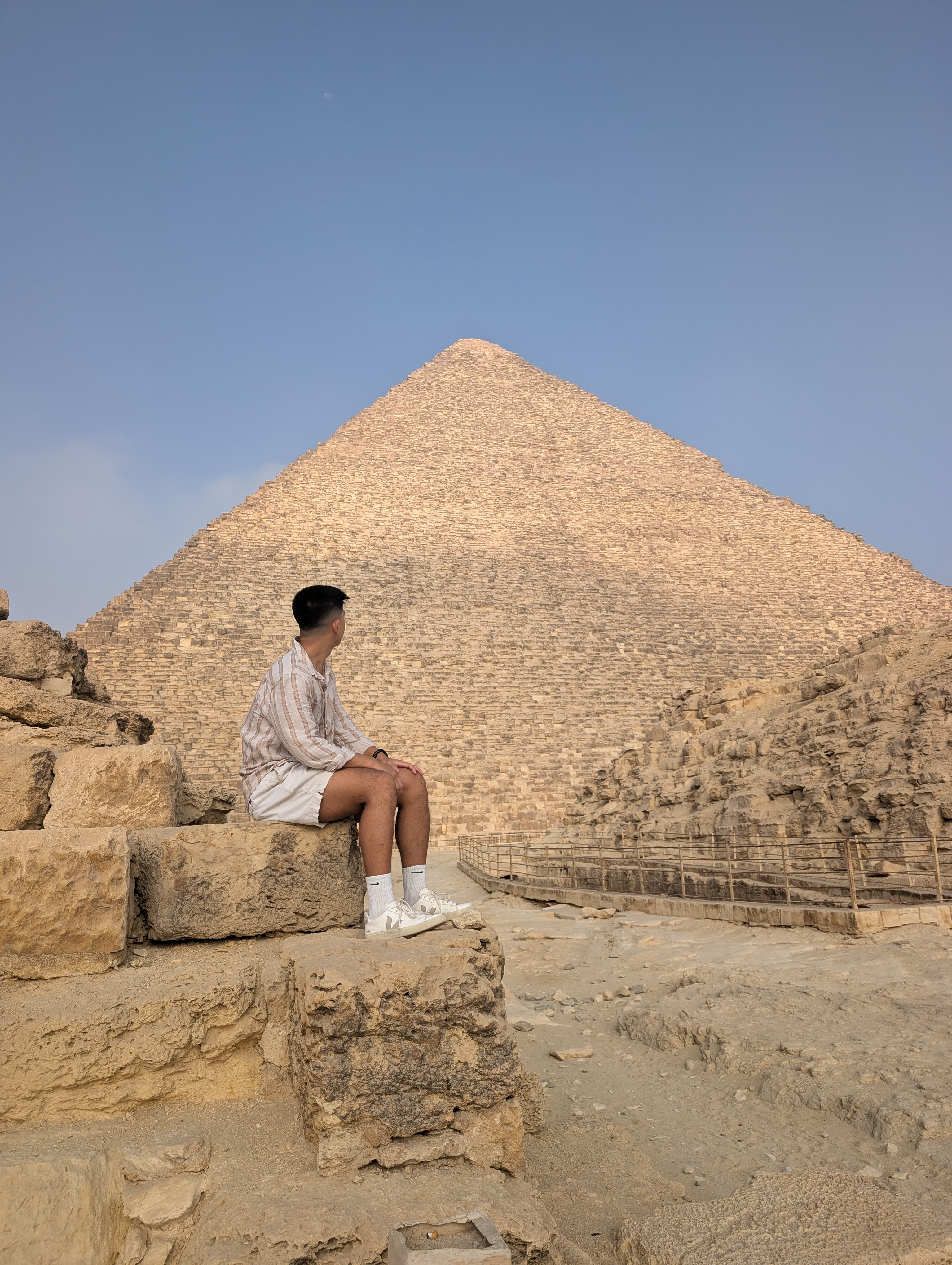
Egyptian temples and tombs were built with symmetry and axis lines — use them. Stand on the central axis of a temple and shoot straight down the corridor for powerful leading lines. Use doorways as natural frames. Include a human figure for scale — the Abu Simbel statues and Karnak columns look impressive, but they look truly massive with a person standing beside them.
Street Photography in Cairo
Cairo is a street photographer's paradise. The chaos, colors, and characters are endlessly compelling. Tips for respectful street photography:
- Ask permission before photographing individuals, especially women
- Markets like Khan el-Khalili are more photographically permissive
- Shoot from the hip or use a longer lens if you want candid shots
- The light in Cairo's narrow alleys creates beautiful natural chiaroscuro
- Our Cairo Night City Tour offers excellent opportunities for atmospheric night photography
The Nile
For Nile photography, the best light is early morning and late afternoon. If you're on a Nile Cruise, the sun deck provides elevated vantage points. Feluccas with their white sails make iconic subjects — in Aswan, the Nile is particularly photogenic with granite islands and palm-fringed banks.
Use a polarizing filter to cut glare on the water and deepen the sky. Reflections at dawn and dusk can be spectacular.
Desert Landscapes
The desert around the pyramids, the Valley of the Kings, and the roads between cities offers dramatic landscapes. Sand dunes, rocky plateaus, and the stark contrast between green Nile Valley and beige desert create compelling compositions. A wide-angle lens captures the vastness; a telephoto compresses the desert heat haze for atmospheric effects.
Equipment Recommendations
- A versatile zoom lens (24-105mm equivalent) covers most situations
- A wide-angle lens (16-35mm) for temple interiors and Pyramid close-ups
- A portable tripod for dawn/dusk shots and temple interiors (check if allowed)
- A polarizing filter for sky and water
- Lens cloths and a blower — sand and dust are everywhere
- A waterproof bag or case for the Red Sea
- Extra memory cards and batteries — you'll shoot more than you expect
Protecting Your Gear
Egypt is dusty. Sand gets everywhere. Use a camera bag that seals well, avoid changing lenses in windy conditions, and clean your sensor regularly. Keep a UV filter on your lenses as physical protection. In the desert and at the Pyramids, wind can whip up sand unexpectedly.