Egypt is a warm, hospitable country with deep cultural traditions. Understanding local customs will enrich your experience and earn you respect from the people you meet. Here's what every visitor should know.
Greetings
Egyptians are exceptionally warm and welcoming. A handshake is standard between men. Between men and women, wait for the woman to extend her hand first — some conservative women prefer not to shake hands with men. "As-salaam alaikum" (peace be upon you) is the universal greeting; the response is "wa alaikum as-salaam."
Close friends and family greet each other with kisses on both cheeks. Don't be surprised if an Egyptian you've met once before greets you like an old friend — hospitality is deeply ingrained in the culture.
Tipping (Baksheesh)
Tipping is an integral part of Egyptian culture and economy. Many service workers depend on tips as their primary income. Here's a rough guide:
- **Restaurant servers**: 10-15% of the bill
- **Hotel porters**: 20-50 EGP per bag
- **Tour guides**: 200-400 EGP per day
- **Drivers**: 100-200 EGP per day
- **Restroom attendants**: 5-10 EGP
- **Temple guardians who show you hidden spots**: 20-50 EGP (use your judgment)
Always carry small bills. Tipping with large bills and expecting change can create awkward situations.
Visiting Mosques
Egypt's mosques are among the world's most beautiful. Many welcome non-Muslim visitors outside of prayer times. Rules to follow:
- Remove your shoes before entering (bags are often provided at the door)
- Women should cover their hair, arms, and legs — most mosques offer loaner scarves
- Men should wear long pants
- Don't walk in front of people who are praying
- Ask before photographing people at prayer
- Speak quietly and be respectful
The mosques of Islamic Cairo, particularly Al-Azhar, Sultan Hassan, and Ibn Tulun, are architectural masterpieces worth visiting.
Dining Customs
If invited to an Egyptian home (a real honor), bring a small gift — pastries, chocolates, or flowers are appropriate. Remove your shoes if you see shoes at the door. Eat with your right hand (the left hand is considered unclean). Compliment the food enthusiastically — your host will insist you eat more regardless, but genuine appreciation is noticed.
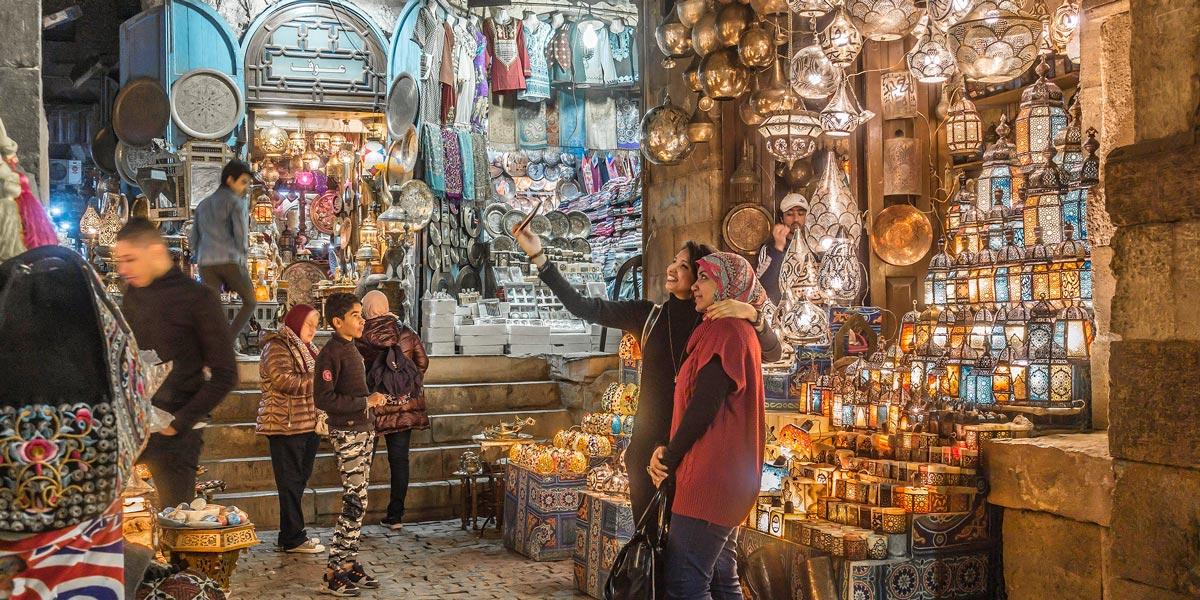
Tea (shai) is the social lubricant of Egypt. Accepting a cup of tea is accepting friendship. Refusing can be seen as impolite. If you're offered tea in a shop, it's hospitality, not a hard sell — though a purchase is appreciated.
Photography
Always ask before photographing people, especially women and in rural areas. Most Egyptians are happy to be photographed but appreciate being asked. Some people at tourist sites may pose for photos and expect a small tip — this is normal.
Photography is prohibited inside many tombs in the Valley of the Kings and some museum galleries. Camera phones may be allowed where professional cameras are not. Follow posted rules and your guide's advice.
Dress Code
Modest dress is appreciated everywhere and required at religious sites. In tourist areas like hotels, resorts, and the Red Sea, dress codes are more relaxed. In Cairo, Luxor, and Aswan, covering shoulders and knees is respectful.
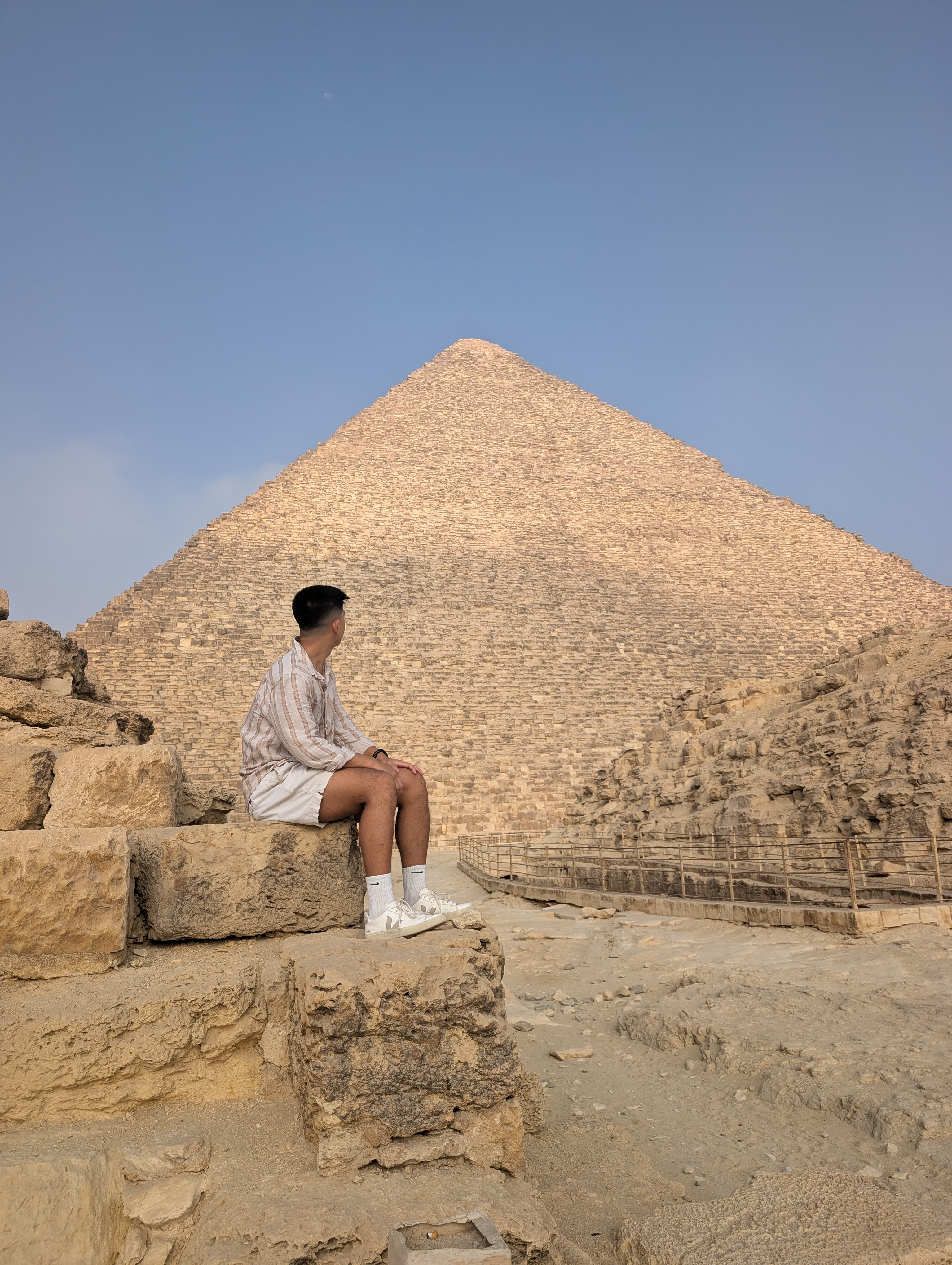
Swimwear belongs at the pool or beach — never in towns or at historical sites. Egyptians generally don't wear shorts in public, though tourists won't be confronted about it.
Language
Arabic is the official language, but English is widely spoken in tourist areas. Learning a few Arabic phrases goes a long way: "Shukran" (thank you), "Min fadlak/fadlik" (please, m/f), "Aiwa" (yes), "La" (no), and "Inshallah" (God willing — used constantly).
Ramadan
If you visit during Ramadan, be aware that most Muslims fast from dawn to sunset. Eating, drinking, or smoking in public during daylight hours is considered disrespectful. Restaurants in tourist hotels remain open, but many local restaurants close during the day. The evening iftar meal is a wonderful celebration you may be invited to share.