Aswan
Where the Nile is at its most beautiful — Philae Temple, Nubian villages, and desert sunsets.
Overview
Aswan is Egypt's sunniest southern city, where the Nile flows around beautiful islands and granite boulders. Visit the romantic Philae Temple, sail to Elephantine Island, explore colorful Nubian villages, and take an excursion to the magnificent Abu Simbel temples.
Gallery
Historical Background
Aswan — ancient Swenett — has been Egypt's southern frontier for over 5,000 years. It was the gateway to Nubia and the source of the precious granite used to build obelisks, colossi, and sarcophagi throughout Egypt. The ancient Egyptians believed the Nile's annual flood originated from a sacred cavern beneath the rocks at Aswan. Elephantine Island was a major trading post and military garrison. The Ptolemaic and Roman periods saw the construction of the stunning Philae Temple complex dedicated to the goddess Isis. In modern times, the construction of the Aswan High Dam (completed 1970) created Lake Nasser and required the dramatic UNESCO-led rescue of Abu Simbel and Philae temples.
What to See & Do
Philae Temple (Temple of Isis)
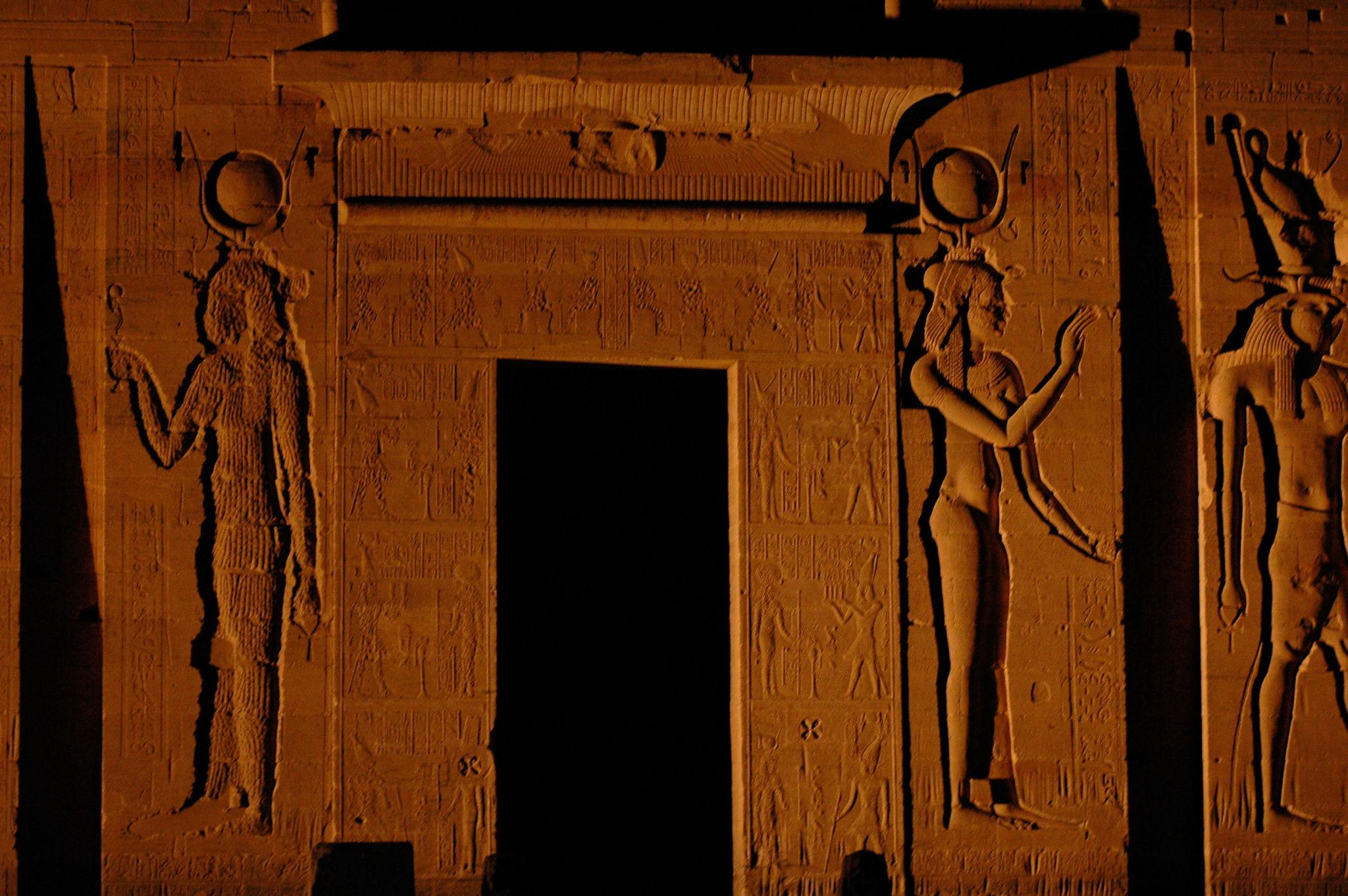
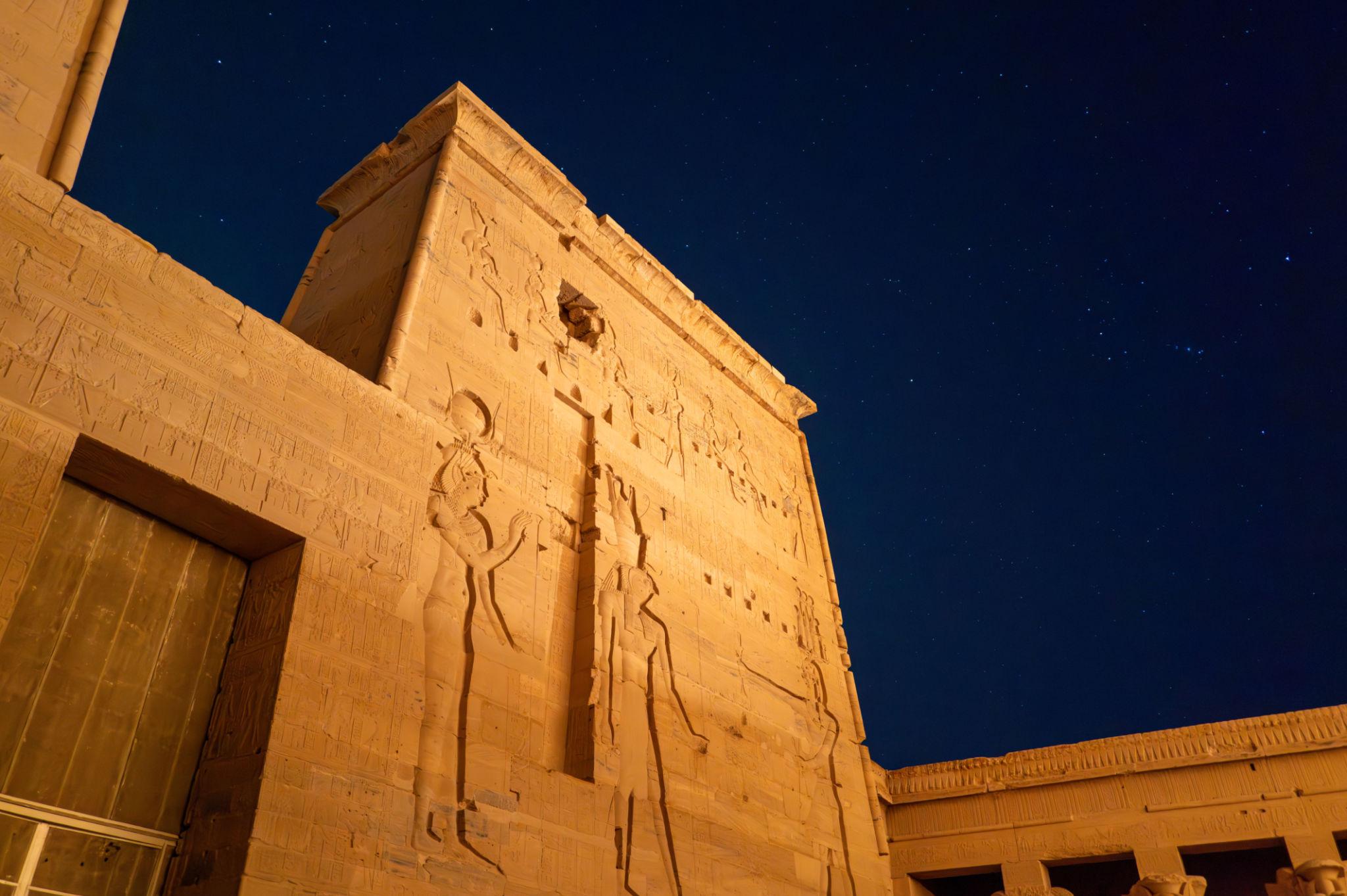
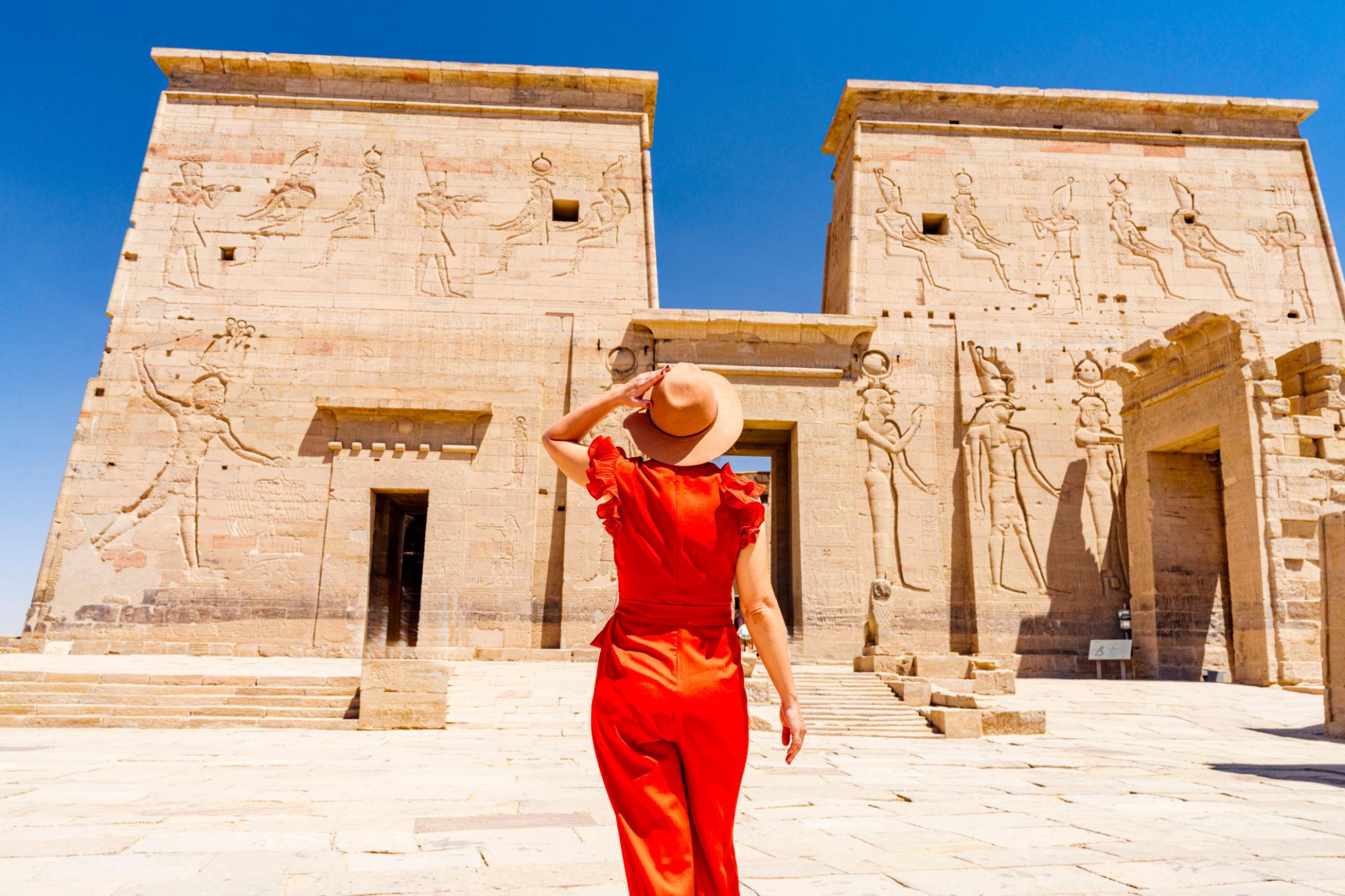
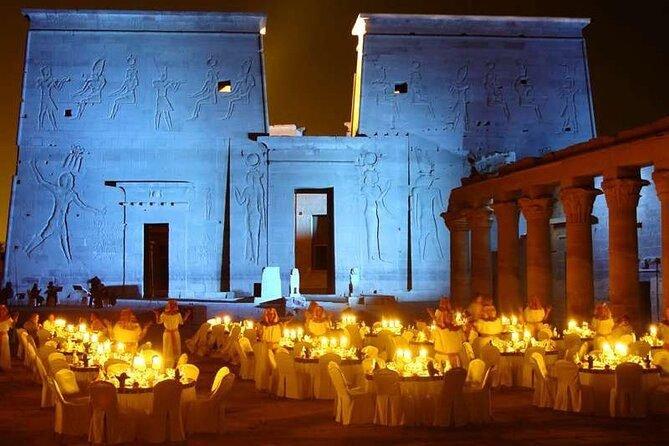
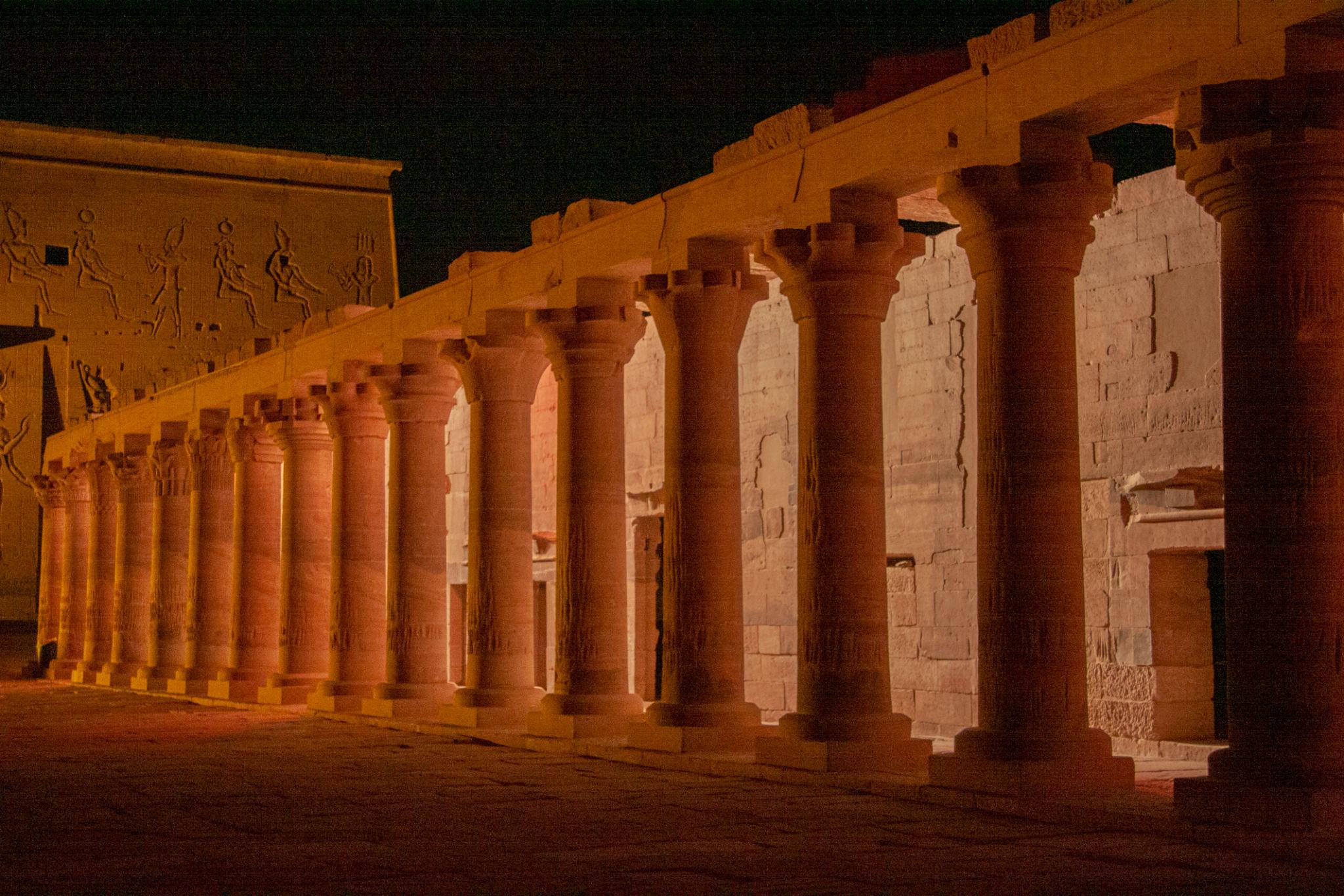
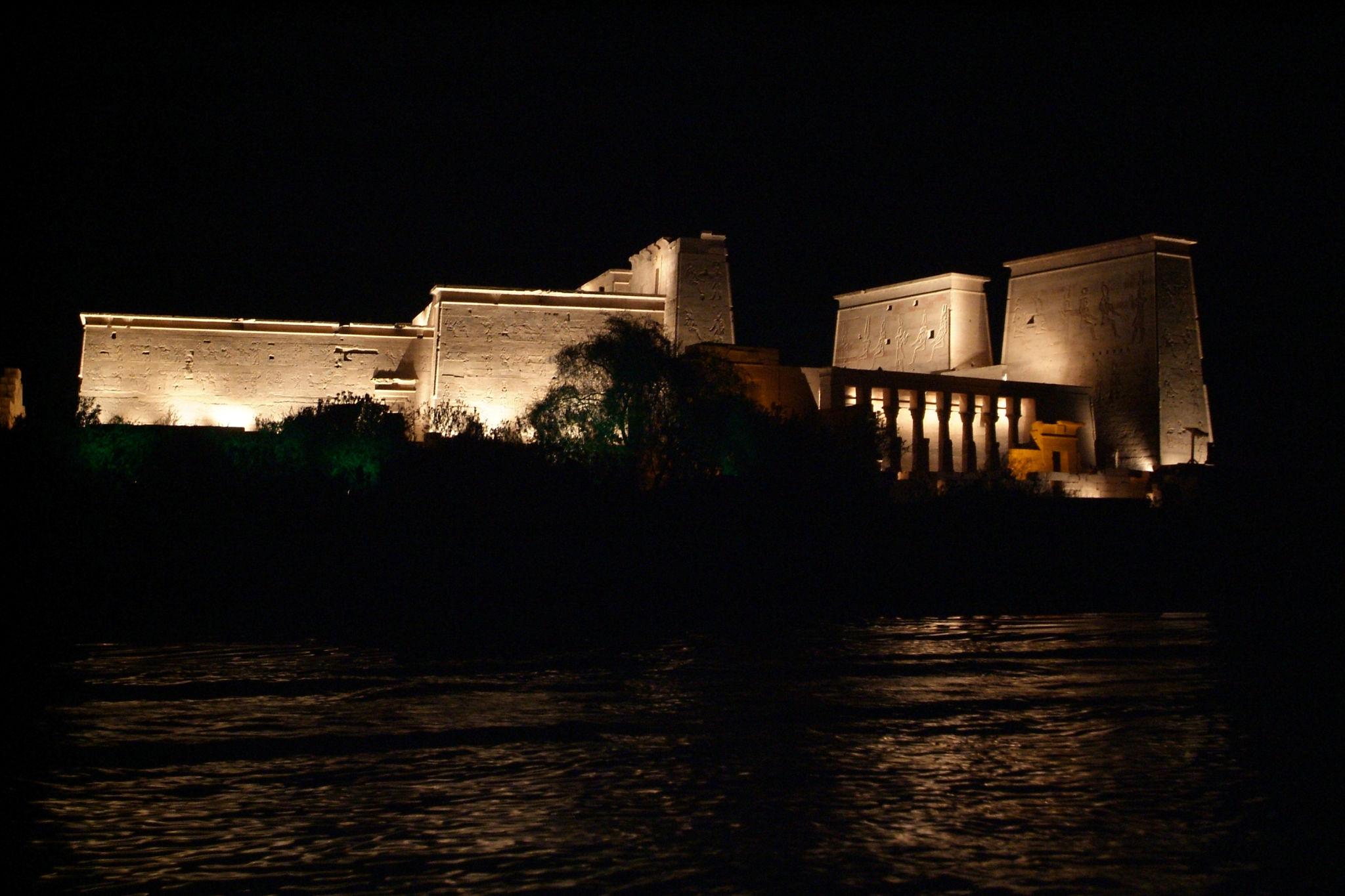
Set on Agilkia Island, this beautifully preserved Ptolemaic temple was dedicated to the goddess Isis. Reach it by motorboat from the Aswan Dam. The evening Sound & Light Show, viewed from the water, is one of the most atmospheric in Egypt.
Nubian Villages
Cross the Nile to visit the colorful Nubian villages on the West Bank or Elephantine Island. The houses are painted in bright blues, yellows, and oranges. Experience genuine Nubian hospitality — taste hibiscus tea, play with baby crocodiles, and learn about this ancient culture that predates the pharaohs.
Unfinished Obelisk & Quarries
The ancient granite quarries hold the Unfinished Obelisk — a 42-meter monument (the largest ever attempted) abandoned when a crack appeared during carving. It provides fascinating insight into how ancient Egyptians quarried stone, and would have weighed over 1,100 tonnes if completed.
Felucca Sailing & Nile Islands
Aswan has the most beautiful stretch of the Nile — dotted with islands and granite boulders. Take a felucca to Elephantine Island (with its ancient ruins and Nilometer), Kitchener's Island (a lush botanical garden), or simply sail around the islands at sunset.
Abu Simbel Day Trip
A 3-hour drive (or 1-hour flight) south brings you to Ramesses II's twin temples at Abu Simbel — one of Egypt's most awe-inspiring sights. Most visitors join the early-morning convoy departing at 4 AM to arrive at sunrise. The temples were famously relocated in the 1960s to save them from Lake Nasser's rising waters.
Key Monuments
Abu Simbel Temples
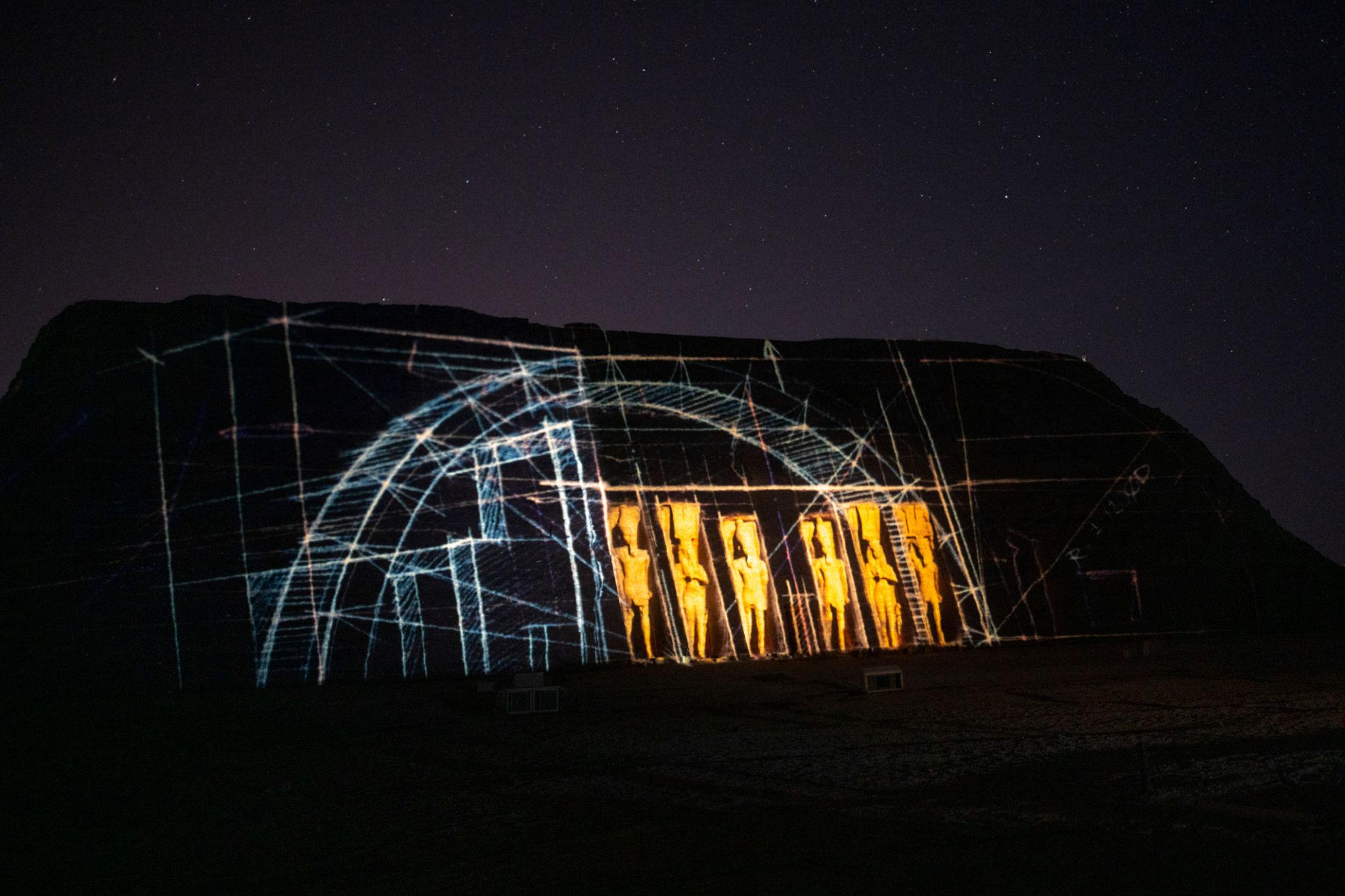
Two massive rock-cut temples of Ramesses II — a masterpiece of ancient engineering.
5 AM – 6 PMPhilae Temple (Temple of Isis)
The romantic island temple of Isis — set on a beautiful island in the Nile near Aswan.
7 AM – 4 PM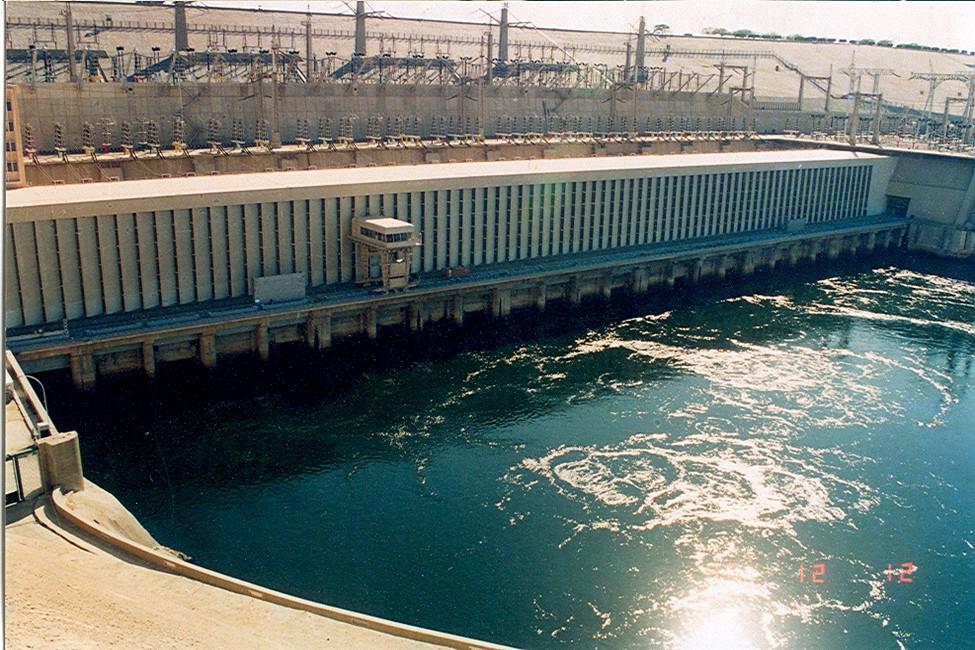
Aswan High Dam
The modern engineering marvel that tamed the Nile — creating Lake Nasser and transforming Egypt.
7 AM – 5 PM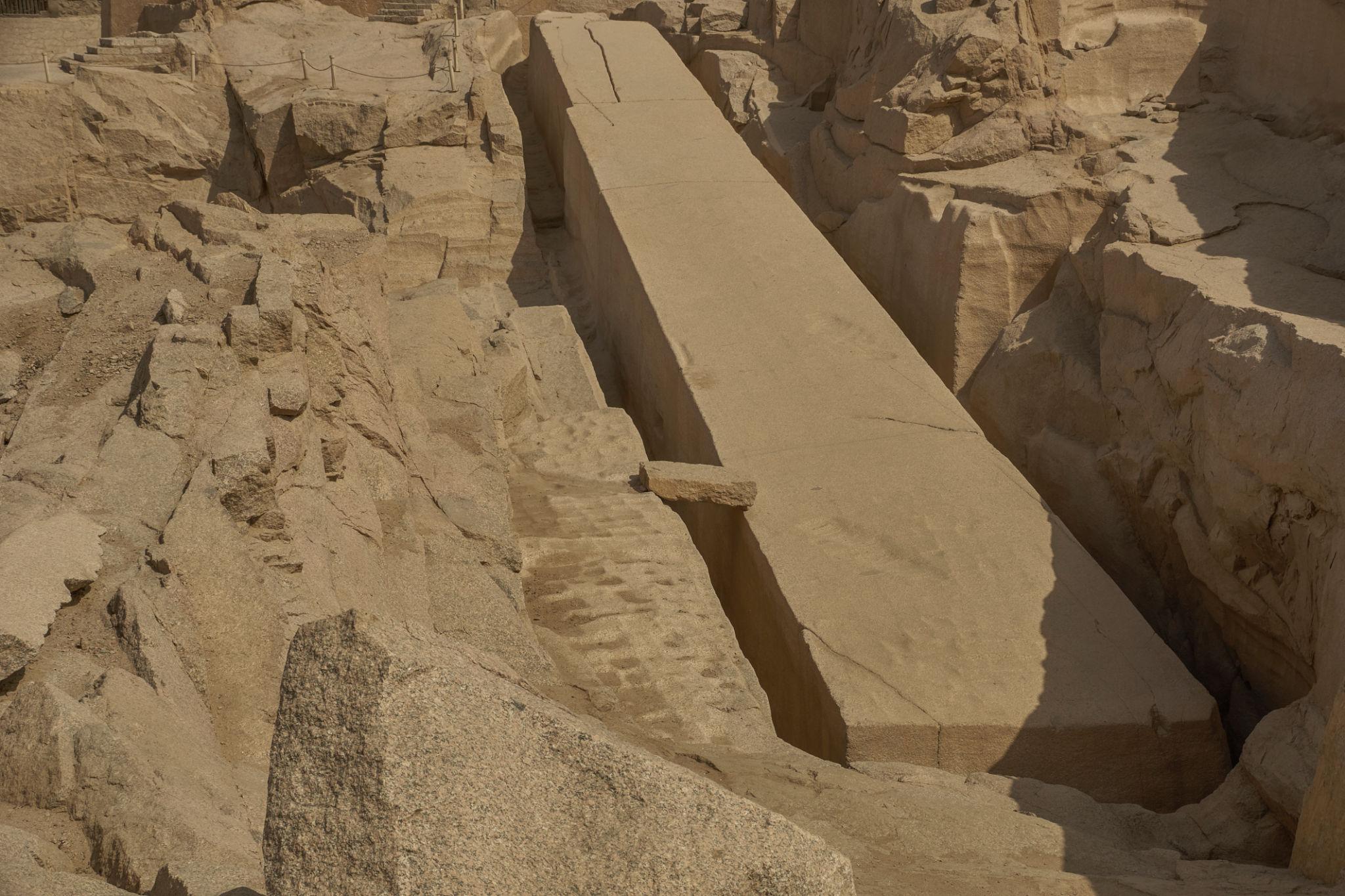
Unfinished Obelisk
An abandoned giant in a granite quarry — revealing exactly how the ancient Egyptians carved obelisks.
7 AM – 5 PM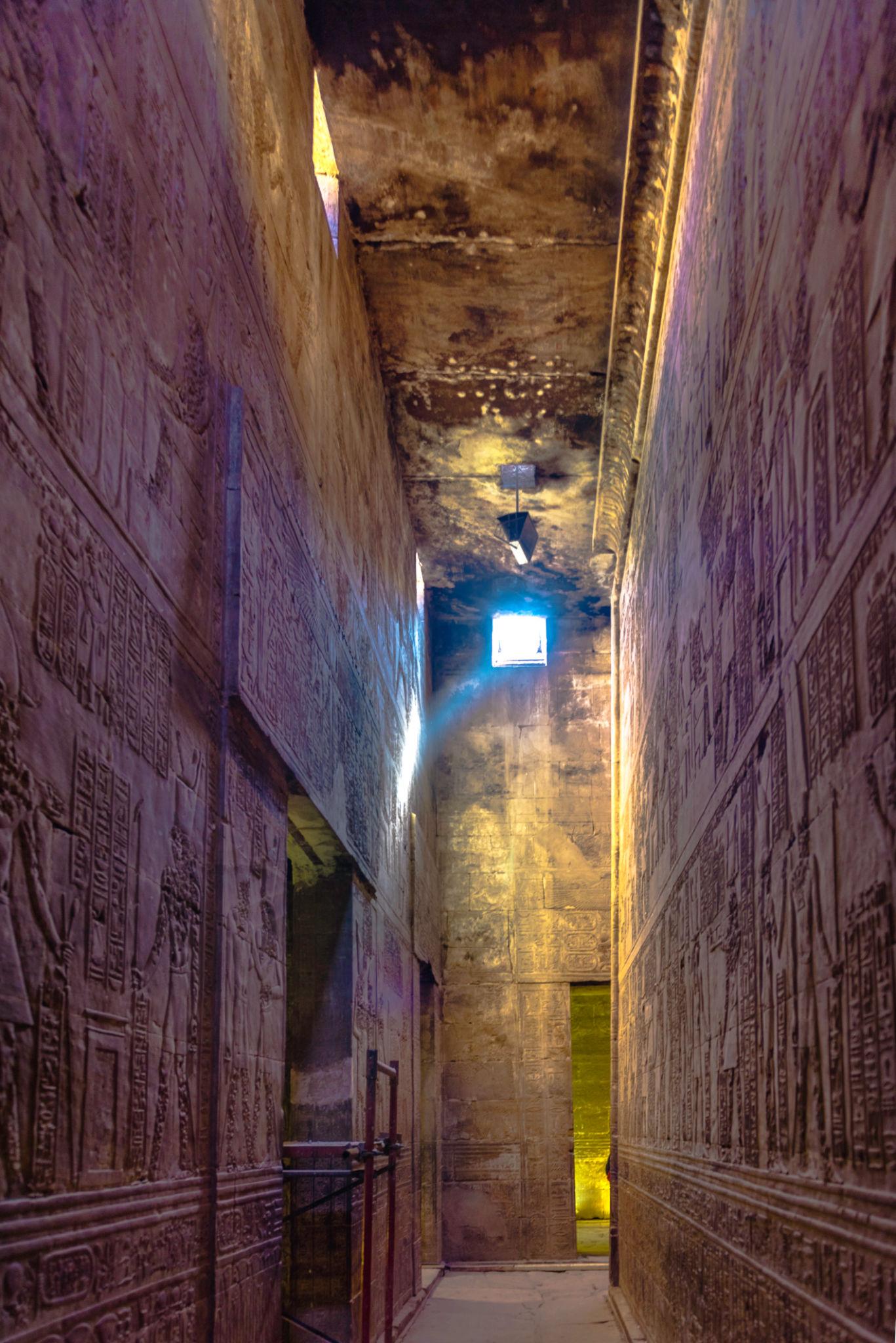
Temple of Horus at Edfu
The best-preserved ancient temple in Egypt — a colossal monument to the falcon god Horus.
6 AM – 5 PM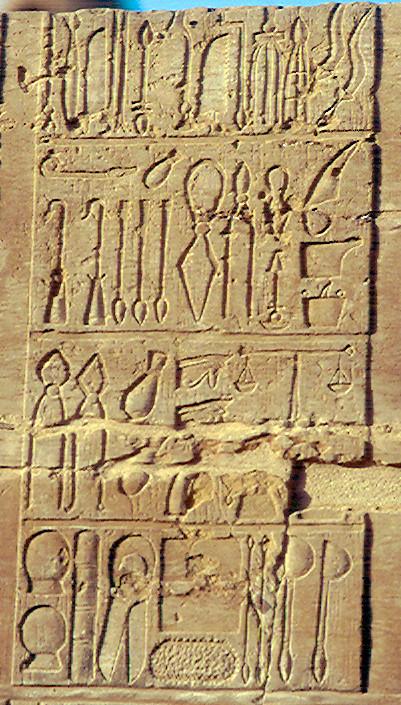
Kom Ombo Temple
A unique double temple dedicated to two gods — perched on a scenic bluff overlooking the Nile.
6 AM – 9 PMFood & Dining
Nubian Cuisine
Nubian food has its own distinct character. Try okra stew with grilled fish fresh from the Nile, or shiyata (sun-dried meat stewed with tomatoes and onions). Dates and hibiscus are central to Nubian cooking. Freshly grilled Nile perch is a local specialty available at waterside restaurants.
Waterside Dining
The Aswan Corniche is lined with restaurants offering Nile views. The Old Cataract Hotel's 1902 Restaurant (where Agatha Christie wrote part of 'Death on the Nile') is a legendary fine-dining experience. For more casual fare, the floating restaurants near the ferry landing serve fresh fish and grilled meats.
Best Time to Visit
October to March offers the most comfortable weather, with daytime temperatures of 25–32°C (77–90°F). Aswan is one of the driest cities on Earth and significantly hotter than Cairo or Luxor. Summer temperatures routinely exceed 40°C (104°F) — visiting between June and August is not recommended for most travelers. February 22 and October 22 are special dates when sunlight penetrates the inner sanctuary of Abu Simbel's Great Temple, illuminating the statues of the gods.
Getting Around
Aswan is small and relaxed compared to Cairo or Luxor. The Corniche along the Nile is walkable and connects most hotels and restaurants. Taxis and tuk-tuks are cheap and readily available. To reach the West Bank and Nubian villages, take the public ferry or arrange a private motorboat. For Philae Temple, boats depart from the dock near the Low Dam. The Abu Simbel trip requires either joining a convoy (departing 4 AM), booking a private car, or taking the short EgyptAir flight.
Pro Tips
- The Nubian villages are best visited in the late afternoon when the light is golden and the heat subsides
- Bargain firmly but fairly for felucca rides — agree on duration and price before boarding
- If visiting Abu Simbel by road, the 4 AM departure is worth it — you arrive at sunrise with relatively few tourists
- The Old Cataract Hotel terrace is open to non-guests for drinks — an unforgettable sunset spot
- Bring a hat and high-SPF sunscreen — Aswan's sun is relentless, even in winter
- The Philae Sound & Light Show is the best in Egypt — try to attend on a night with a clear sky
Key Locations
- Philae Temple24.0226, 32.8841
- Aswan High Dam23.9708, 32.8781
- Unfinished Obelisk24.0774, 32.8975
- Temple of Horus (Edfu)24.9781, 32.8734
- Kom Ombo Temple24.4522, 32.9283
Need help planning your trip?
Our Egypt travel experts can create a custom itinerary tailored to your interests.
Get in Touch