The largest ancient religious site in the world — a vast temple city built over 2,000 years.
6 AM – 5:30 PM600 EGP (foreign visitor); Sound & Light show 960 EGP25.7188, 32.6573
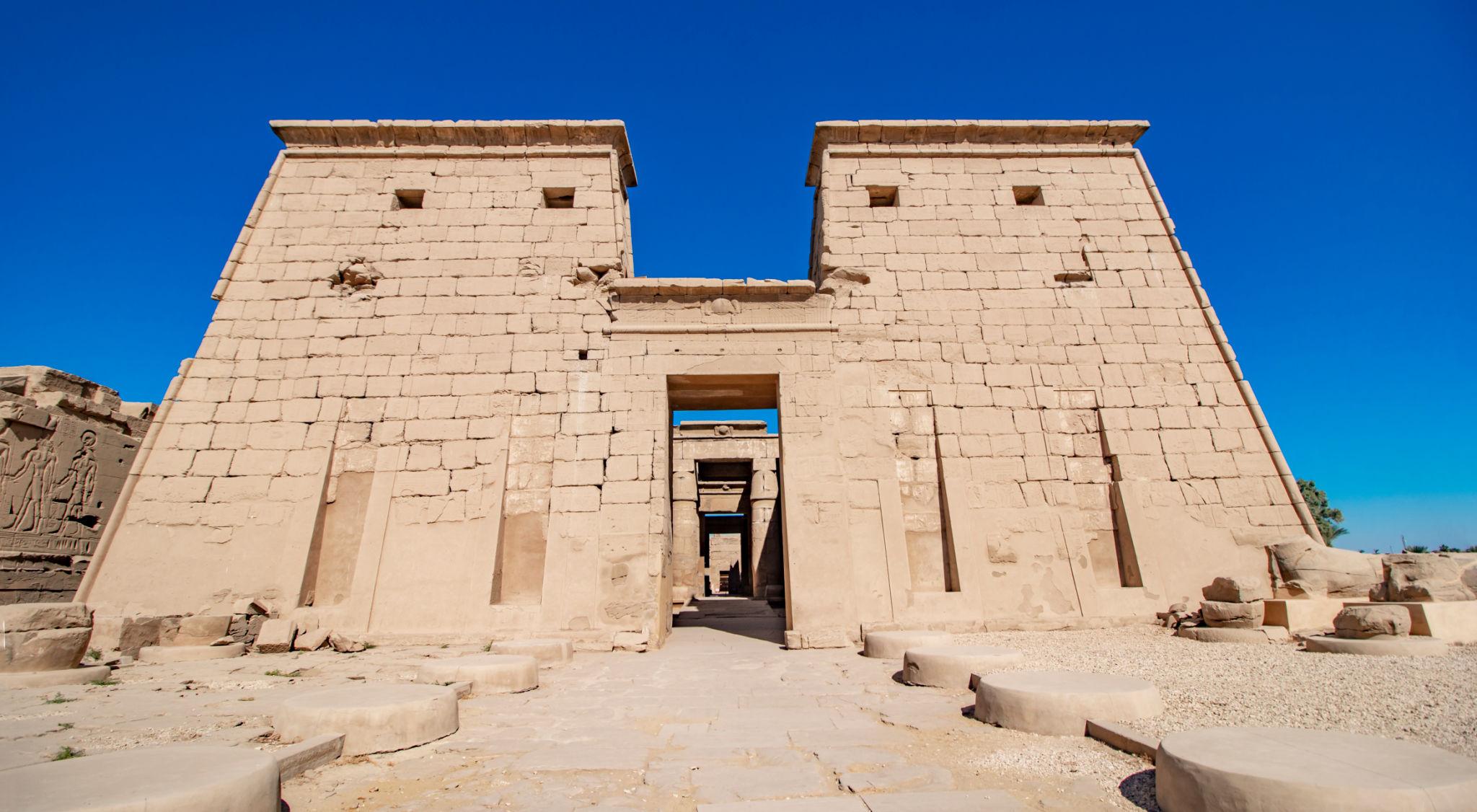
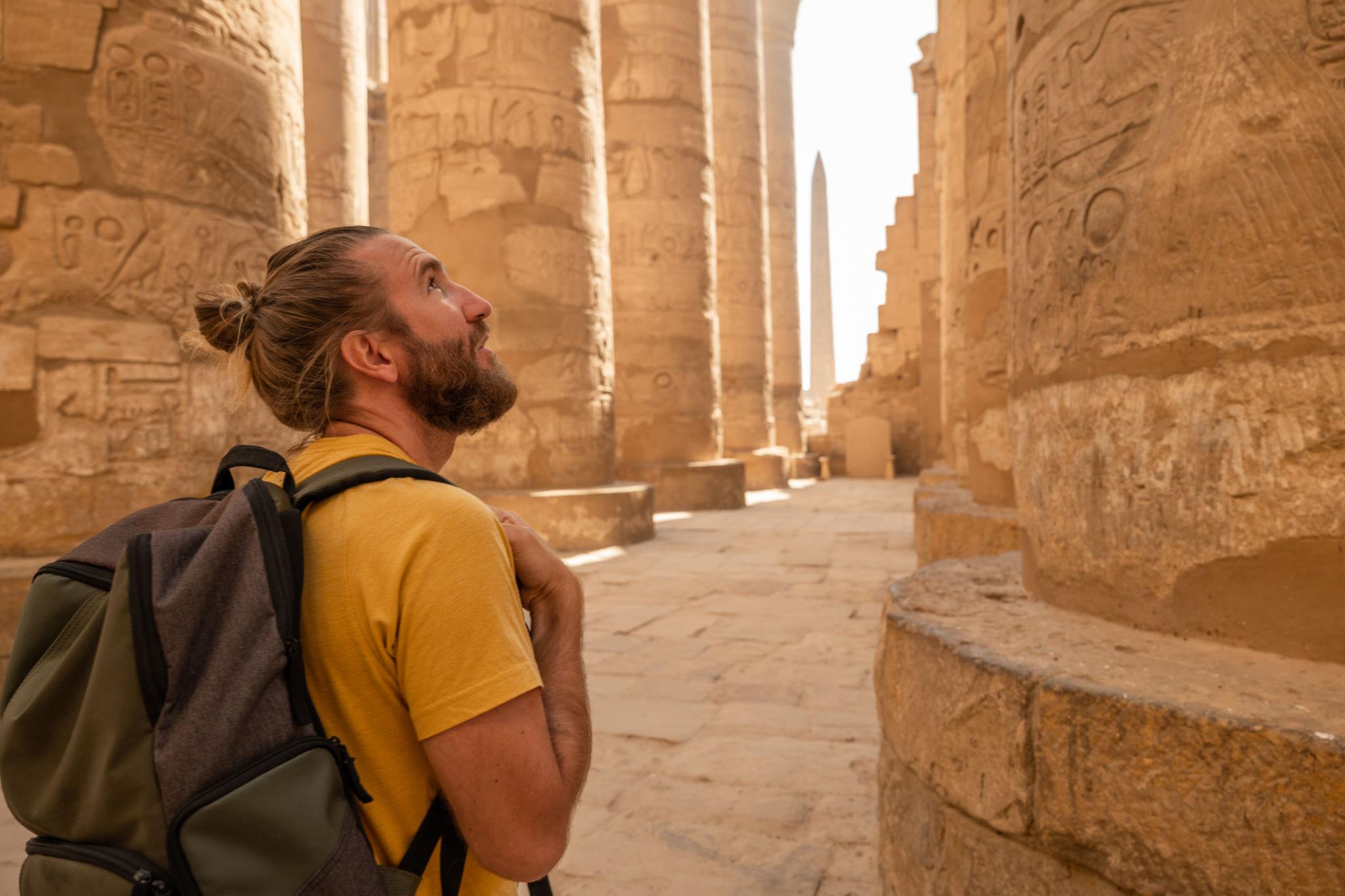
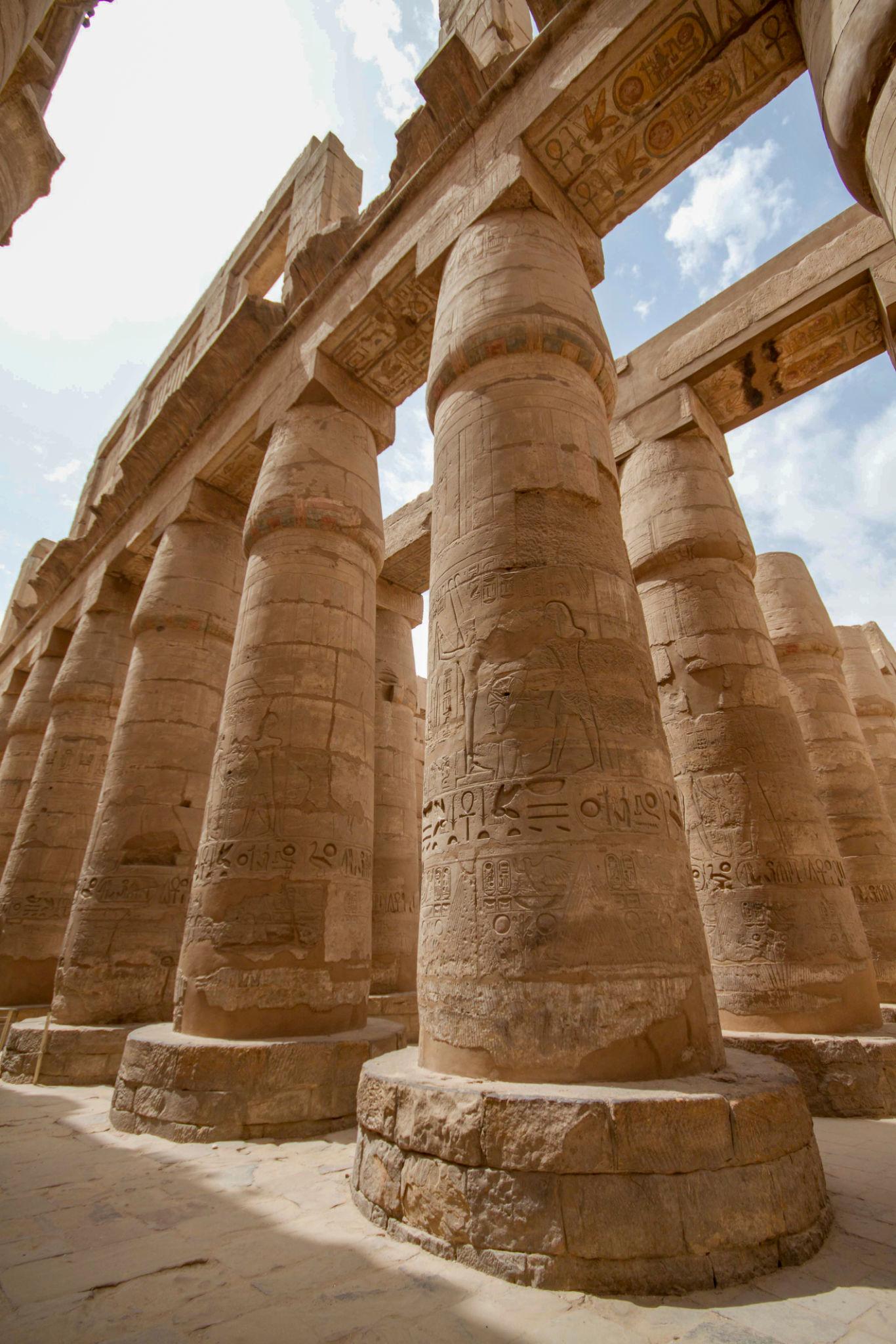
Karnak is a vast complex of temples, chapels, pylons, and other buildings built over a period of 2,000 years by around 30 different pharaohs. The Great Hypostyle Hall alone contains 134 massive columns arranged in 16 rows, with the central columns reaching 24 meters high. It is the second most visited site in Egypt after the Pyramids of Giza and remains one of the most impressive religious complexes ever constructed.
Gallery
Why Visit
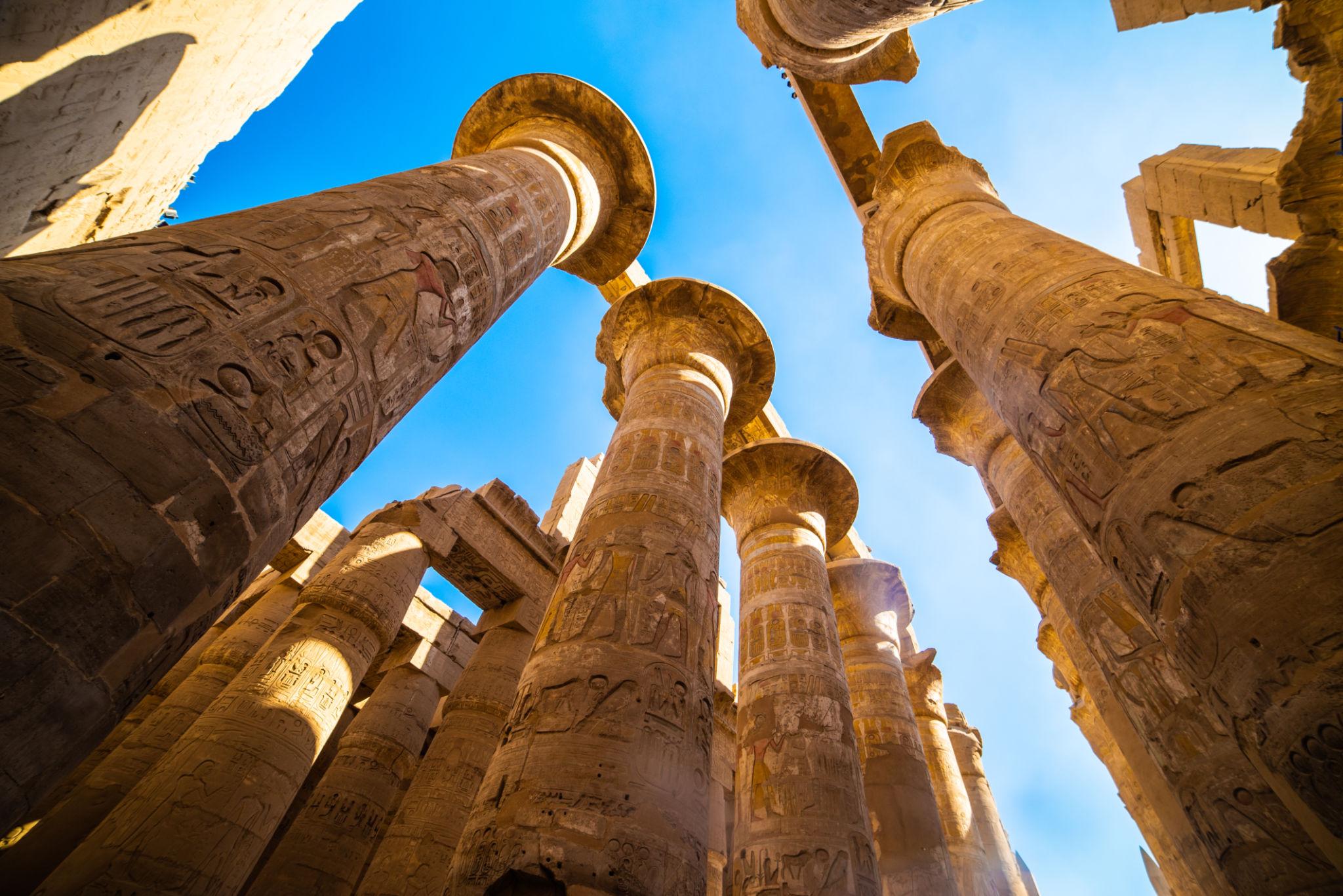
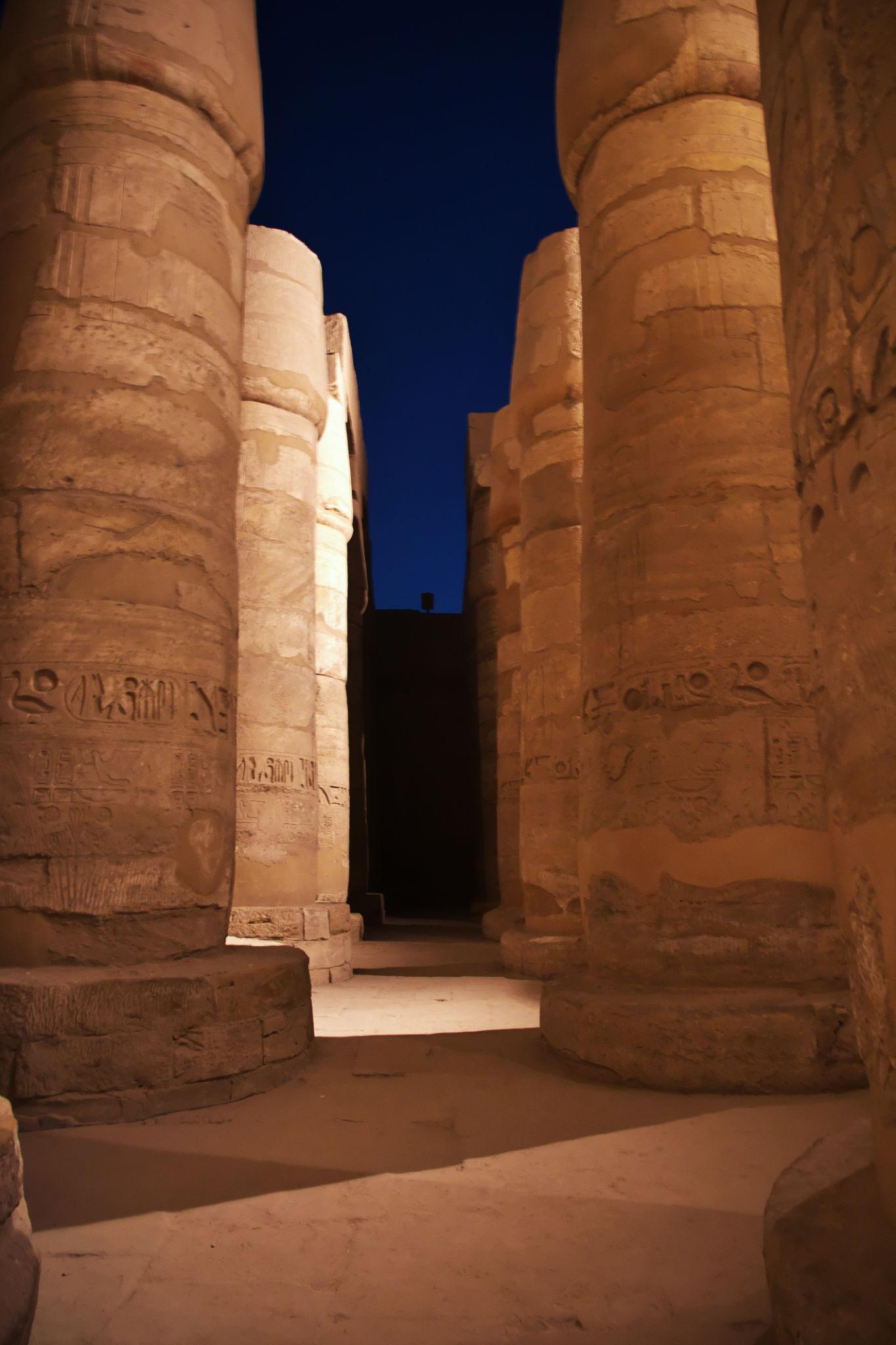
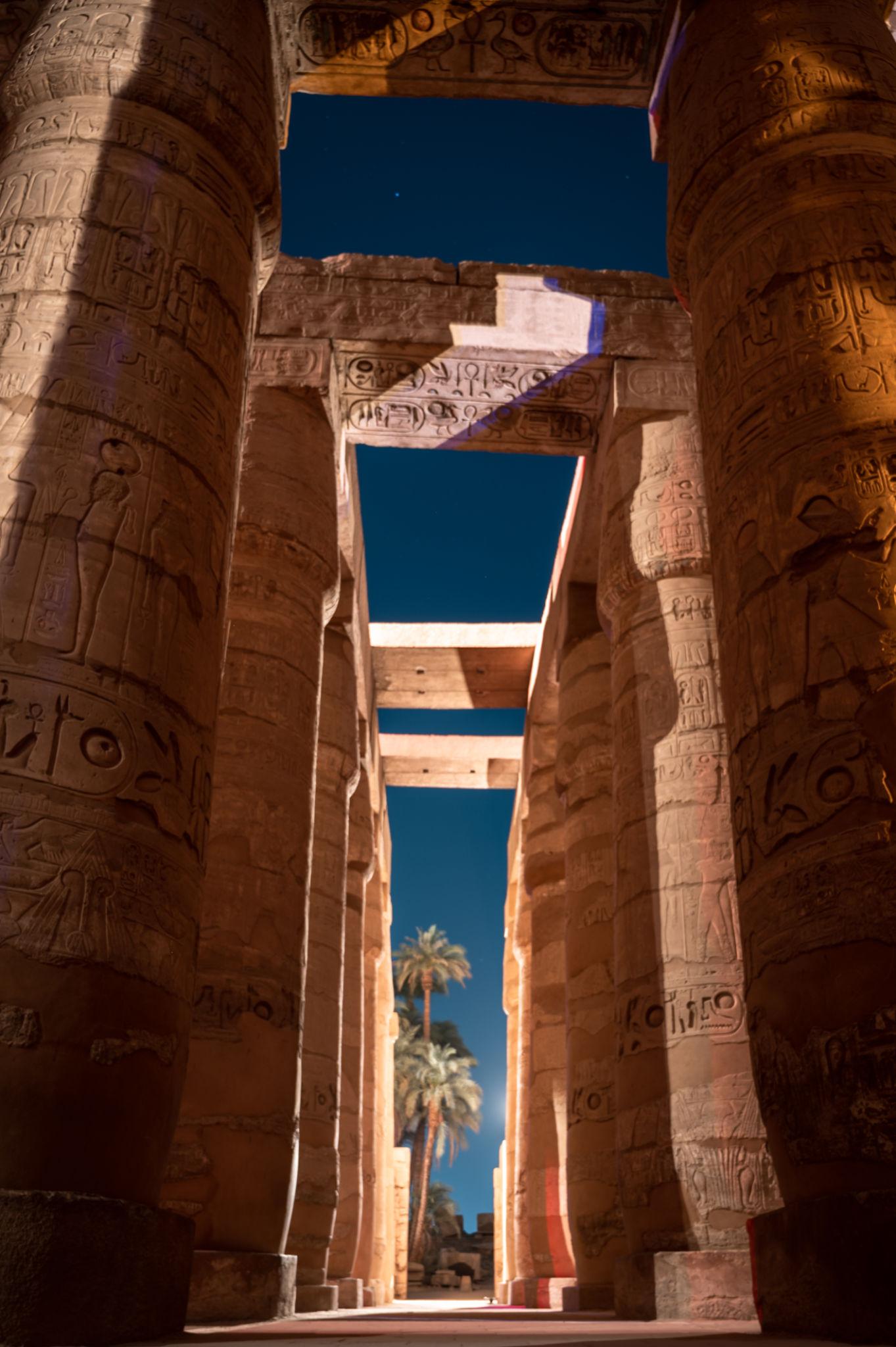
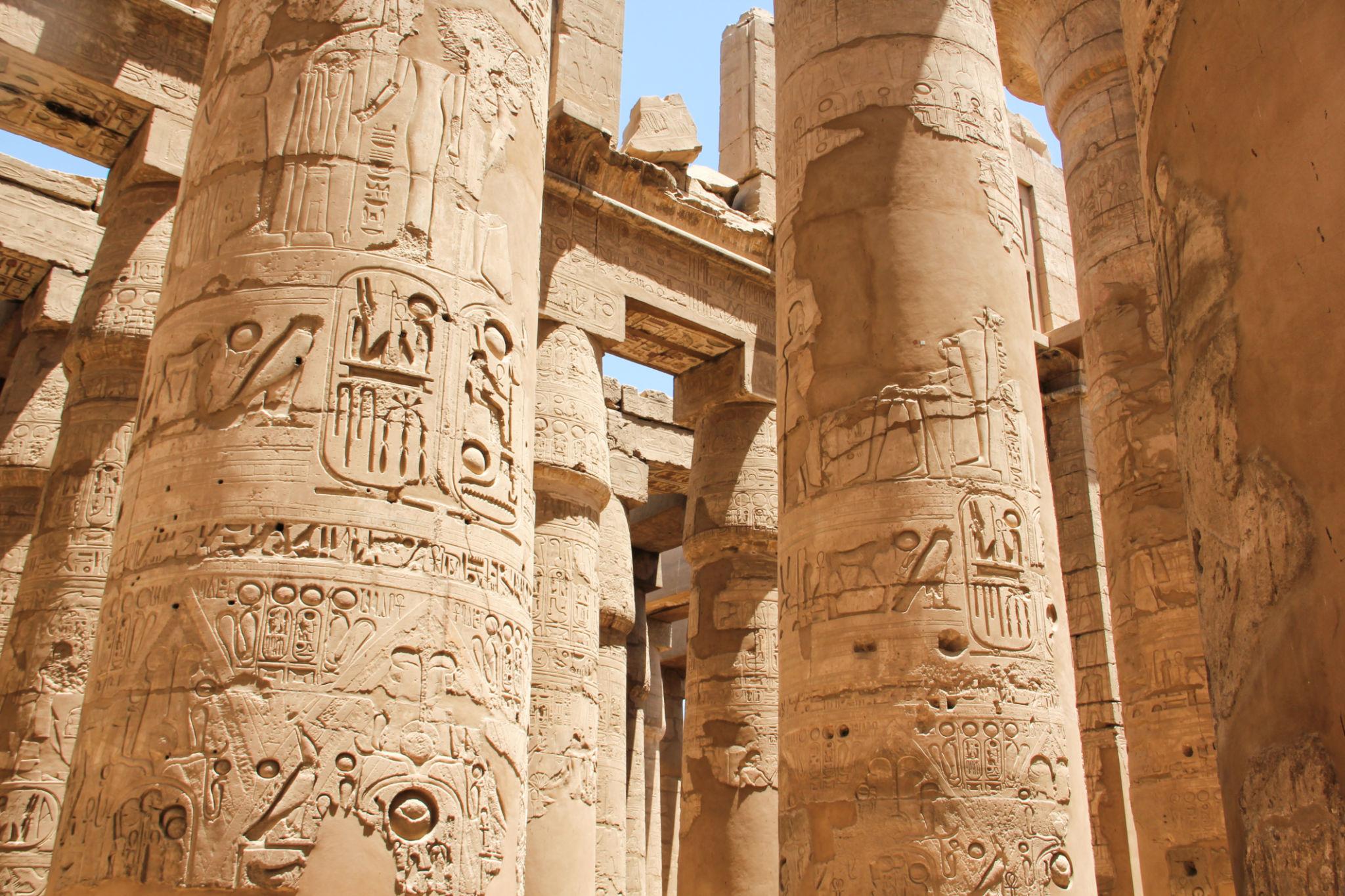
Walk through the forest of giant columns in the Hypostyle Hall
See 2,000 years of ancient Egyptian construction in one place
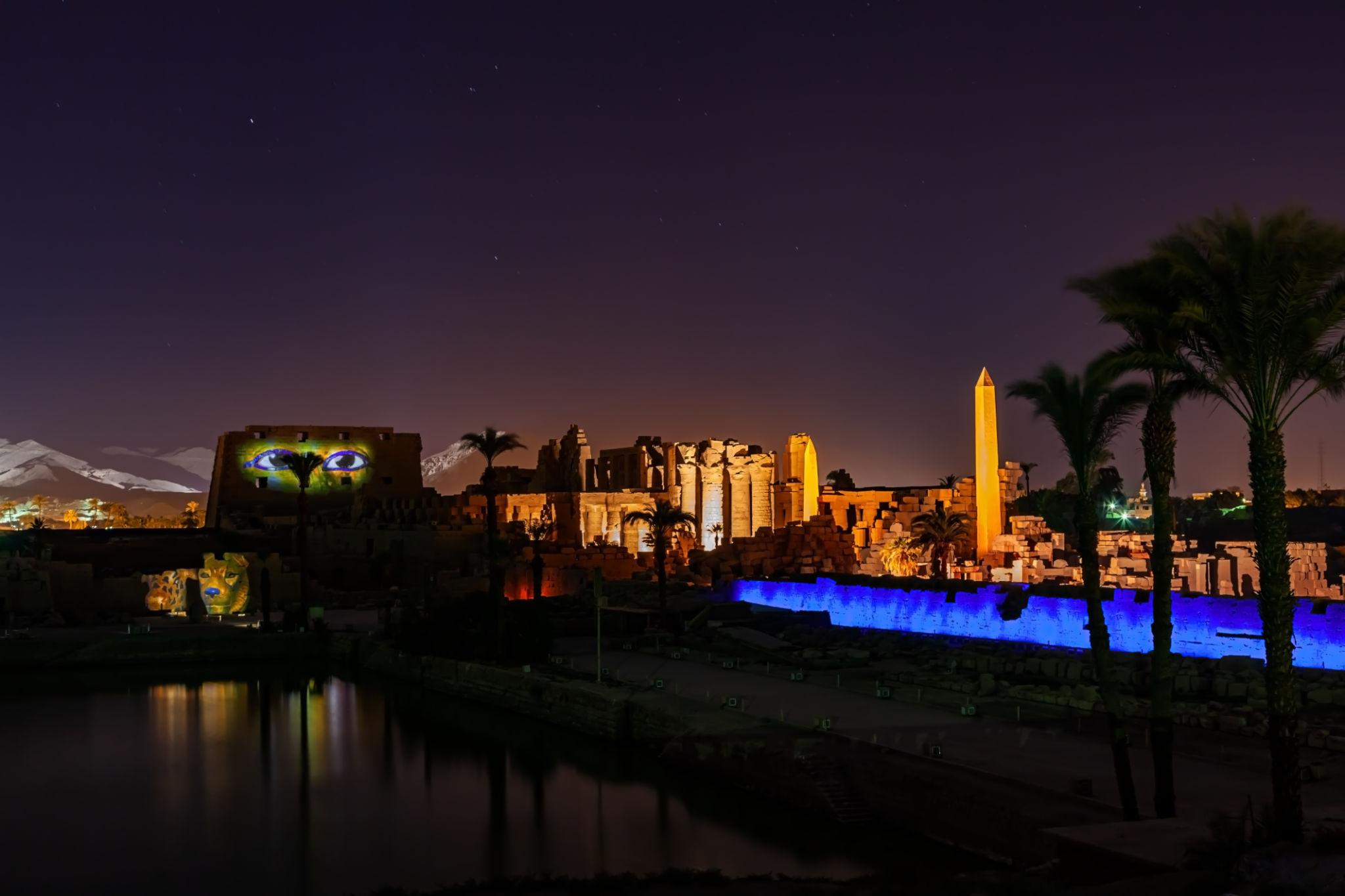
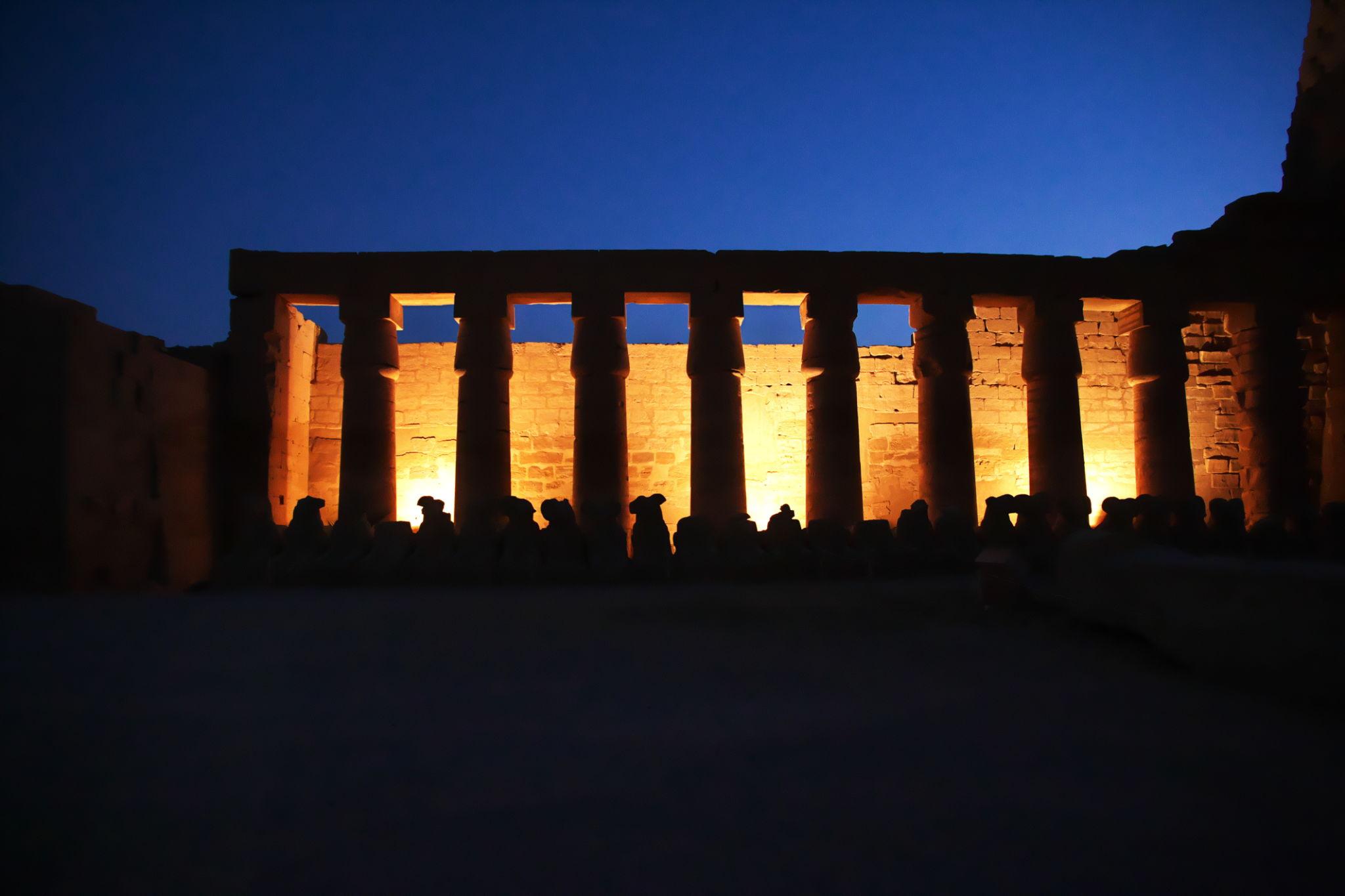
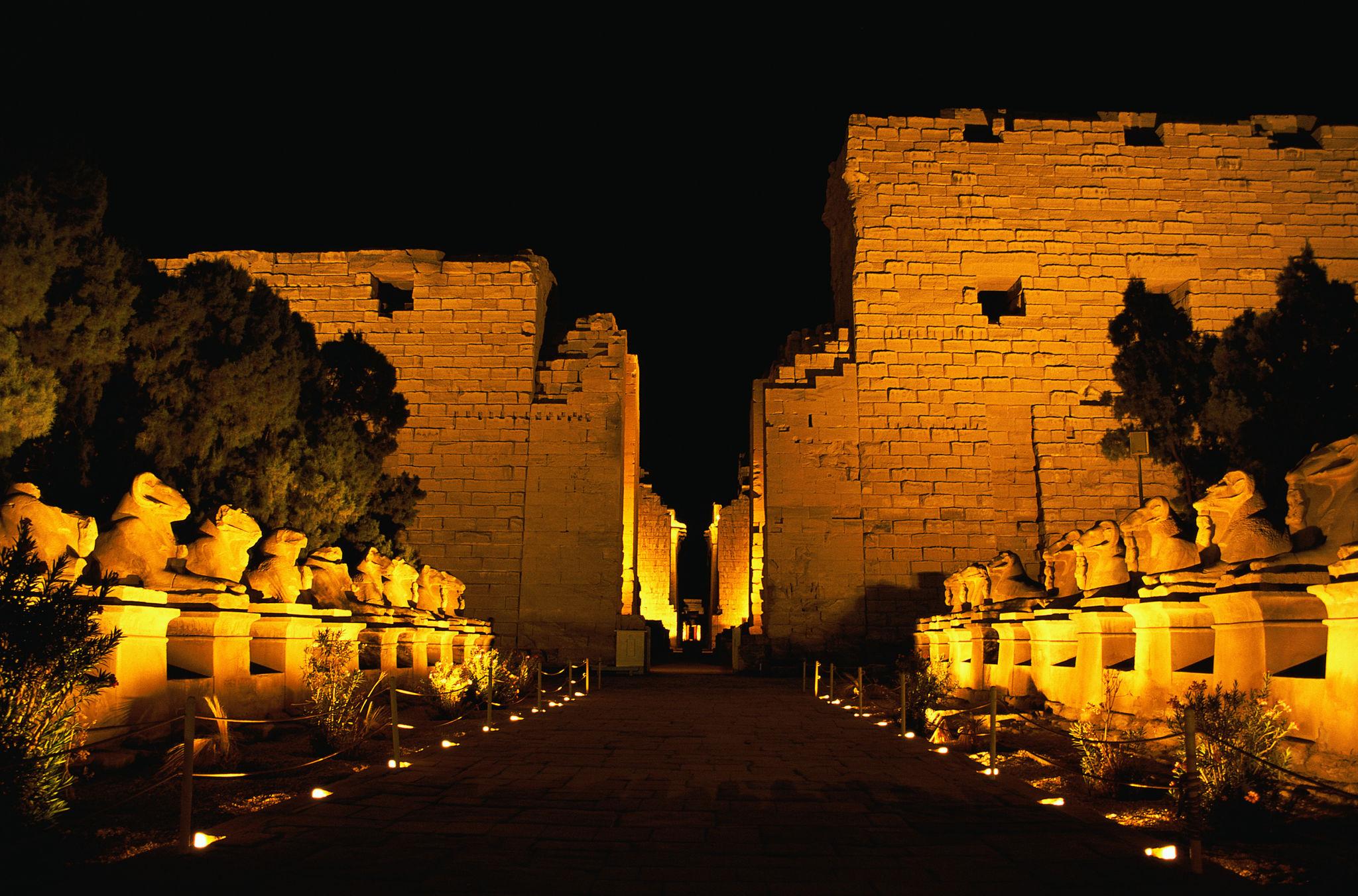
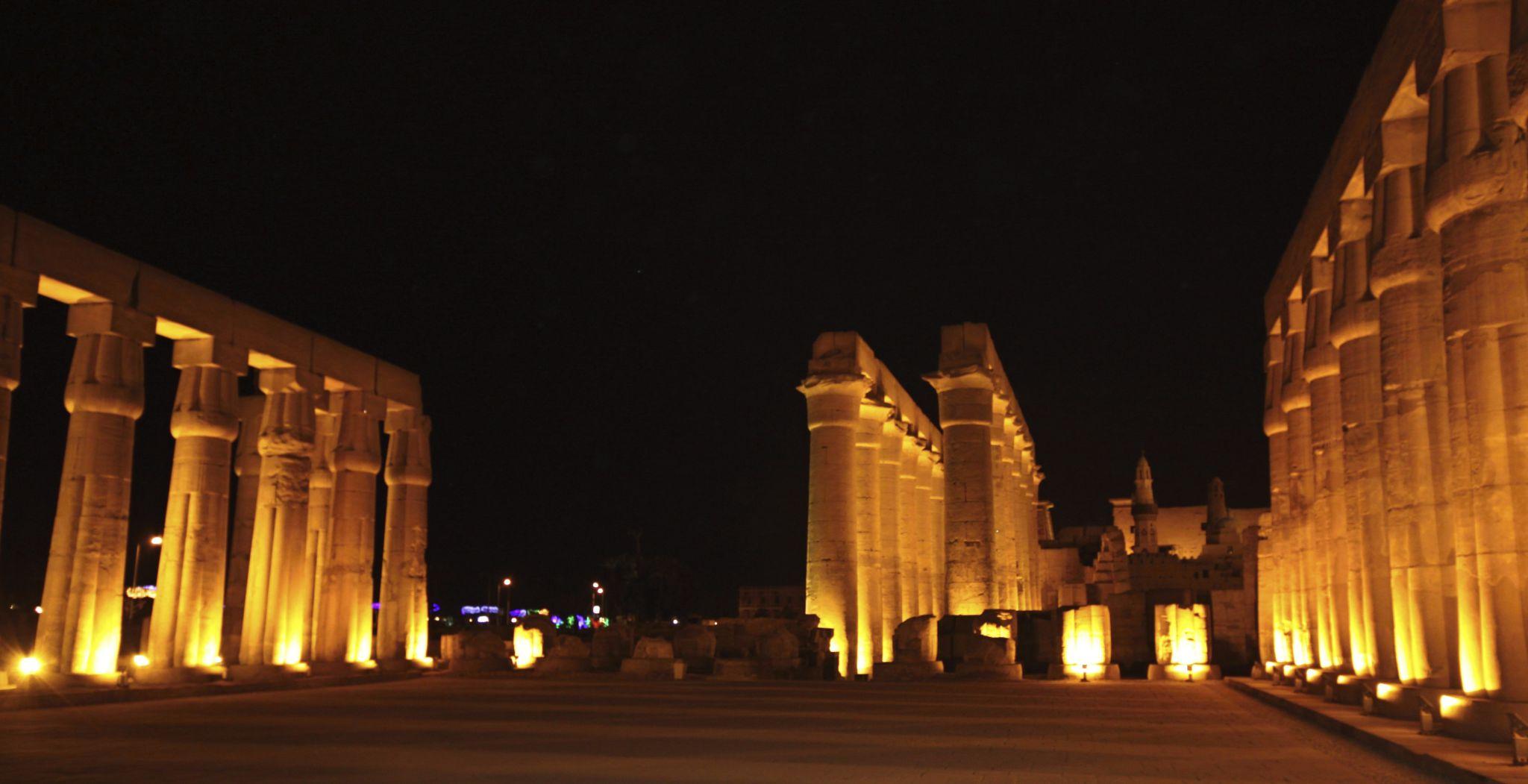
The Sound & Light Show brings the ruins to life after dark
What to See
Great Hypostyle Hall
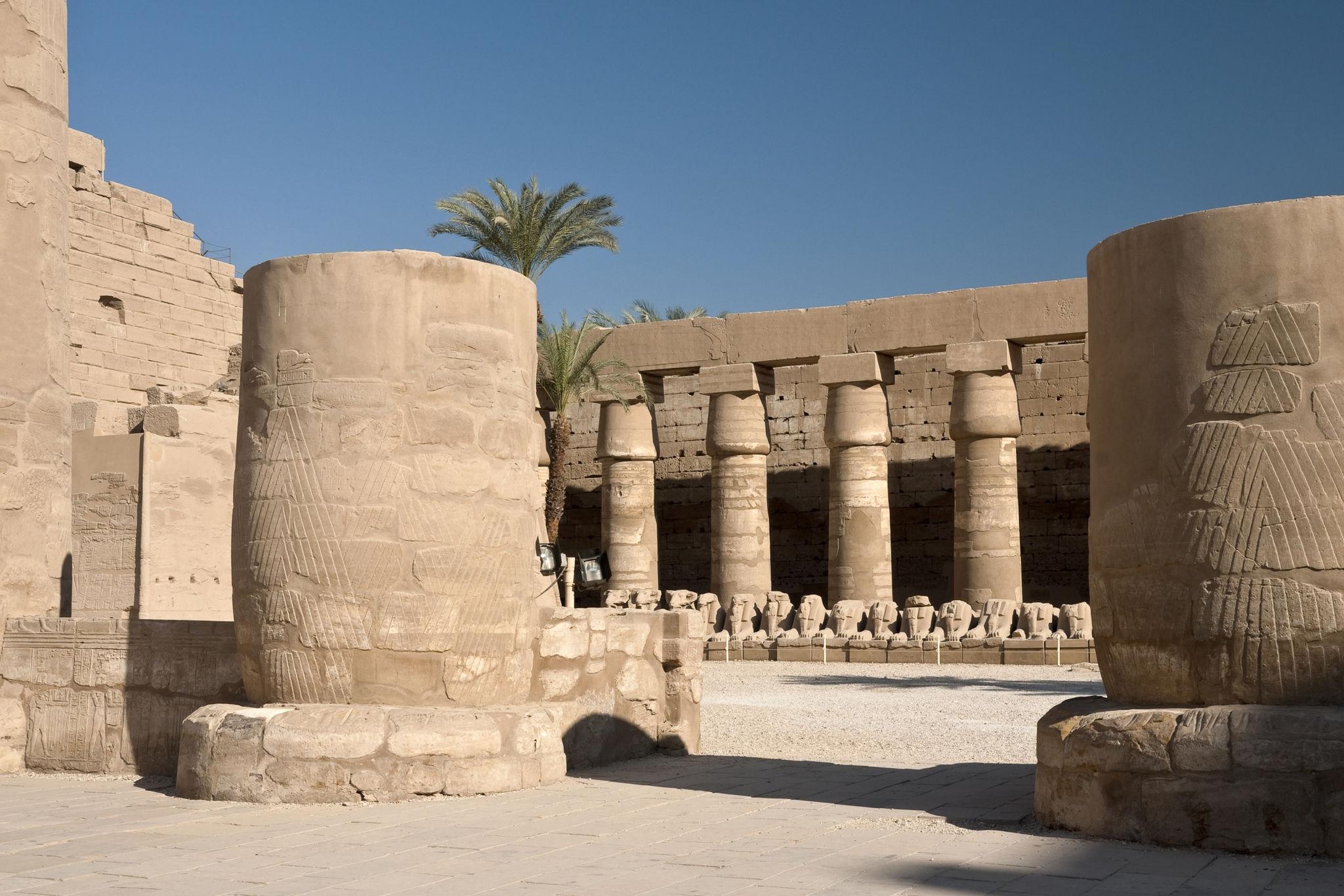
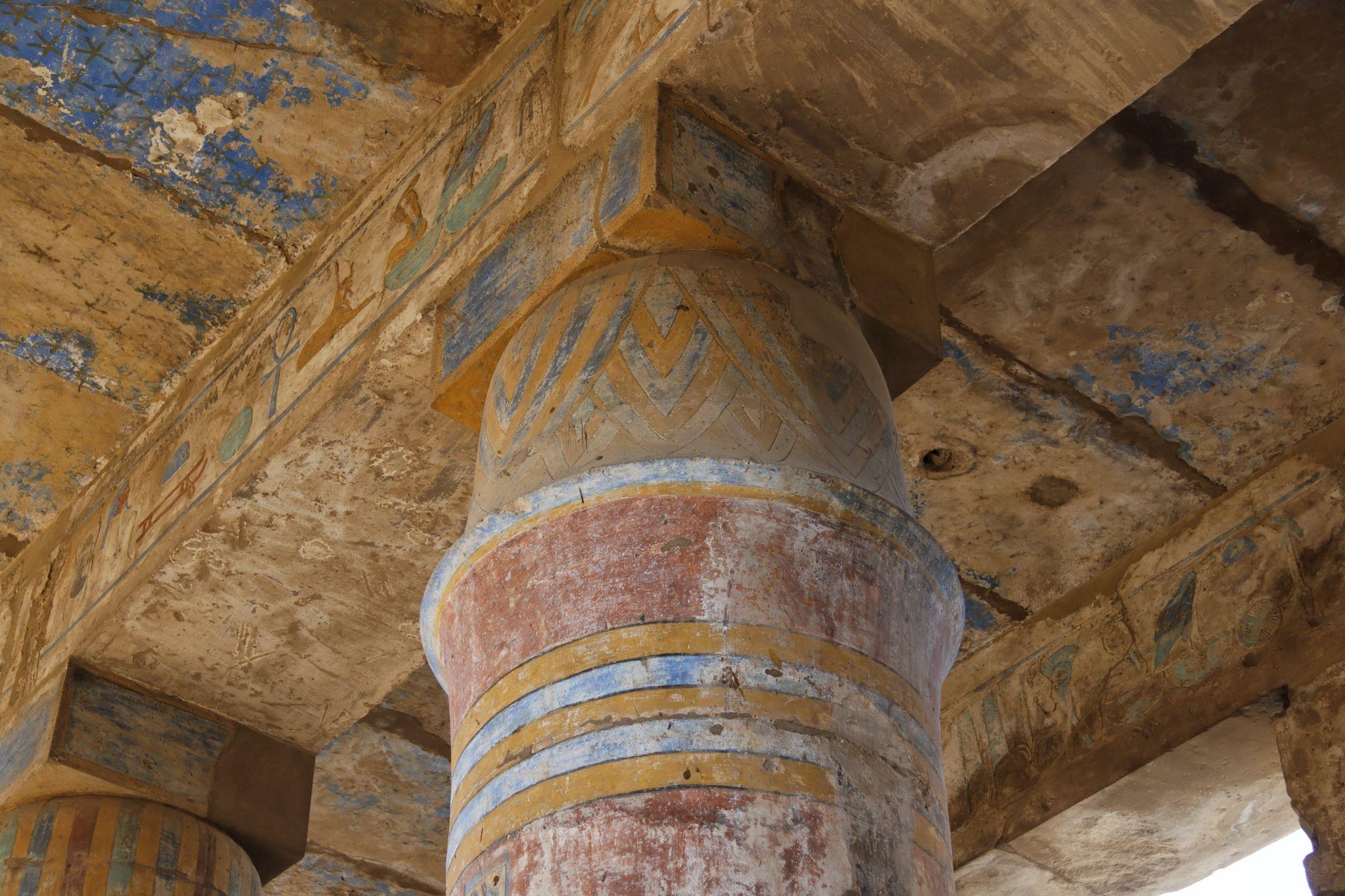
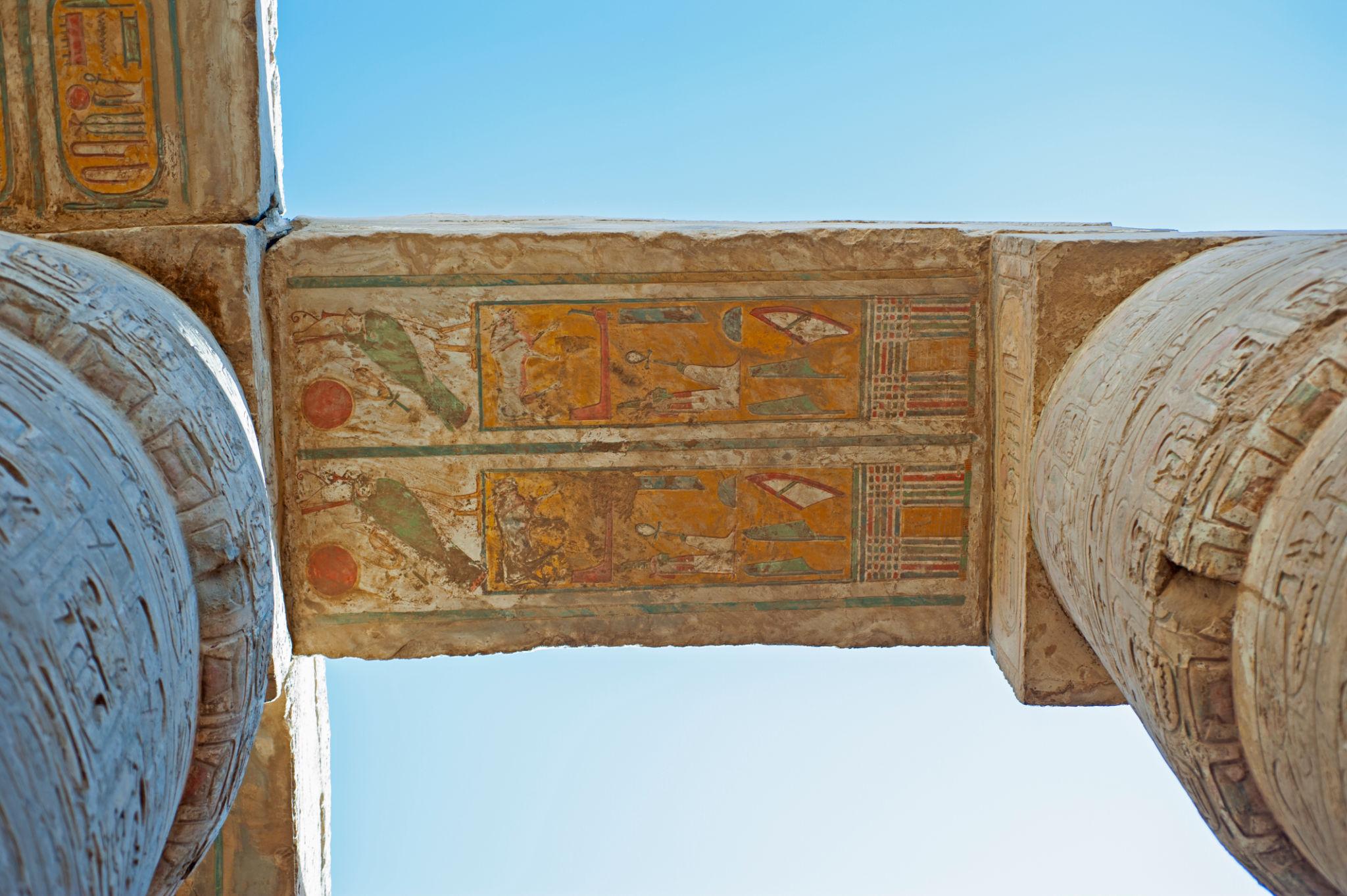
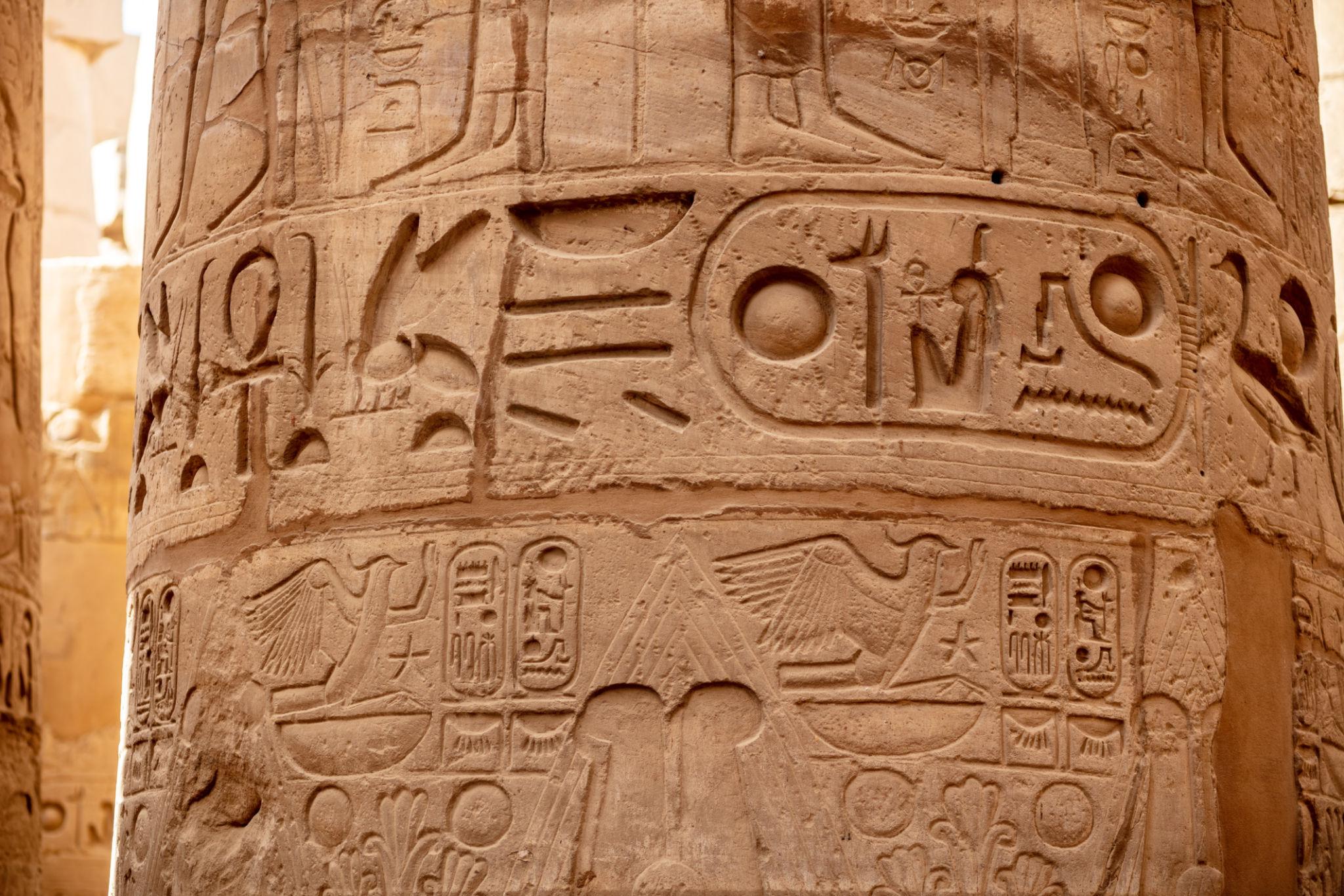
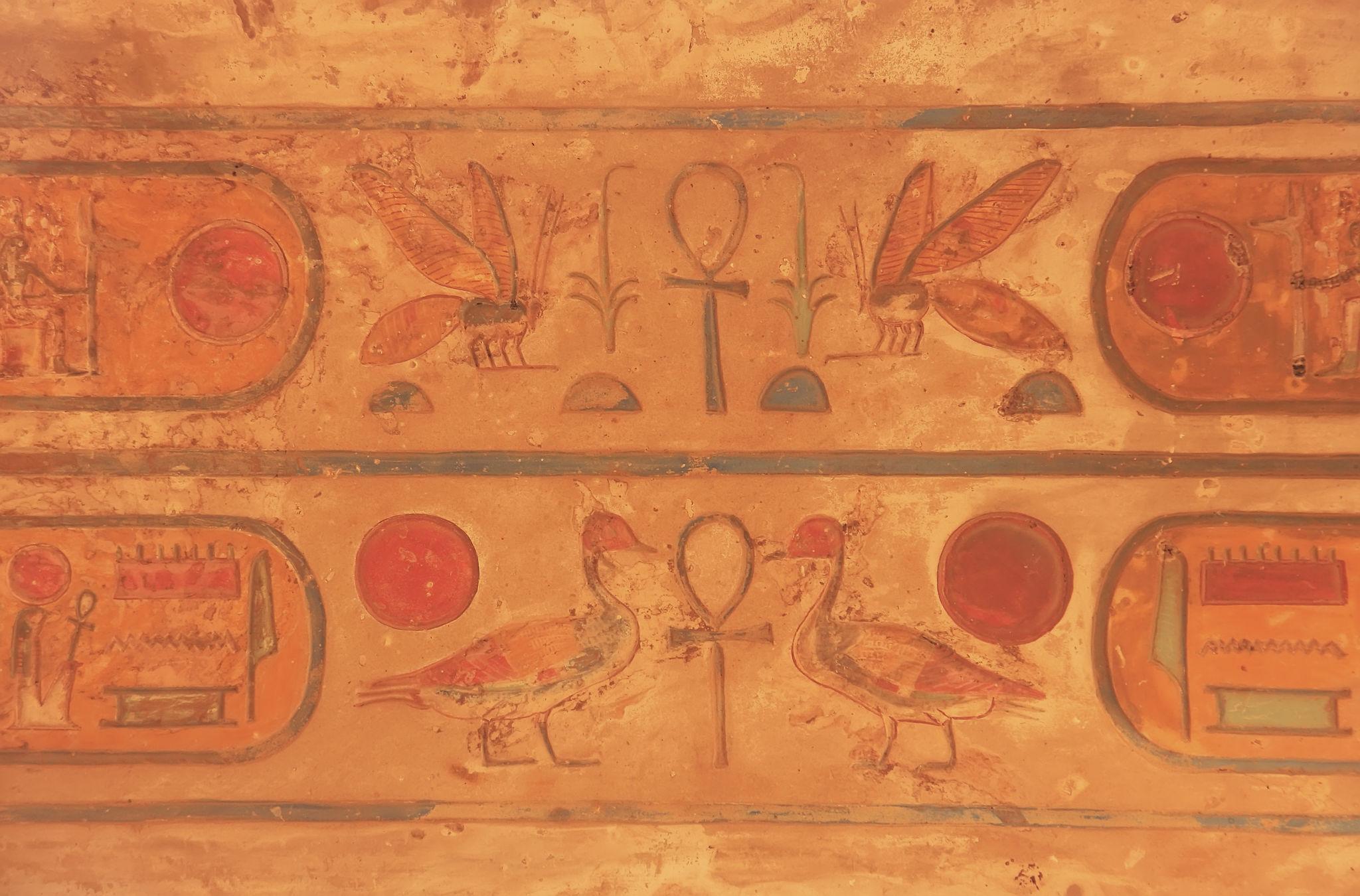
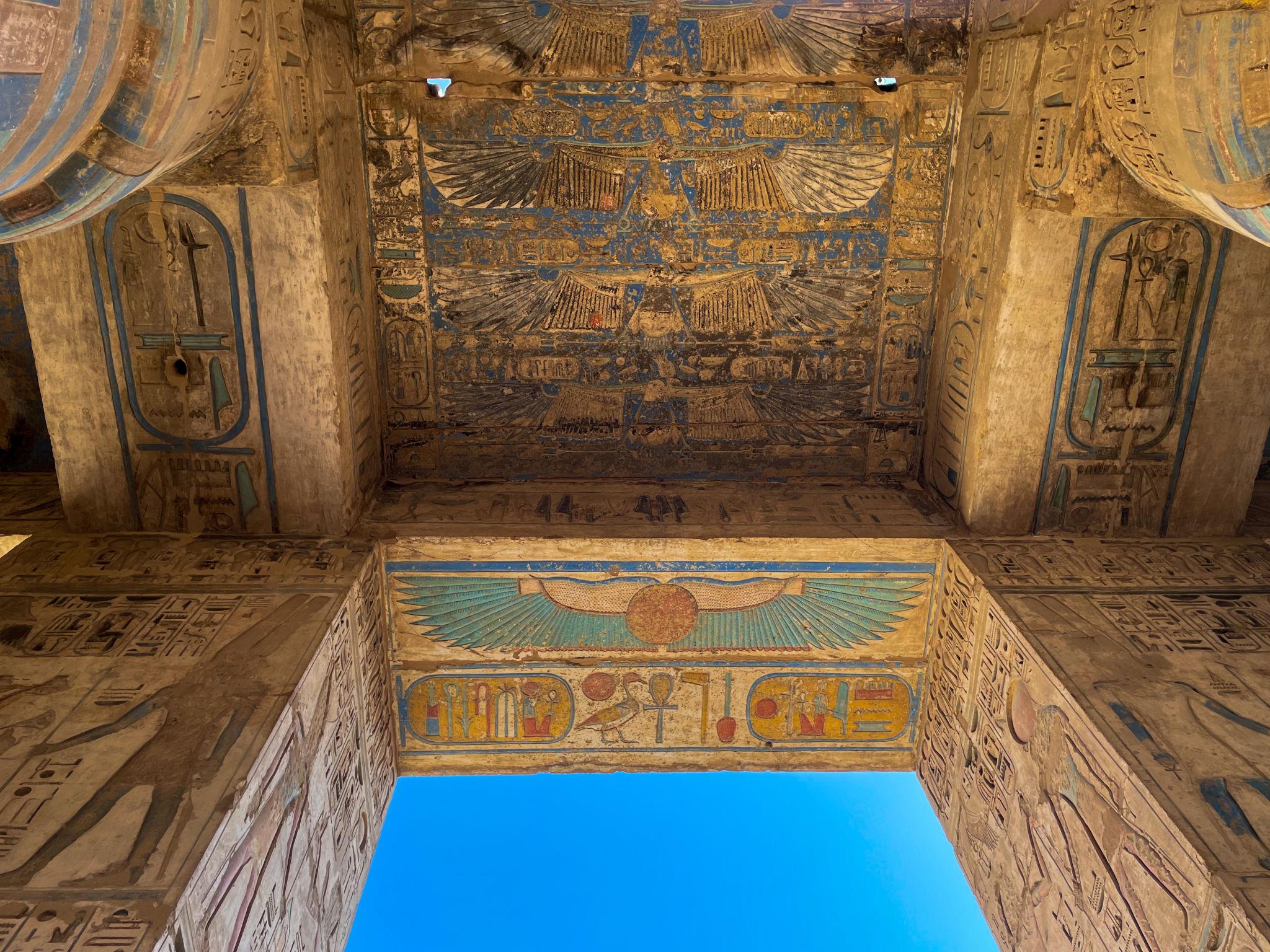
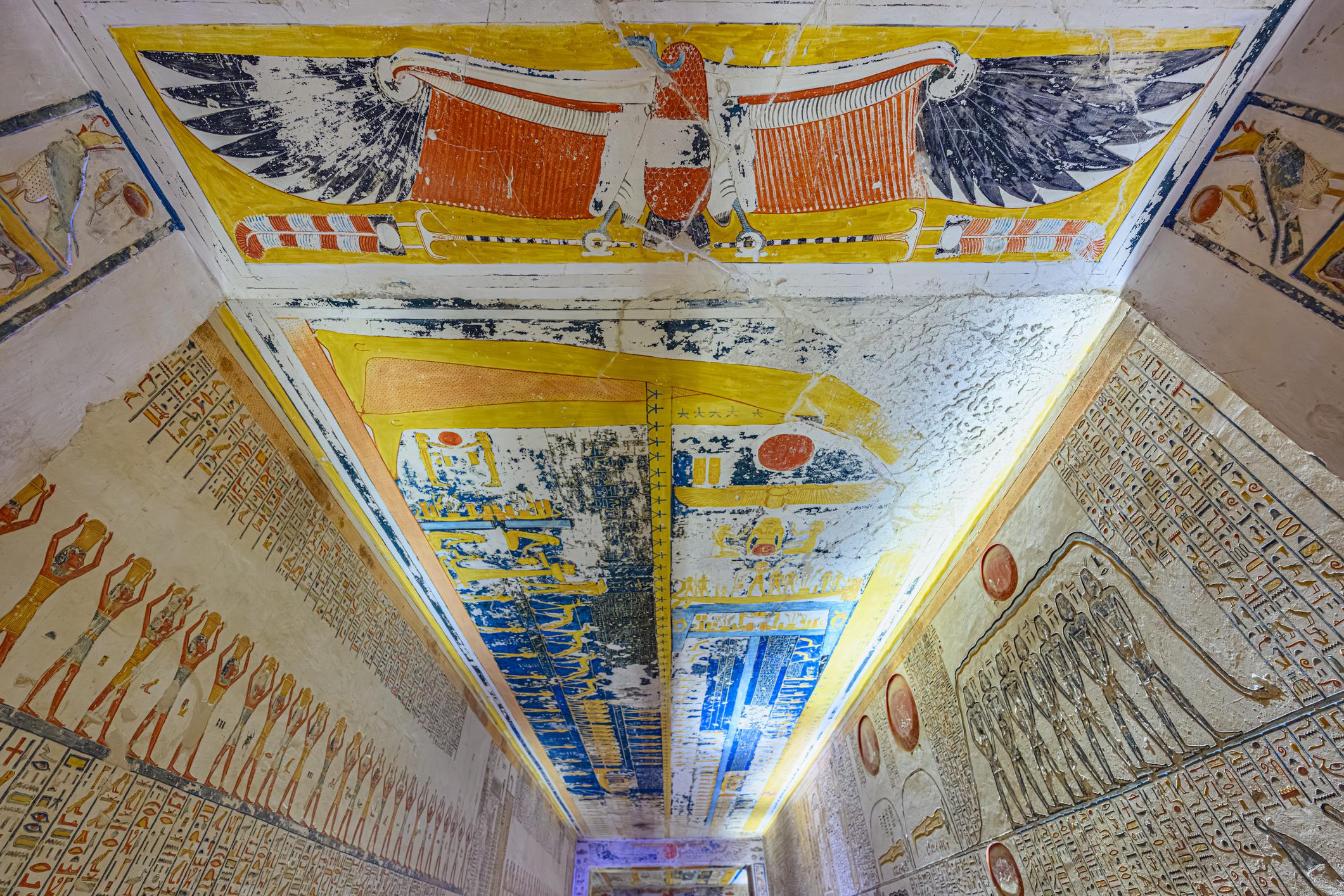
An awe-inspiring forest of 134 sandstone columns covering 5,000 square meters — the largest religious hall ever constructed in the ancient world. The 12 central columns stand 24 meters tall, topped with open papyrus-flower capitals wide enough for 50 people to stand on, while the surrounding 122 shorter columns bear closed papyrus-bud capitals. Originally the hall was roofed, and the height difference between the central and outer columns allowed clerestory windows to flood the interior with shafts of light, creating a dramatic interplay of illumination and shadow. Every surface is carved with intricate reliefs depicting religious rituals, pharaohs making offerings to the gods, and military campaigns — some still bearing traces of vivid original paint after 3,000 years.
Sacred Lake
A large rectangular artificial lake measuring 120 by 77 meters, used by the temple's priests for daily ritual purification before entering the sacred precinct to perform ceremonies. The lake was also the setting for ritual reenactments of mythological events, with model boats carrying statues of the gods across the water during festivals. A massive granite scarab beetle statue — sacred to the sun god Khepri — sits at the northwest corner, and local tradition holds that walking around it seven times brings good luck. Today the lake's stone-tiered banks serve as the amphitheater seating for Karnak's atmospheric Sound & Light Show, which transforms the ruins into a dramatic open-air theater after dark.
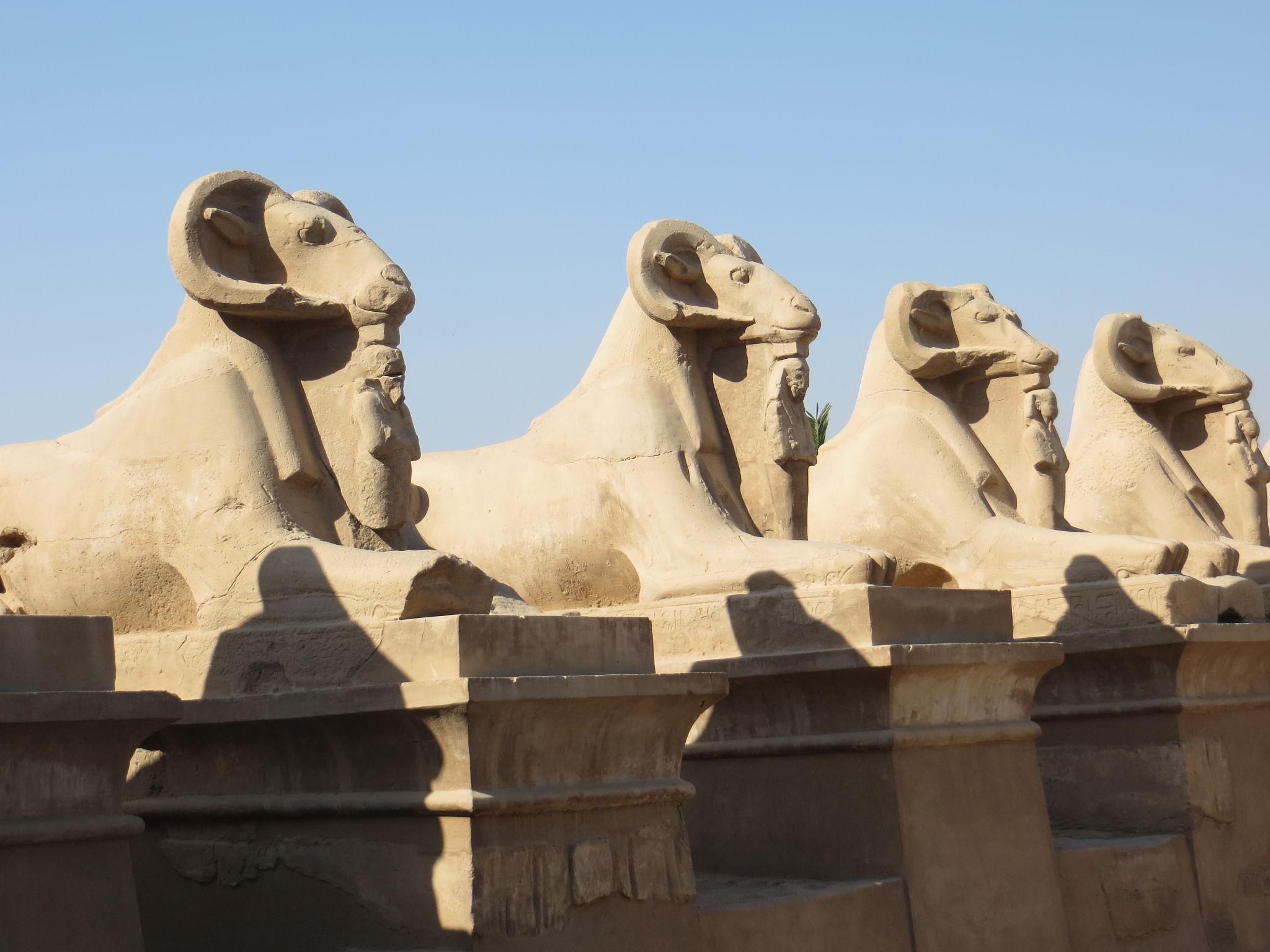
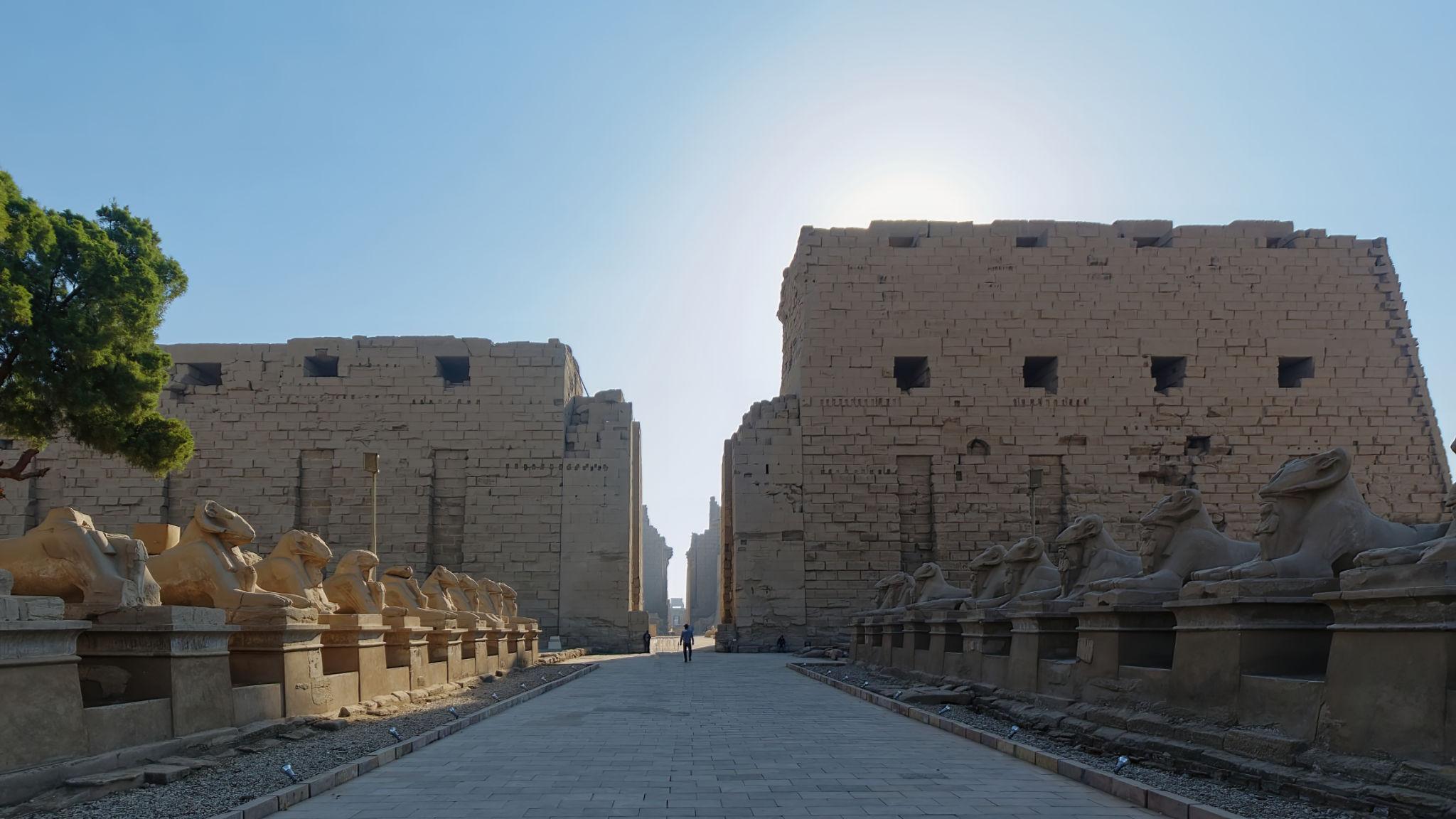
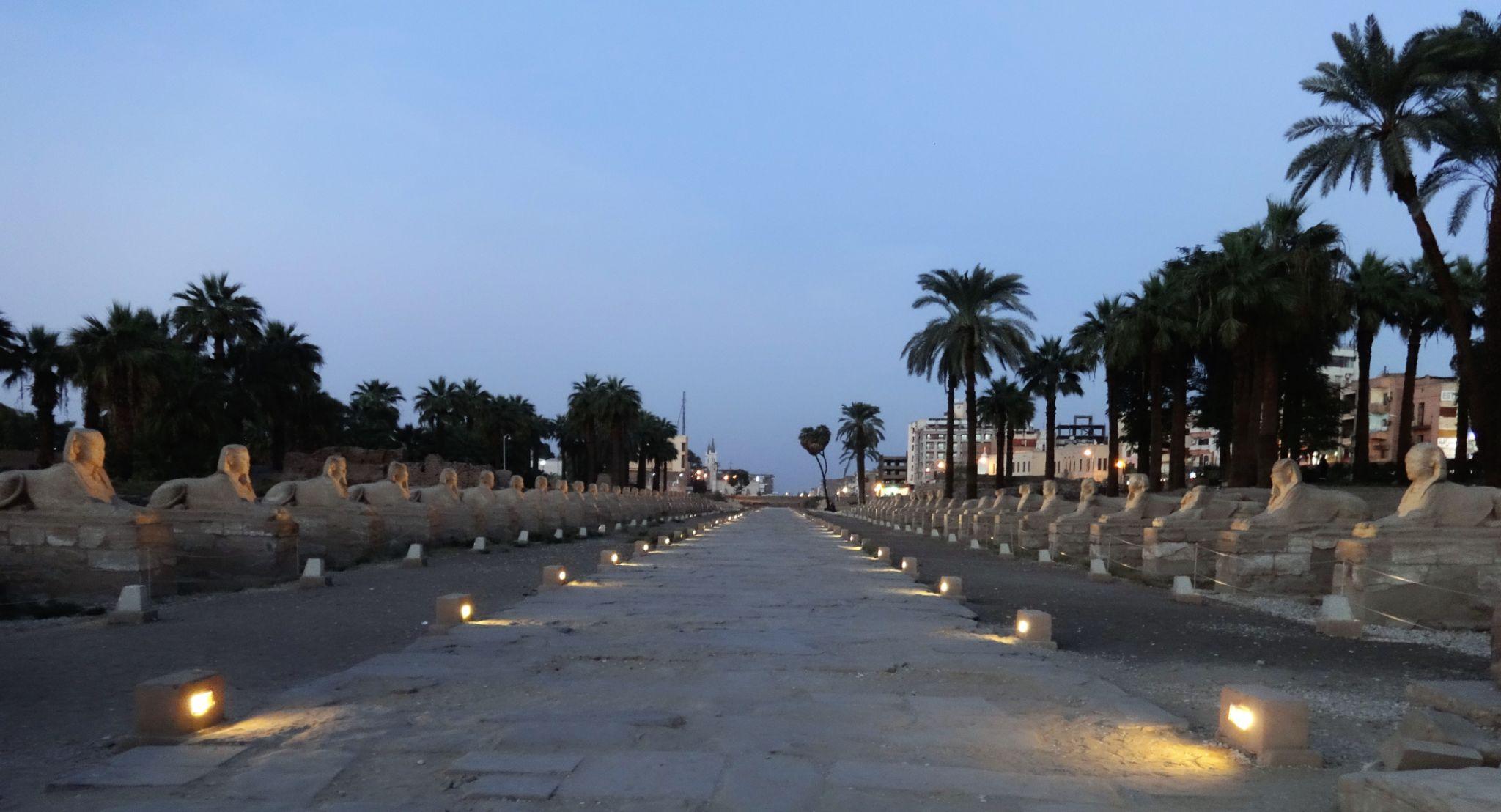
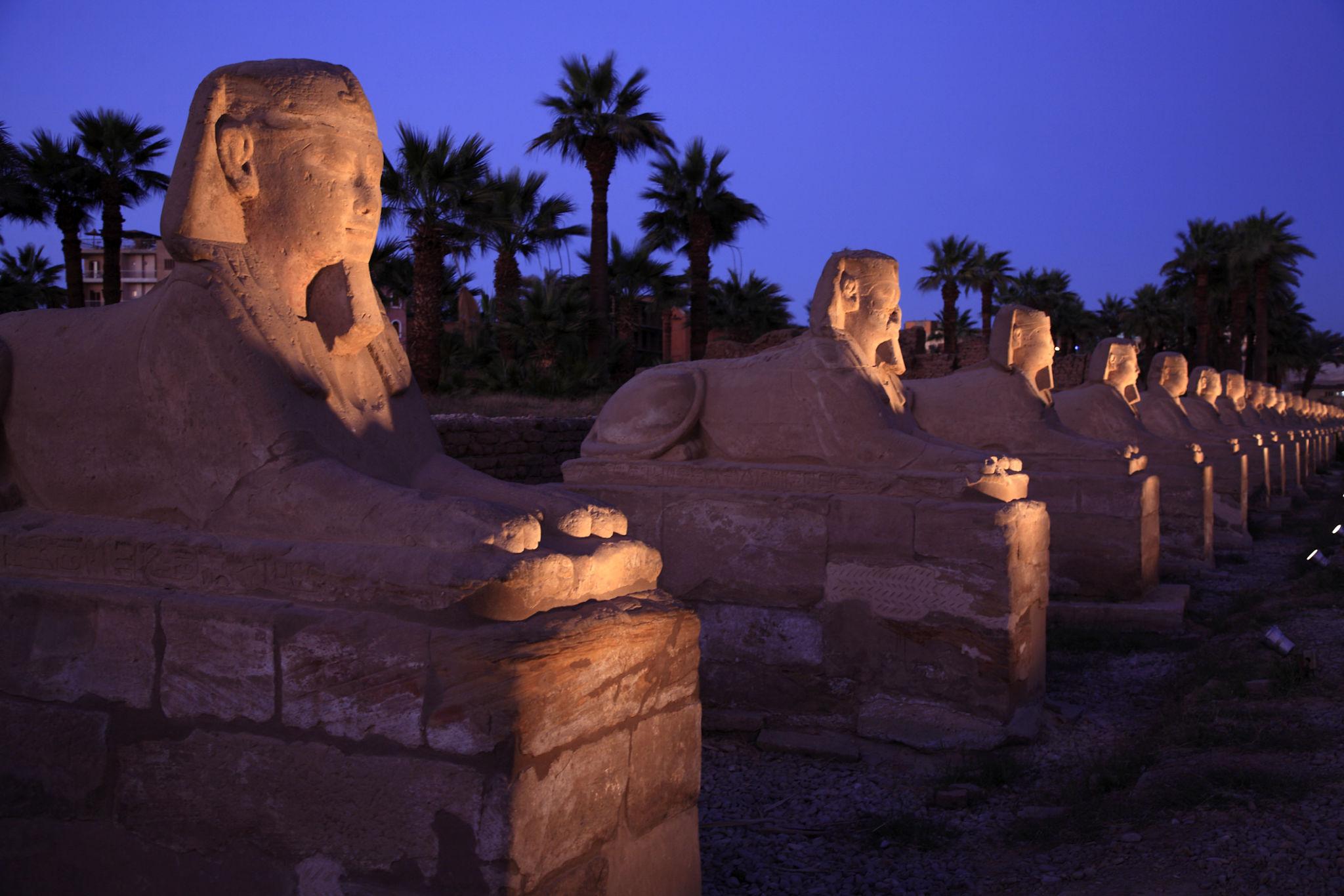
Avenue of Sphinxes
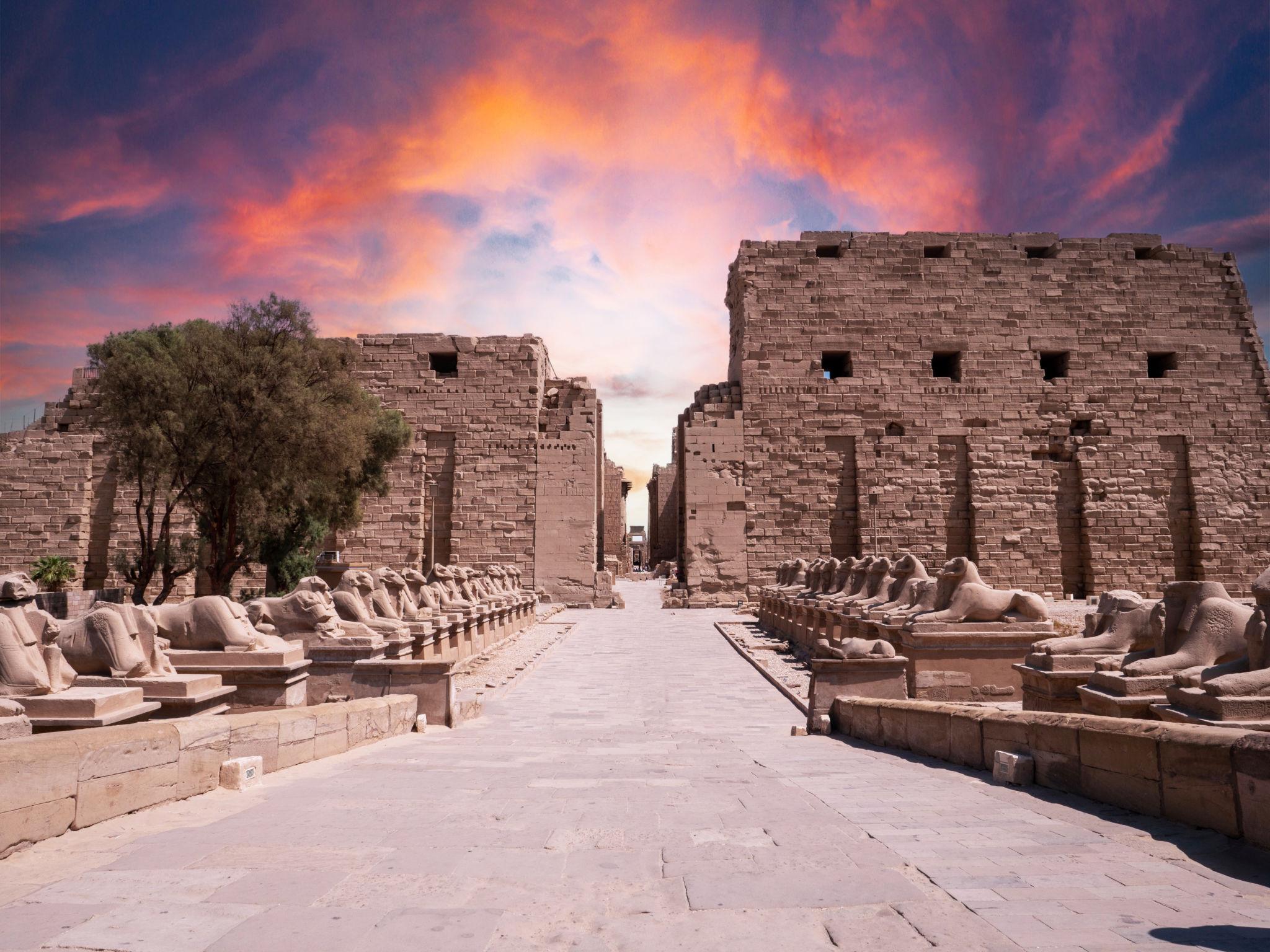
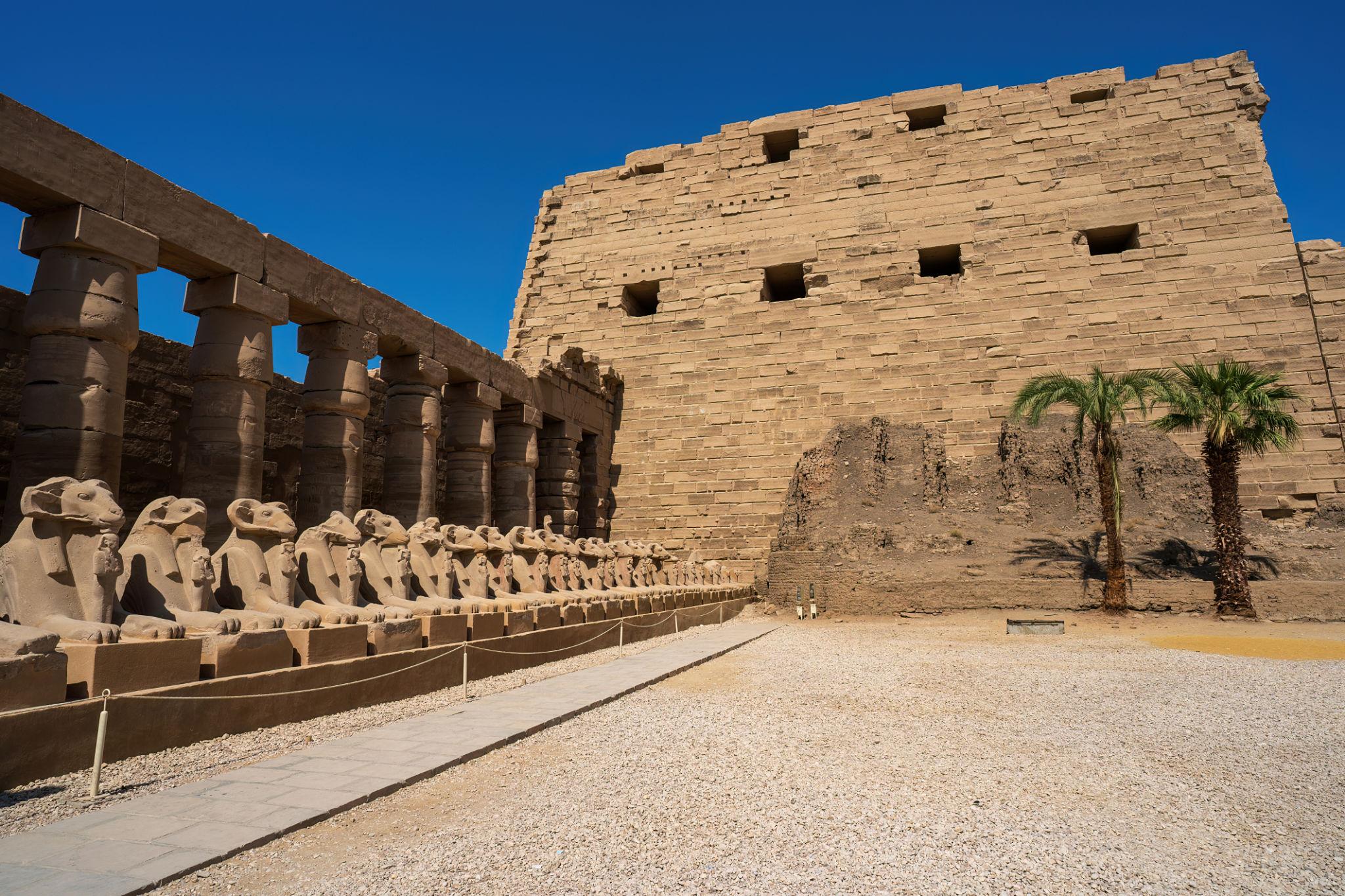
A recently restored 2.7-kilometer processional avenue of ram-headed sphinxes connecting Karnak Temple to Luxor Temple through the heart of modern Luxor — one of the most ambitious archaeological restoration projects in Egyptian history. Originally built during the 30th Dynasty (around 380 BC), the avenue was lined with over 1,350 sphinxes, each protecting a small statue of the pharaoh between its paws, and served as the ceremonial route for the annual Opet Festival procession. For centuries the avenue lay buried under houses, mosques, and churches that had been built over it; the restoration required carefully relocating modern buildings and excavating hundreds of sphinxes from beneath the city streets. Walking the full length today gives a powerful sense of the scale and grandeur of ancient Thebes at its height.
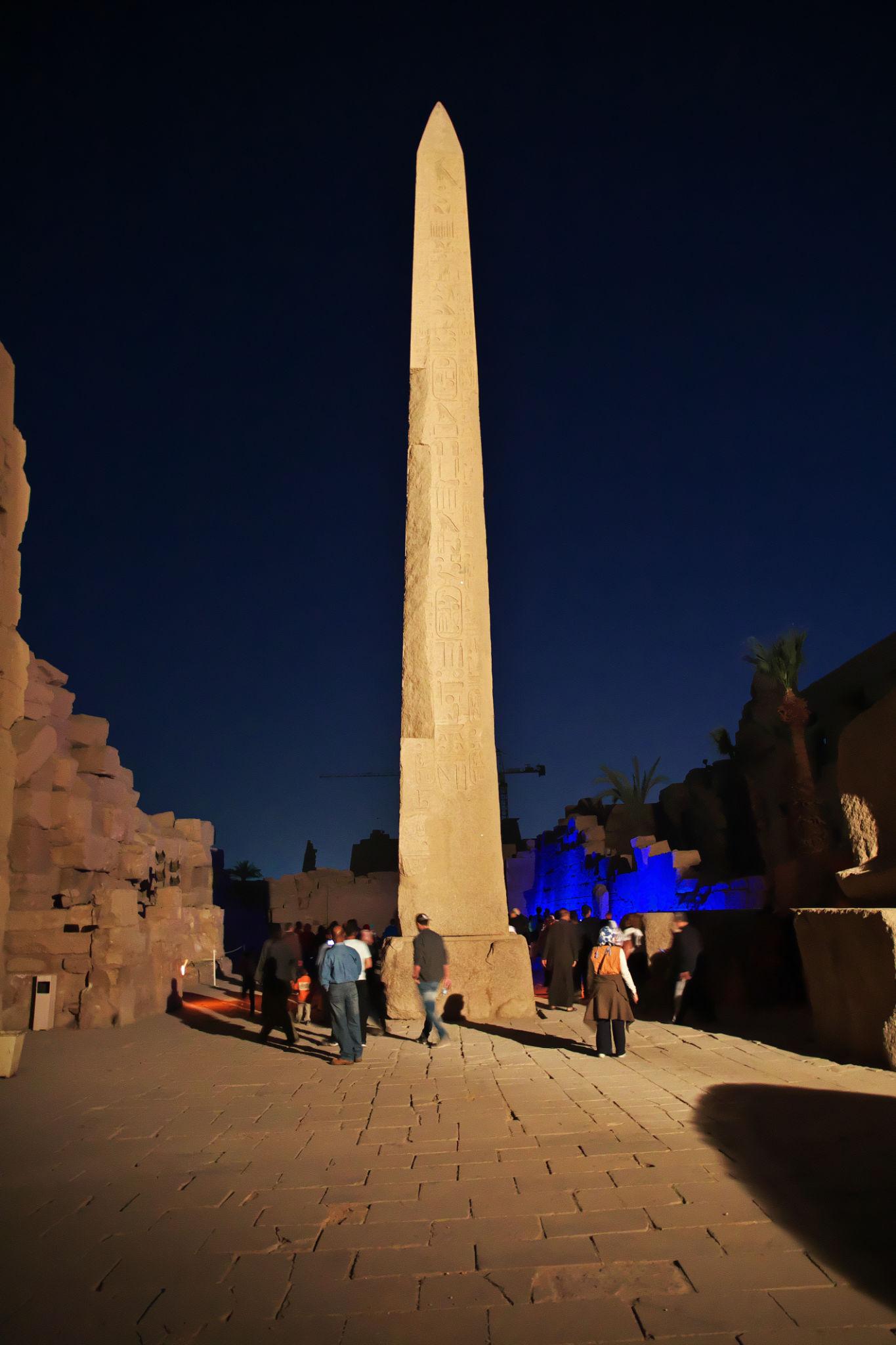
Obelisk of Hatshepsut
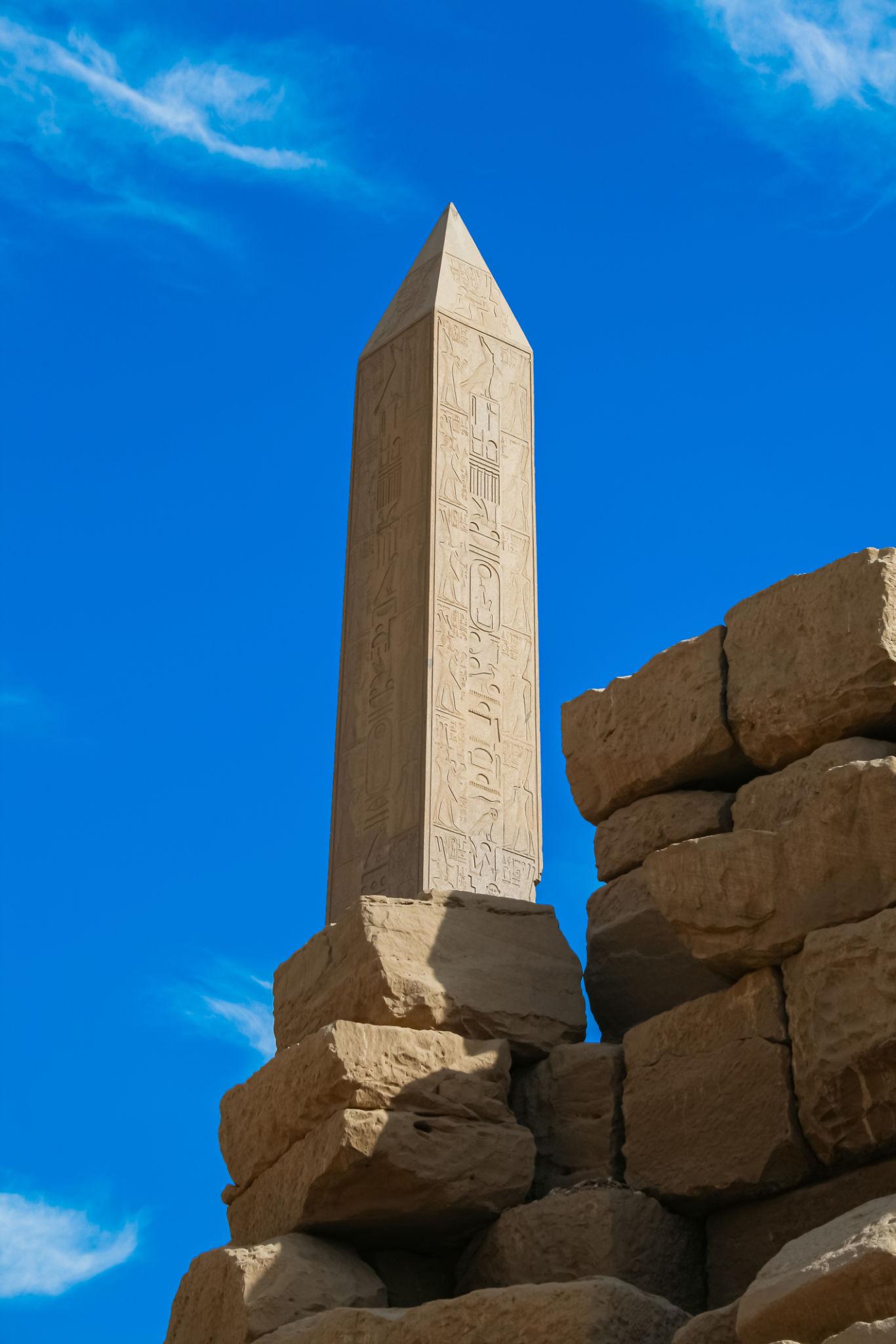
One of the tallest surviving ancient obelisks in the world at 29.6 meters, carved from a single piece of red Aswan granite weighing approximately 323 tons and erected by Queen Hatshepsut around 1457 BC to honor the god Amun. The obelisk's surface is covered in hieroglyphic inscriptions describing Hatshepsut's devotion to Amun and the feat of quarrying, transporting, and raising the monument — which she claims was accomplished in just seven months. Her successor Thutmose III, who systematically erased Hatshepsut's legacy, built a sandstone wall around the obelisk's lower half to hide her cartouches, but ironically this wall protected the inscriptions and preserved them in better condition than the exposed upper portion. A second obelisk lies broken nearby, and the contrast between the standing and fallen monuments poignantly illustrates the fragility of even the most monumental achievements.
Temple of Khonsu
A beautifully preserved smaller temple at the southwestern corner of the Karnak complex, dedicated to Khonsu, the moon god and divine son of Amun and Mut. Built primarily under Ramesses III and completed by later rulers, it follows the classic Egyptian temple plan — pylon, courtyard, hypostyle hall, and inner sanctuary — in compact, elegant proportions that make it easier to appreciate than the overwhelming main temple. The reliefs throughout are exceptionally detailed and well-preserved, depicting ritual scenes, offerings, and the pharaoh communing with the gods in crisp, deeply carved hieroglyphs. The temple's relative quietness compared to the Hypostyle Hall makes it an ideal spot for contemplation and photography, and it serves as an excellent introduction to Egyptian temple architecture for first-time visitors.
Historical Details
Continuous Construction
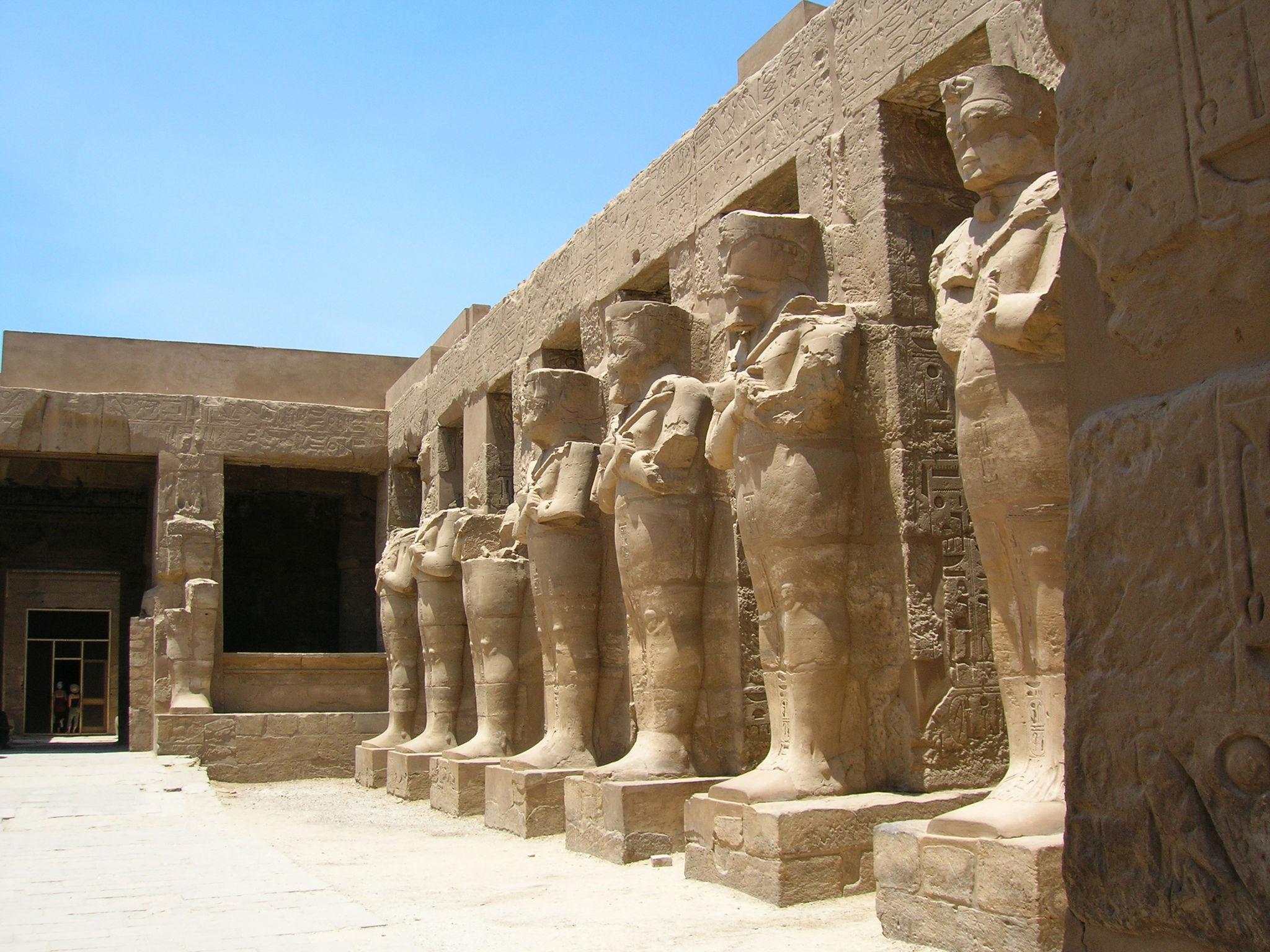
Karnak was not built by a single ruler but expanded continuously over nearly 2,000 years by approximately 30 different pharaohs, each seeking to outdo their predecessors with ever-grander additions. The earliest structures date to the Middle Kingdom (around 2000 BC), while the last significant additions were made by the Ptolemies in the 1st century BC. Each pharaoh added their own temples, courts, pylons, and obelisks — and sometimes deliberately demolished or appropriated the work of their predecessors — making Karnak a living, layered record of Egyptian political and religious history. Reading the temple's architecture is like reading the rings of an ancient tree: each layer reveals the ambitions, rivalries, and religious beliefs of a different era.
Amun-Ra
The complex is dedicated primarily to Amun-Ra, king of the gods, whose cult grew from a local Theban deity to the supreme god of the Egyptian empire during the New Kingdom. At the height of its power during the reign of Ramesses III, the Temple of Amun was the wealthiest religious institution in the ancient world — it owned 65 villages, 433 gardens, 83 ships, vast tracts of farmland, and employed over 80,000 workers. The High Priest of Amun wielded political power rivaling the pharaoh himself, and conflicts between the two eventually contributed to the decline of the New Kingdom. The temple's enormous wealth was sustained by offerings, land grants, and the spoils of military campaigns dedicated to Amun, creating an economic engine that shaped Egyptian civilization for centuries.
Visitor Tips
Arrive at opening time (6 AM) to beat the tour groups and the heat
The Sound & Light Show (evening) is one of the best in Egypt
Allow at least 2 hours to explore properly
A guide is highly recommended — the complex is enormous and easy to get lost in