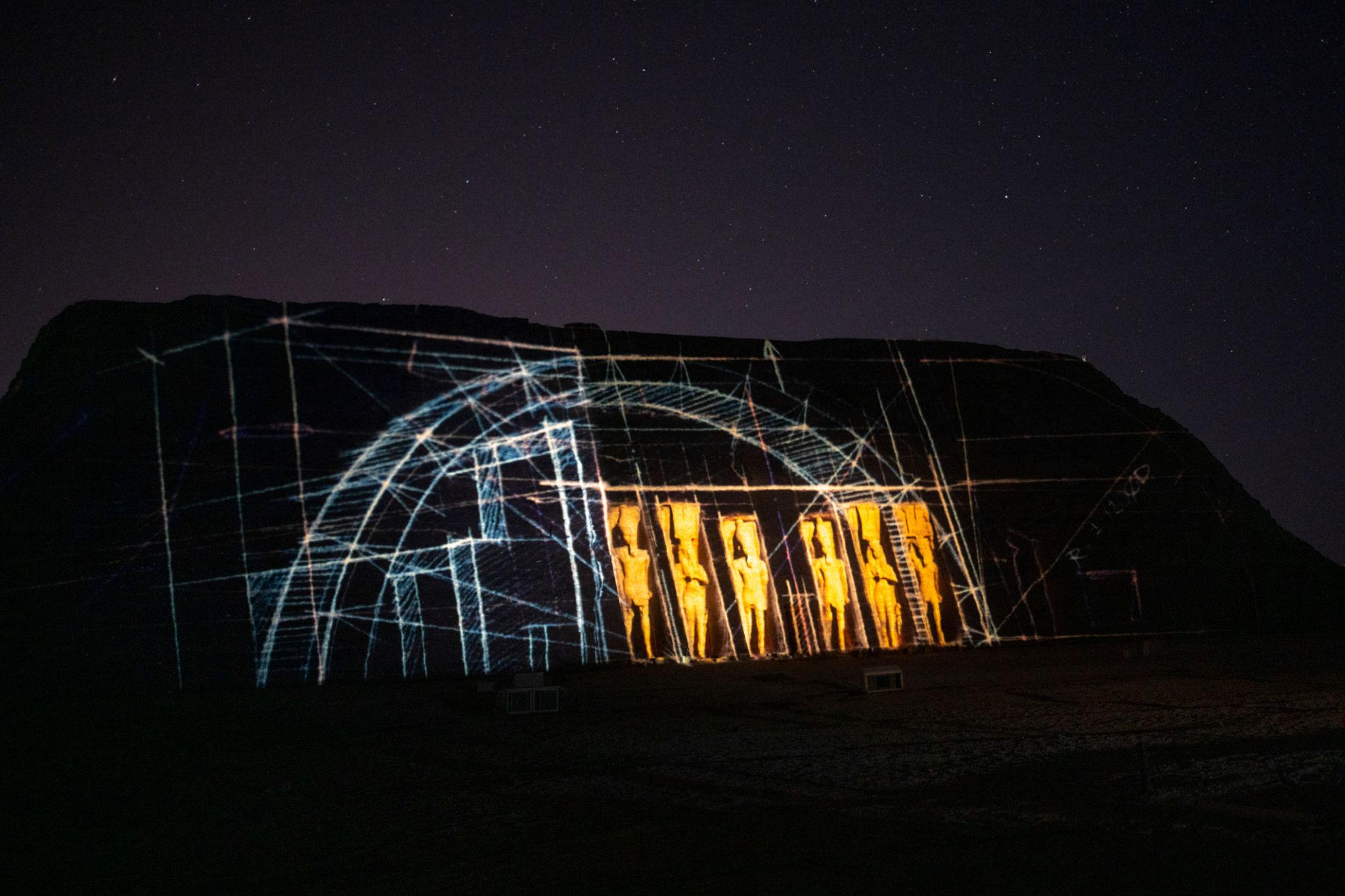
Abu Simbel Temples
Two massive rock-cut temples of Ramesses II — a masterpiece of ancient engineering.
5 AM – 6 PM820 EGP (foreign visitor); Sound & Light show 960 EGP22.3360, 31.6256
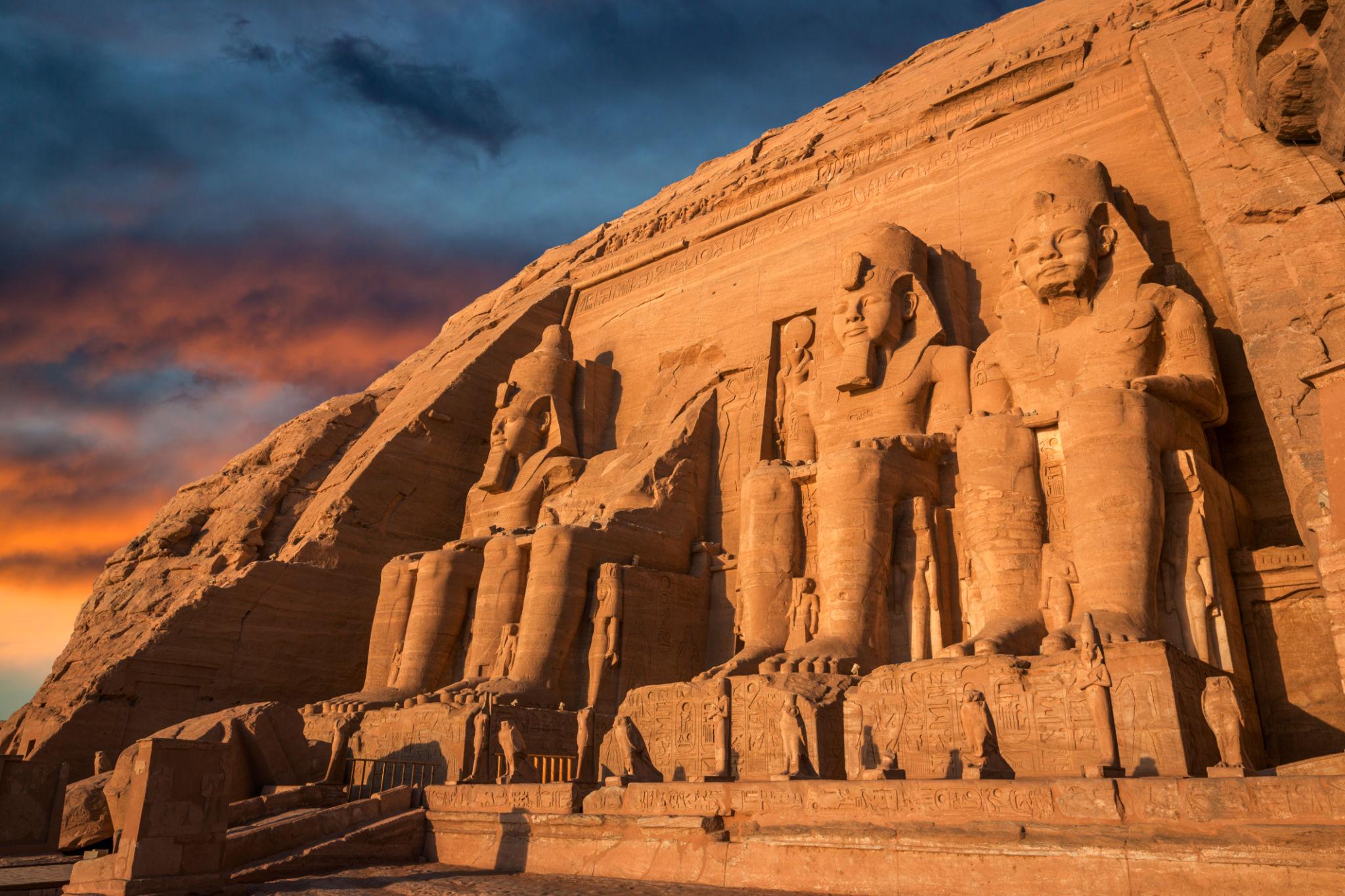
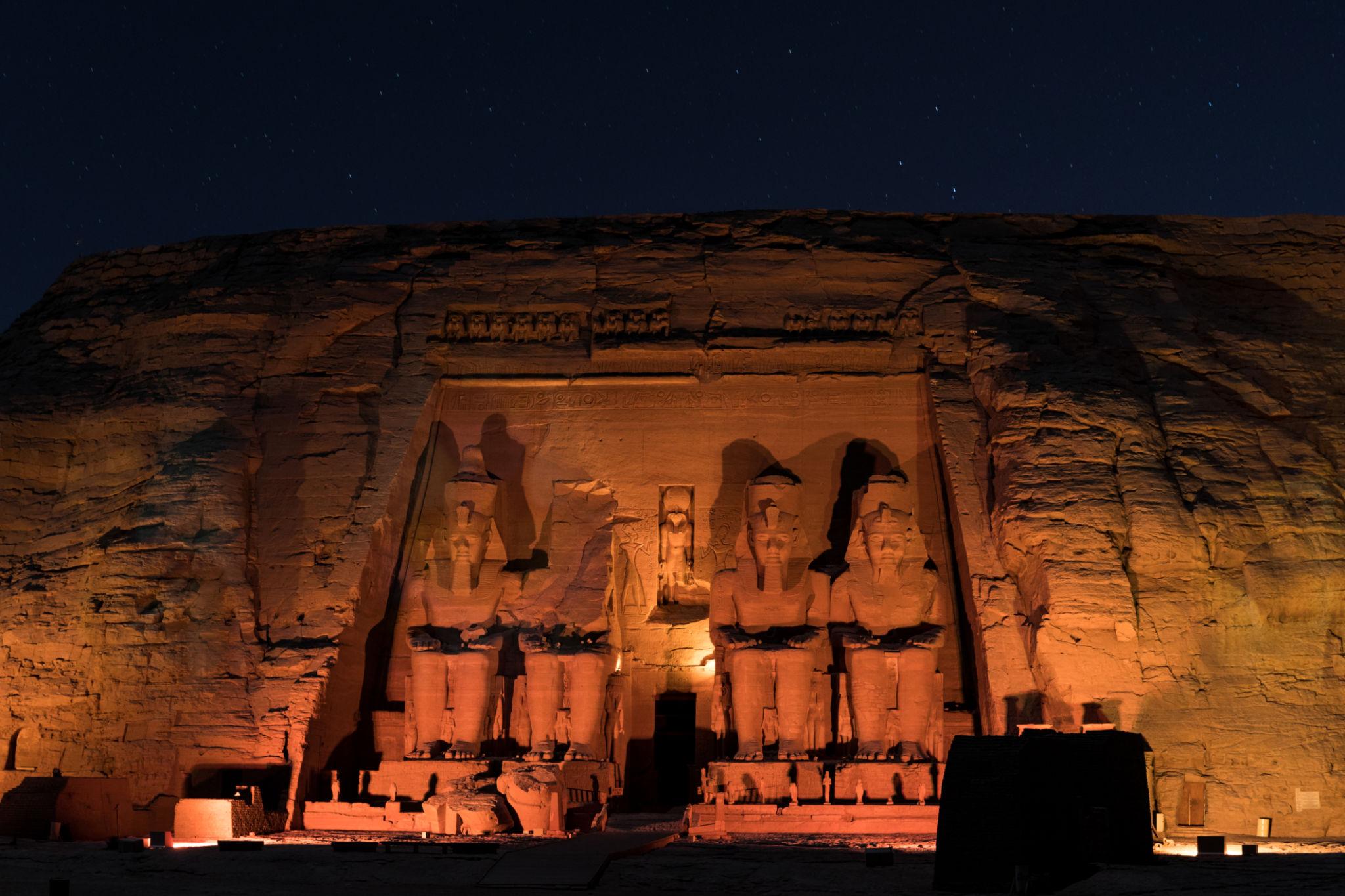
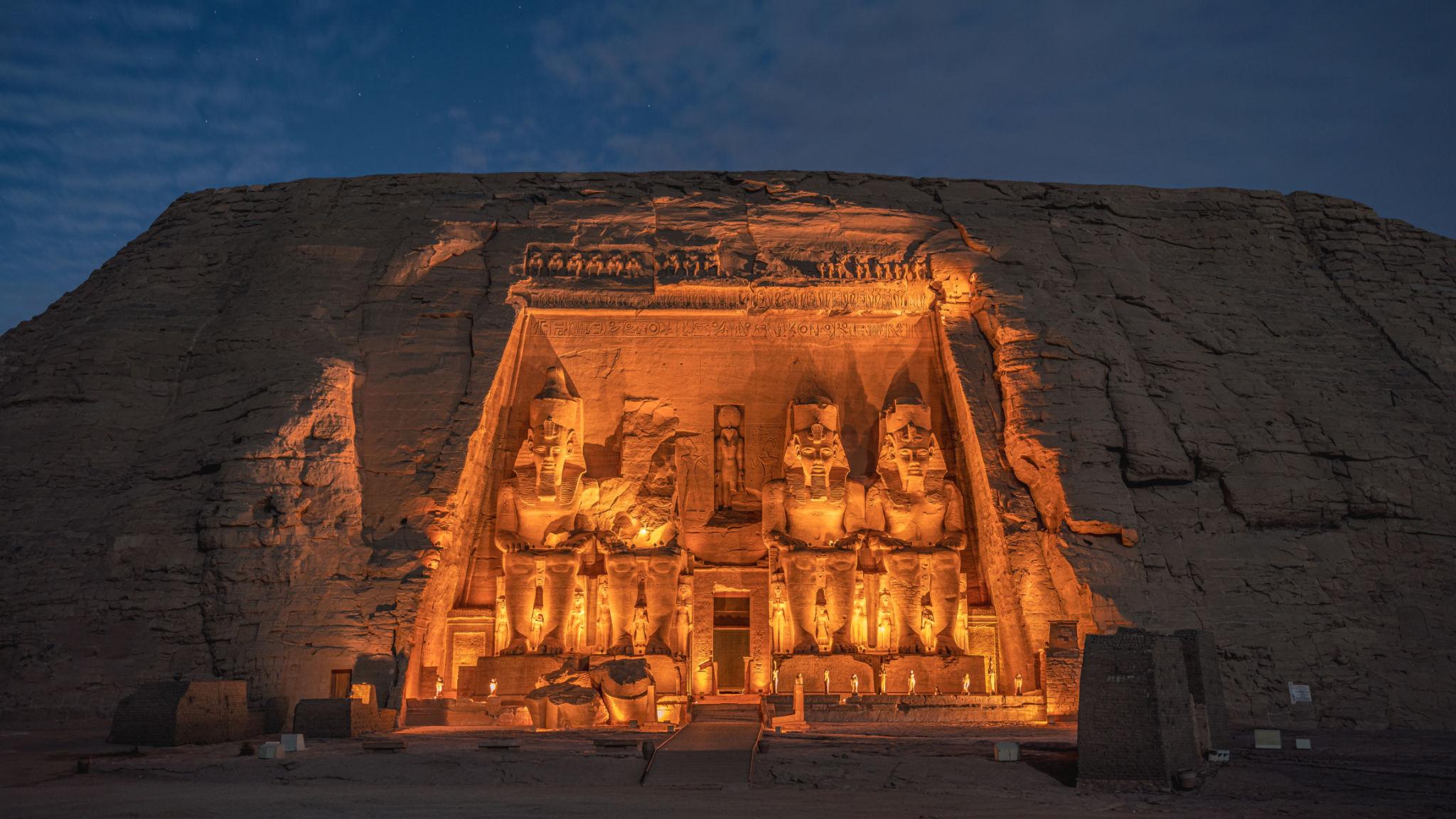
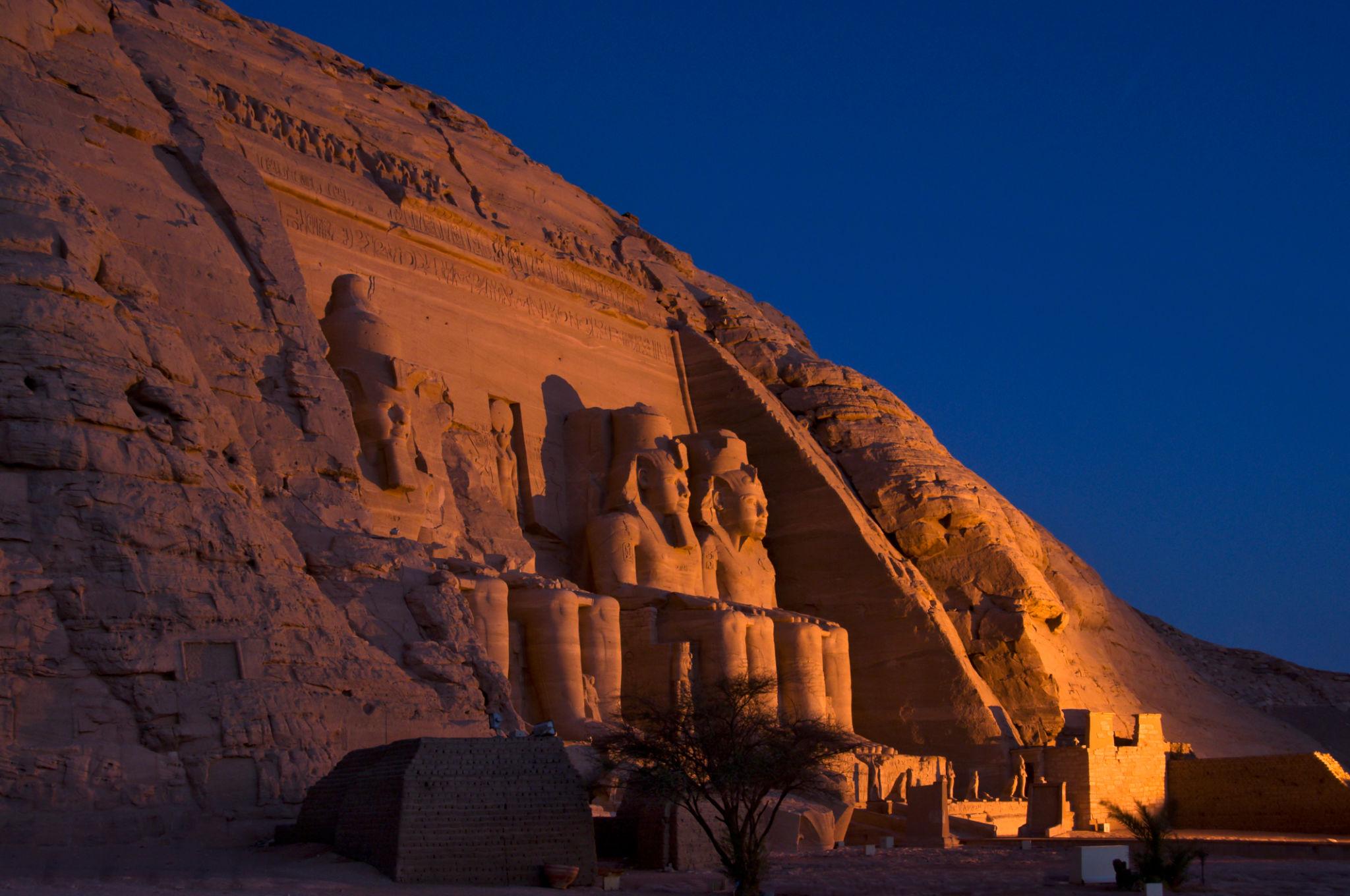
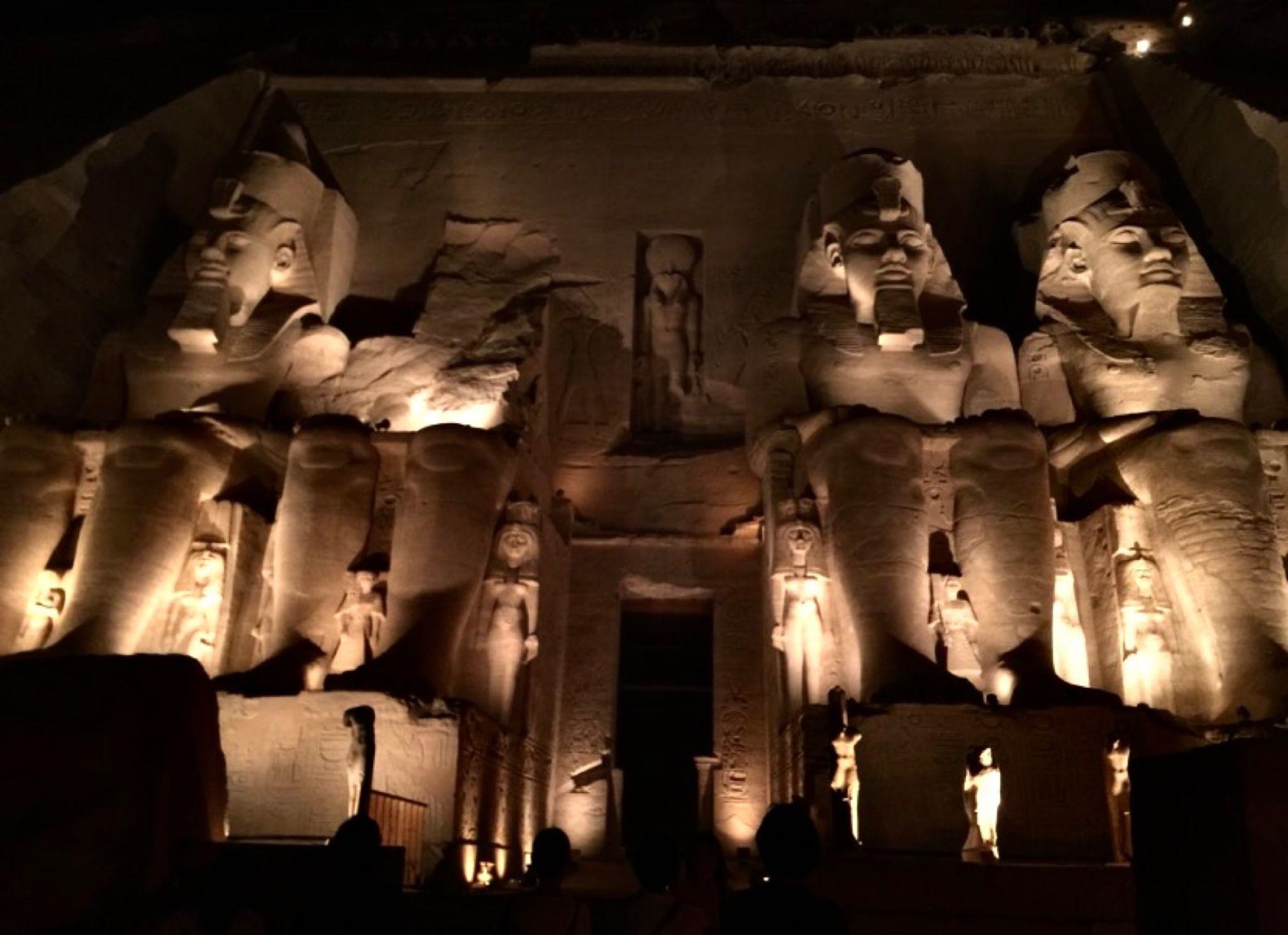
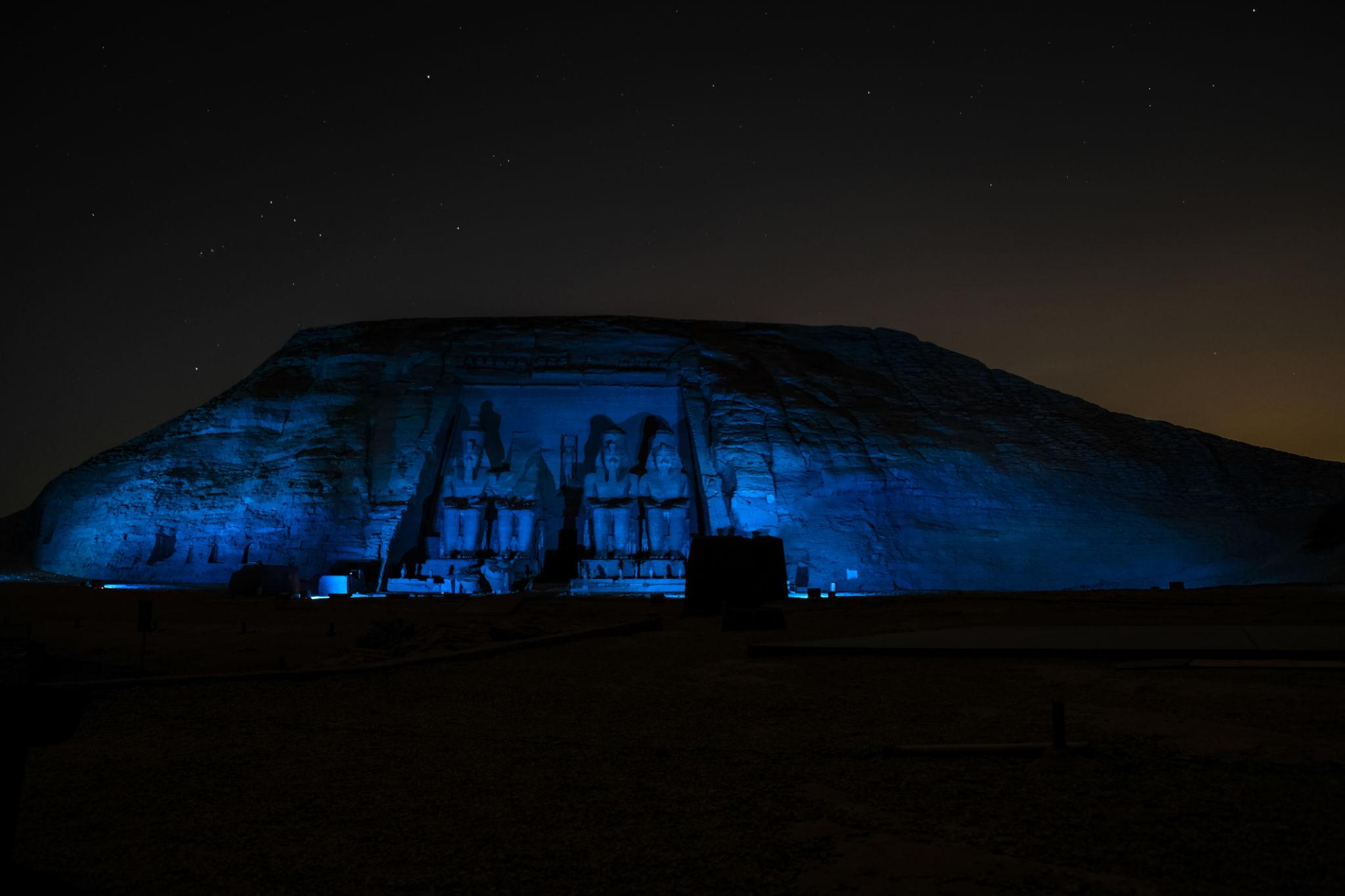
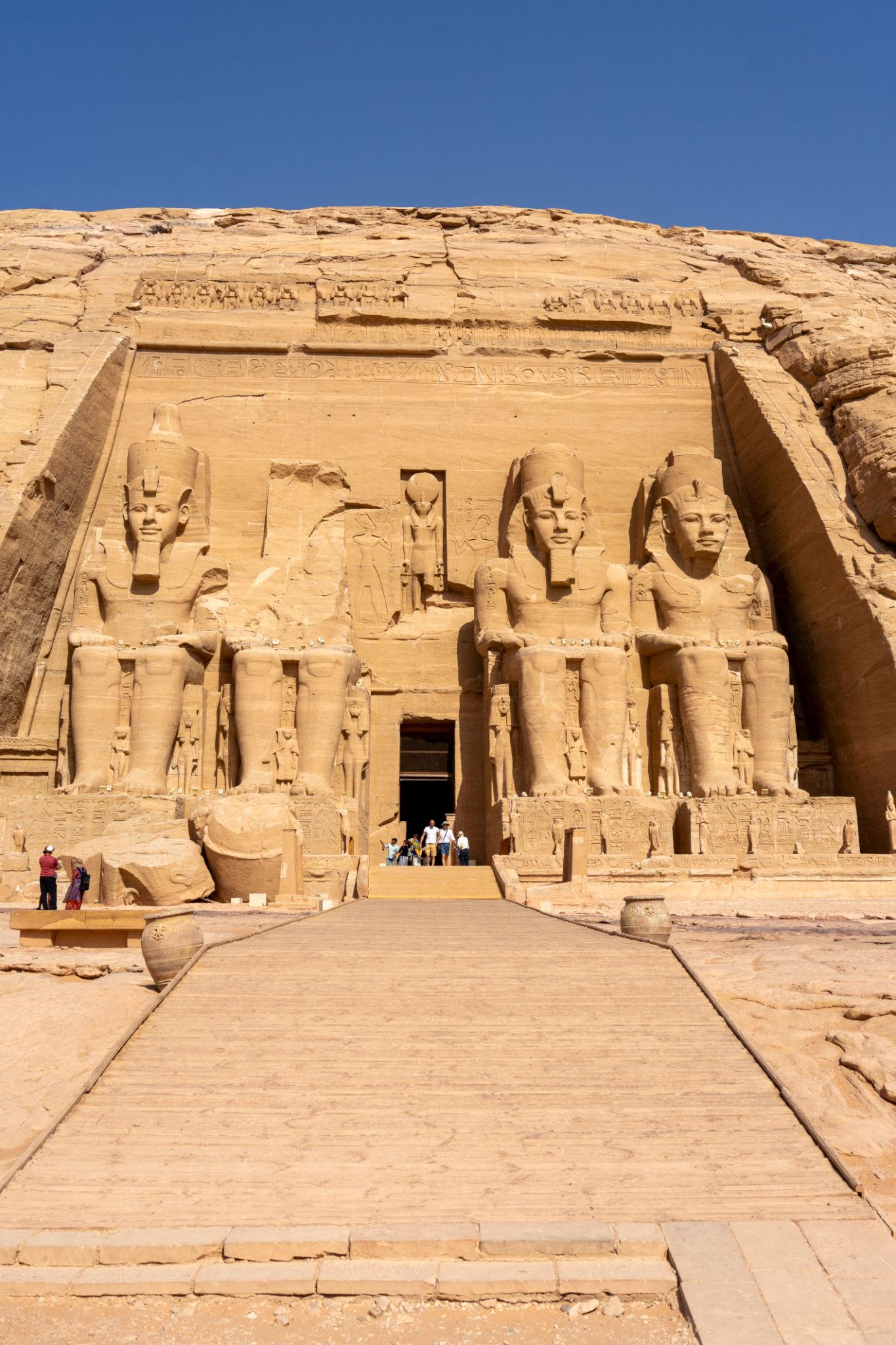
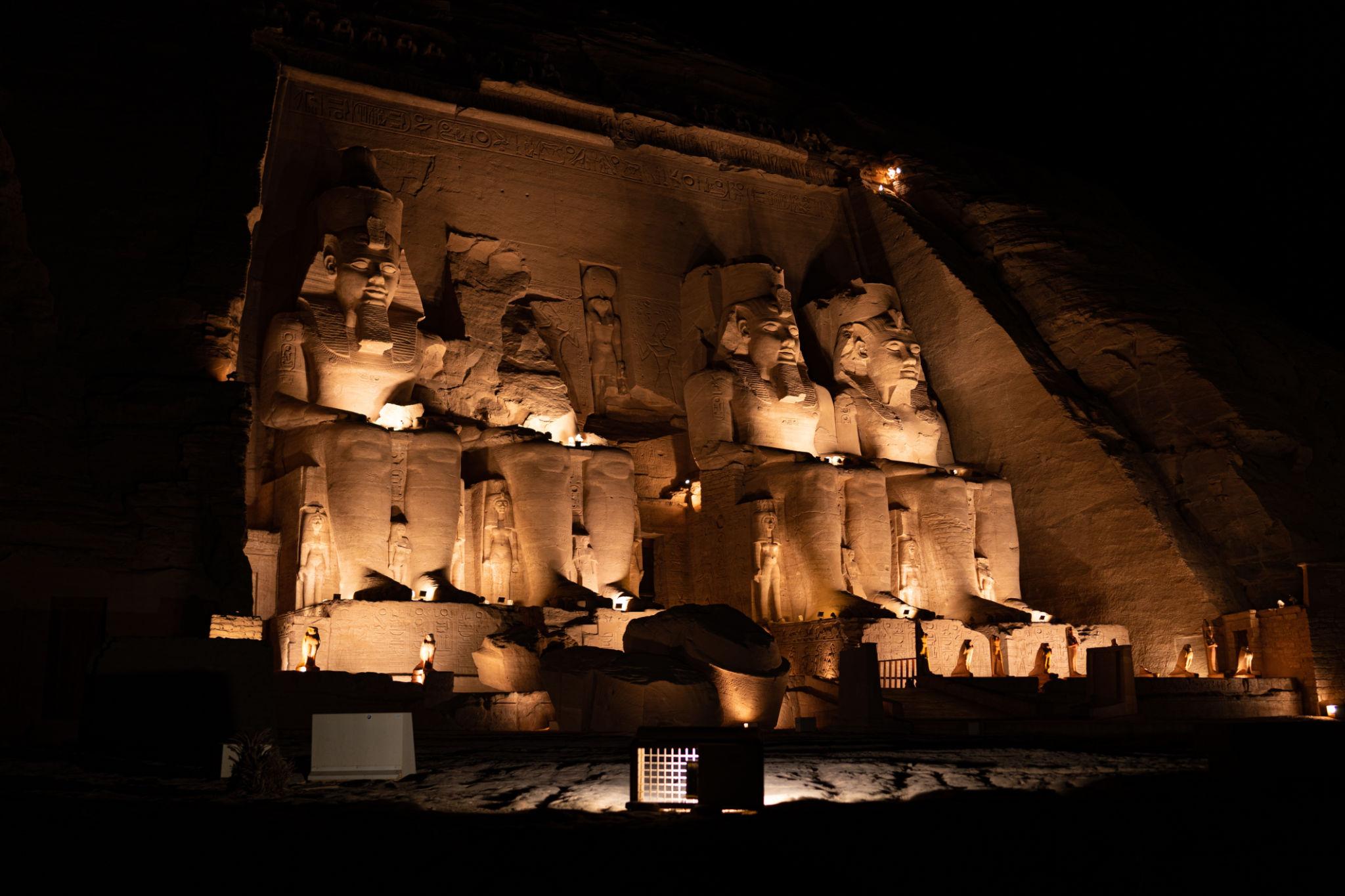
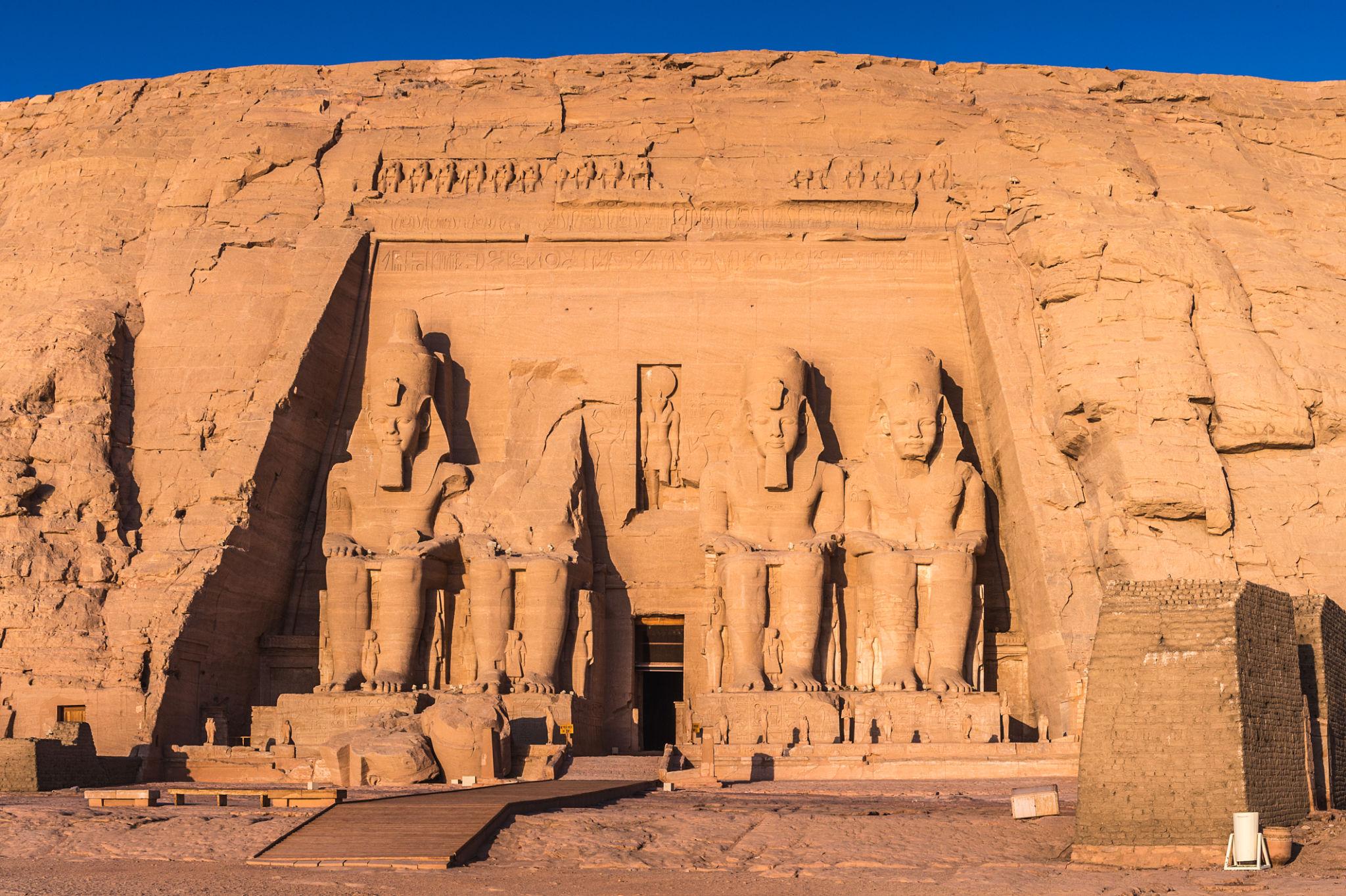
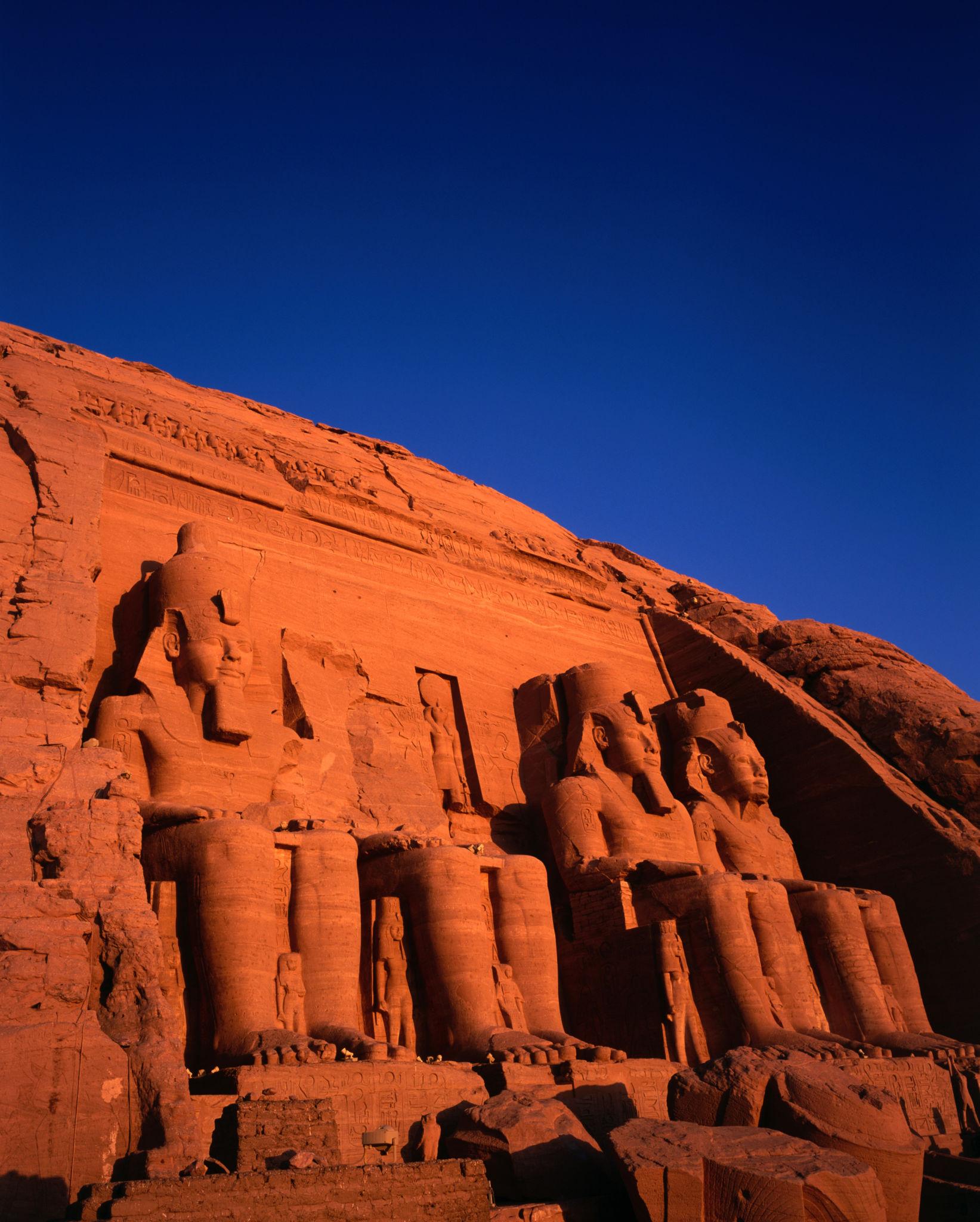
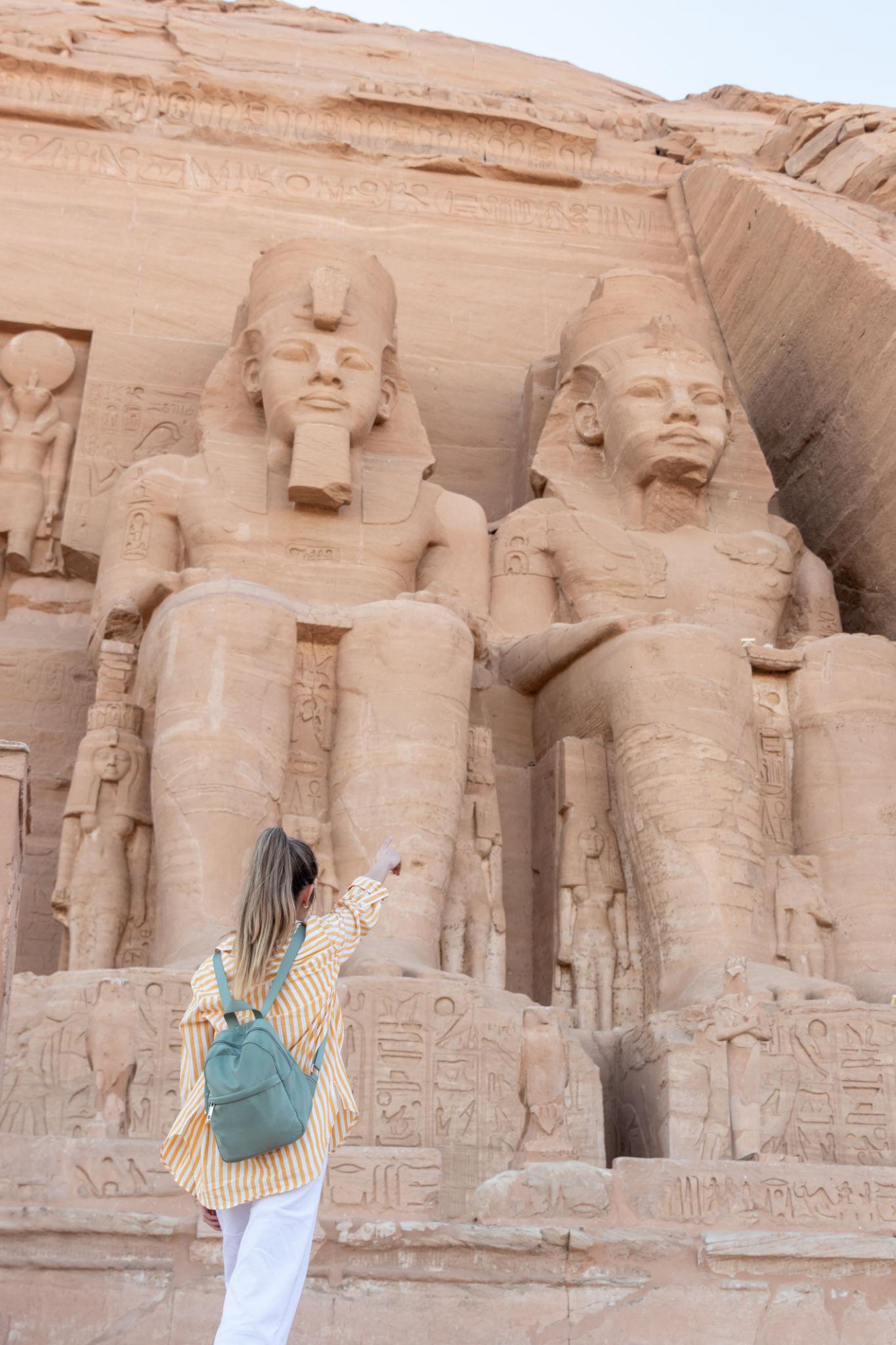
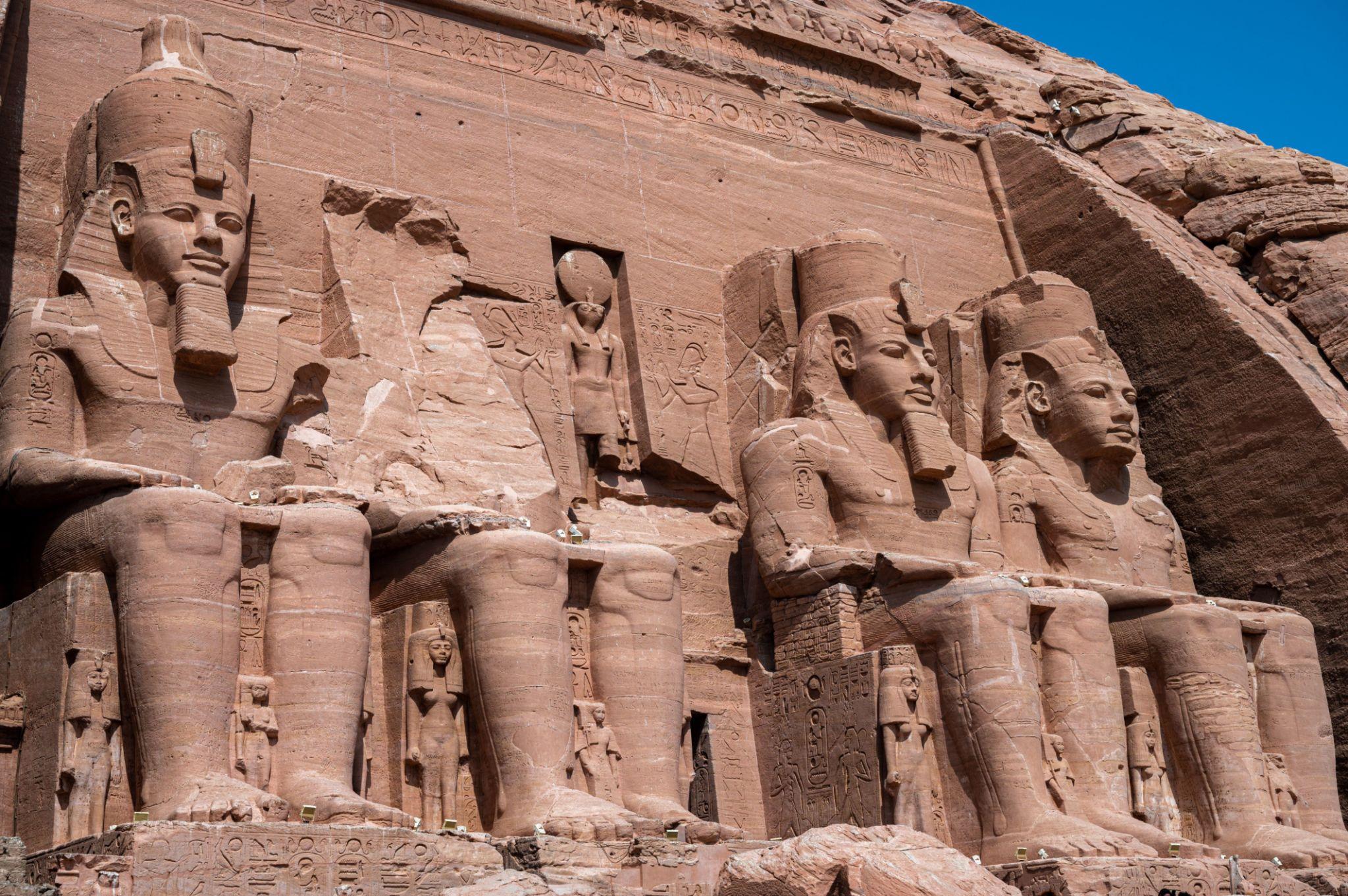
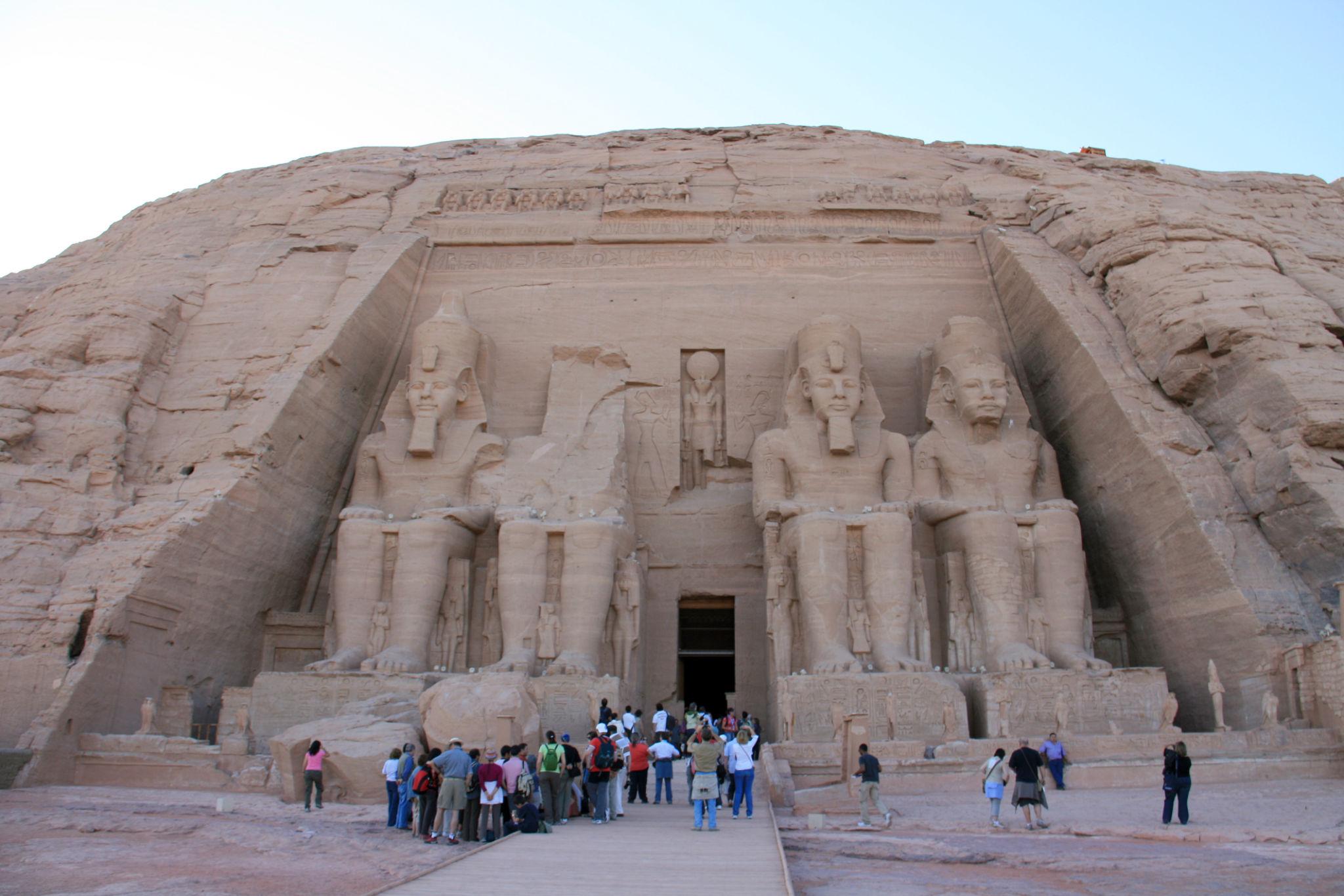
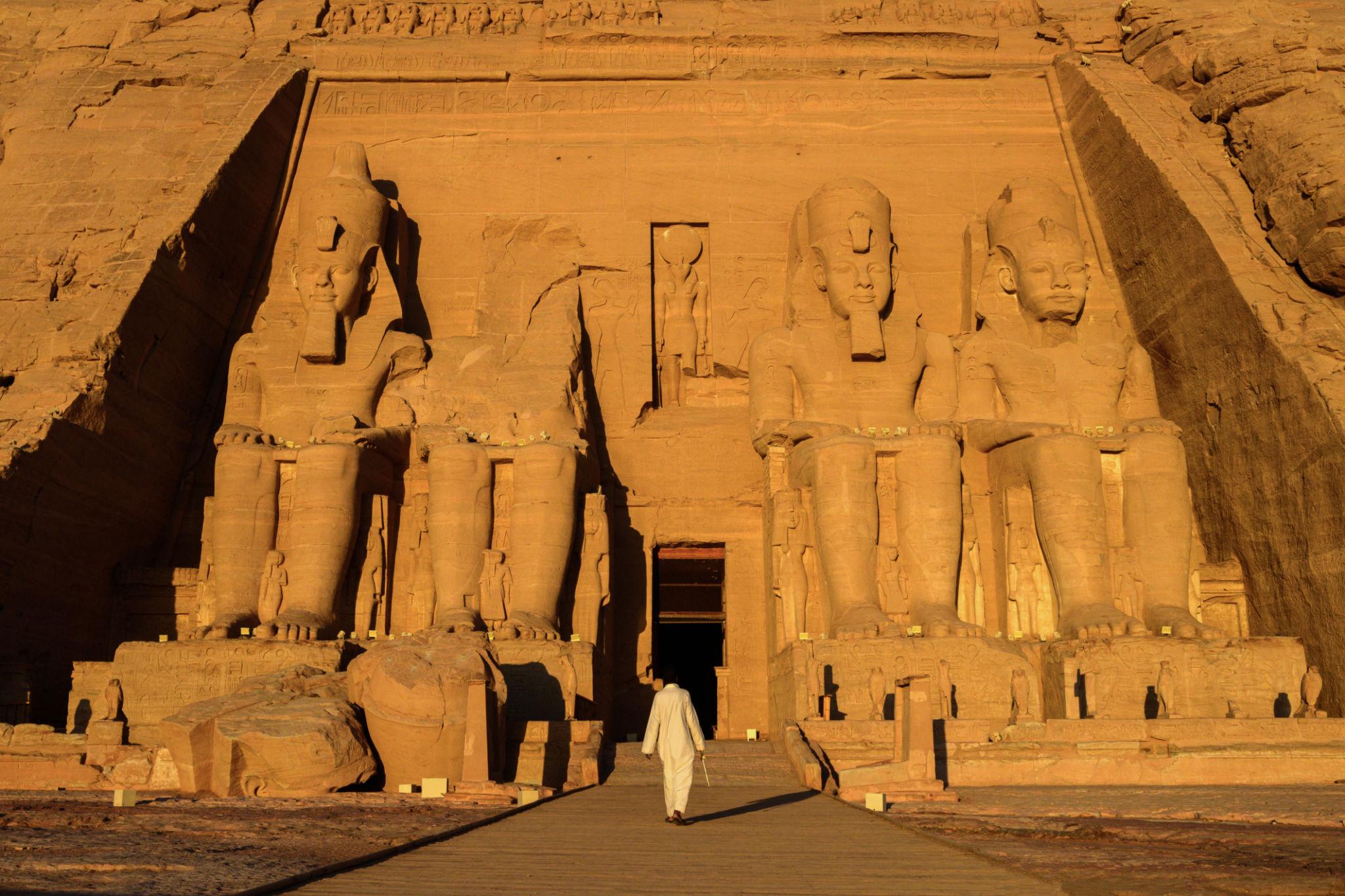
The Abu Simbel temples are two massive rock-cut temples near the border with Sudan. Built by Pharaoh Ramesses II around 1264 BC, the Great Temple features four colossal 20-meter statues of the seated pharaoh. In the 1960s, the entire complex was dismantled and relocated 65 meters higher to avoid flooding from the Aswan High Dam — one of the greatest engineering feats of the 20th century.
Gallery
Why Visit
Four 20-meter pharaoh statues carved from the mountainside
Twice a year, sunlight illuminates the inner sanctuary
Witness the UNESCO rescue that moved an entire mountain
What to See
Great Temple of Ramesses II
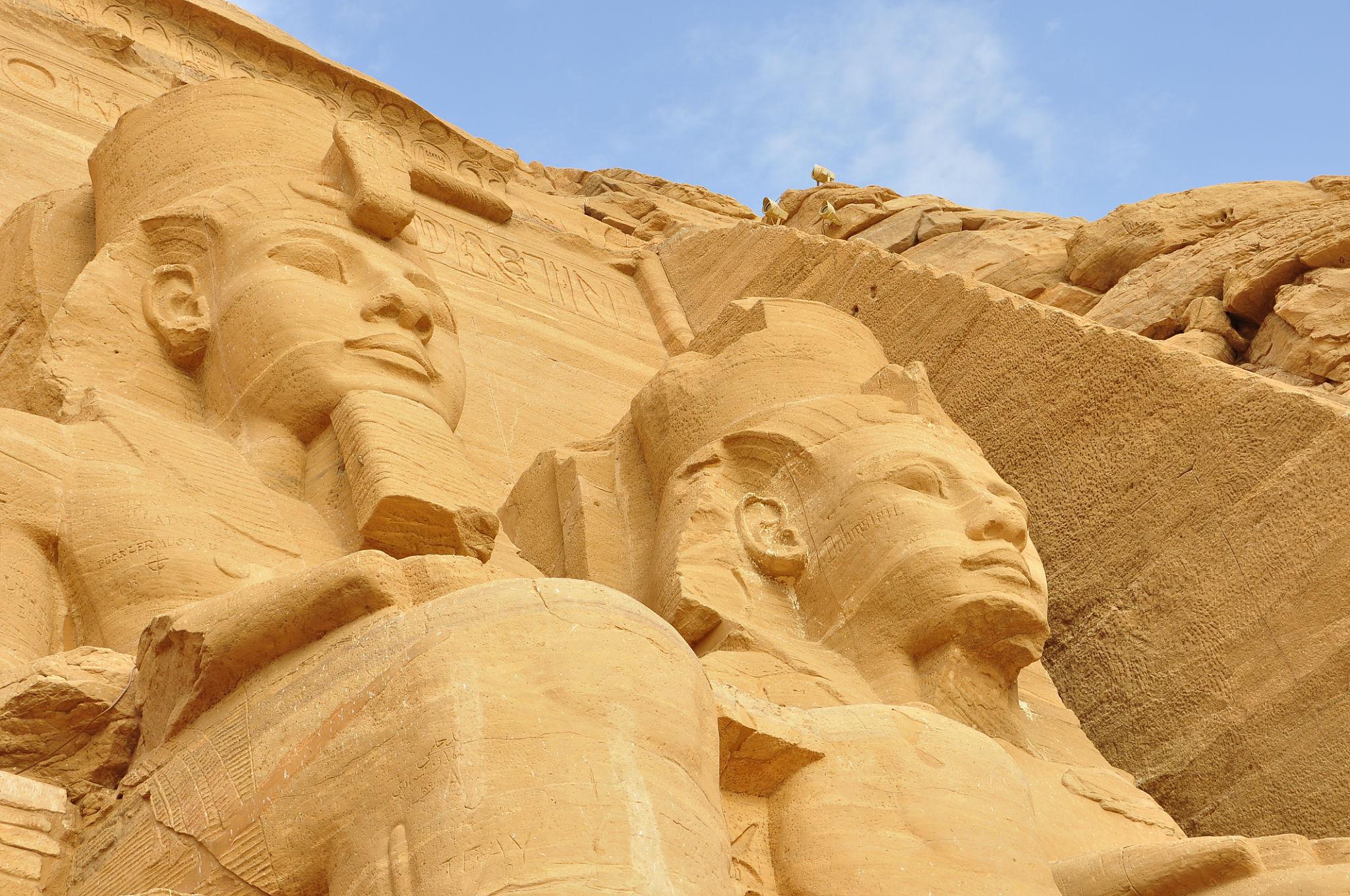
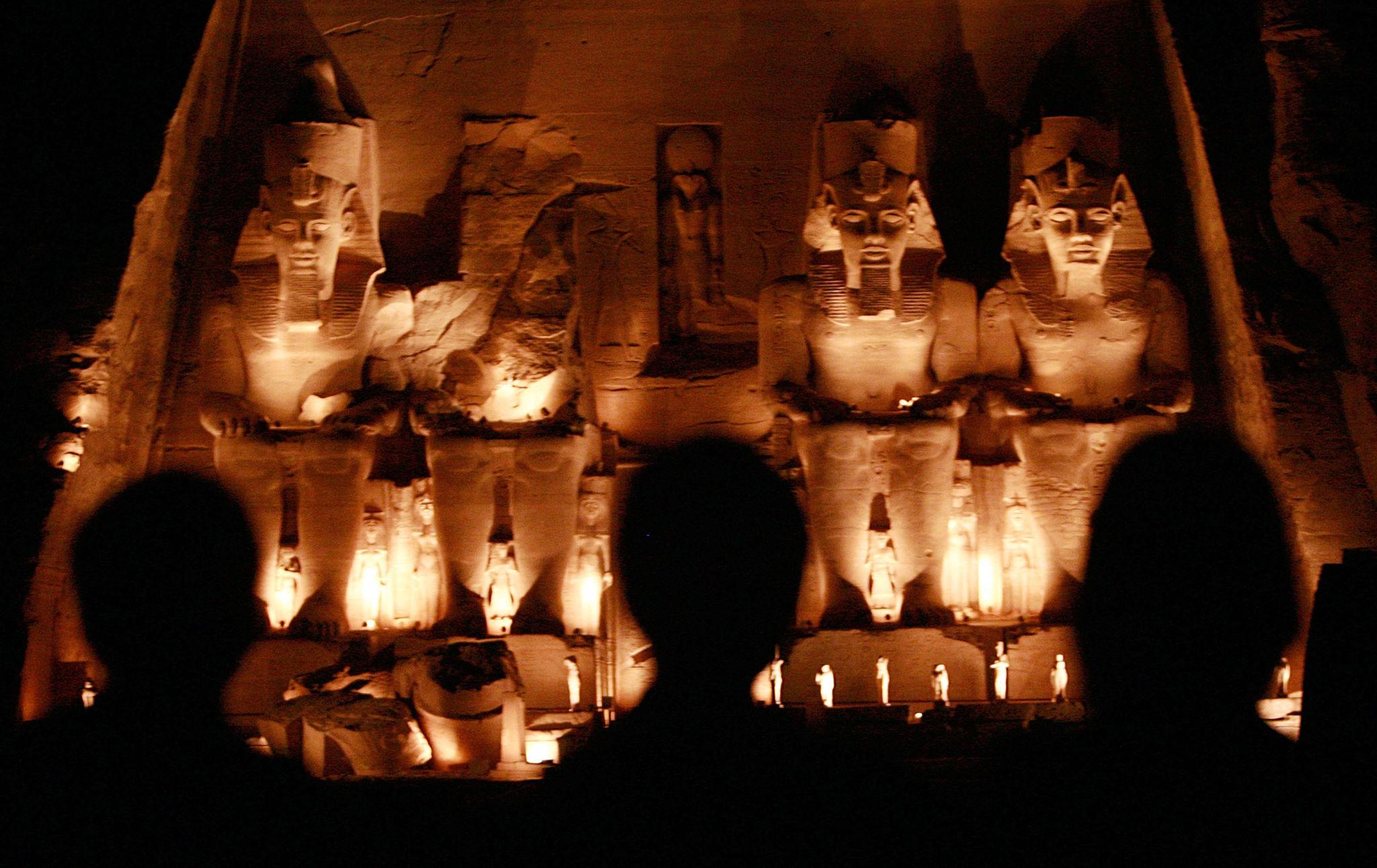
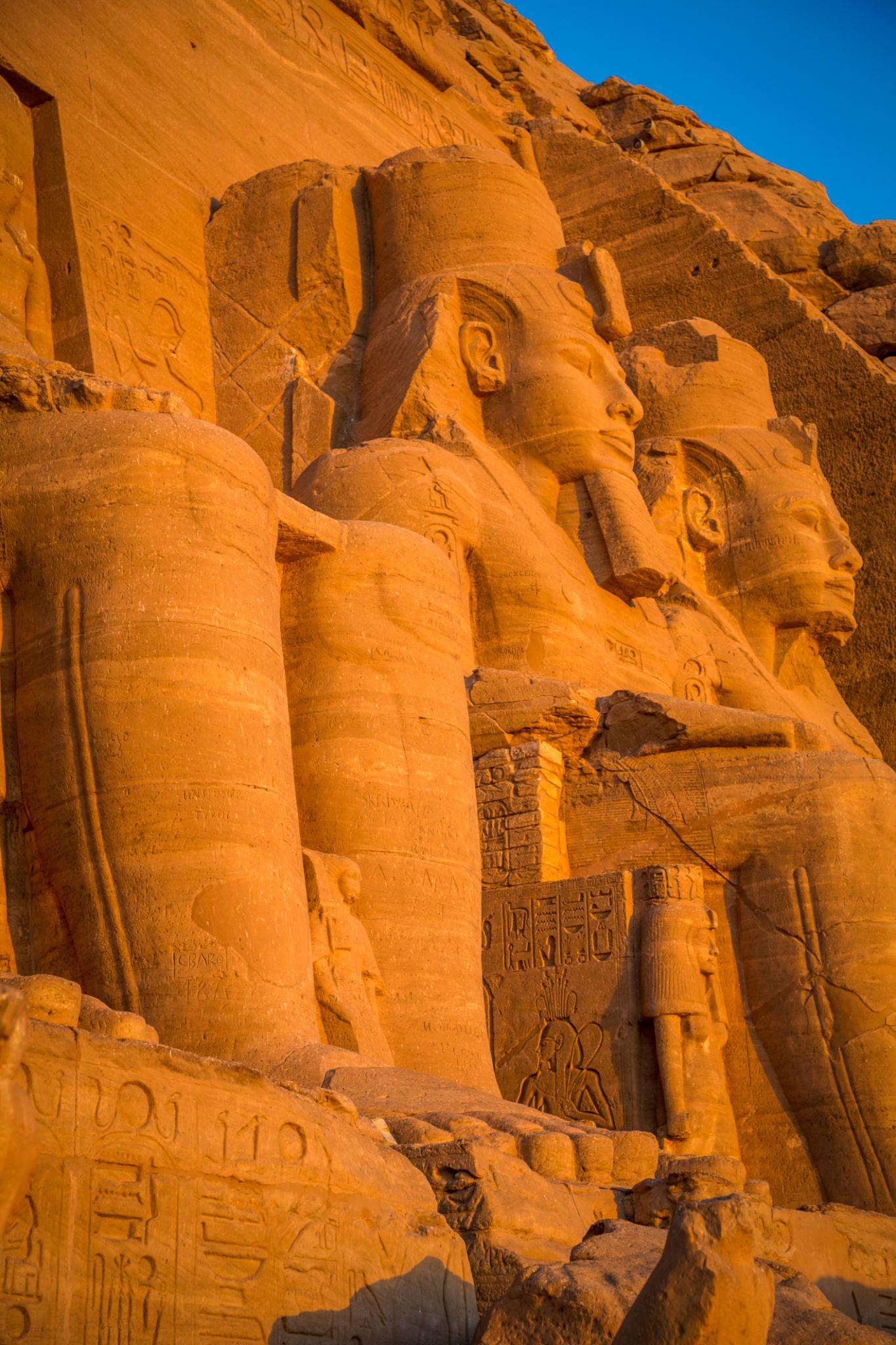
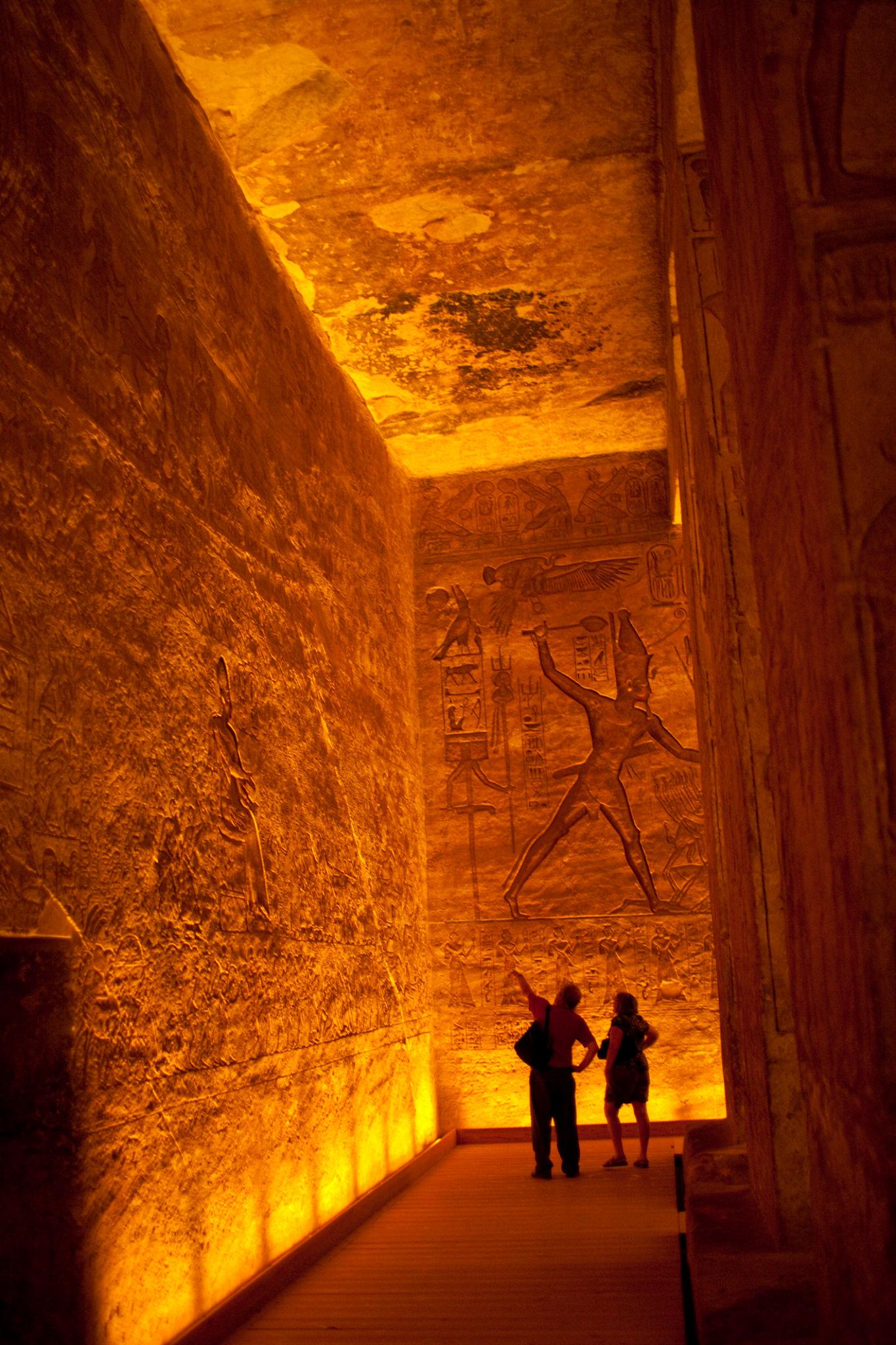
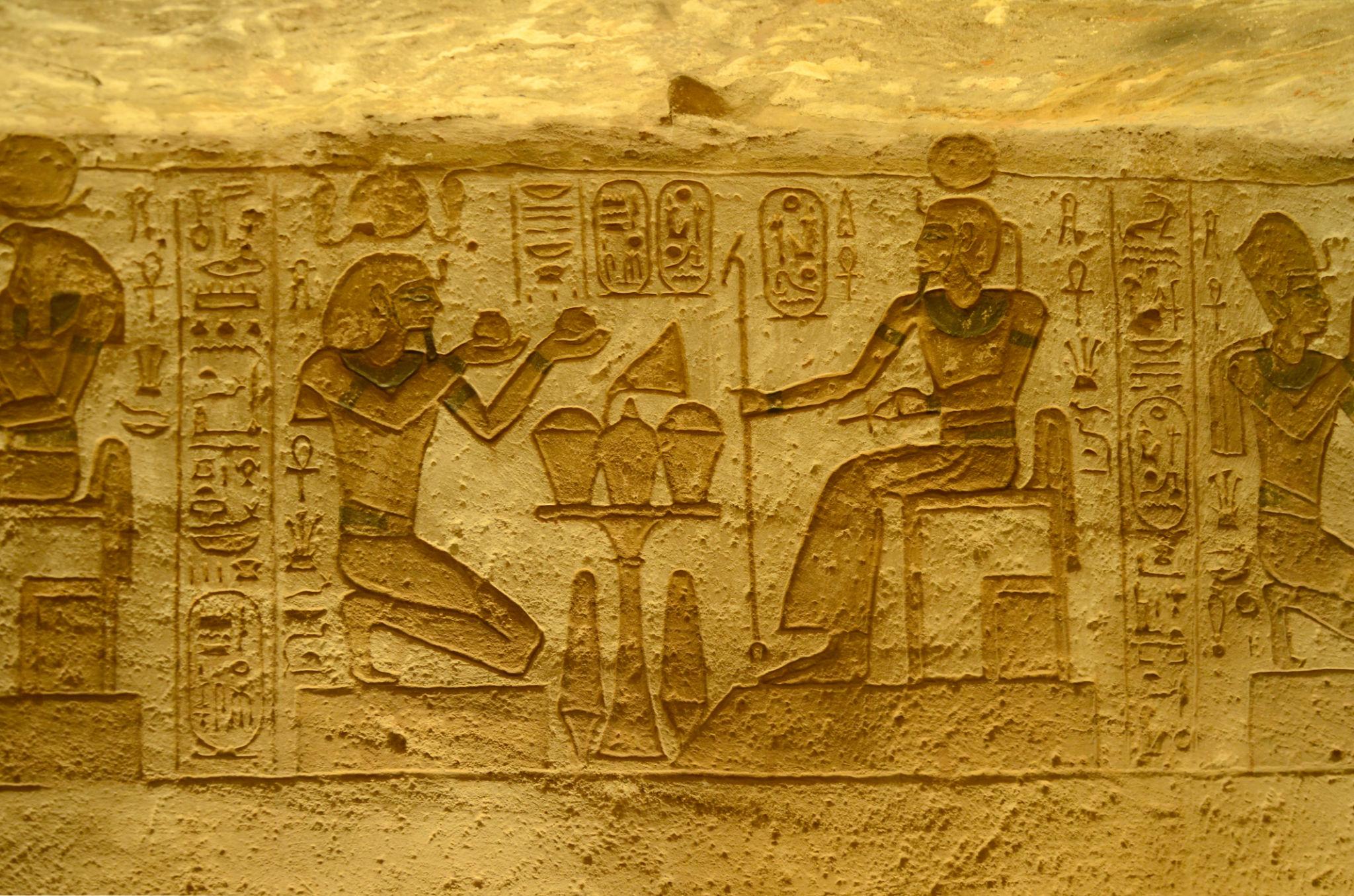
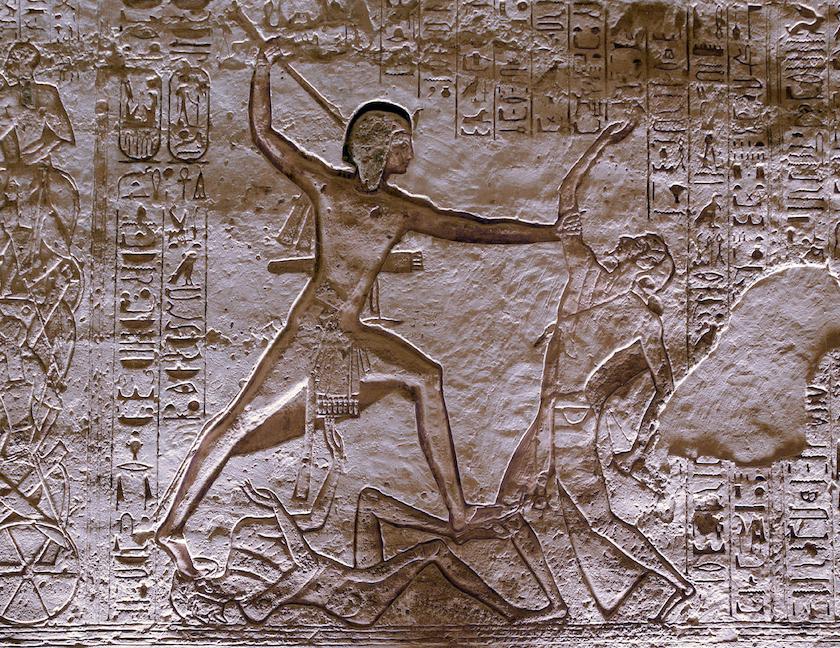
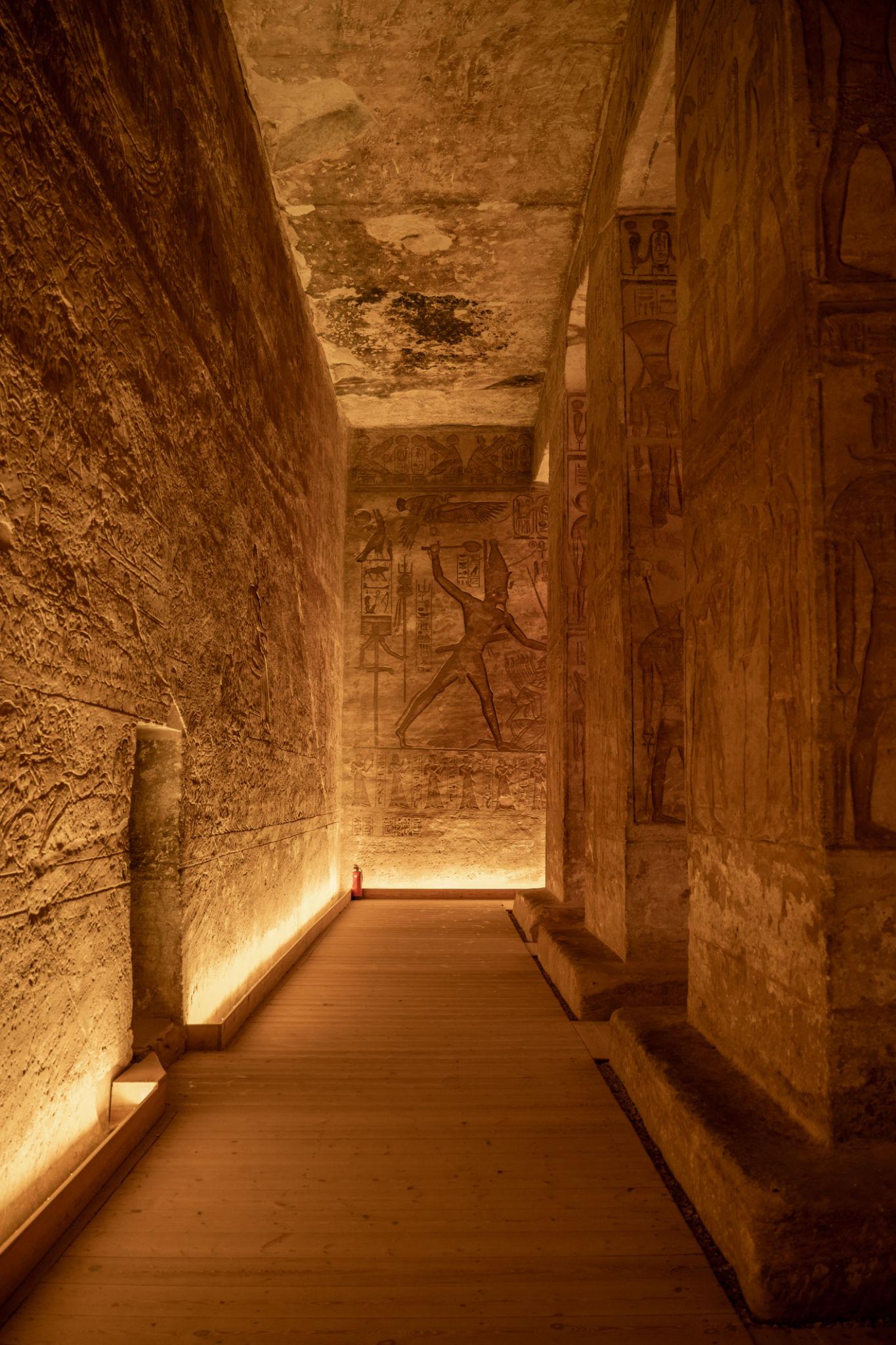
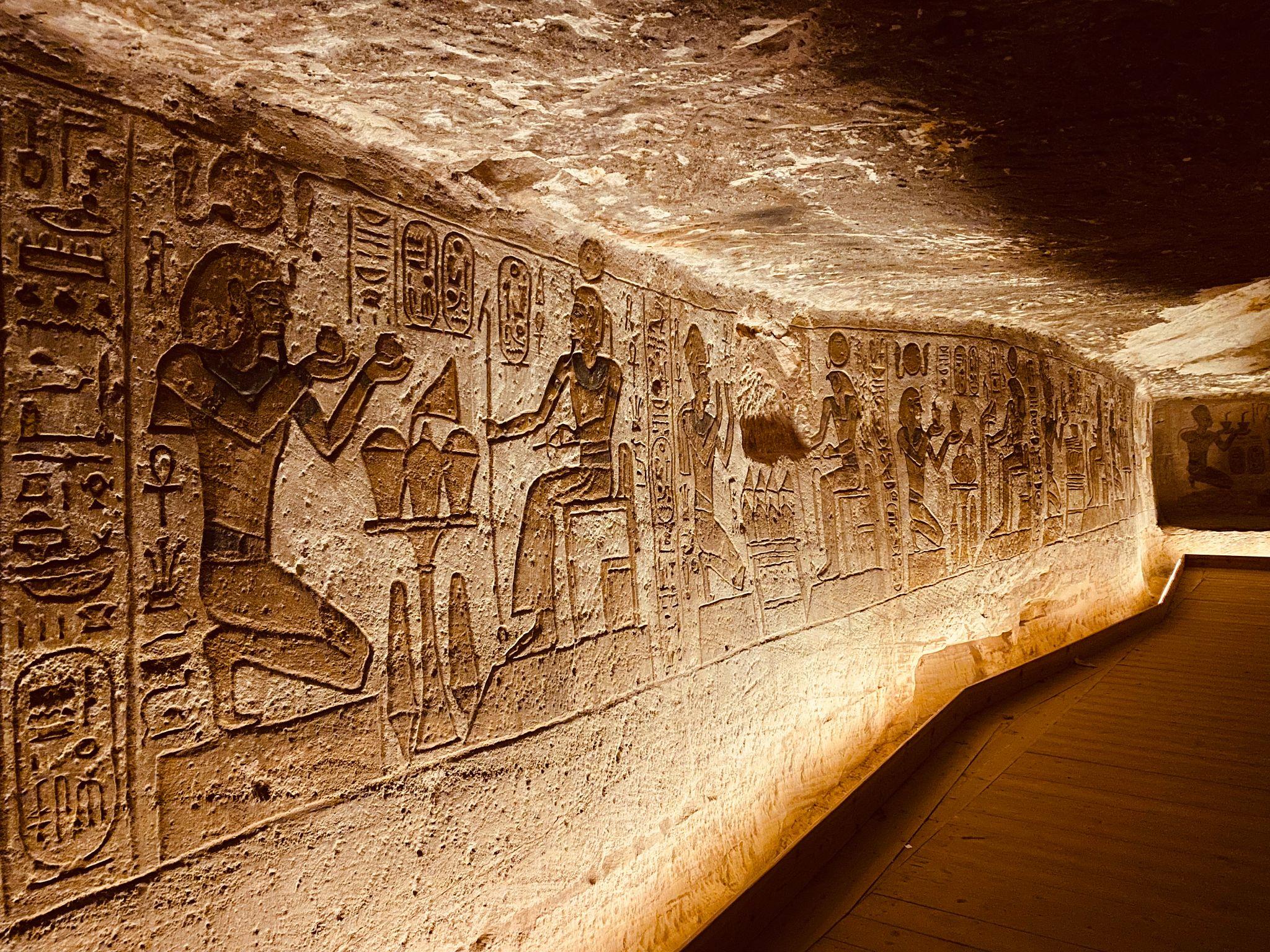
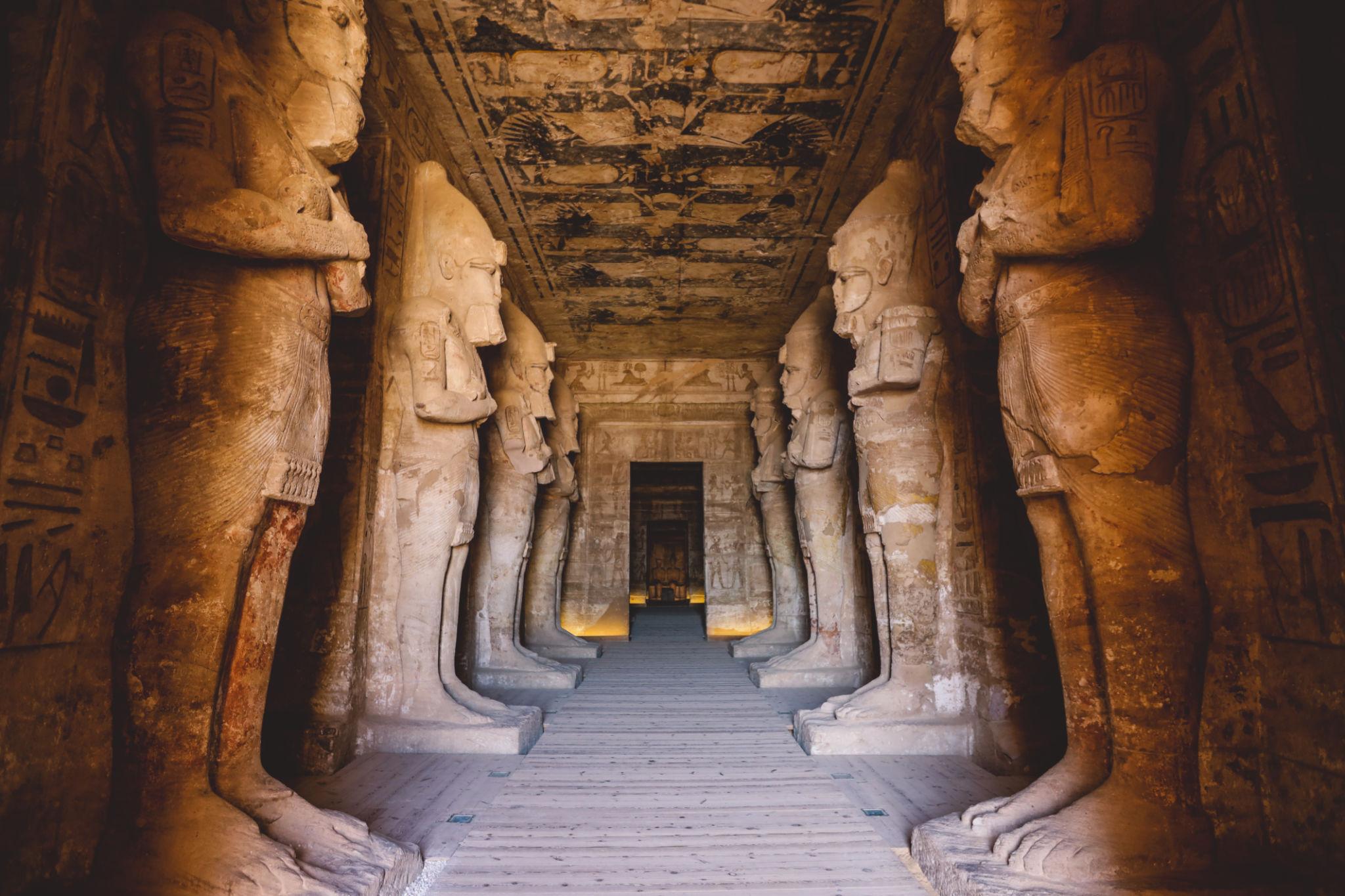
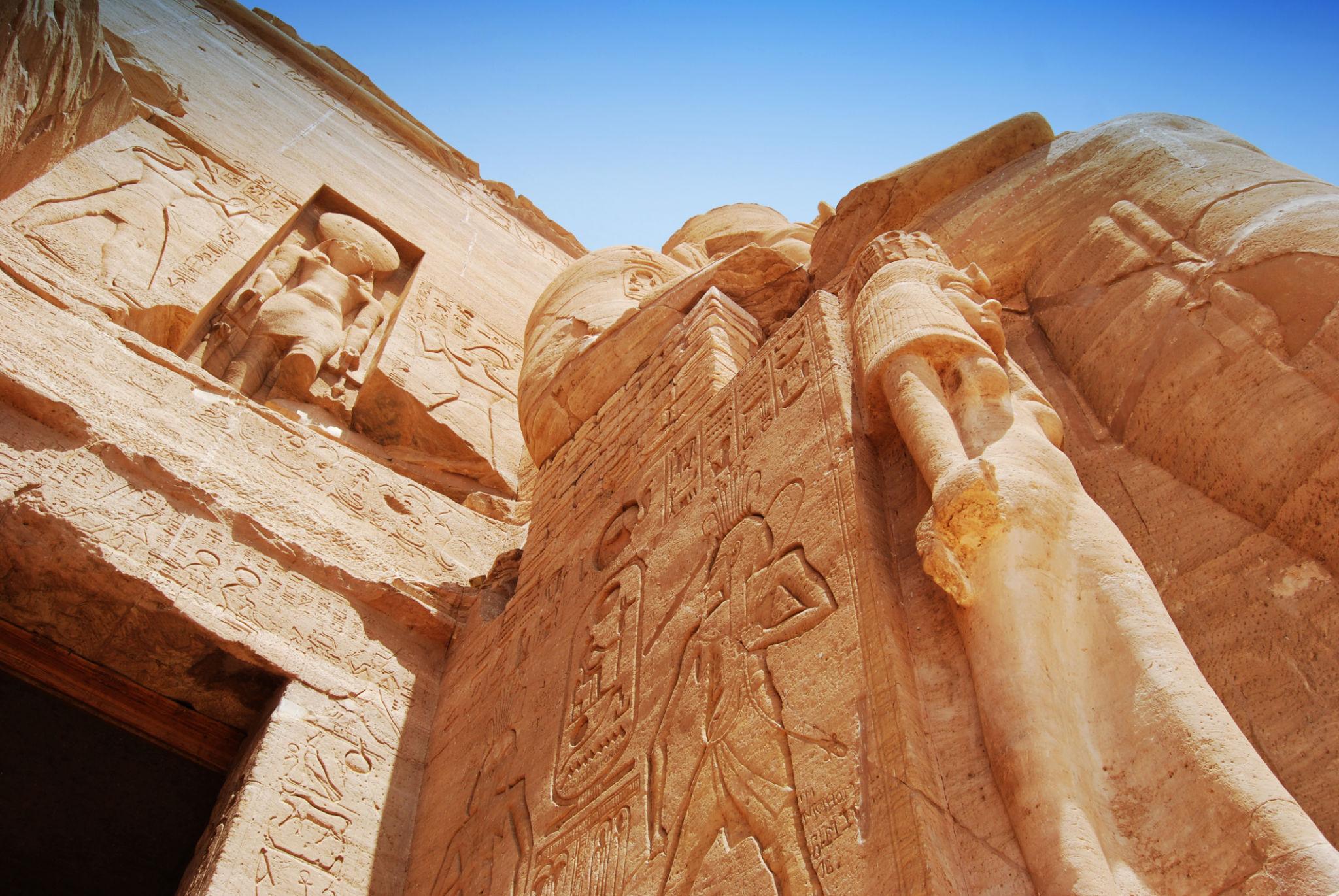
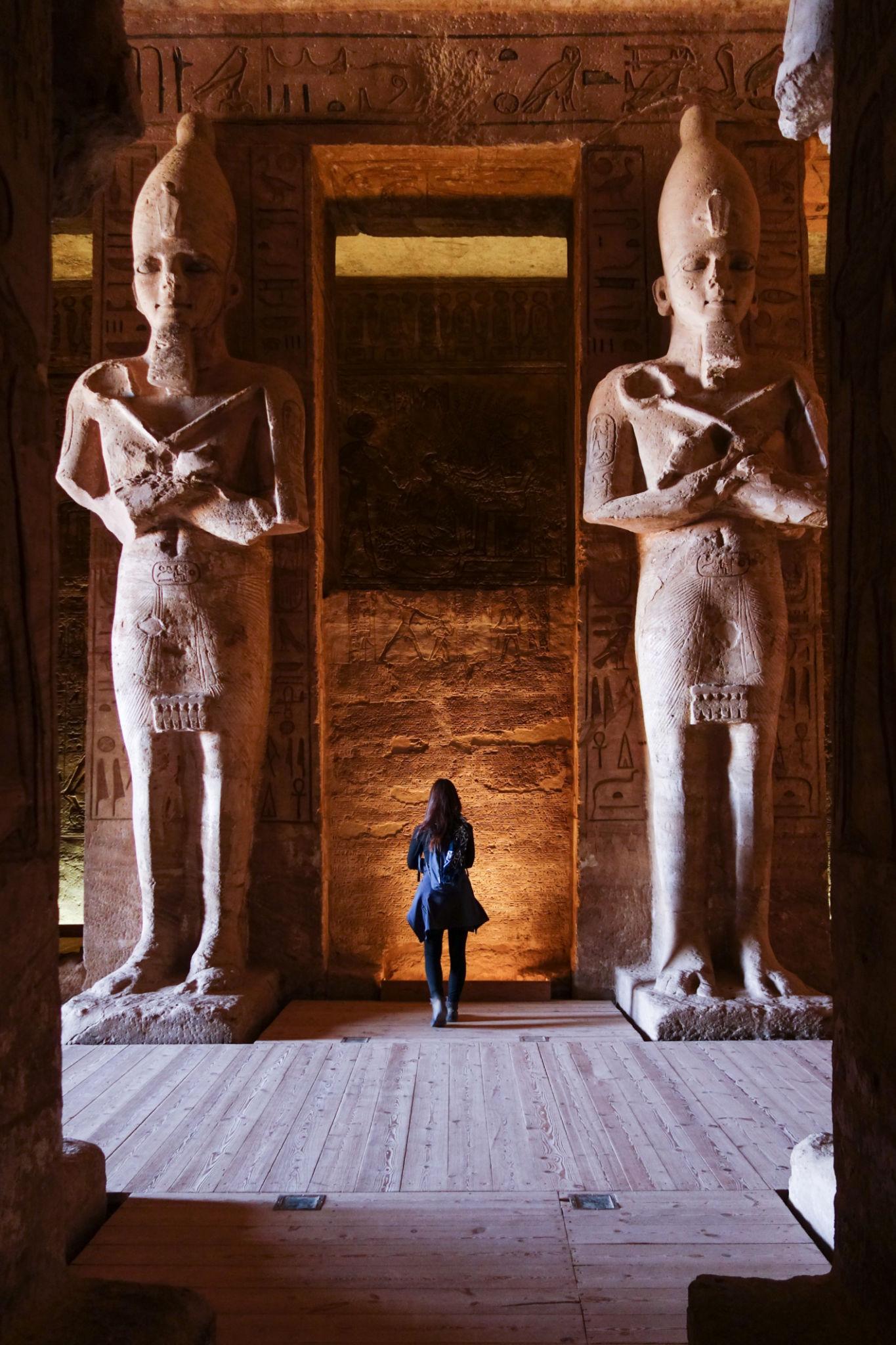
The main temple features four colossal 20-meter seated statues of Ramesses II carved directly from the sandstone cliff face, each weighing approximately 1,200 tons — their scale is genuinely difficult to comprehend until you stand at their feet and realize that a single royal ear is taller than a person. Between and beneath the giant figures, smaller statues depict members of the royal family including Queen Nefertari, Queen Tuya, and several of Ramesses' many children. Inside, the temple extends 56 meters into the mountainside through a series of halls supported by eight Osiride pillars — massive columns carved in the form of Ramesses as the god Osiris — with walls covered in vivid reliefs depicting the Battle of Kadesh against the Hittites, one of the most detailed battle narratives surviving from the ancient world. The progression from the blinding desert sunlight through the pillared halls into the pitch-dark inner sanctuary creates a powerful symbolic journey from the world of the living into the realm of the gods.
Small Temple of Nefertari
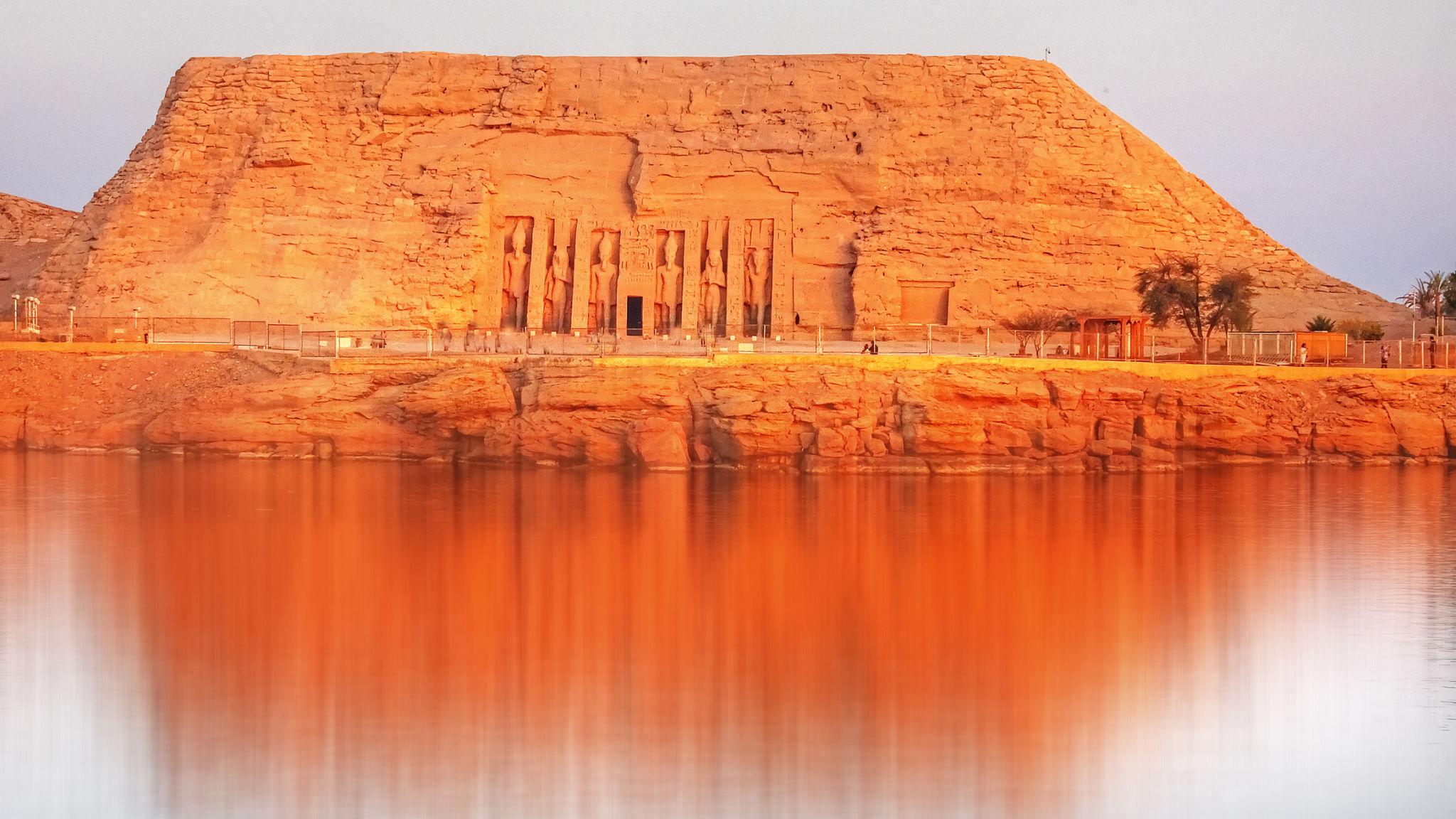
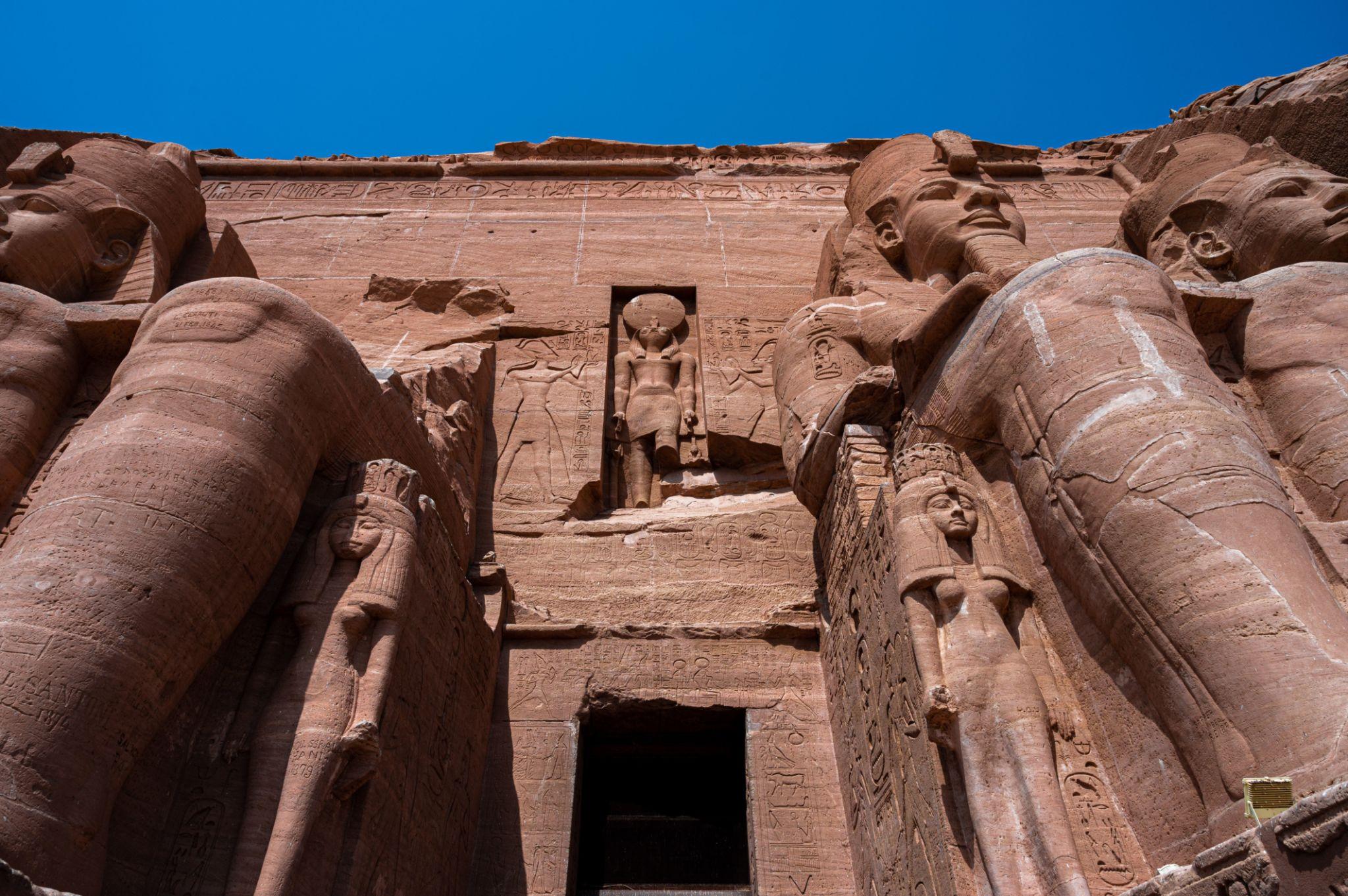
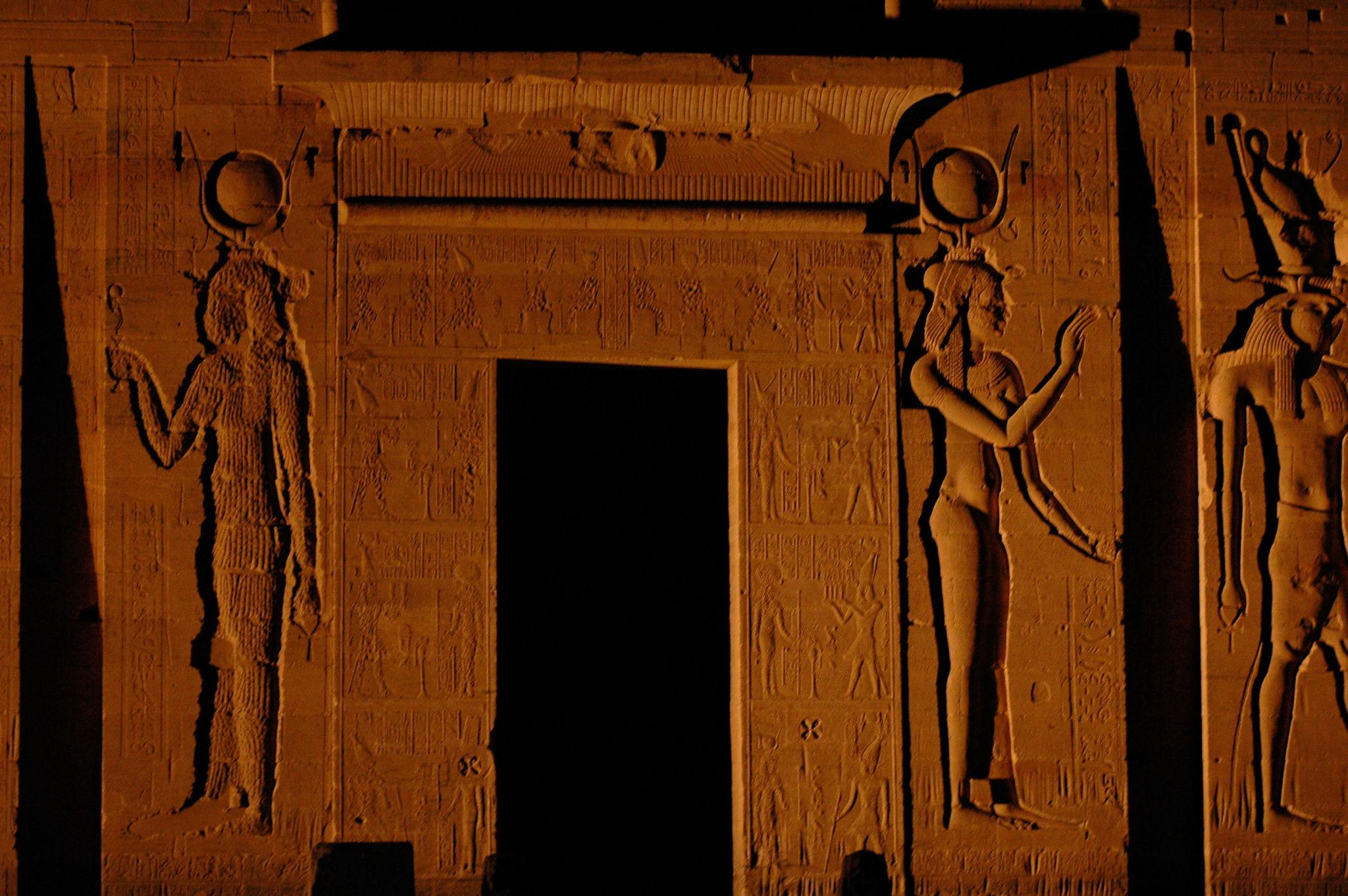
Dedicated to Ramesses II's beloved Great Royal Wife Nefertari and the goddess Hathor, this elegant temple is one of only two temples in all of Egyptian history where a queen is depicted at the same monumental scale as her pharaoh husband on the facade — a gesture of extraordinary devotion and political equality. Six colossal standing statues adorn the entrance: four of Ramesses and two of Nefertari, each flanked by smaller figures of their children, the queen wearing the distinctive Hathor crown of cow horns and sun disc. Inside, the walls show Nefertari participating in religious rituals alongside the gods, crowned by Isis and Hathor — scenes that emphasize her divine status and role as an equal partner in Egypt's cosmic order. The temple's more intimate scale compared to the Great Temple makes it arguably more beautiful, and many visitors find its elegance and the story of royal love behind it more moving than the sheer spectacle of its larger neighbor.
Solar Alignment
On February 22 and October 22 each year — dates believed to correspond to Ramesses II's birthday and coronation anniversary — the rising sun penetrates 60 meters through the temple's precisely aligned entrance, central hall, and corridor to illuminate three of the four seated statues in the inner sanctuary: Amun-Ra, Ra-Horakhty, and the deified Ramesses himself. The fourth statue — Ptah, associated with the underworld and darkness — remains perpetually in shadow, a deliberate and brilliant piece of astronomical and theological engineering achieved over 3,200 years ago. The alignment is so precise that the beam of light hits the statues for only about 20 minutes before the sun moves on, drawing thousands of visitors who gather before dawn on these two dates each year for the spectacle. Since the temple's relocation to higher ground in the 1960s, the alignment occurs one day later than it originally did — the sole imperfection in an otherwise flawless engineering rescue.
UNESCO Rescue Exhibition
A small but fascinating exhibition housed behind the temples documents the incredible 1960s relocation project — one of the greatest feats of archaeological engineering in modern history — through photographs, diagrams, scale models, and film footage. The exhibition explains how the entire temple complex was meticulously surveyed, then cut into 2,000 blocks weighing up to 30 tons each using hand saws (power tools would have cracked the fragile sandstone), transported 65 meters uphill, and reassembled with millimeter precision inside an artificial concrete-domed mountain designed to replicate the original cliff. The sheer ambition and logistical complexity of the project — carried out in the Nubian desert under extreme heat with 1960s technology — is almost as impressive as the ancient temple itself. The exhibition provides essential context that deepens appreciation for both the ancient builders who carved the temple and the modern engineers who saved it.
Historical Details
Ramesses the Great
Ramesses II ruled for 66 years (c. 1279–1213 BC) — the second-longest reign in Egyptian history — and was ancient Egypt's most prolific builder, responsible for more temples, colossi, and monuments than any other pharaoh. Abu Simbel served simultaneously as a temple dedicated to the gods Amun-Ra, Ra-Horakhty, and Ptah, a celebration of Ramesses' claimed victory at the Battle of Kadesh, and a powerful propaganda tool — its colossal facade was deliberately positioned to face south, designed to awe and intimidate Nubian peoples approaching Egypt's southern border. Ramesses fathered over 100 children, outlived many of his sons, and was so revered that nine later pharaohs took his name. His mummy, discovered in the Deir el-Bahari cache and now displayed at the NMEC in Cairo, reveals a tall man with a prominent aquiline nose and red-dyed hair who suffered from arthritis and dental problems in his final decades.
The UNESCO Rescue
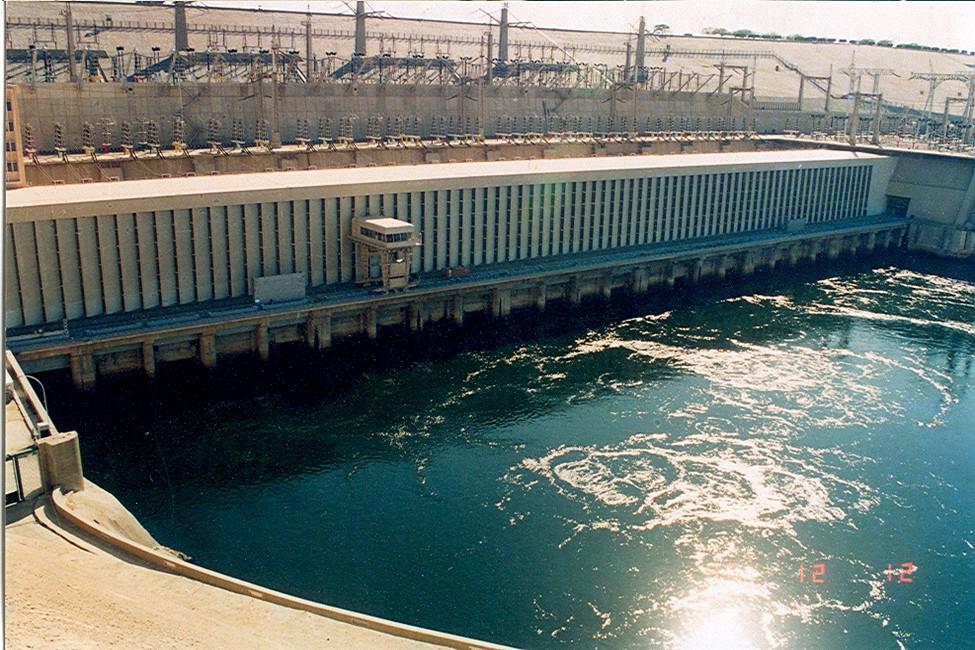
Between 1964 and 1968, in response to the rising waters of Lake Nasser created by the Aswan High Dam, an international team of engineers and archaeologists undertook the most ambitious archaeological rescue in history — dismantling and relocating the entire Abu Simbel complex to higher ground. The temples were cut into over 2,000 precisely numbered sandstone blocks weighing up to 30 tons each, transported 65 meters uphill and 200 meters back from the river, and reassembled with extraordinary precision inside an artificial mountain built from reinforced concrete domes. The project cost $40 million (equivalent to over $300 million today) and involved engineers, archaeologists, and workers from more than 50 countries, making it one of the first great international cultural preservation campaigns. The rescue of Abu Simbel directly inspired the creation of the UNESCO World Heritage Convention in 1972, establishing the principle that cultural heritage belongs to all humanity — a legacy as significant as the temples themselves.
Visitor Tips
- Most visitors fly from Aswan (30 minutes) or take the 3-hour convoy bus at 4 AM
- If taking the bus, the early start is worth it — arrival at sunrise is magical
- Plan around Feb 22 or Oct 22 for the solar alignment festival (book far in advance)
- Bring a hat and sunscreen — there is no shade at the temple entrance
Related Monuments
Opening Hours
5 AM – 6 PM
Entry Fee
820 EGP (foreign visitor); Sound & Light show 960 EGP
Period
New Kingdom, c. 1264 BC
Built By
Pharaoh Ramesses II