Valley of the Queens

The royal burial ground of Egypt's queens and princes — home to the breathtaking tomb of Nefertari.

6 AM4 PM100 EGP (general), 1,400 EGP (Tomb of Nefertari)25.7273, 32.5979

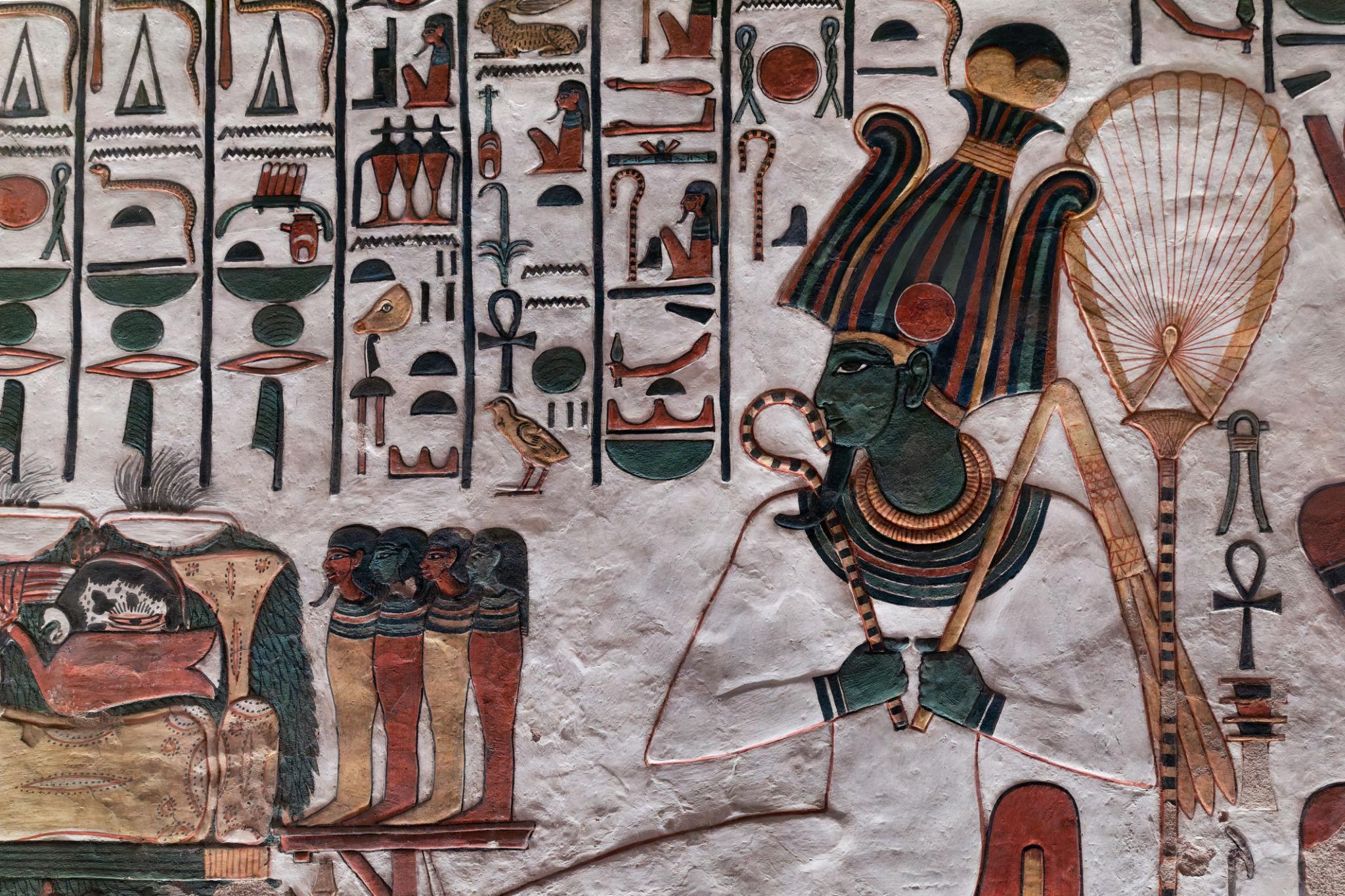
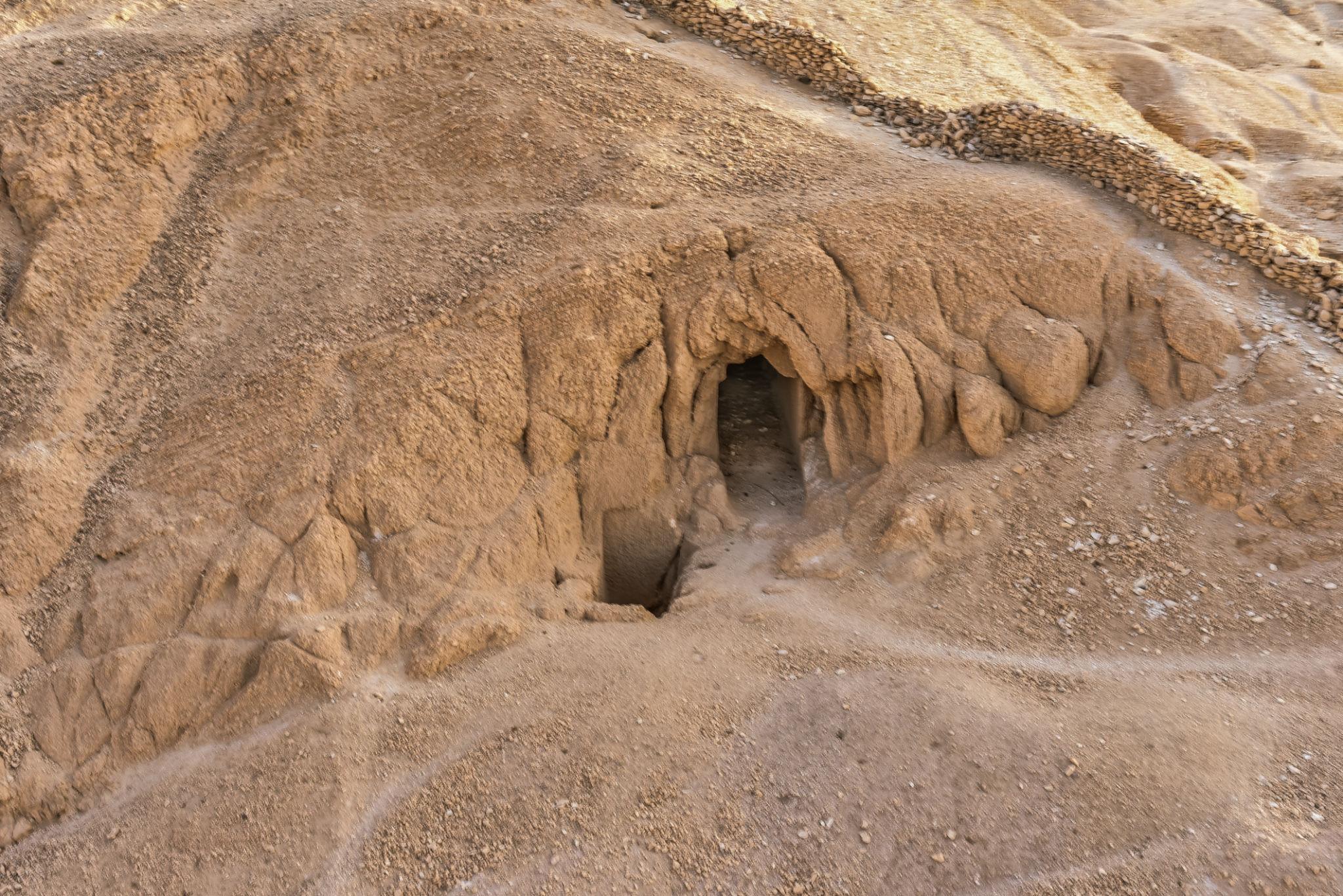
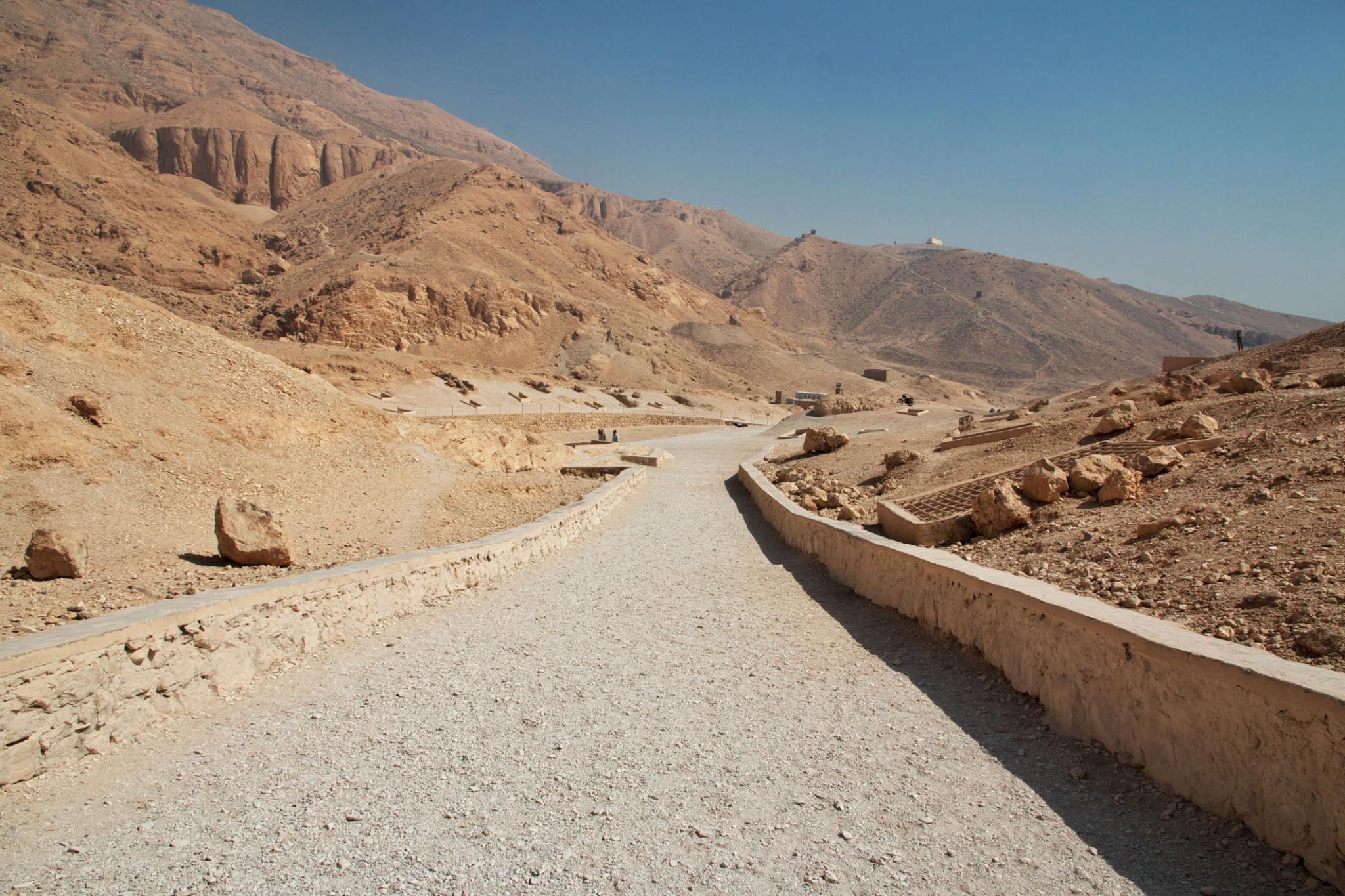
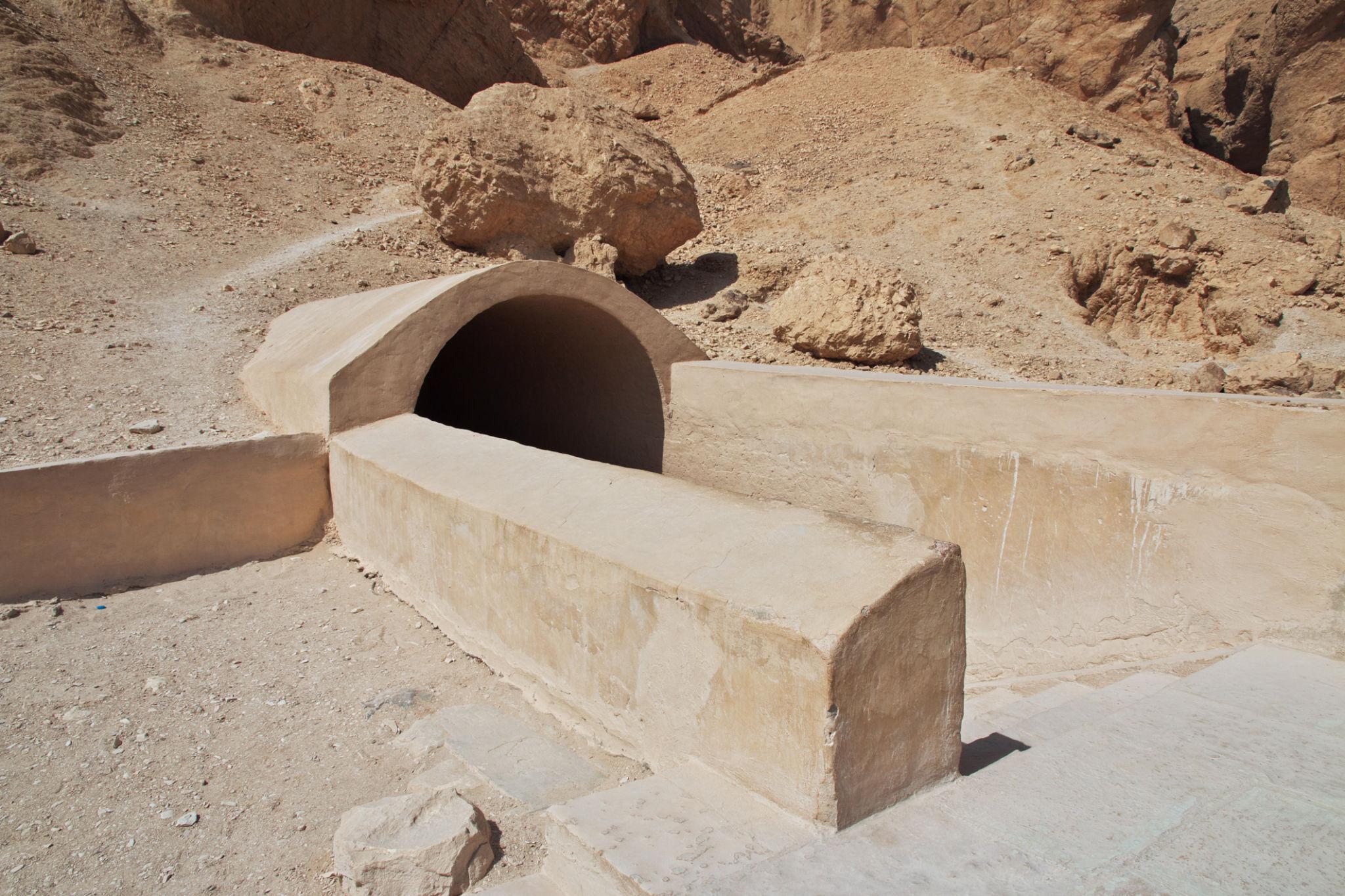
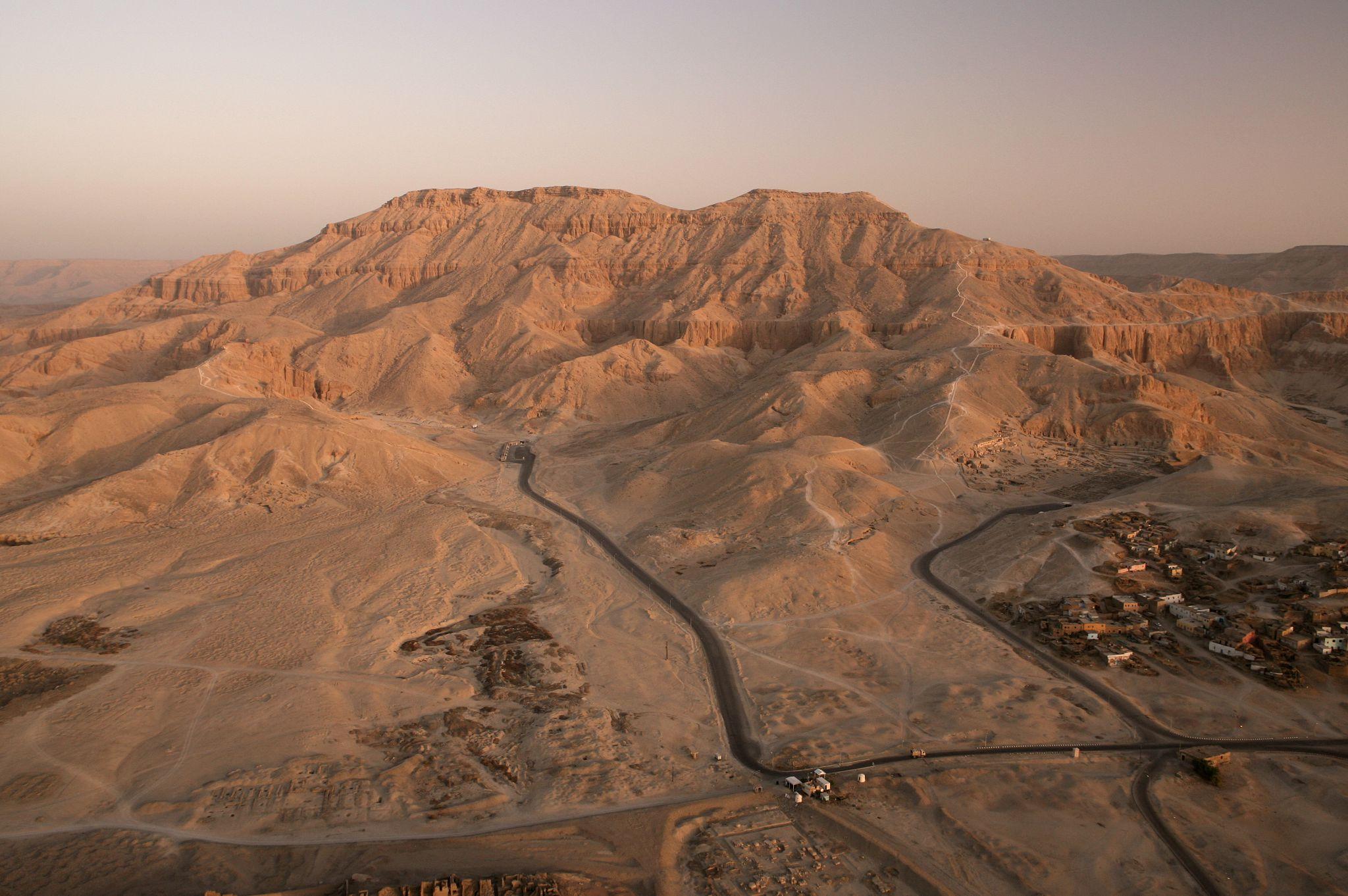
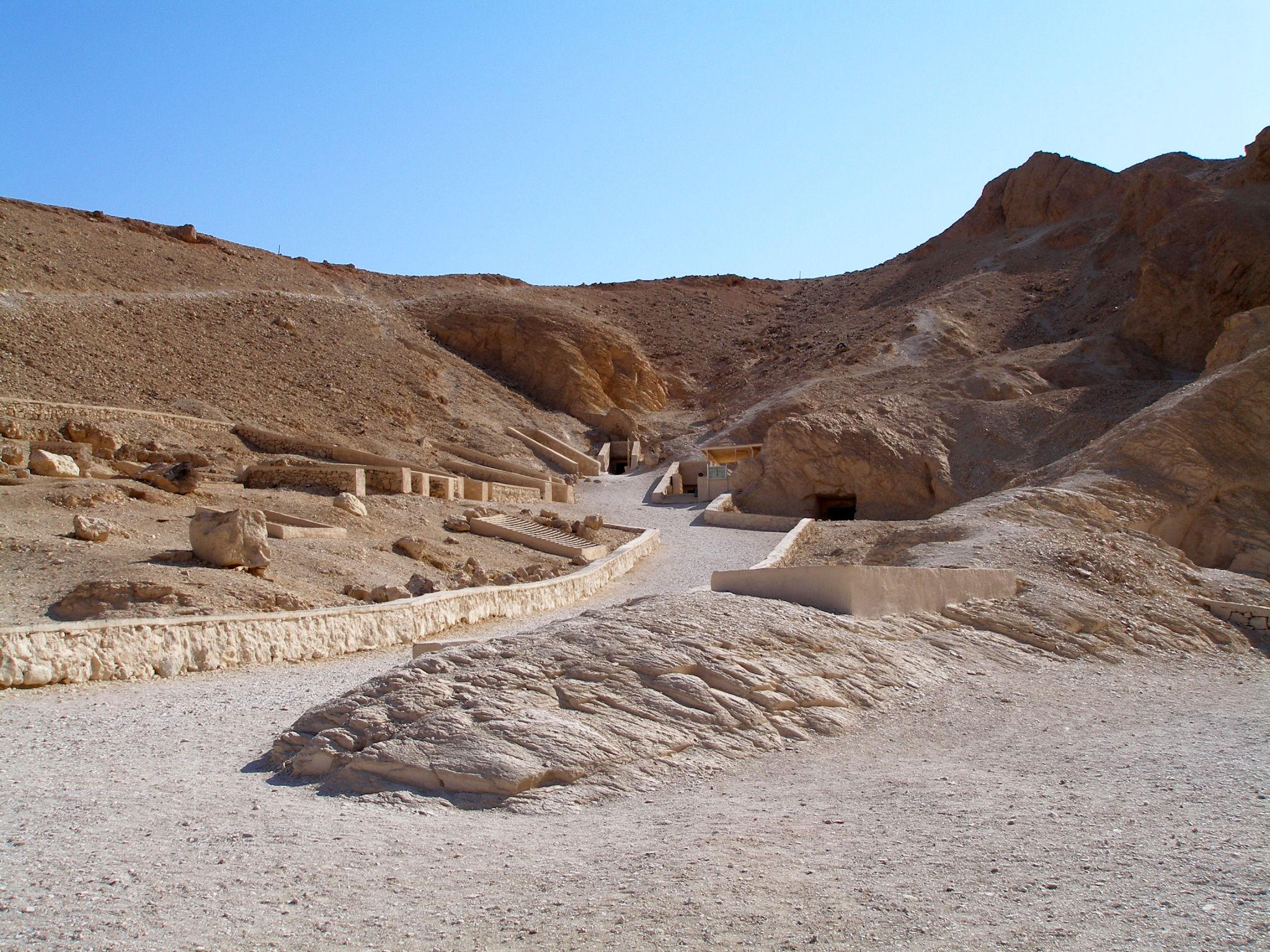
The Valley of the Queens (known in ancient times as Ta-Set-Neferu, 'The Place of Beauty') is a necropolis on the west bank at Luxor where the wives and children of pharaohs were buried during the New Kingdom. It contains over 90 tombs, but its crown jewel is the Tomb of Nefertari — the most beautifully decorated tomb in all of Egypt, with vivid wall paintings that look as though they were completed yesterday. The valley sees far fewer visitors than the nearby Valley of the Kings, offering a more peaceful experience.

Why Visit

The Tomb of Nefertari is the most beautiful painted tomb in all of Egypt
Far fewer crowds than the Valley of the Kings — a more intimate experience
Discover the stories of powerful queens and royal children of ancient Egypt

What to See

Tomb of Nefertari (QV66)
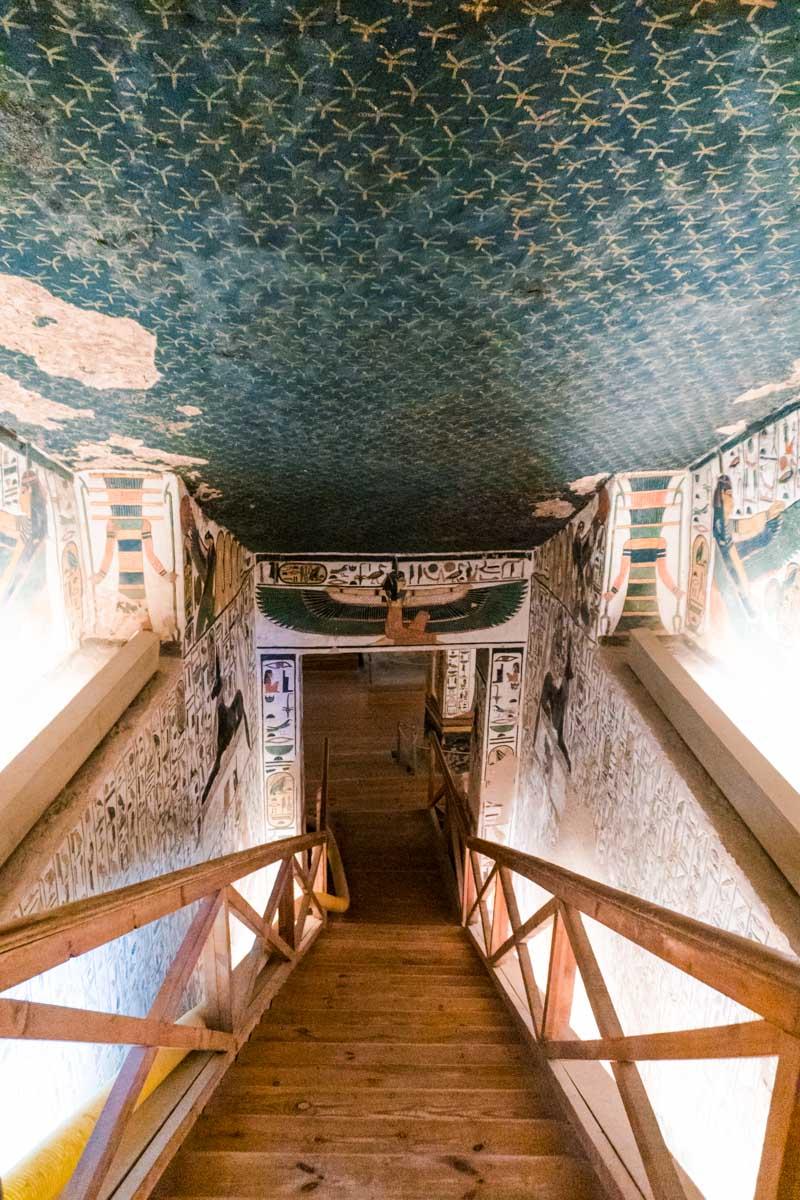
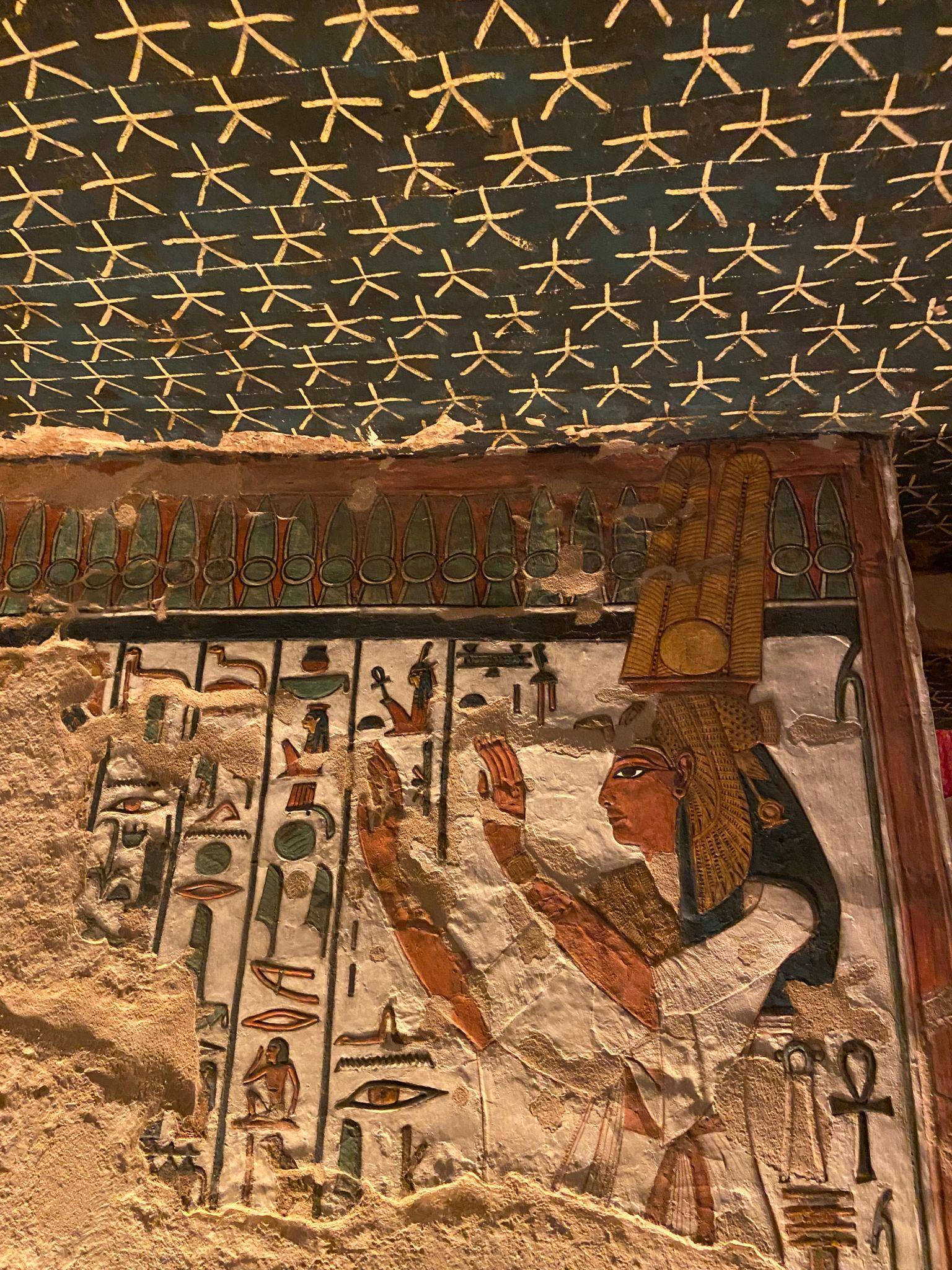
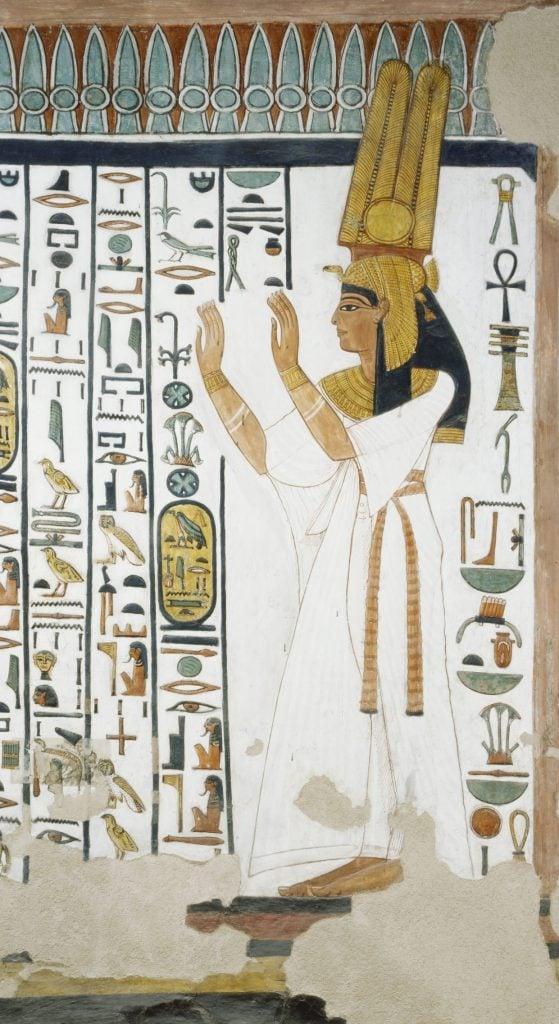
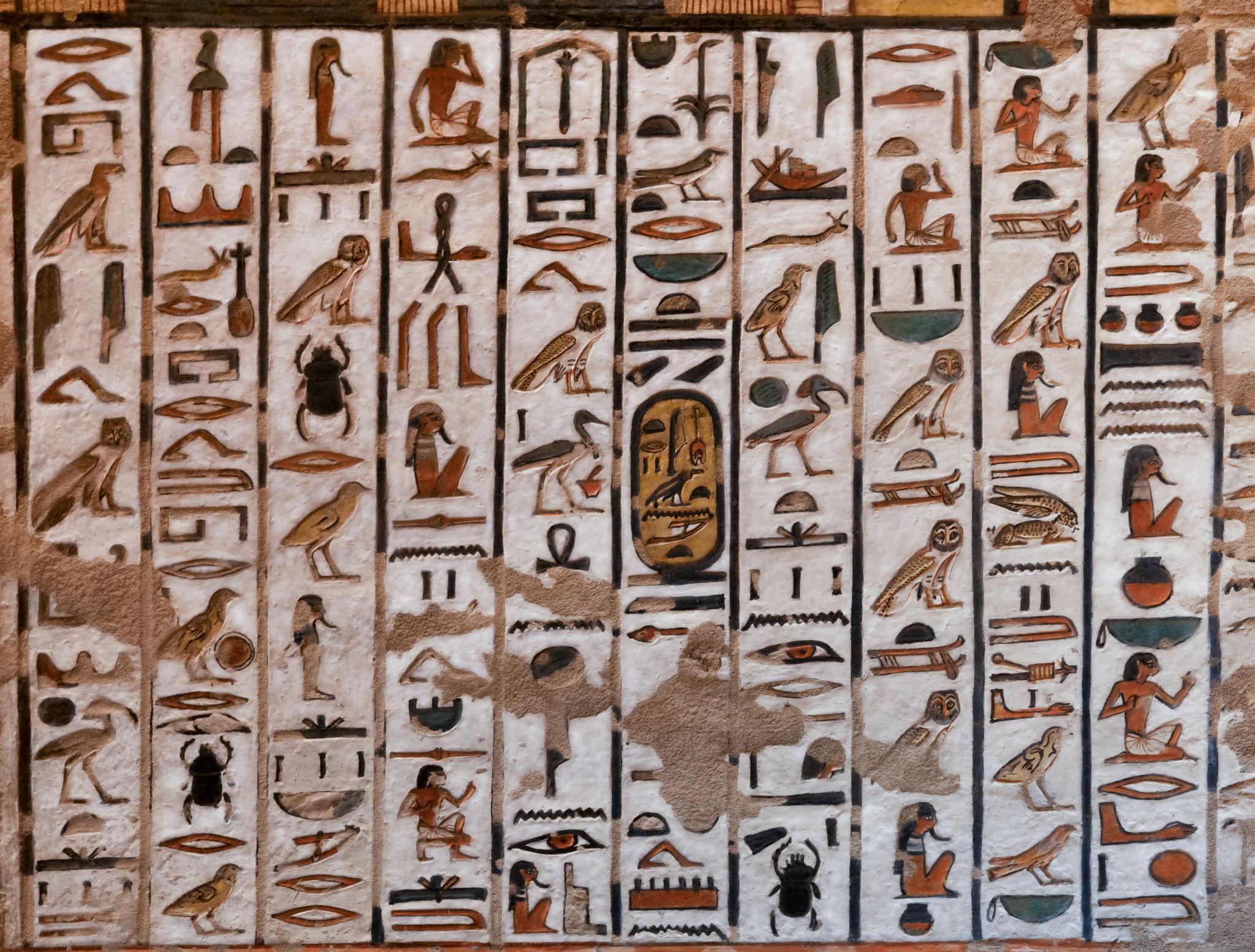
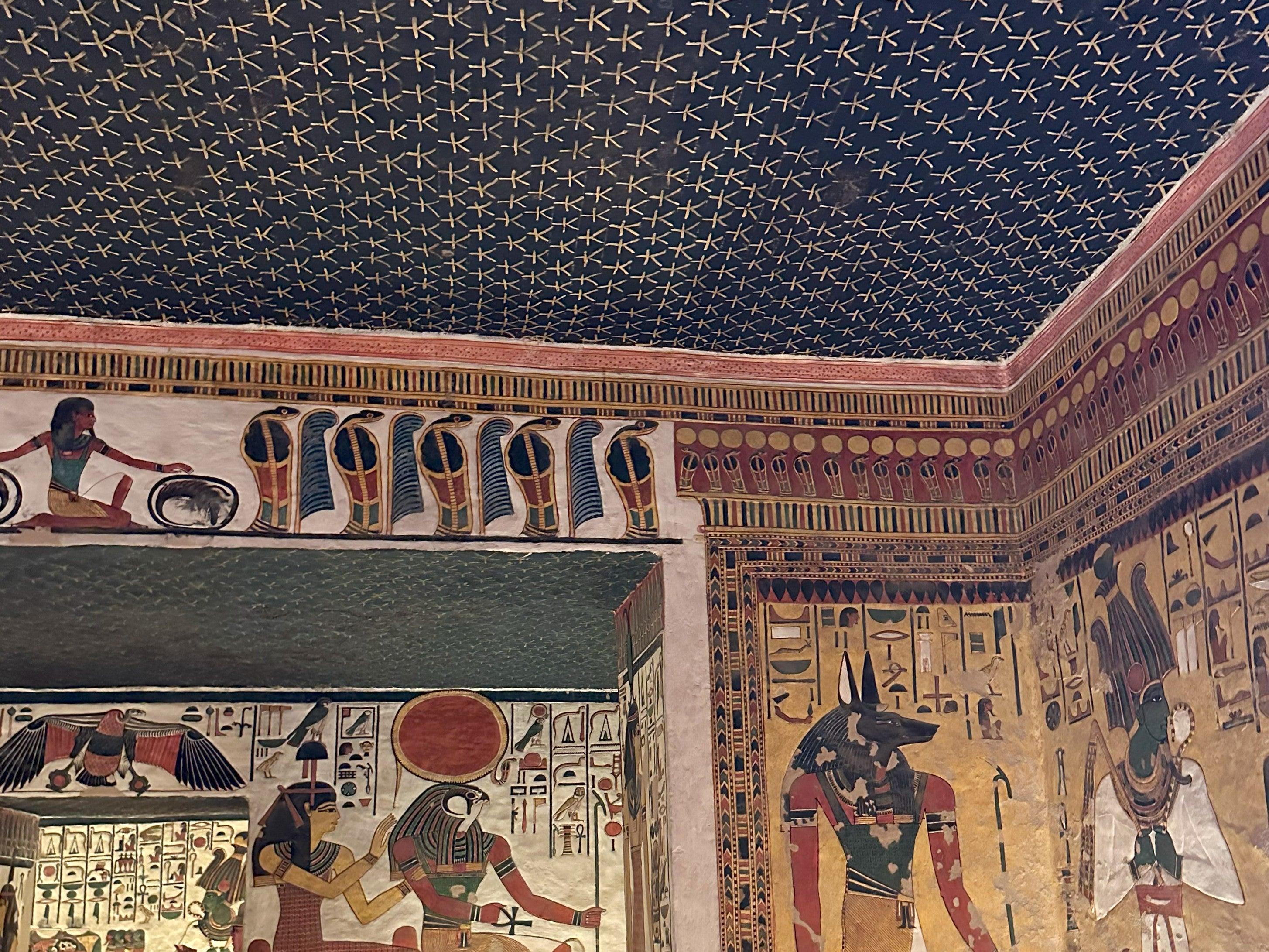
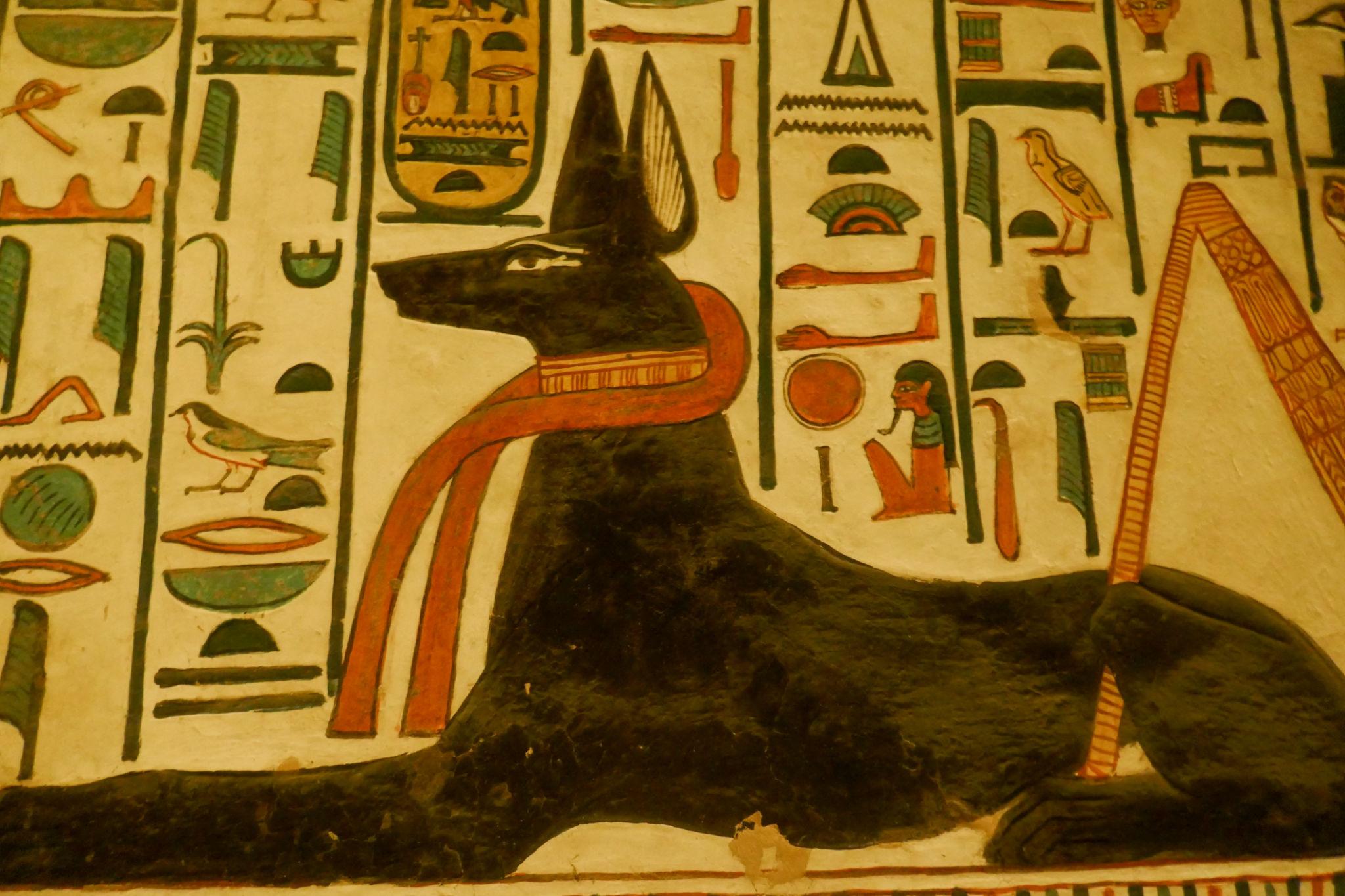
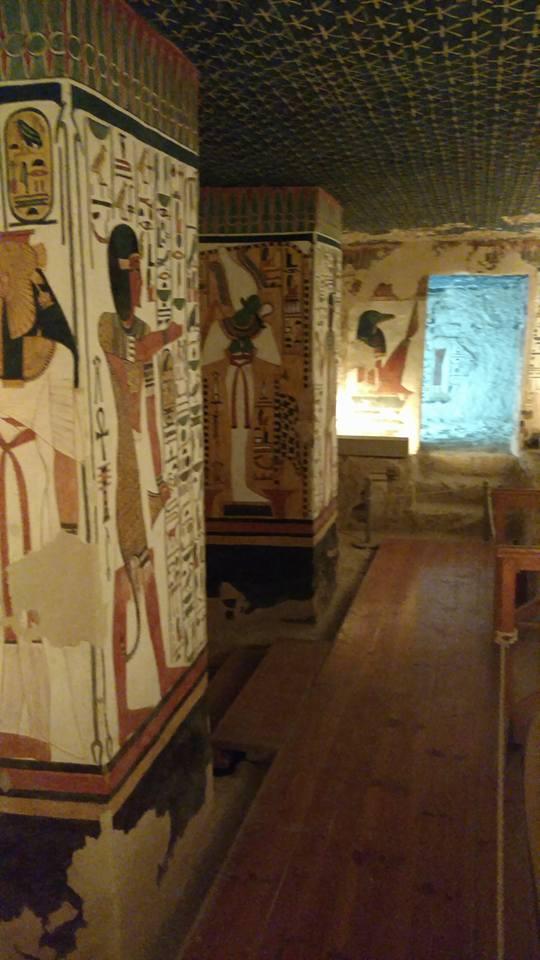
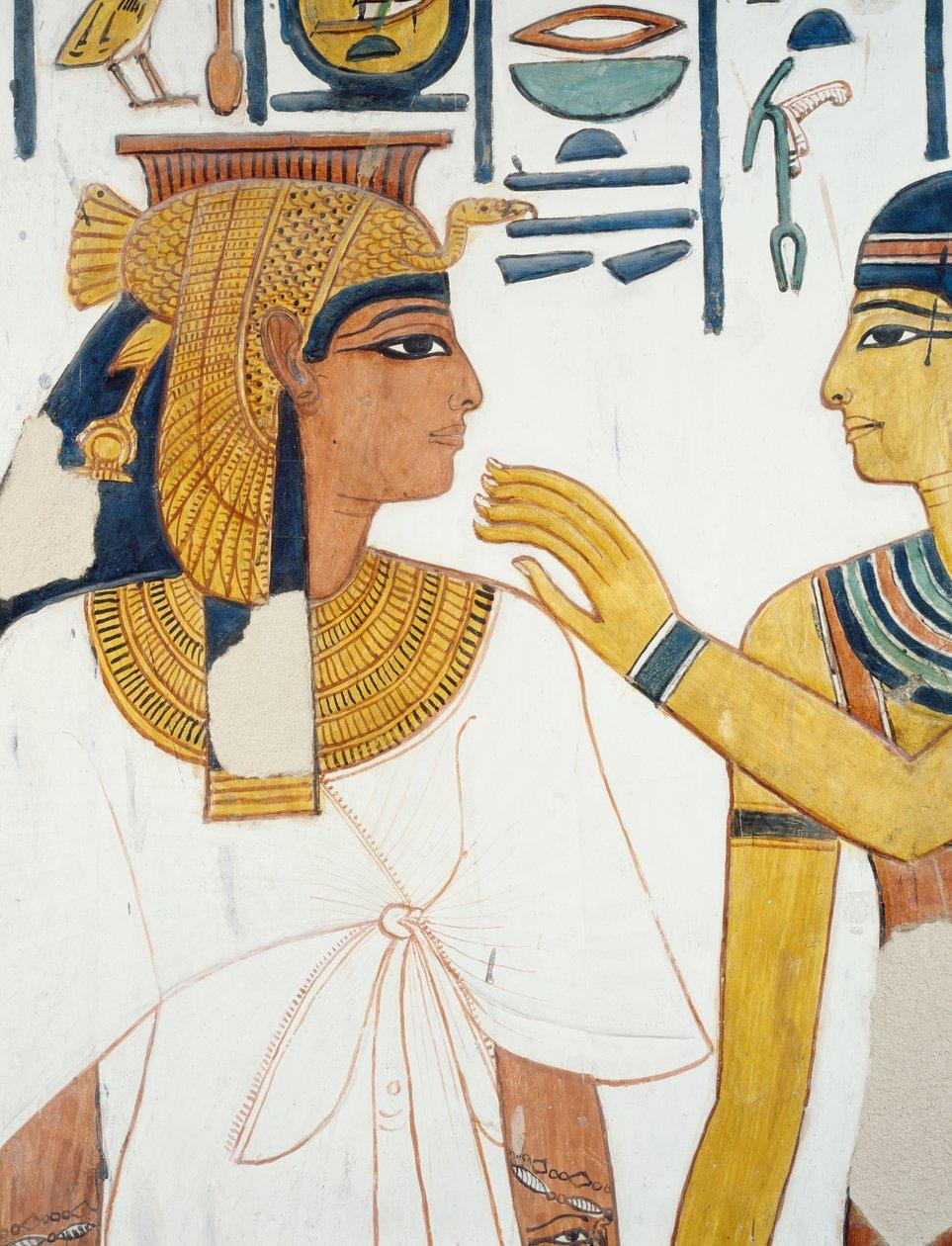
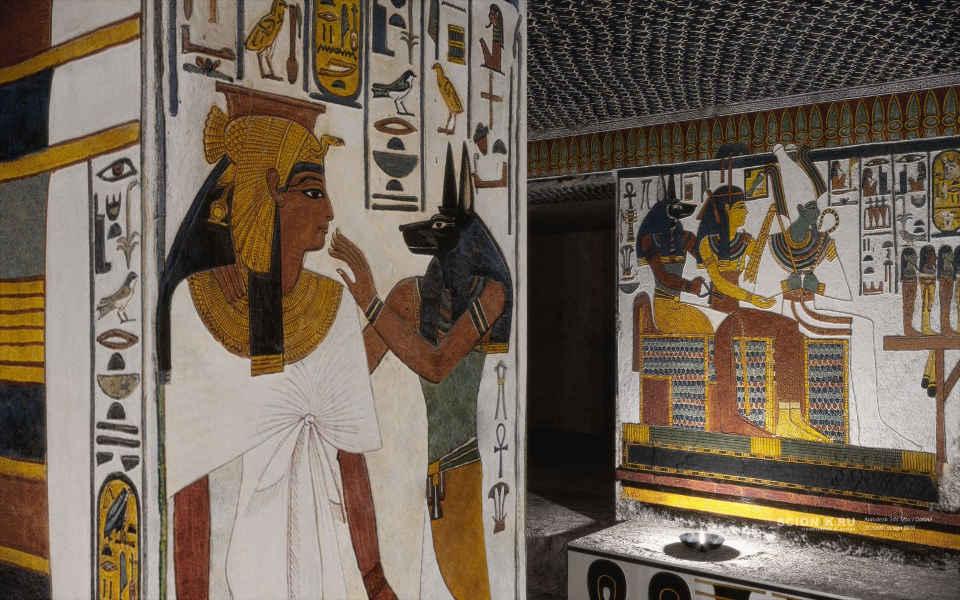
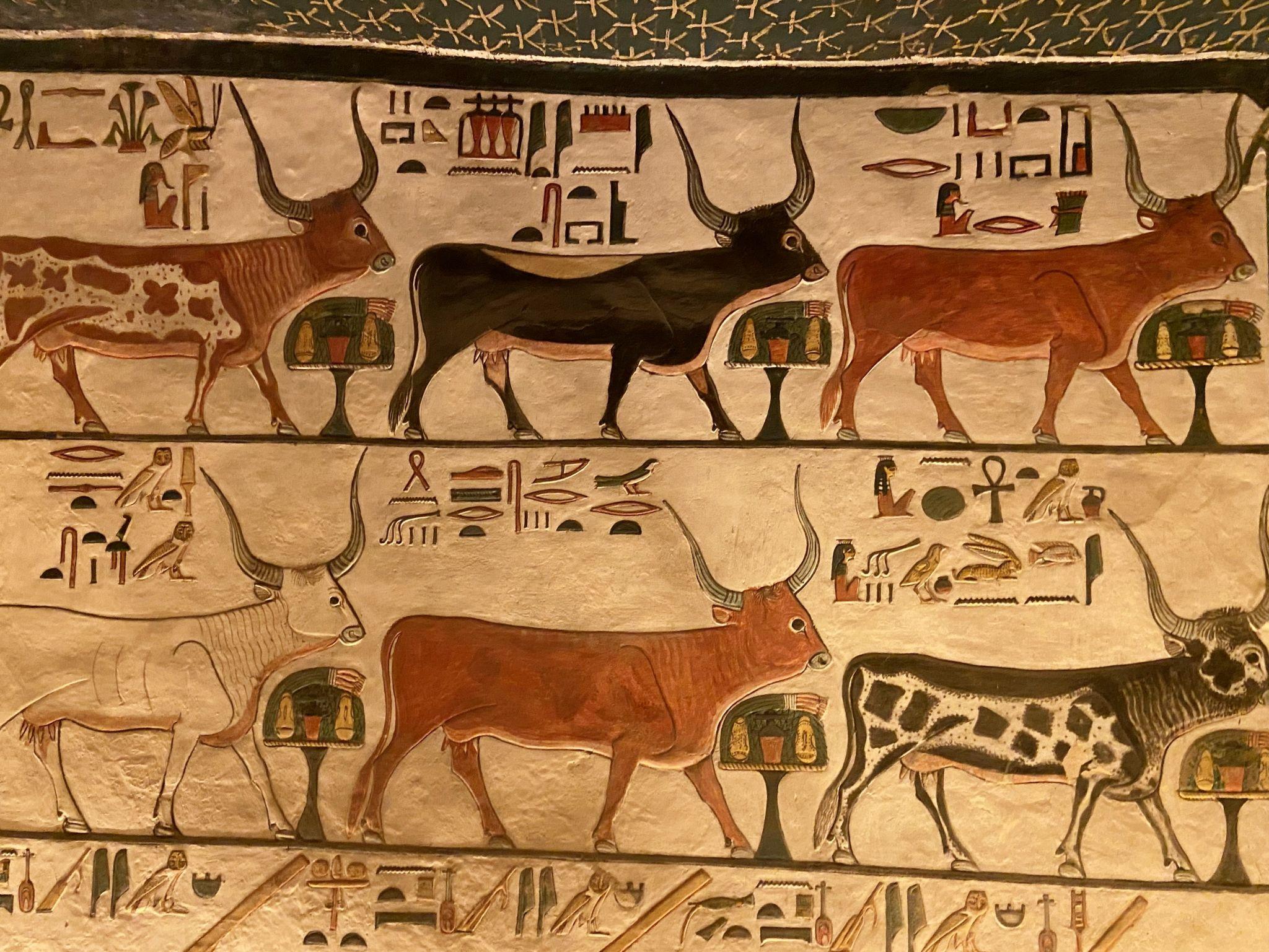
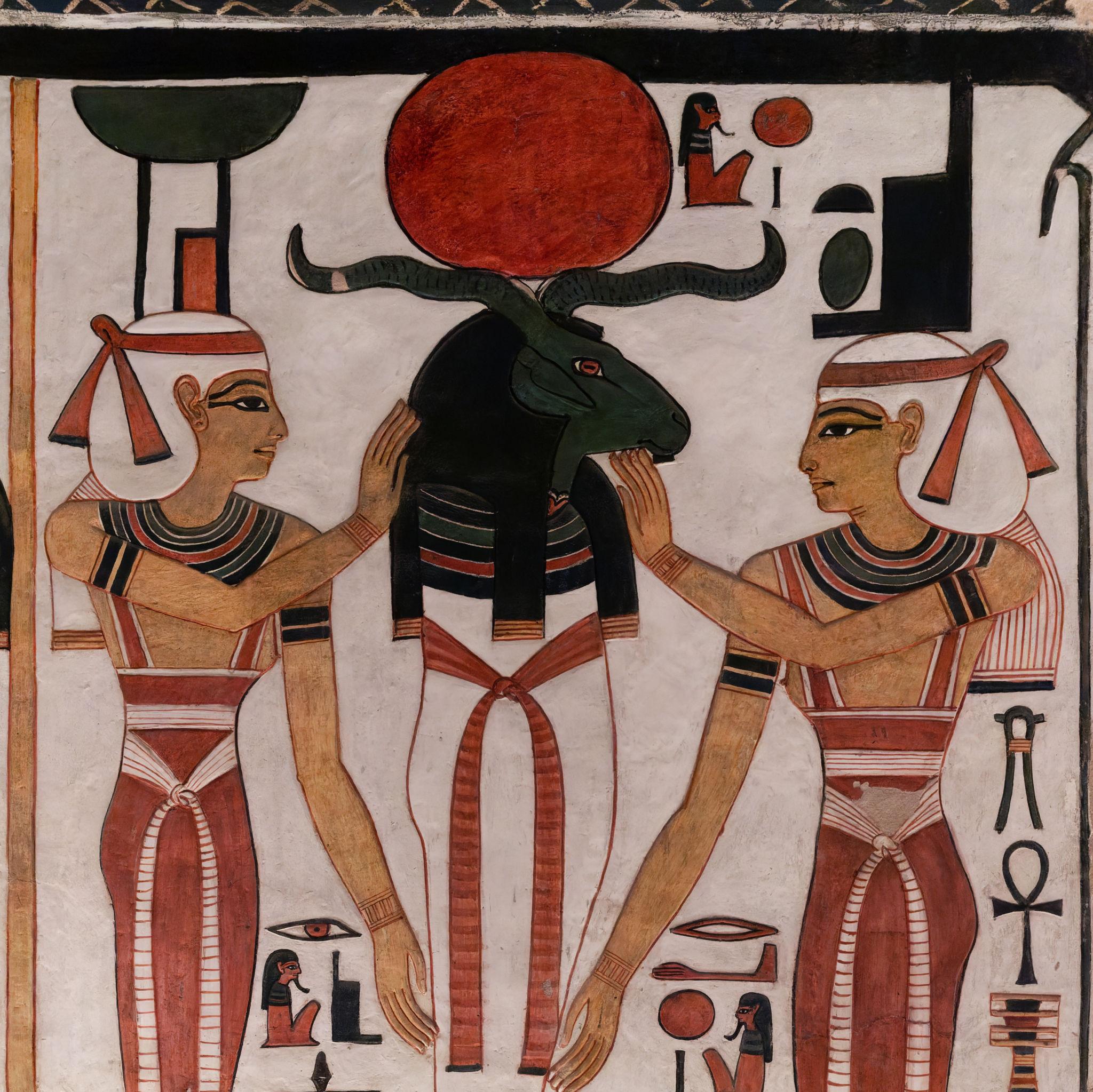
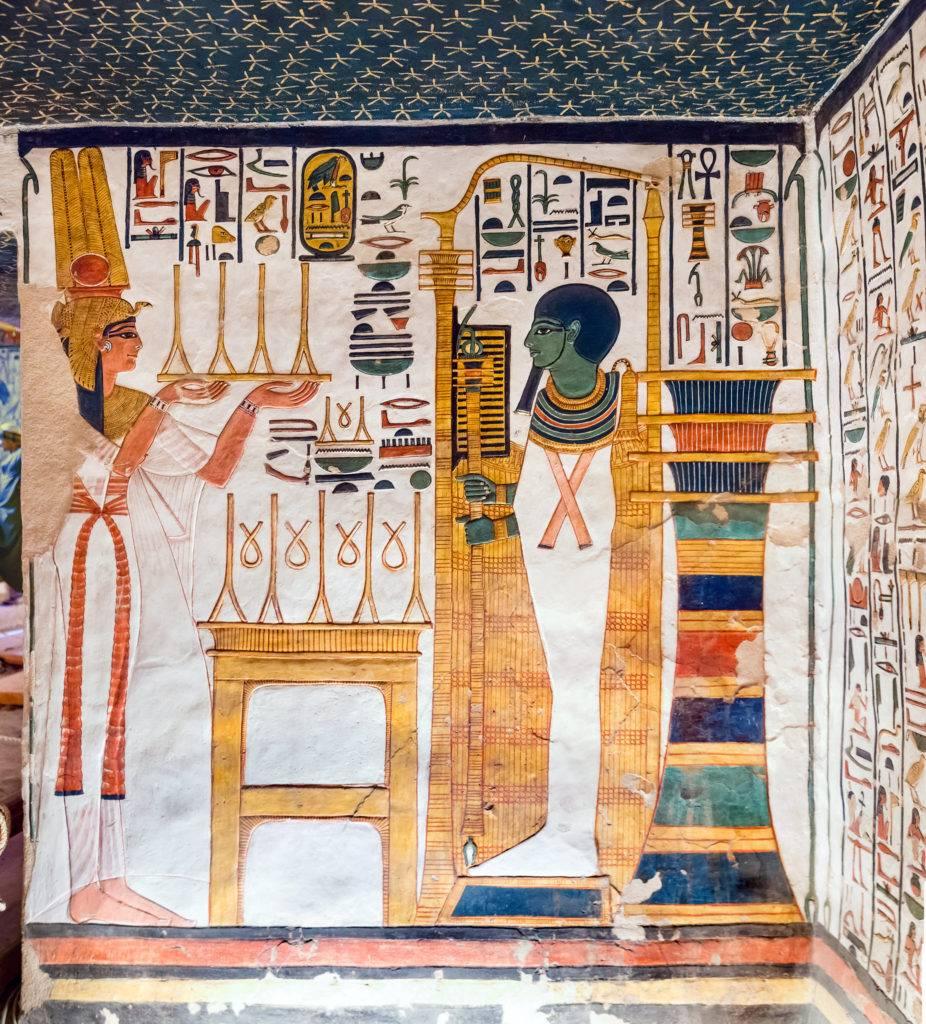
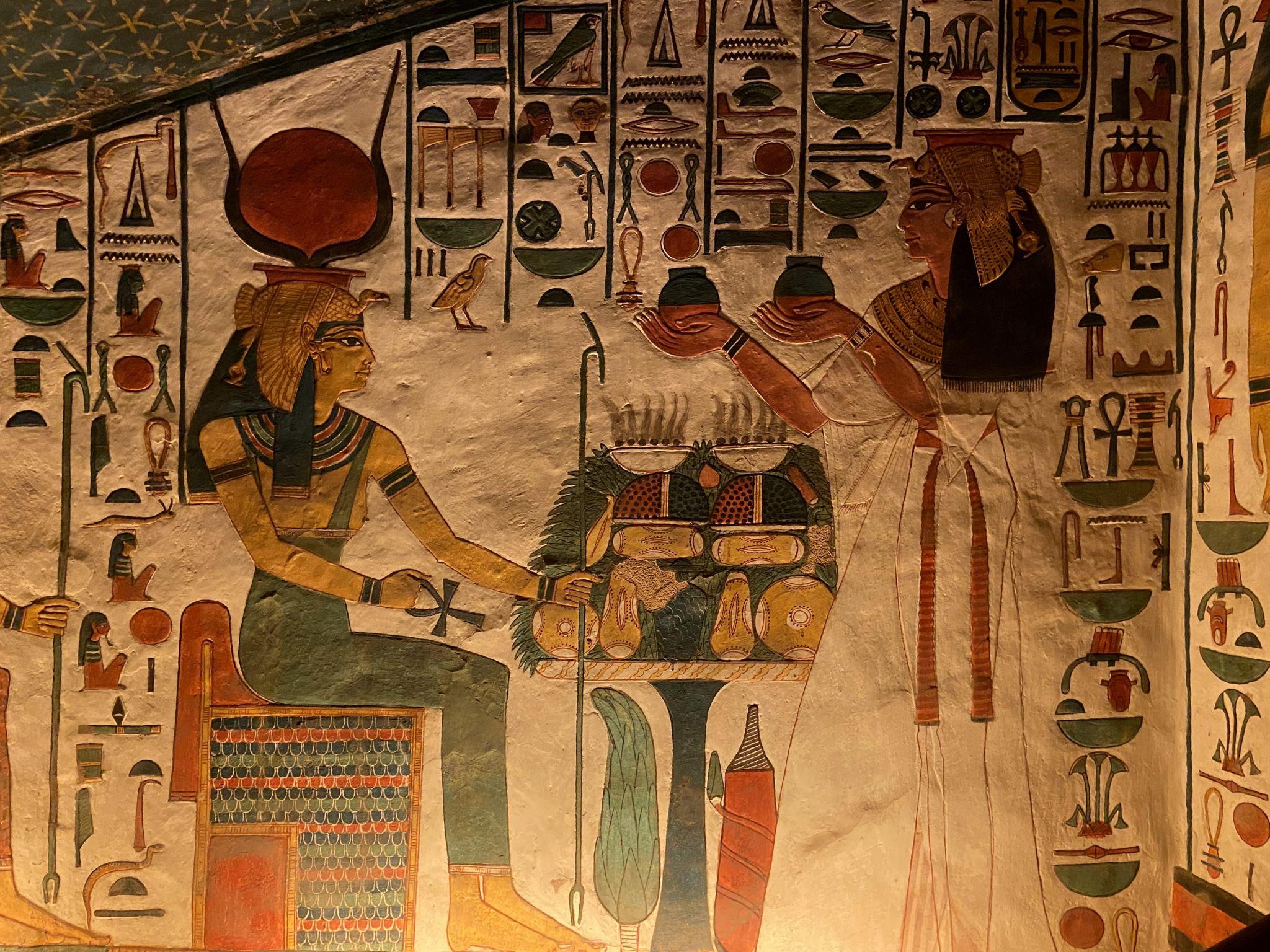
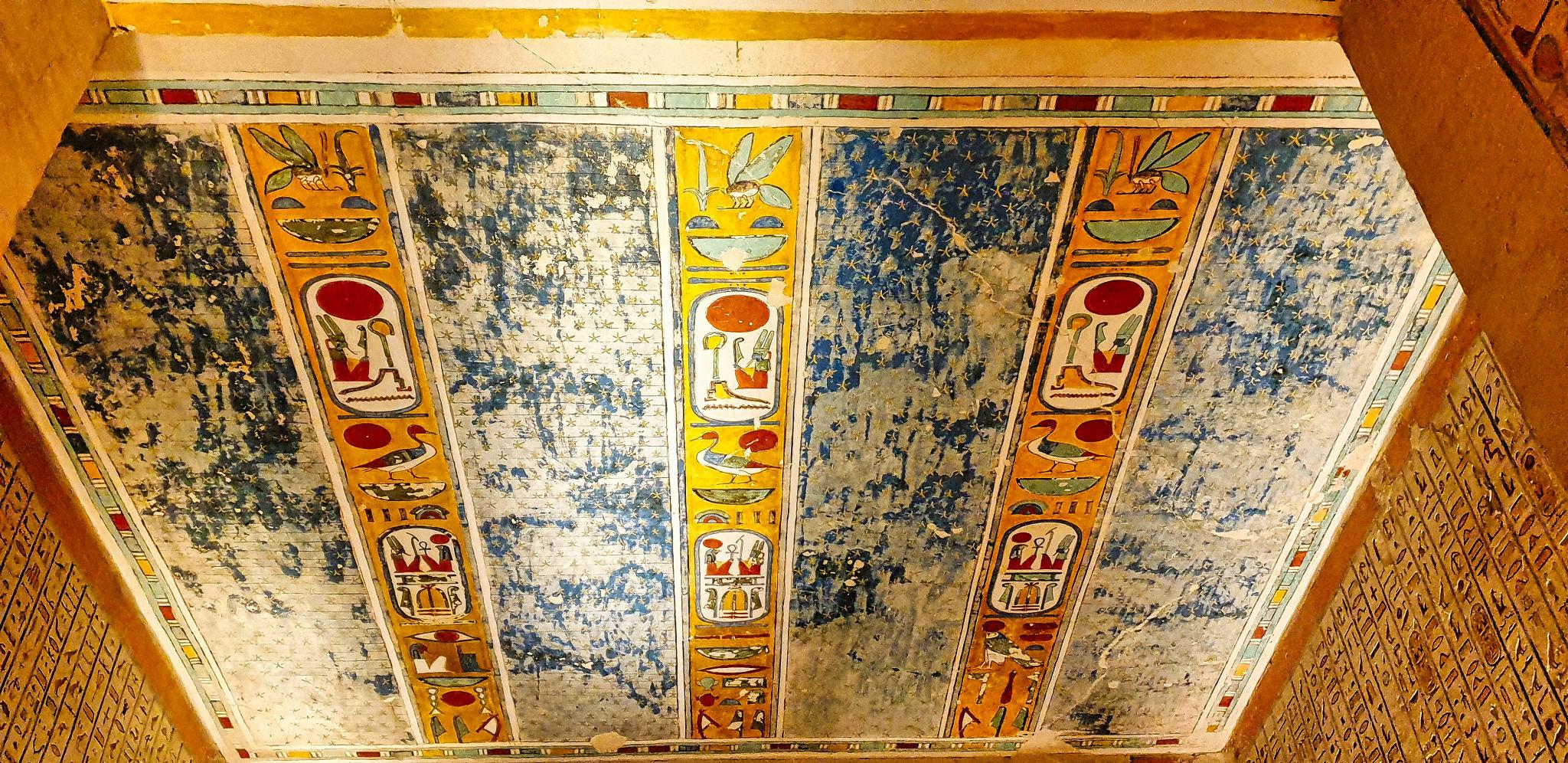
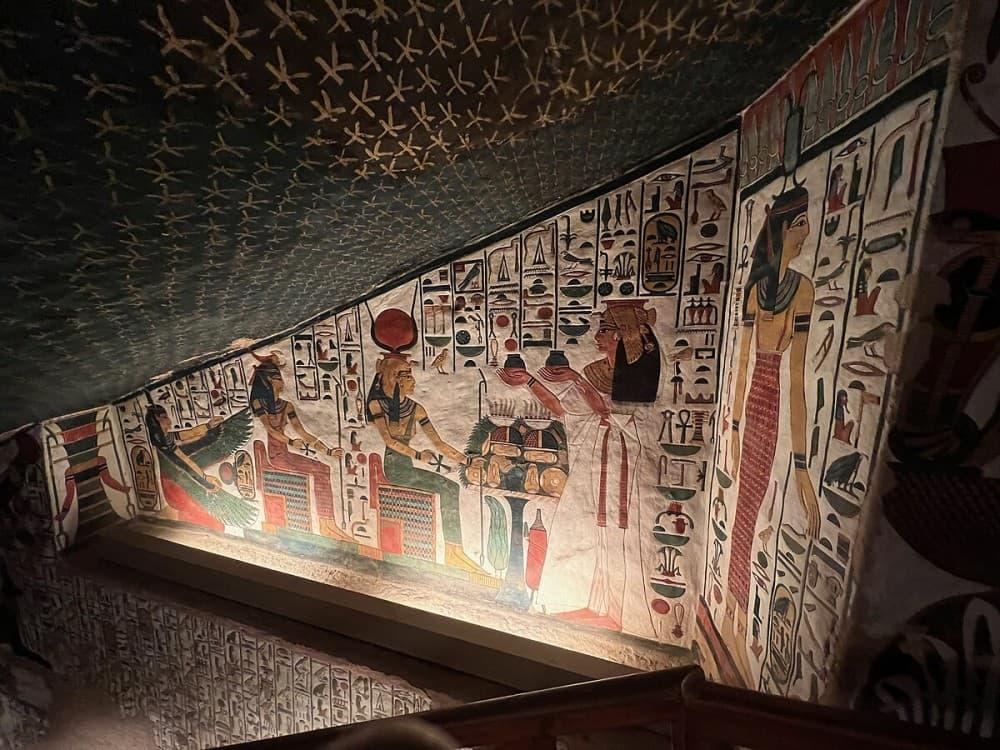
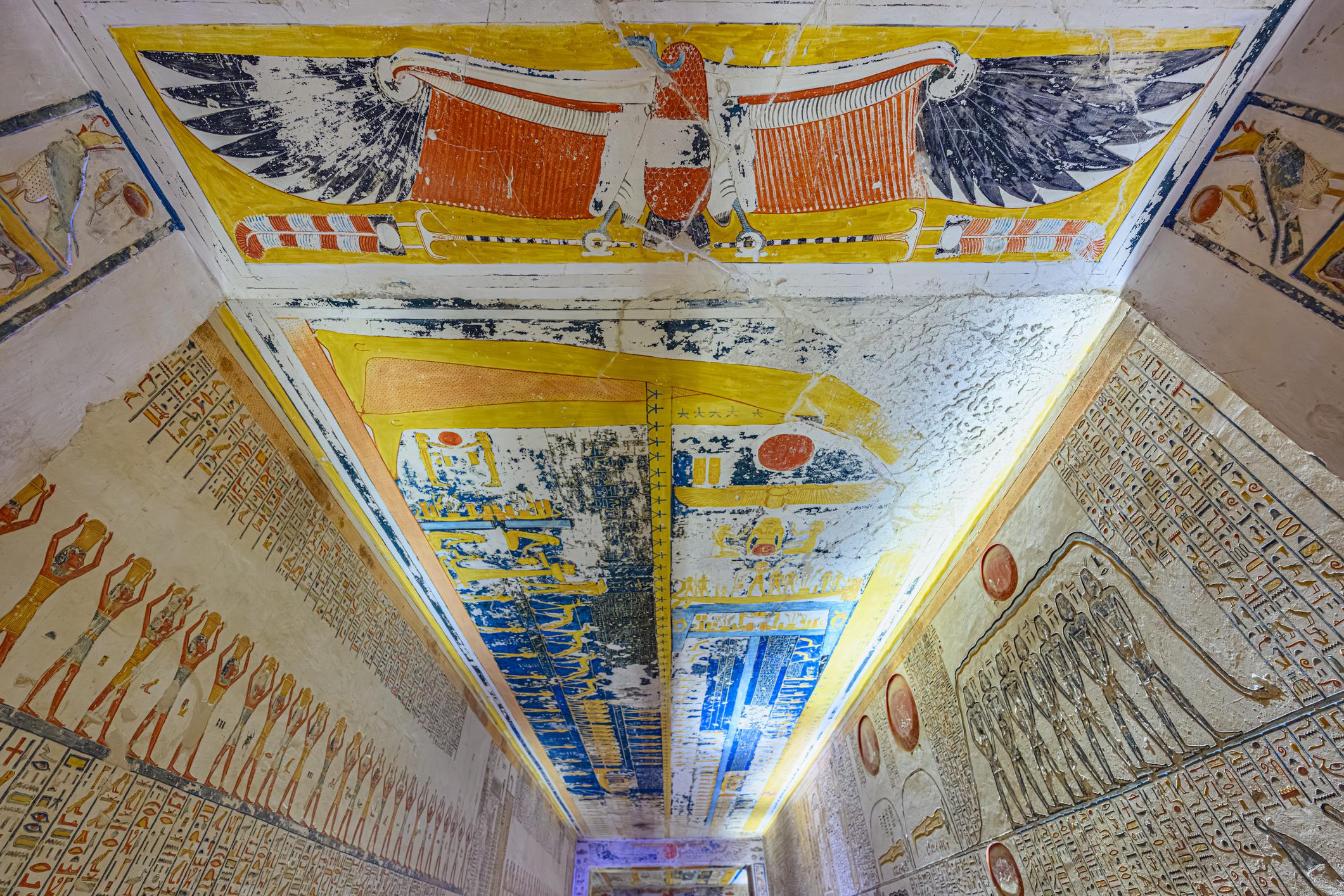
The jewel of the valley and arguably the most beautiful painted tomb in all of Egypt — a masterpiece that justifies the steep separate ticket price for the ten minutes you are allowed inside. Every surface of the tomb's three chambers is covered in extraordinarily vivid paintings on brilliant white plaster, showing Queen Nefertari — Ramesses II's beloved Great Royal Wife — being guided through the afterlife by Isis, Hathor, and Osiris with a grace and elegance unmatched anywhere in Egyptian funerary art. The colors — deep lapis blues, vibrant reds, luminous golds, and crisp whites — are astonishingly bright after 3,200 years, a result of both the painters' skill and a Getty Conservation Institute restoration completed in 1992. Nefertari herself is depicted as the ideal of Egyptian beauty, wearing a sheer white gown and elaborate crown, her elongated eyes and serene expression embodying the artistic perfection of the 19th Dynasty. Only 150 visitors per day are admitted, and the time limit ensures the tomb's fragile microclimate is preserved.
Tomb of Khaemwaset (QV44)
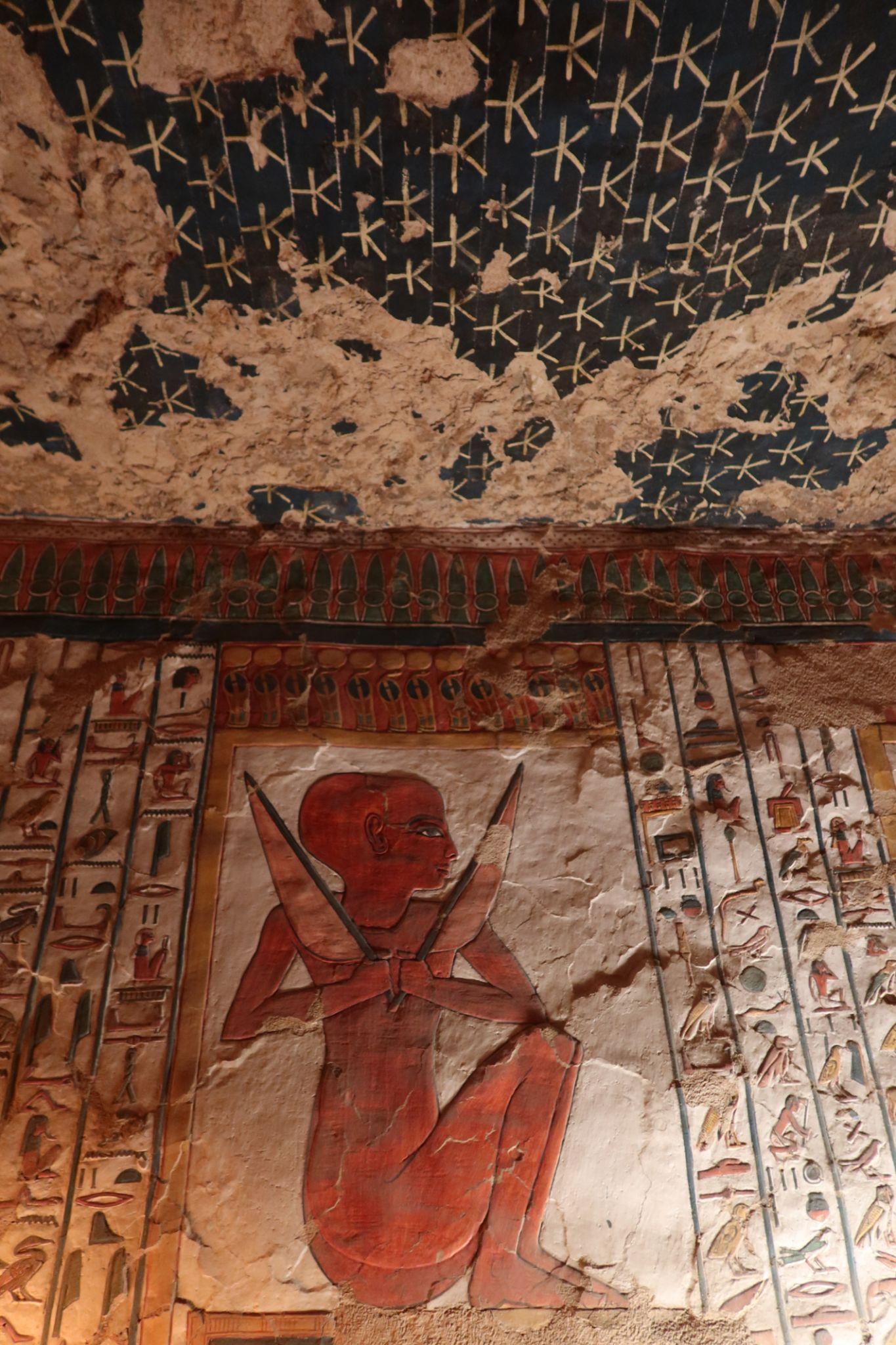
The tomb of Prince Khaemwaset, a son of Ramesses III, featuring well-preserved paintings in warm ochres, blues, and greens that show the young prince being introduced to the gods of the underworld by his royal father — a touching and intimate theme of paternal protection extending beyond death. The scenes depict Ramesses III leading his son by the hand before Ptah, Thoth, and other deities, presenting him as worthy of eternal life. The painting style is characteristic of the 20th Dynasty, with slightly less refined draftsmanship than the earlier 19th Dynasty tombs but compensating with bold, vivid colors and emotionally engaging compositions. The tomb provides a poignant reminder that the Valley of the Queens served not only Egypt's powerful queens but also the royal children who died young — a universal human experience given timeless expression in these painted chambers.
Tomb of Amun-her-khepeshef (QV55)
The tomb of another prince of Ramesses III, featuring some of the most vibrant and well-preserved paintings in the valley — vivid scenes of the young prince accompanied by his father making offerings to the gods of the underworld, with Ramesses III shown in his full pharaonic regalia introducing his son to the divine court. The colors are remarkably fresh, with particularly striking blues and reds that demonstrate the exceptional quality of pigments available to the royal workshops. The tomb also contains a deeply unusual and somewhat unsettling artifact: a mummified fetus displayed in a glass case, believed to be a stillborn child of the royal family, found during excavation. The juxtaposition of the beautiful afterlife paintings with this tiny preserved life offers a moving meditation on the universality of parental grief across millennia.
Tomb of Titi (QV52)
A queen's tomb with delicate, softly rendered paintings of Titi (whose precise identity and dynasty remain debated among scholars) standing before various deities including Hathor, Isis, and the four sons of Horus, in a refined style characteristic of the late 20th Dynasty. The paintings are more subdued than those in Nefertari's tomb but possess a gentle elegance of their own, with muted palette and careful detail in the queen's elaborate pleated gown, wig, and jewelry. The tomb's relatively modest size and decoration suggest that not all queens received the same lavish treatment, providing an interesting contrast with Nefertari's overwhelmingly grand burial. The tomb is typically less crowded than the princes' tombs, offering visitors a contemplative experience and the opportunity to study the painting technique up close.

Historical Details

The Place of Beauty
The ancient Egyptians called this valley Ta-Set-Neferu — 'The Place of Beauty' or, alternatively, 'The Place of the Royal Children' — a name that reflects both the valley's serene desert landscape and its purpose as the final resting place of royal family members. It was used primarily during the 19th and 20th Dynasties (1292–1077 BC), when the practice of burying queens separately from kings became standard. Unlike the Valley of the Kings, which was reserved for pharaohs, this valley received both queens and princes — over 90 tombs have been identified, though many are undecorated or badly damaged. The valley's relative obscurity among tourists belies its artistic importance: the tomb of Nefertari alone contains some of the finest painting to survive from the ancient world, and the princes' tombs provide a uniquely personal perspective on royal family life and death.
Nefertari: The Most Beautiful
Nefertari, whose name means 'Beautiful Companion,' was the Great Royal Wife of Ramesses II and one of the most celebrated queens in Egyptian history — Ramesses' devotion to her is evident in monuments across Egypt, from her temple at Abu Simbel (where she is depicted the same size as the pharaoh, an extraordinary honor) to love poems inscribed on temple walls. Her tomb was discovered in 1904 by Italian archaeologist Ernesto Schiaparelli, who found that while tomb robbers had long since stripped the burial chamber of its treasures, the extraordinary wall paintings survived in remarkable condition. A major Getty Conservation Institute restoration project in the 1980s and 1990s stabilized the paintings and removed centuries of salt crystallization, revealing colors of astonishing vibrancy that had been hidden beneath a veil of white efflorescence. The strict visitor limits and high ticket price reflect Egypt's determination to preserve this irreplaceable masterpiece for future generations — a lesson learned from the damage caused by uncontrolled tourism in the Valley of the Kings.

Visitor Tips

  • The Tomb of Nefertari has a steep separate ticket (1,400 EGP) and a 10-minute time limit — but it is absolutely worth it
  • Only 150 people per day can enter Nefertari's tomb — arrive early to secure a spot
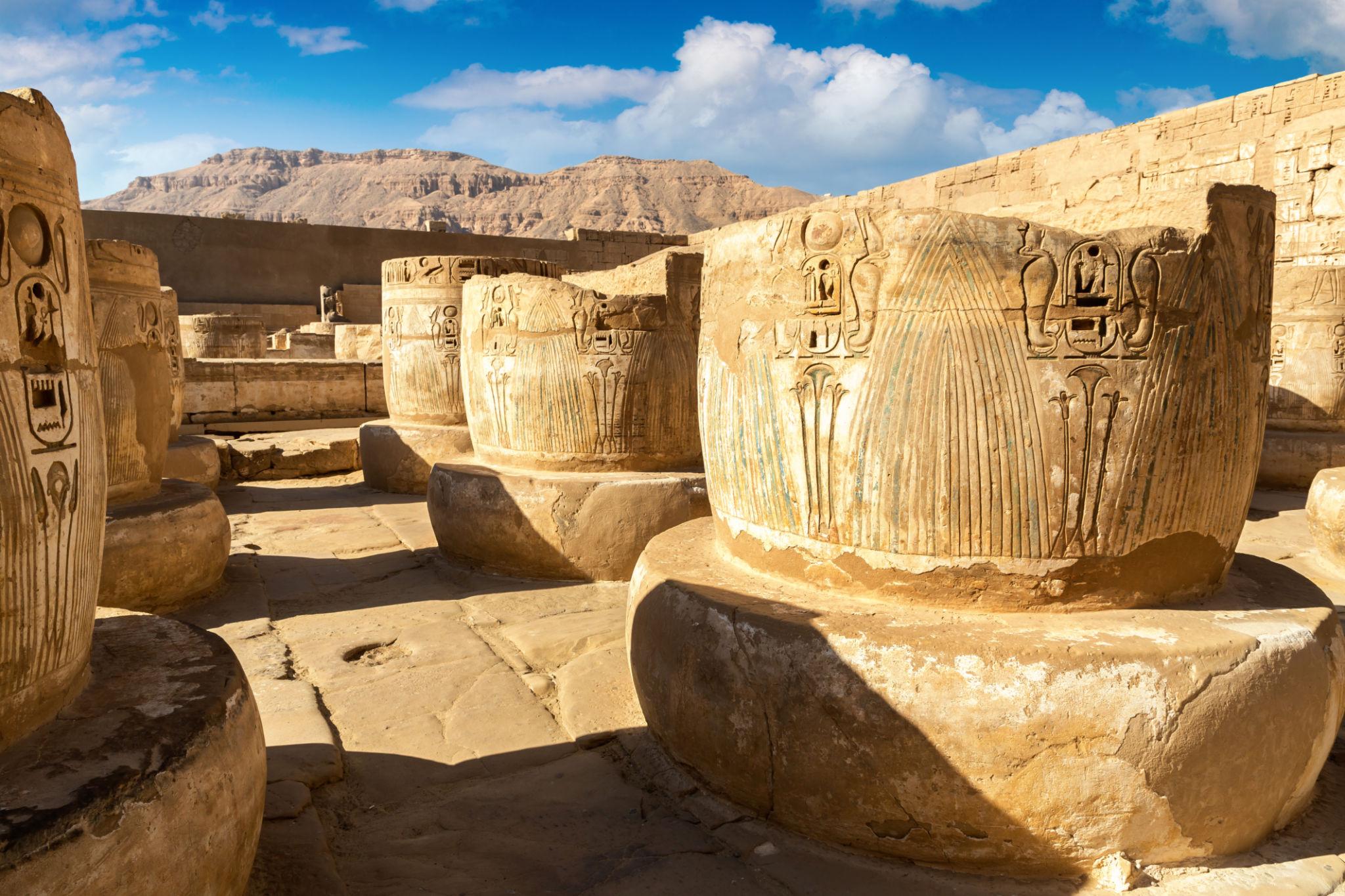
  • Combine with Medinet Habu, which is just a few minutes away
  • No photography inside the tombs

Related Monuments
Opening Hours

6 AM4 PM

Entry Fee

100 EGP (general), 1,400 EGP (Tomb of Nefertari)

Period

New Kingdom, c. 1550–1070 BC

Location

25.7273, 32.5979

Related Tours