Dendera Temple (Temple of Hathor)

One of Egypt's best-preserved temples — stunning ceiling art, mysterious crypts, and a rooftop with Nile views.

7 AM5 PM120 EGP26.1416, 32.6700

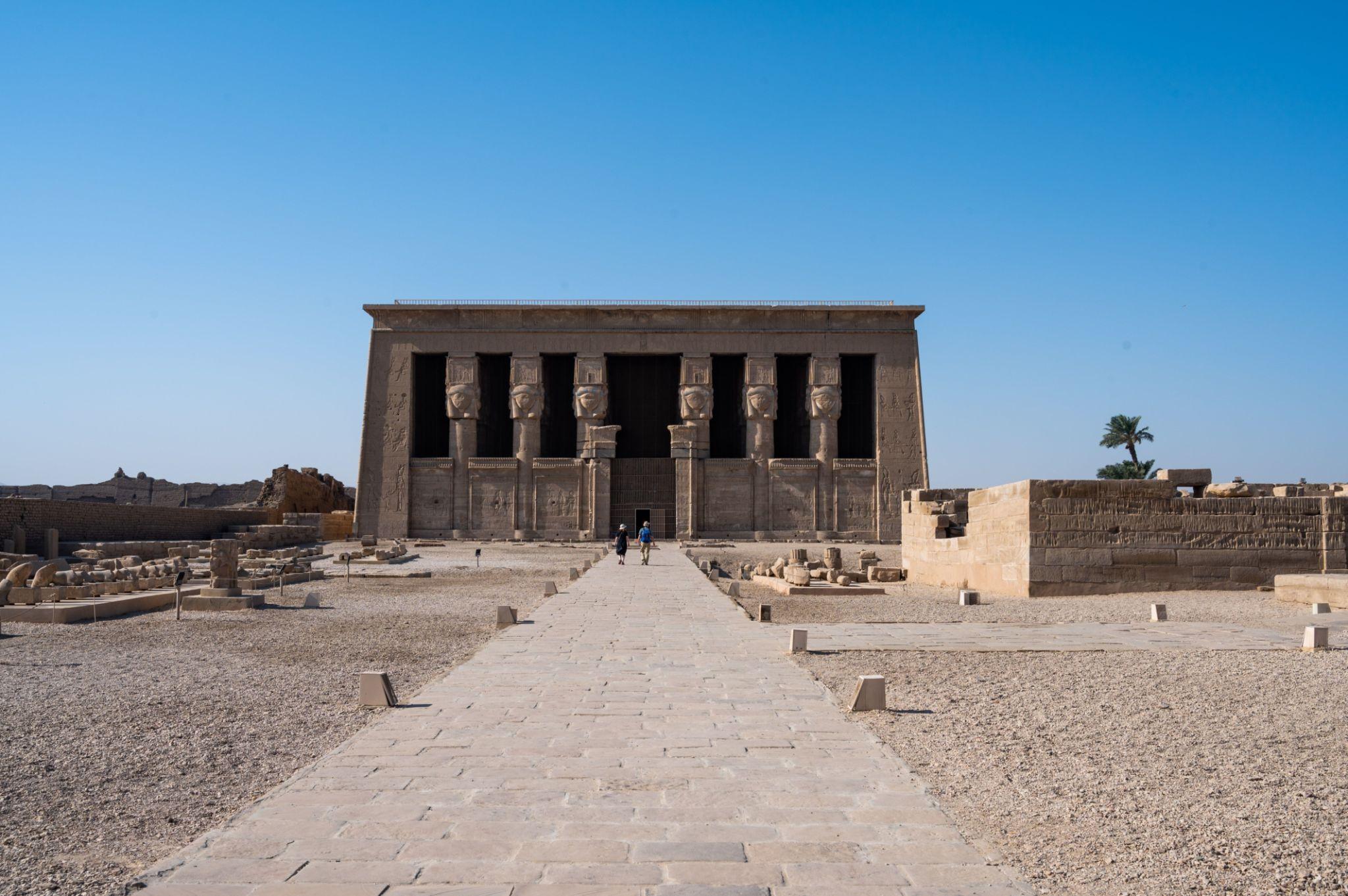
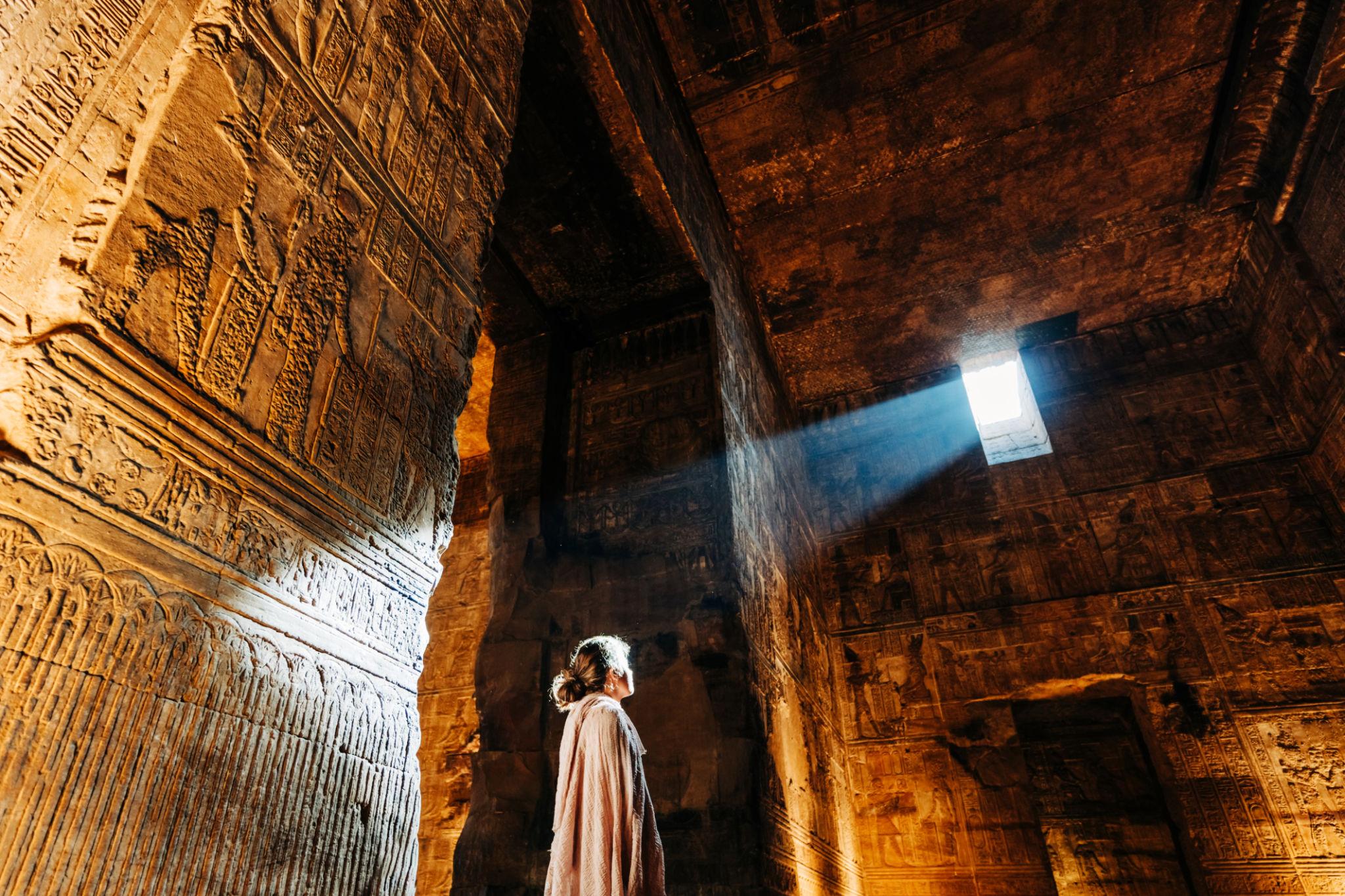
The Dendera Temple Complex, located about 60 km north of Luxor, is one of the best-preserved temple sites in all of Egypt. The main Temple of Hathor, goddess of love, music, and joy, was built during the Ptolemaic and Roman periods and features some of the most vivid and complete ceiling paintings in Egypt — including the famous Dendera Zodiac. Unlike many Egyptian temples, visitors can explore underground crypts, climb to the rooftop chapel, and experience chambers that are often completely empty of other tourists.

Why Visit

The most vivid and complete painted ceilings of any Egyptian temple
Explore underground crypts and climb to the atmospheric rooftop chapel
Home to the famous Dendera Zodiac — the oldest known depiction of the sky

What to See

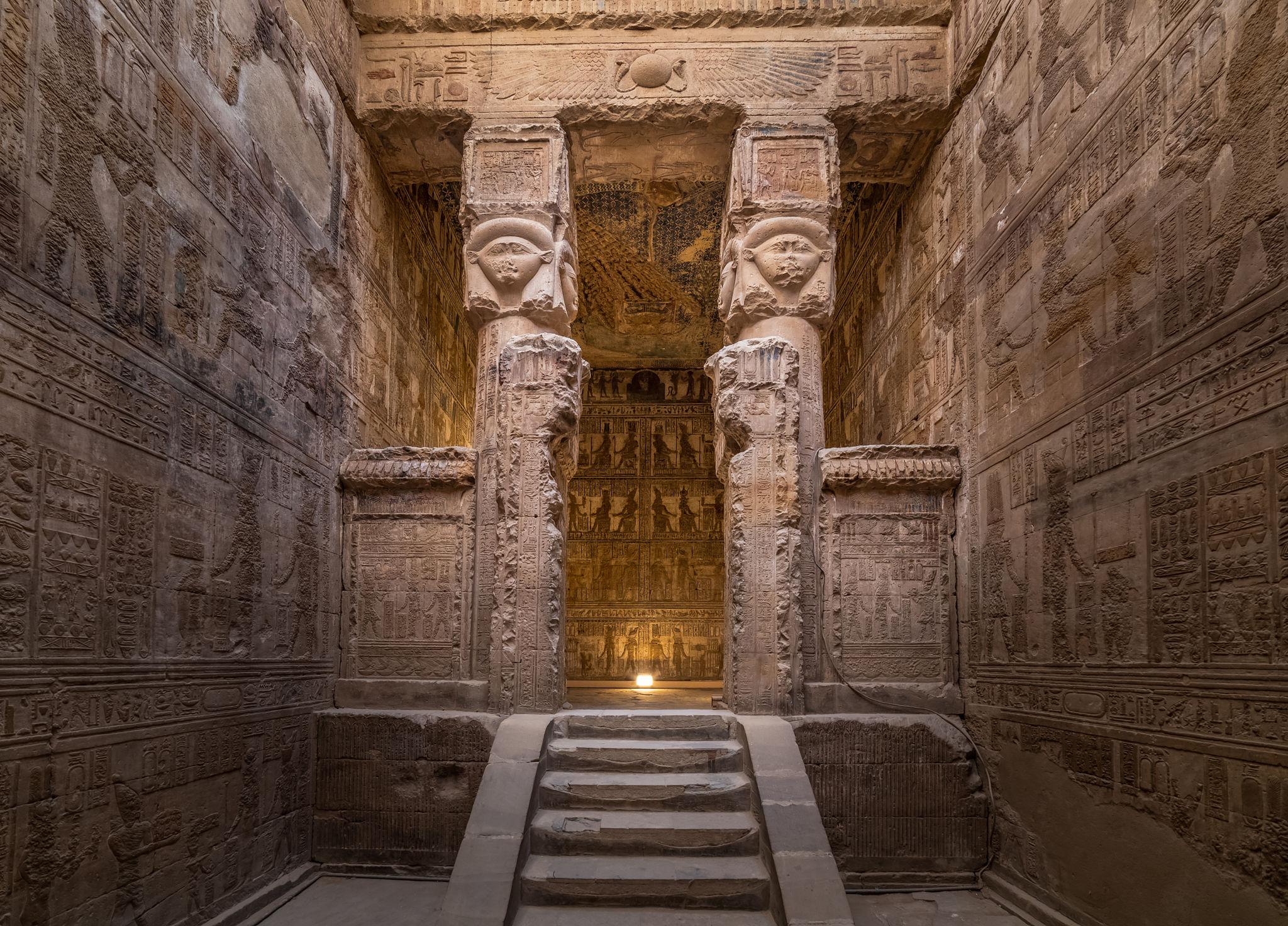
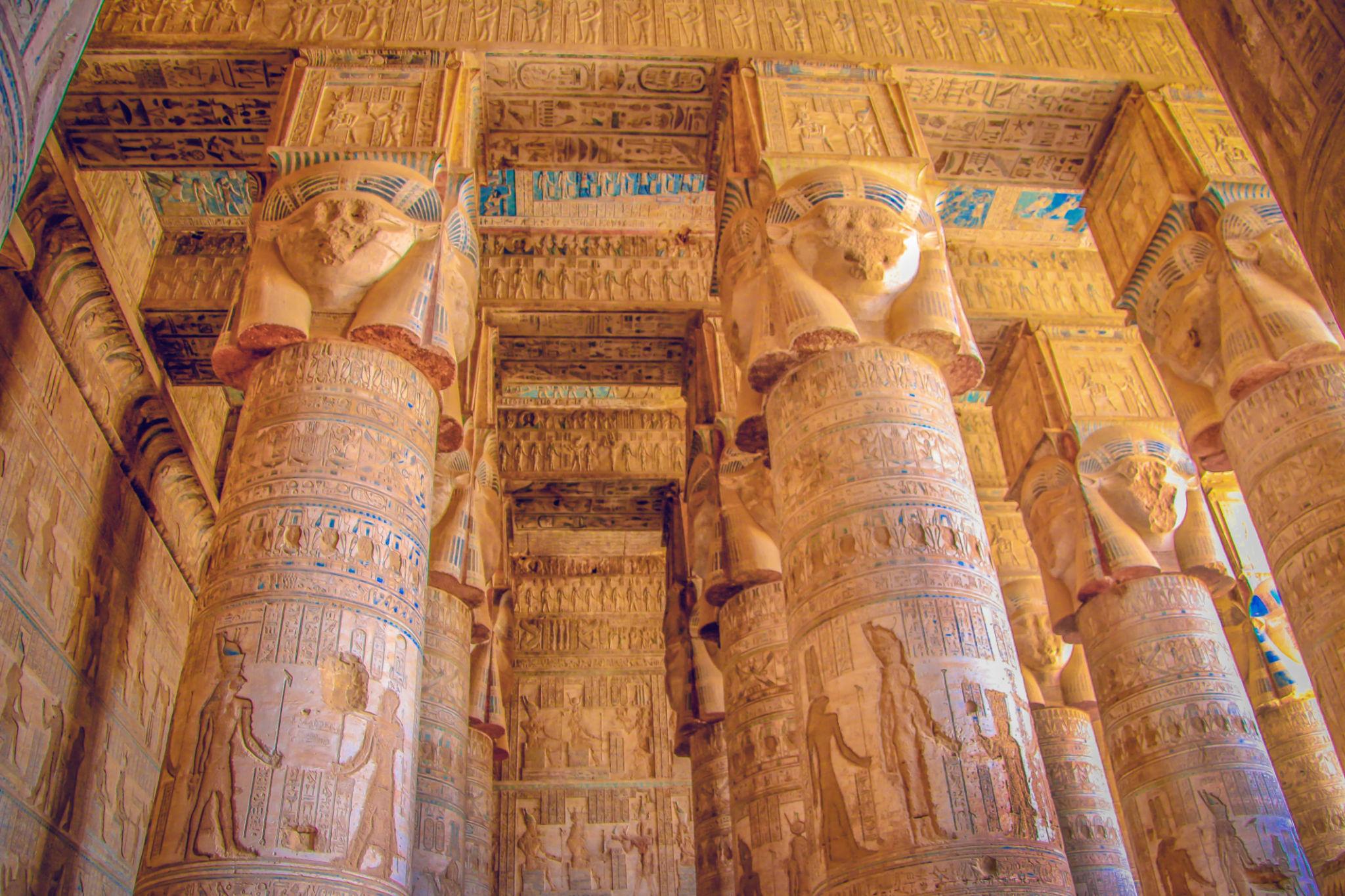
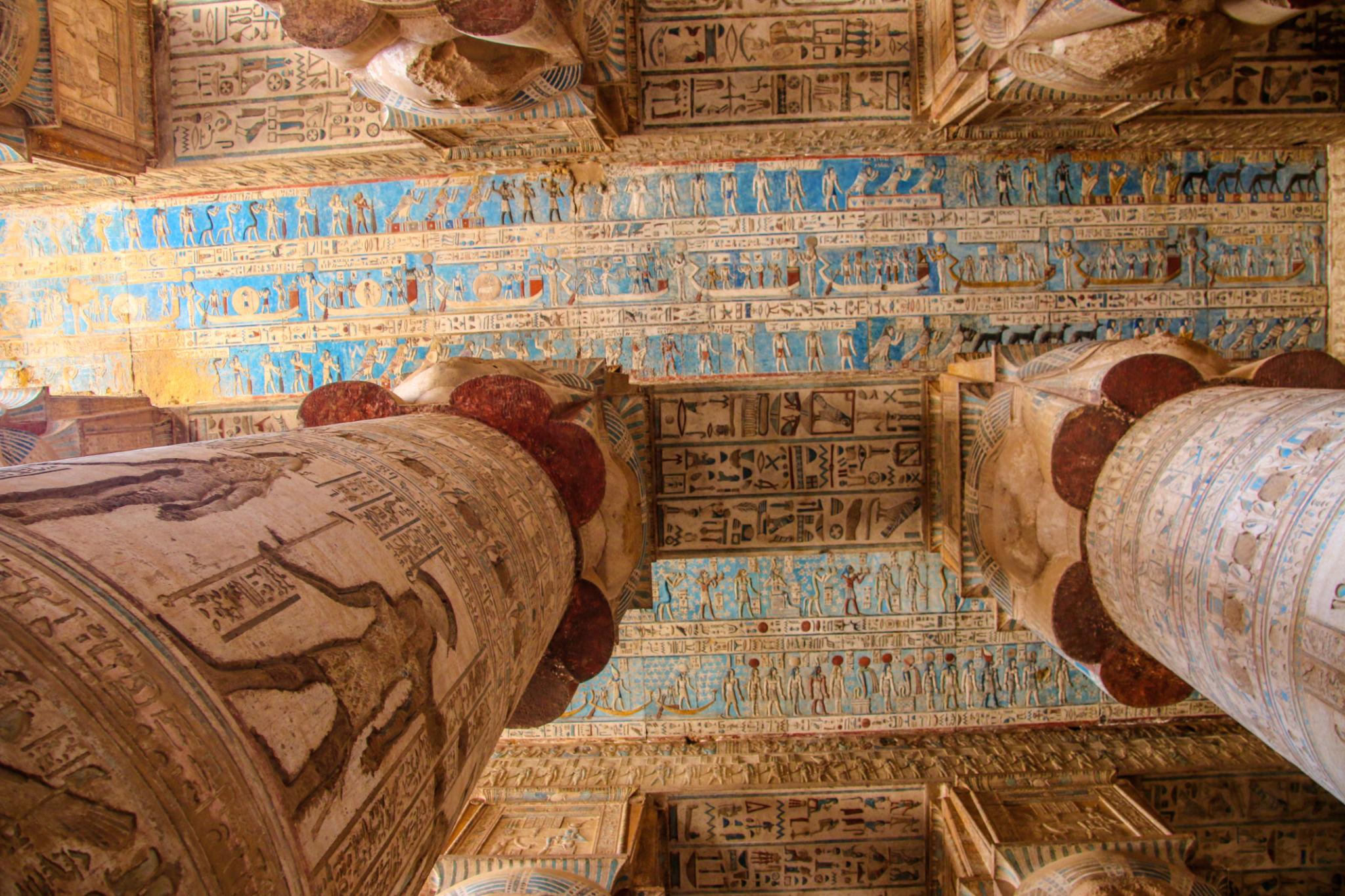
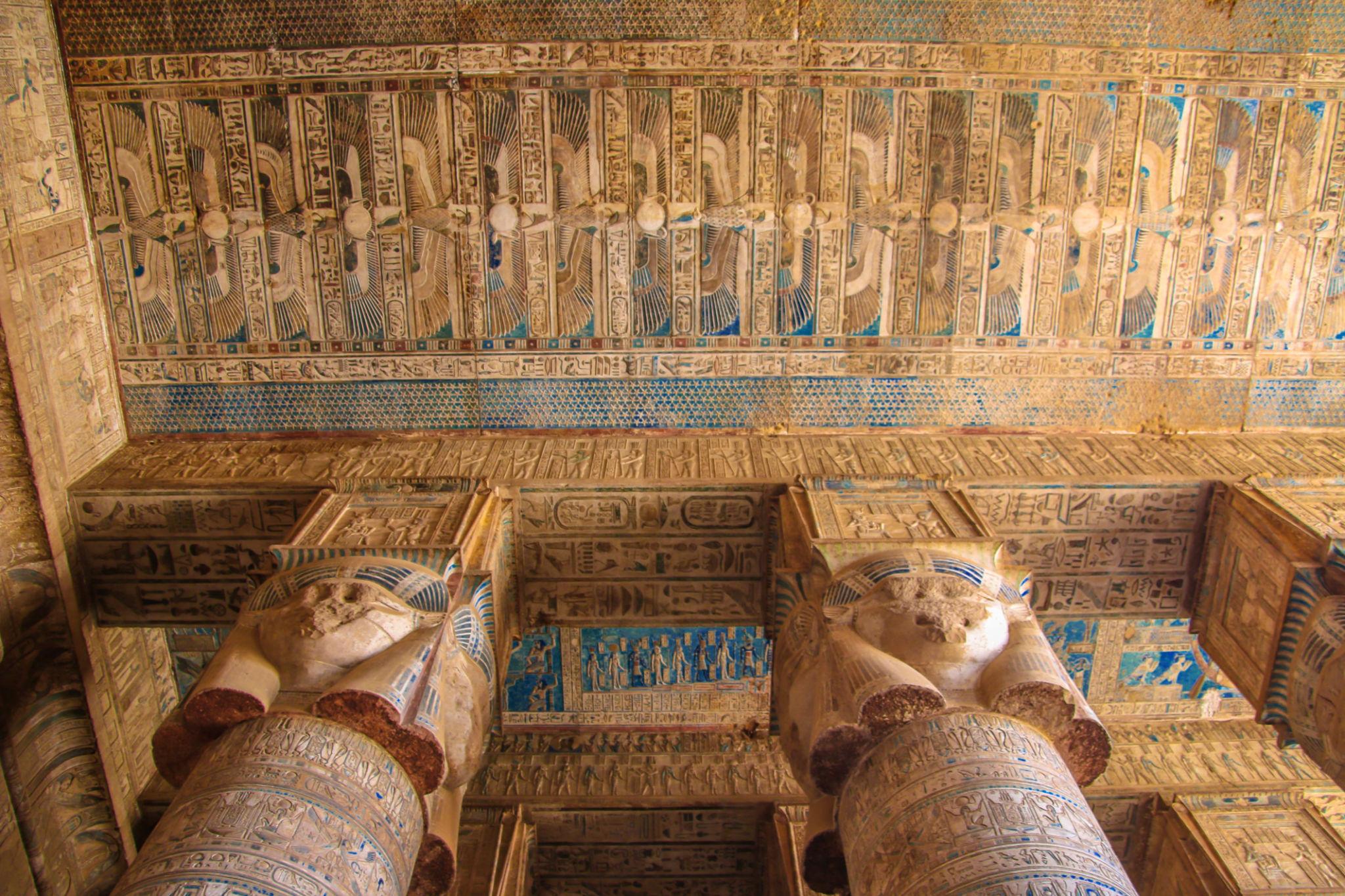
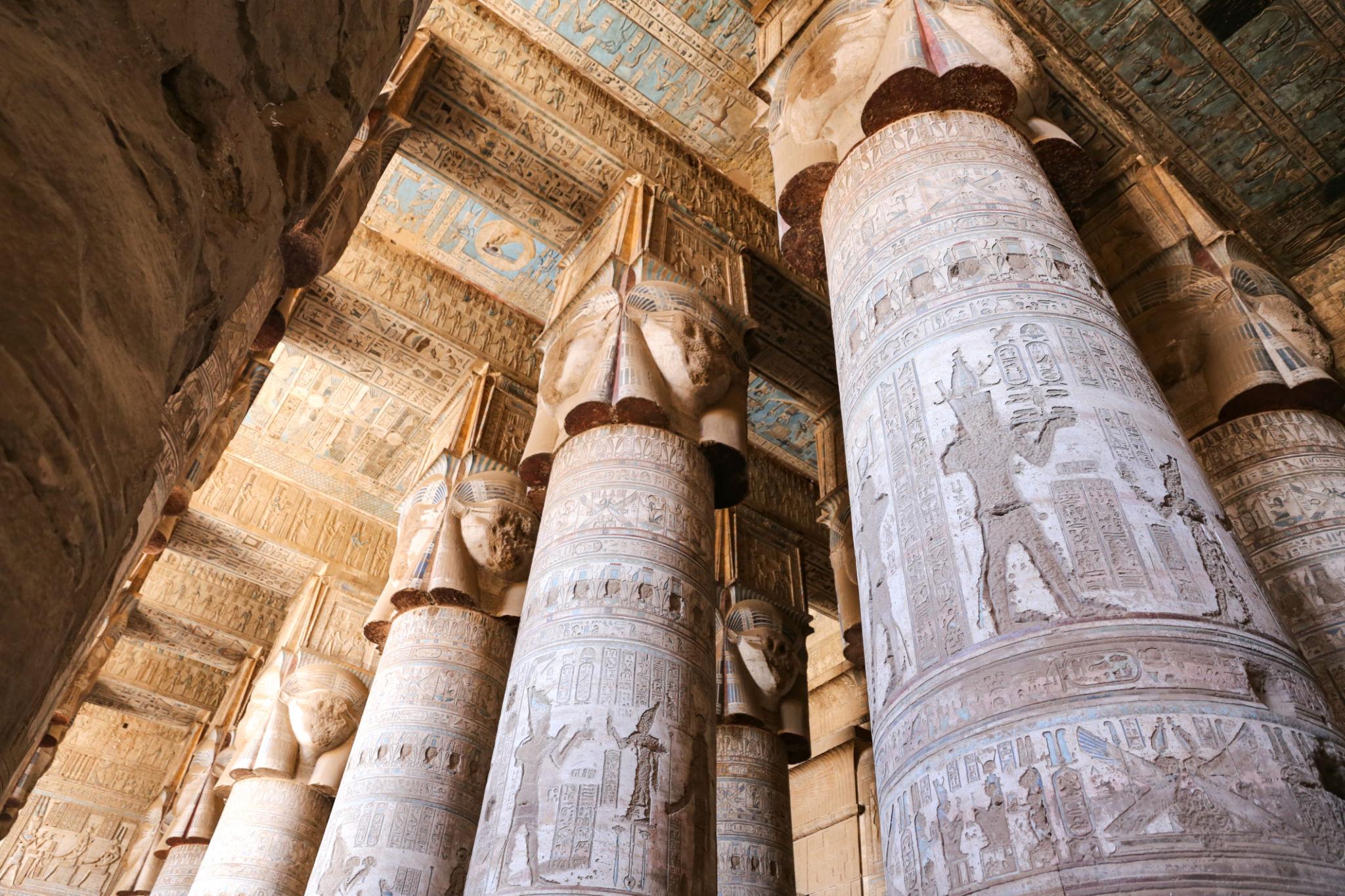
Hypostyle Hall
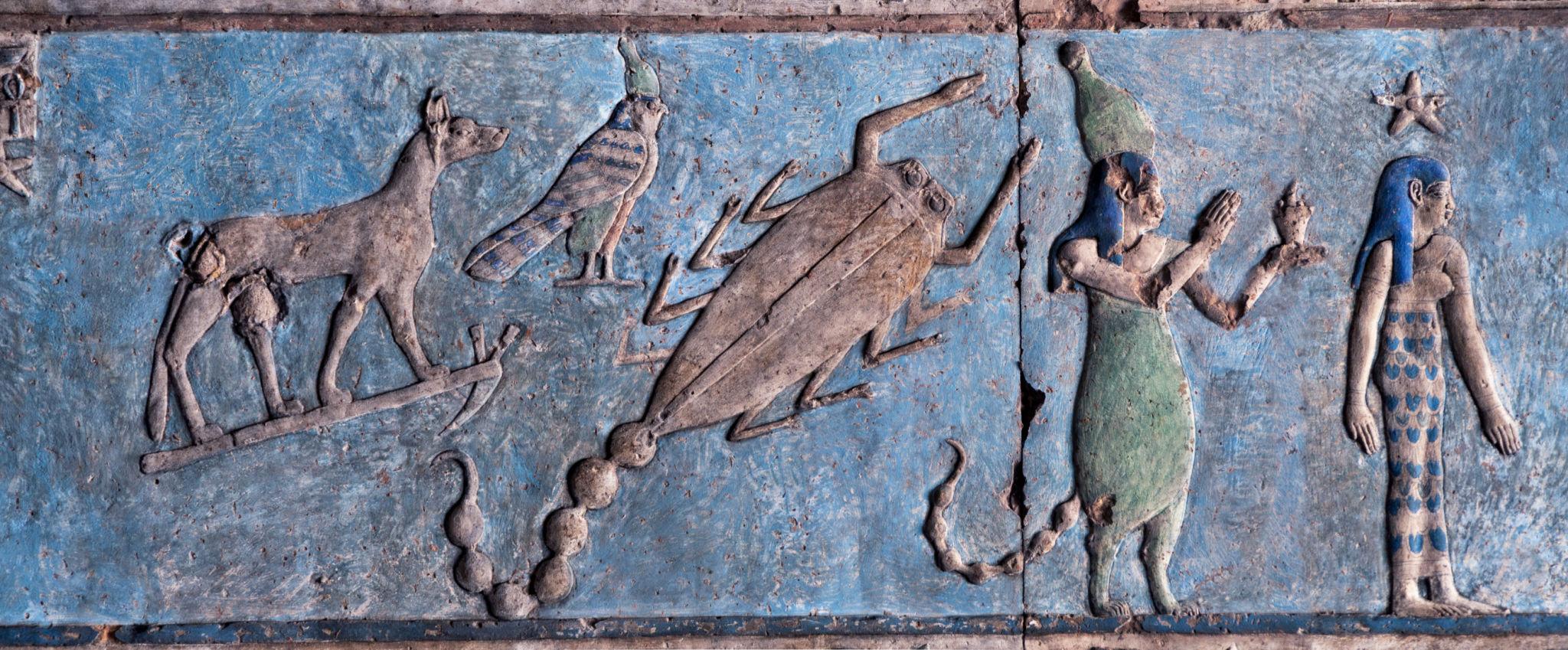
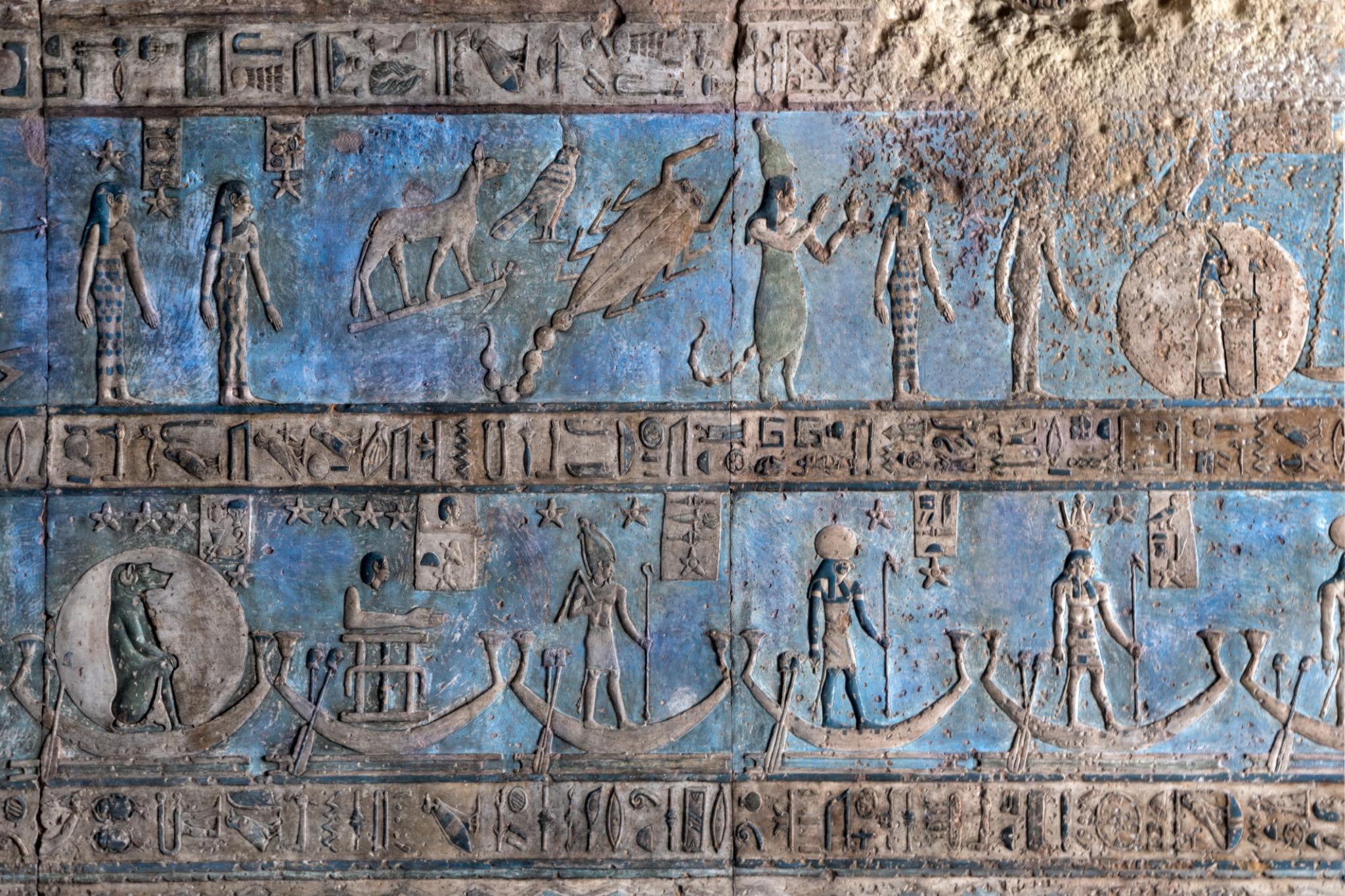
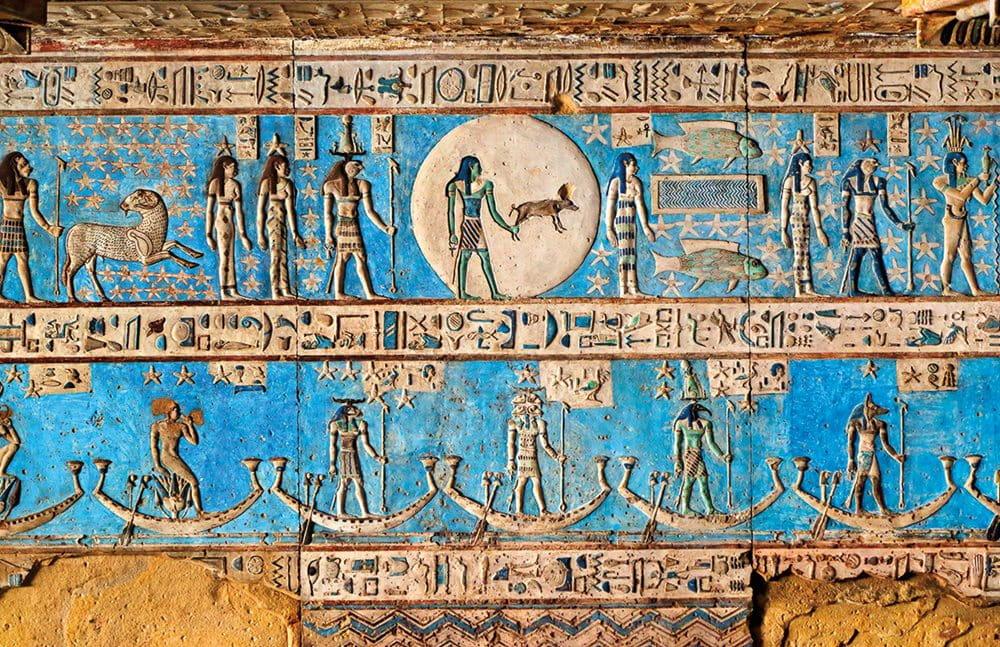
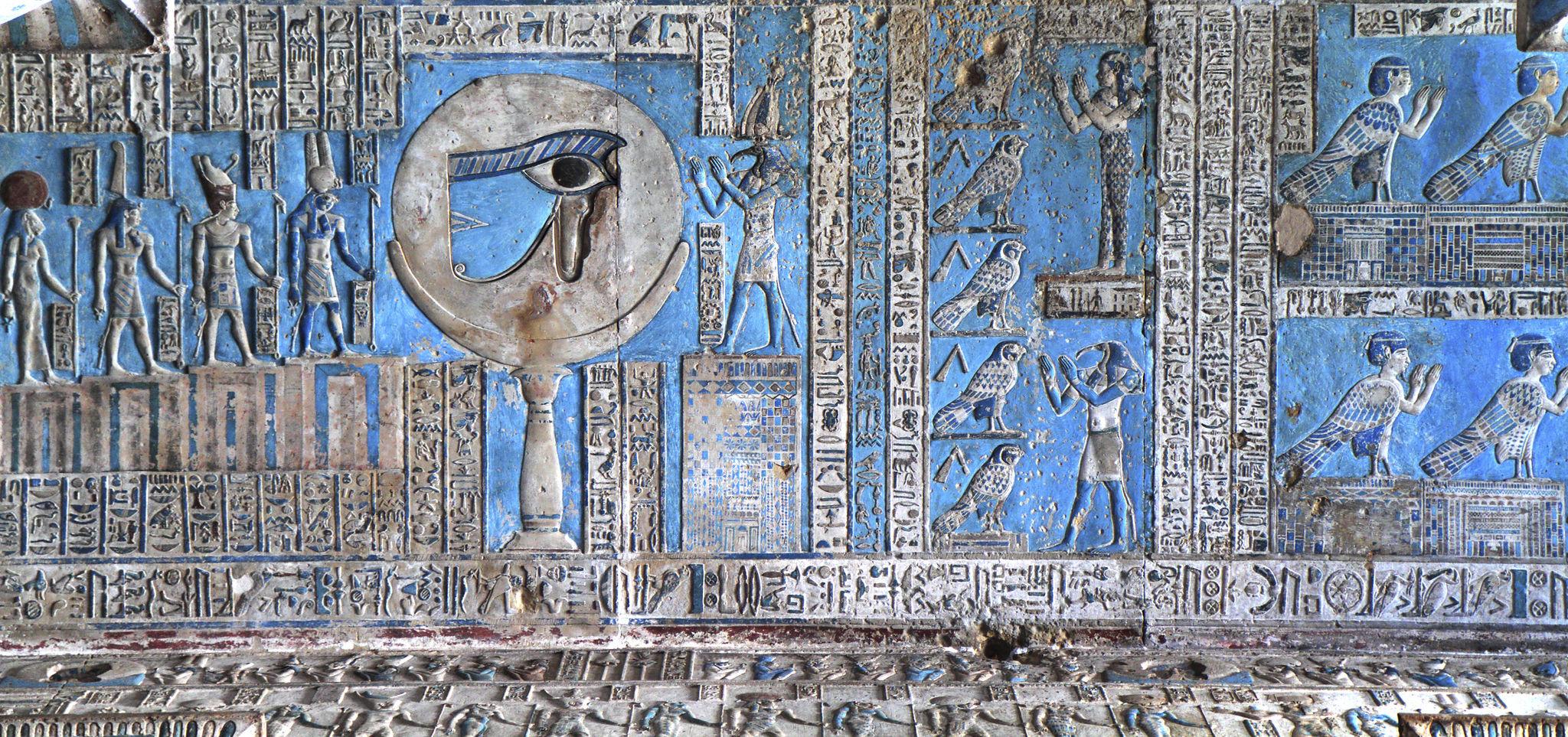
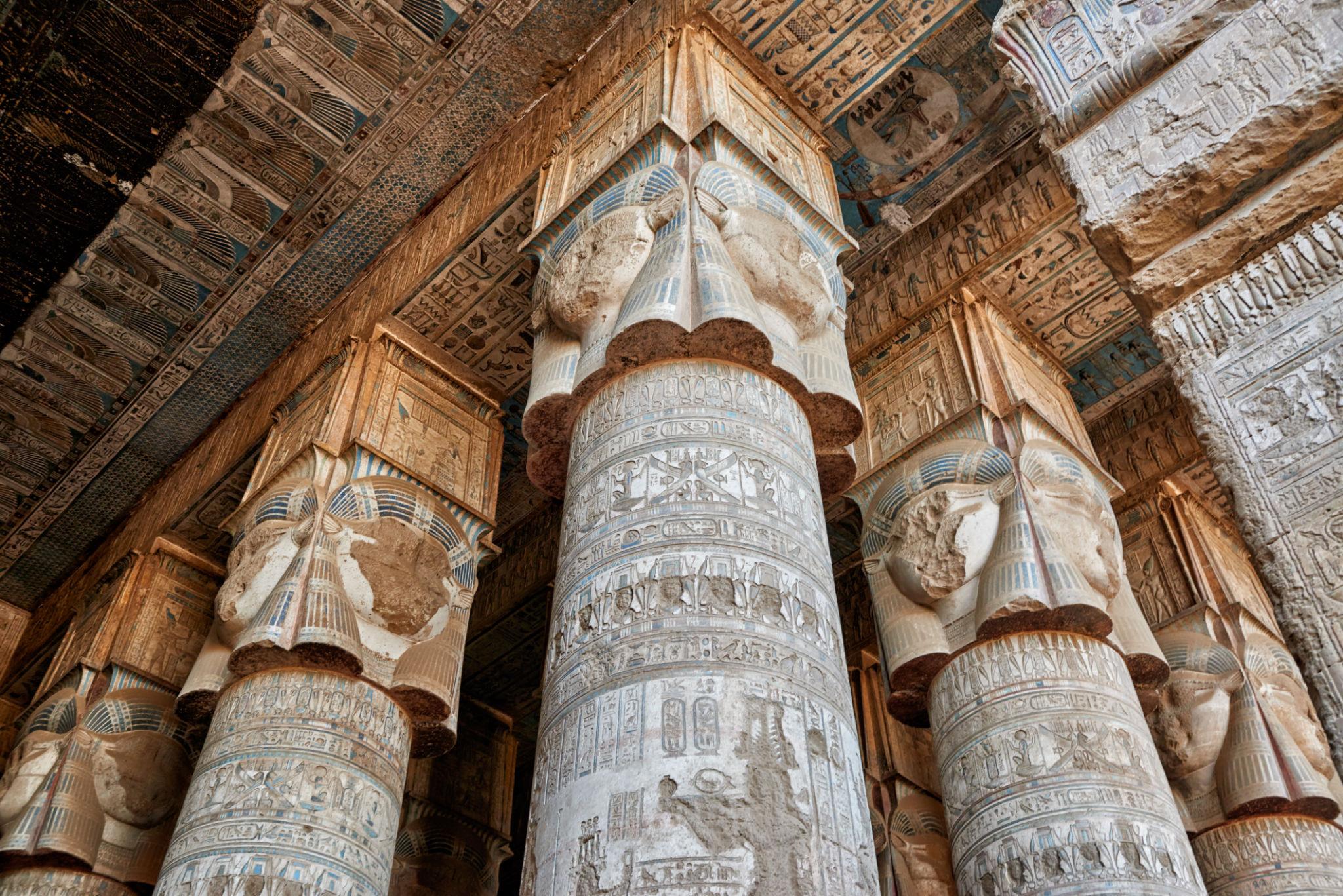
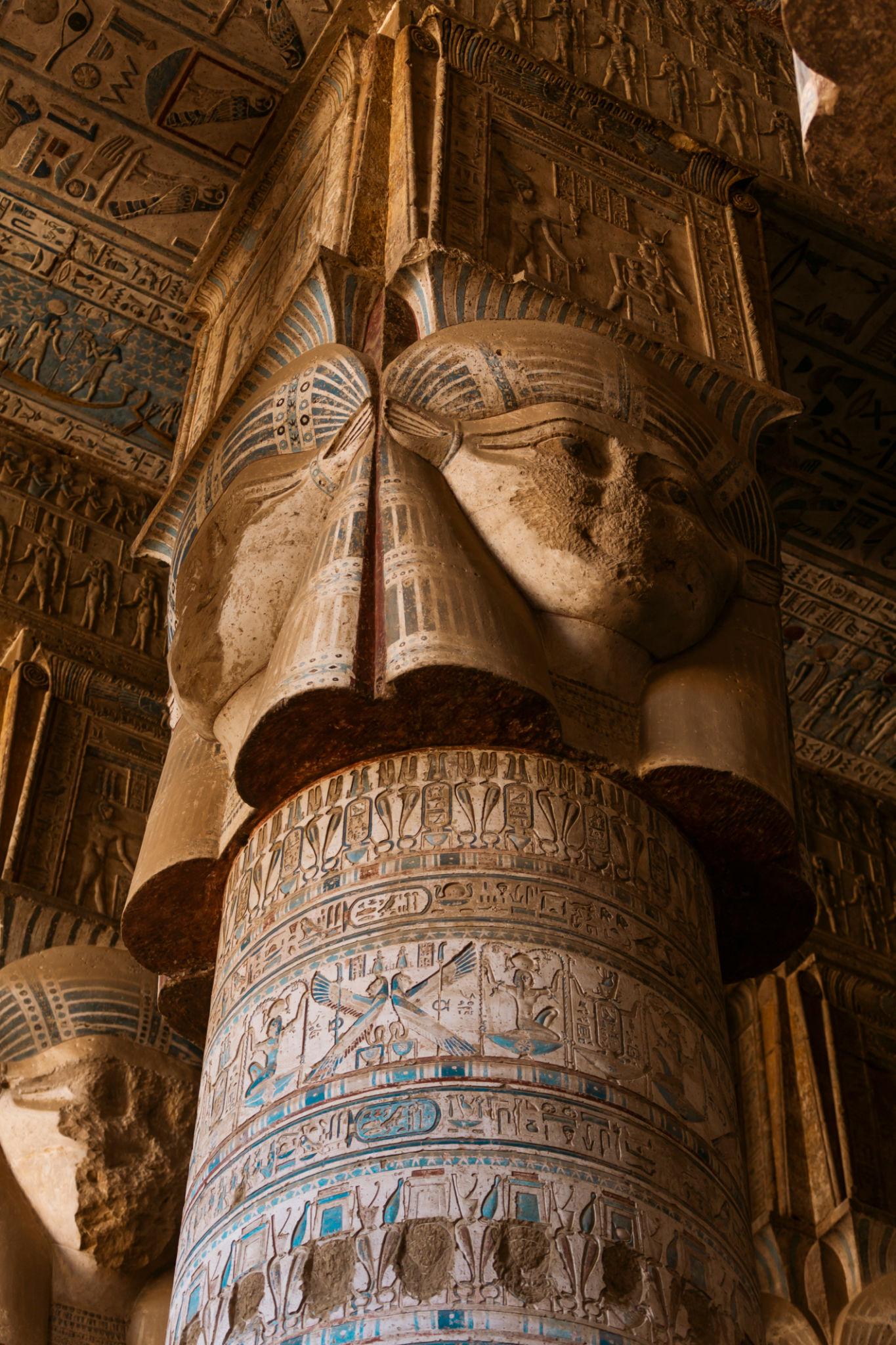
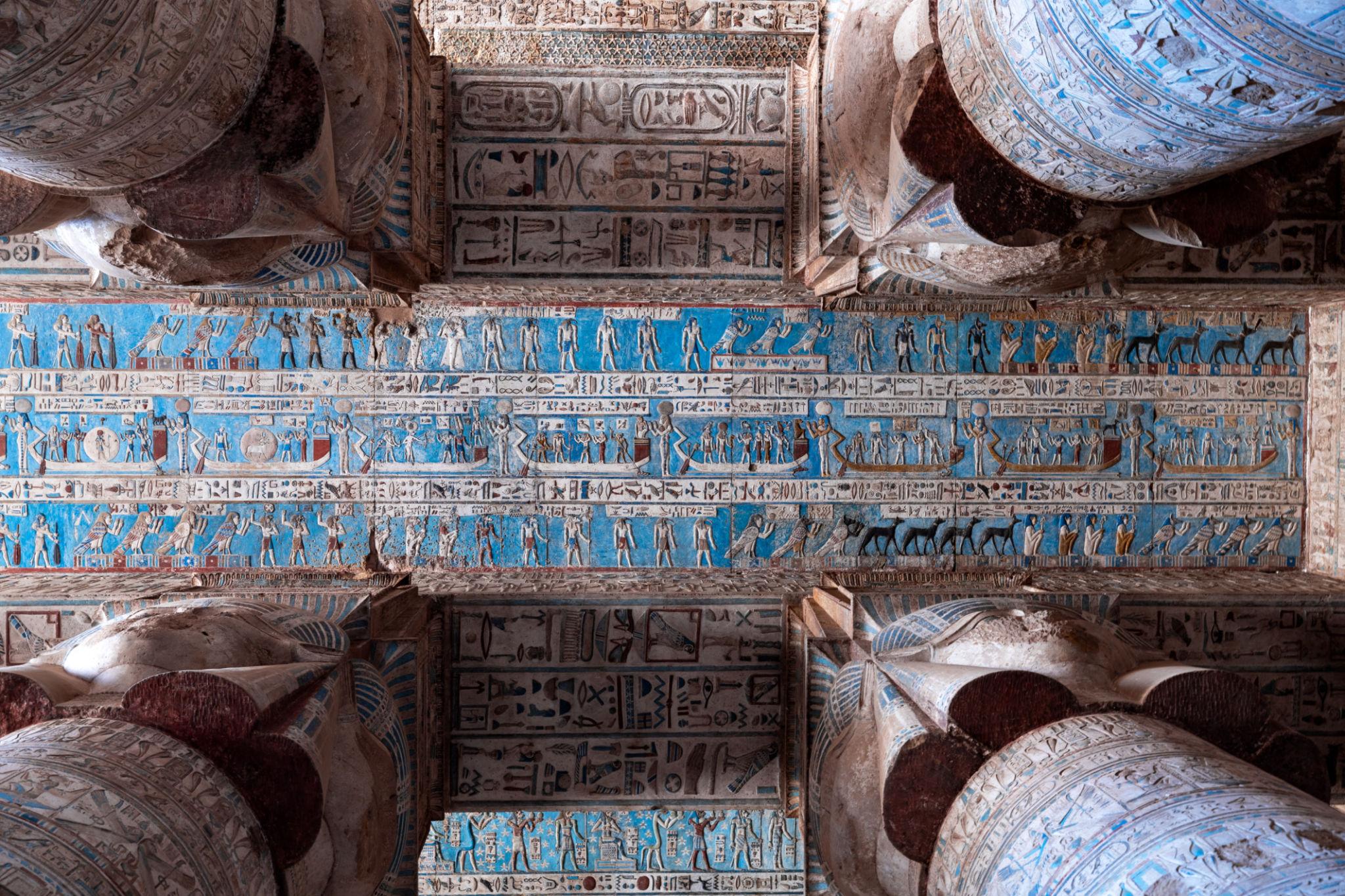
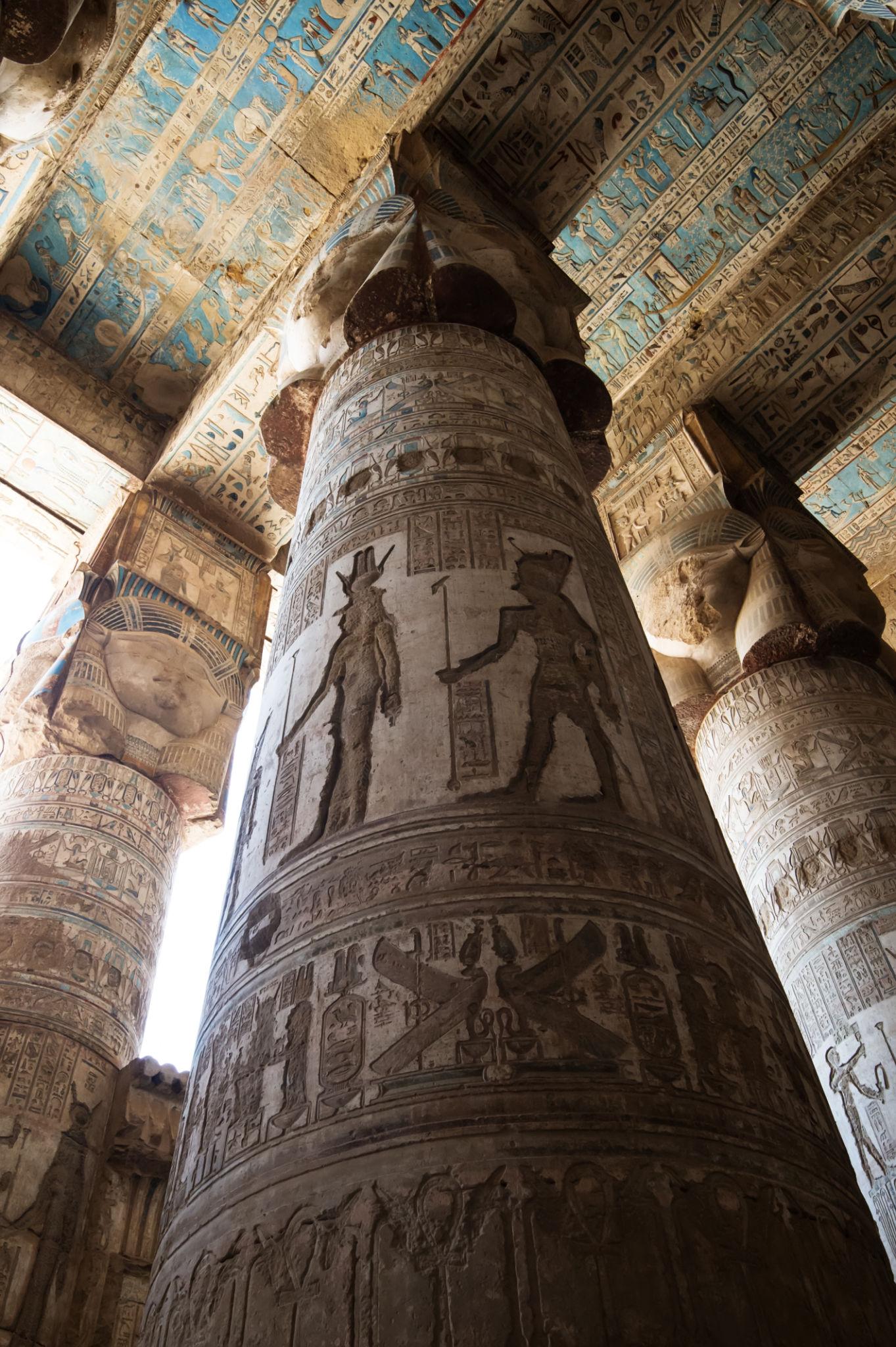
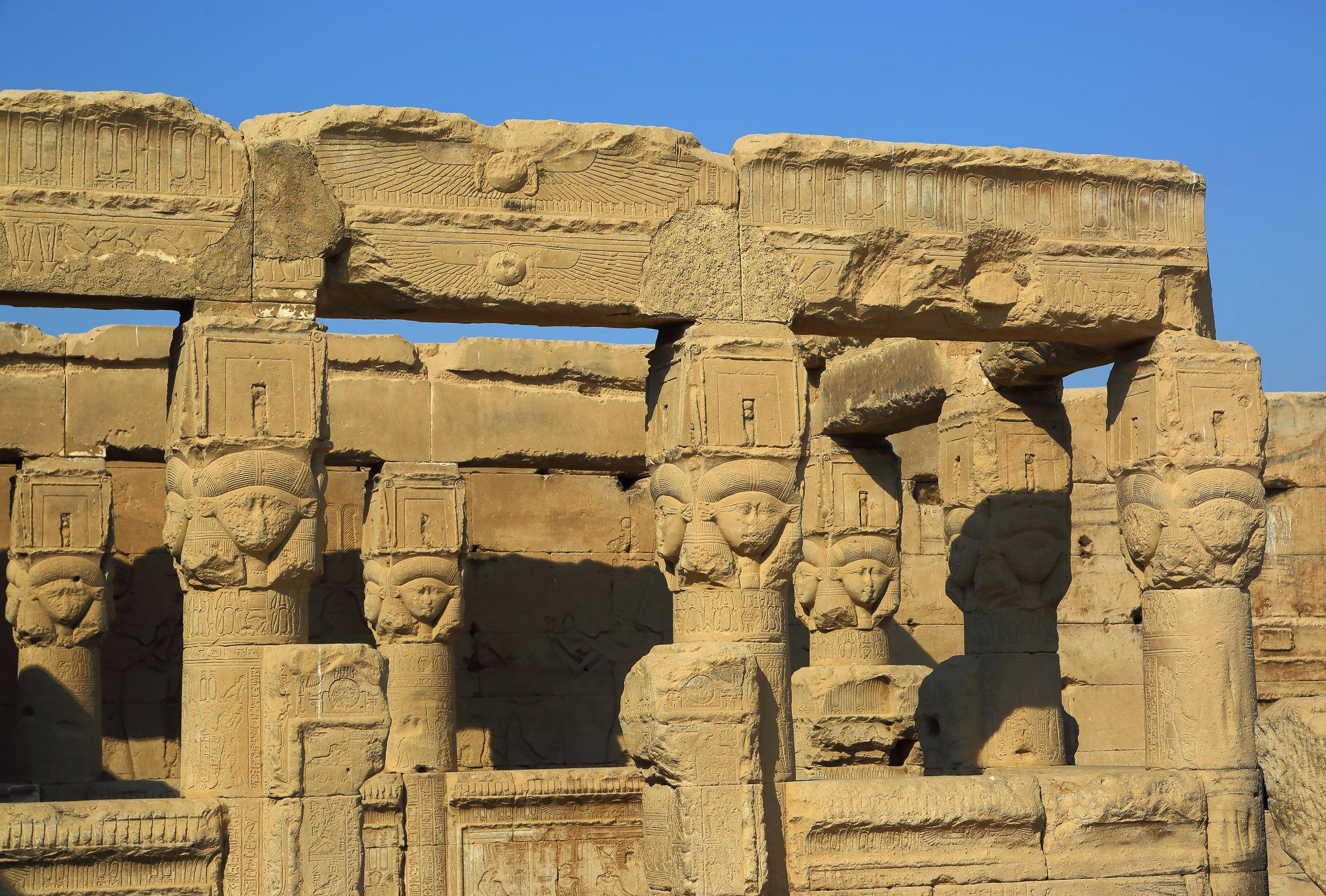
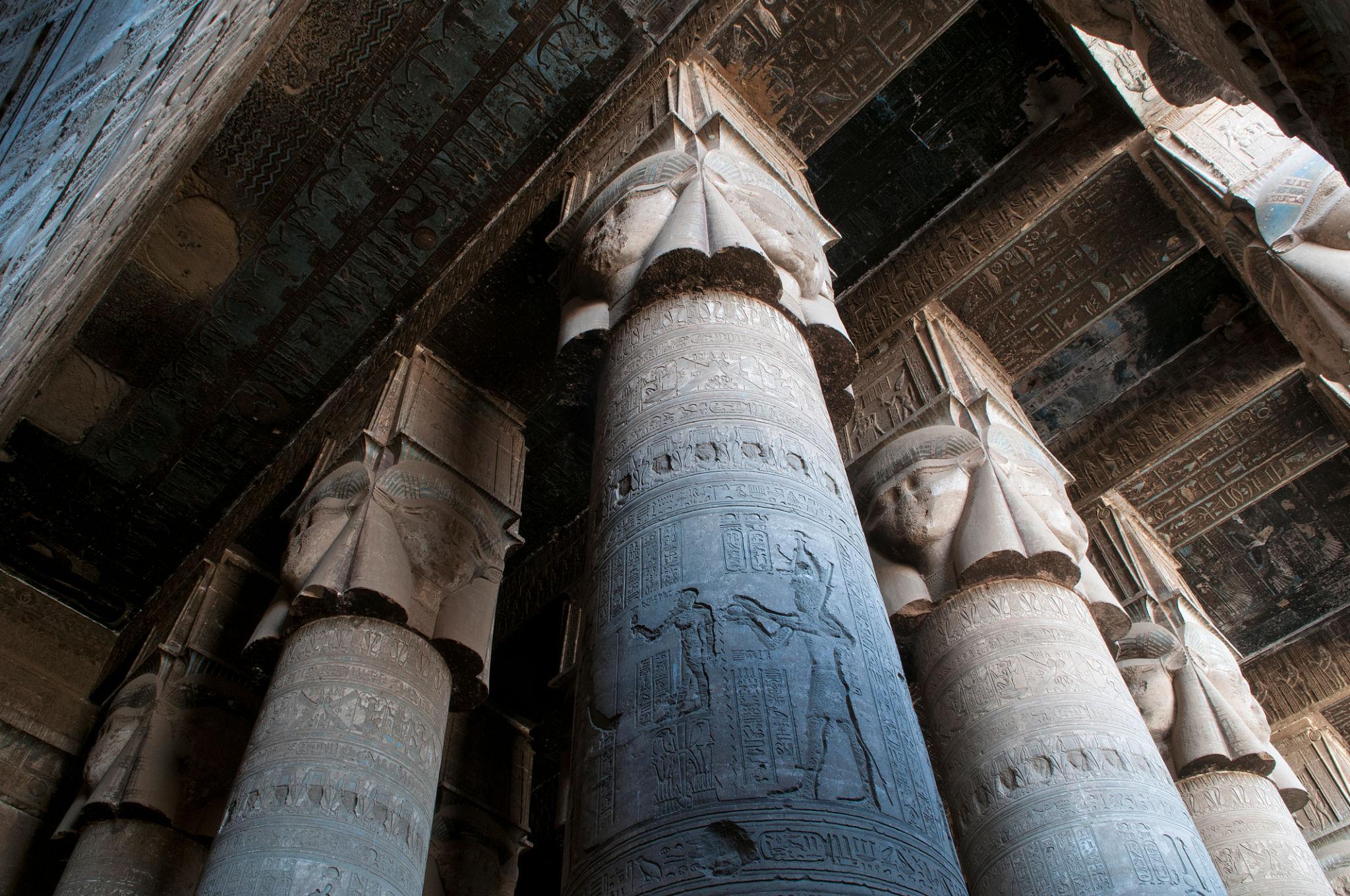
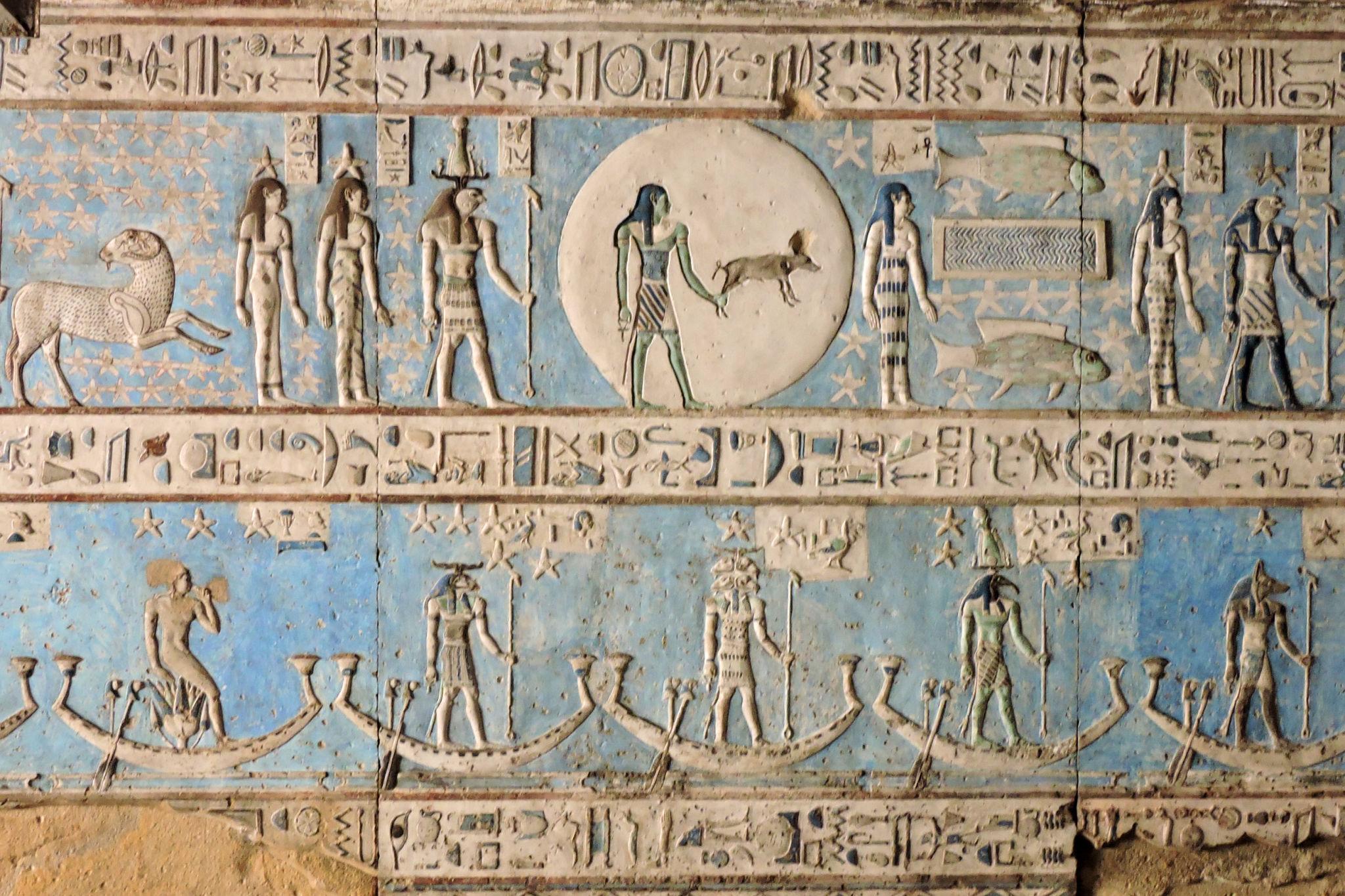
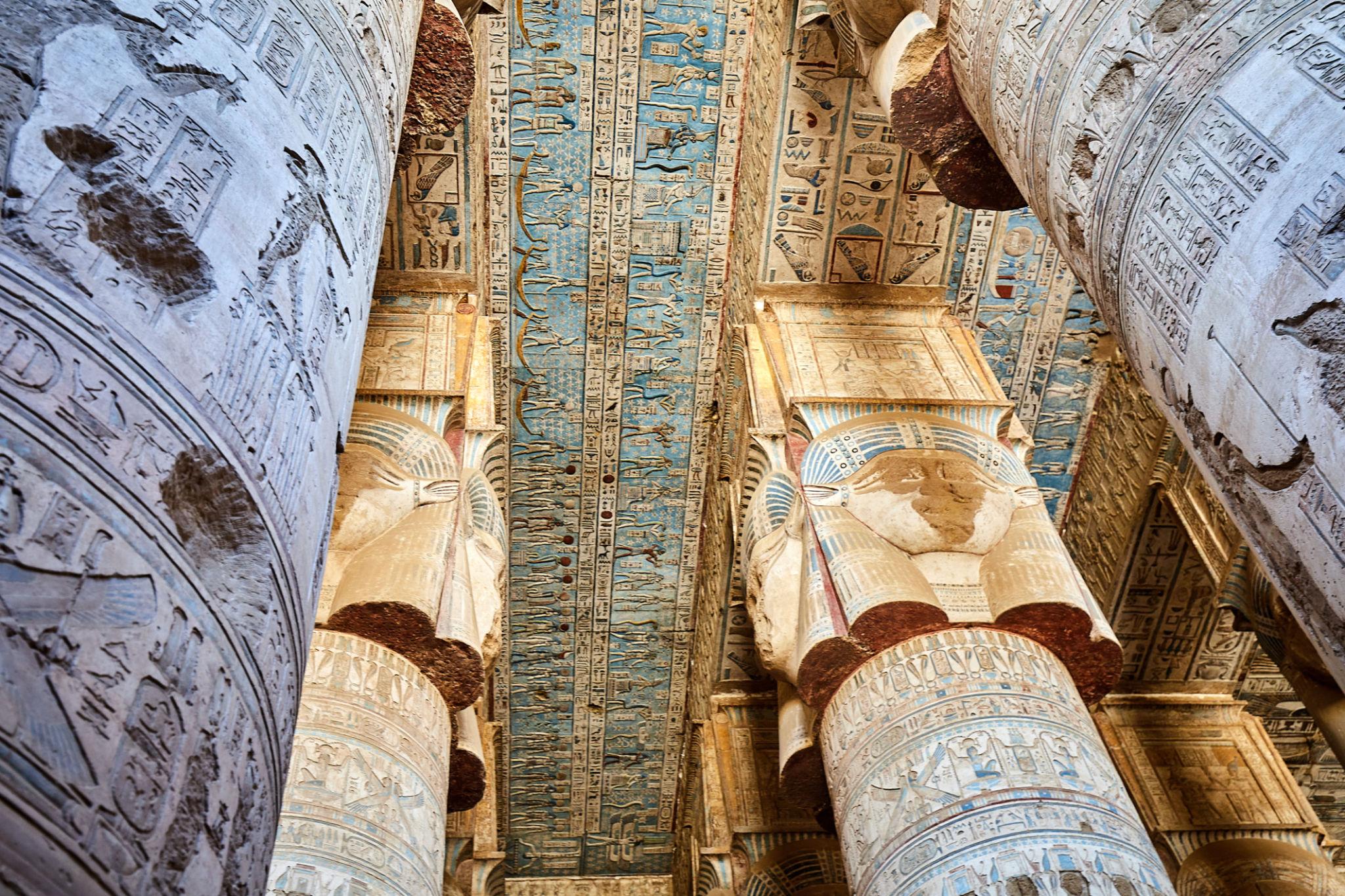
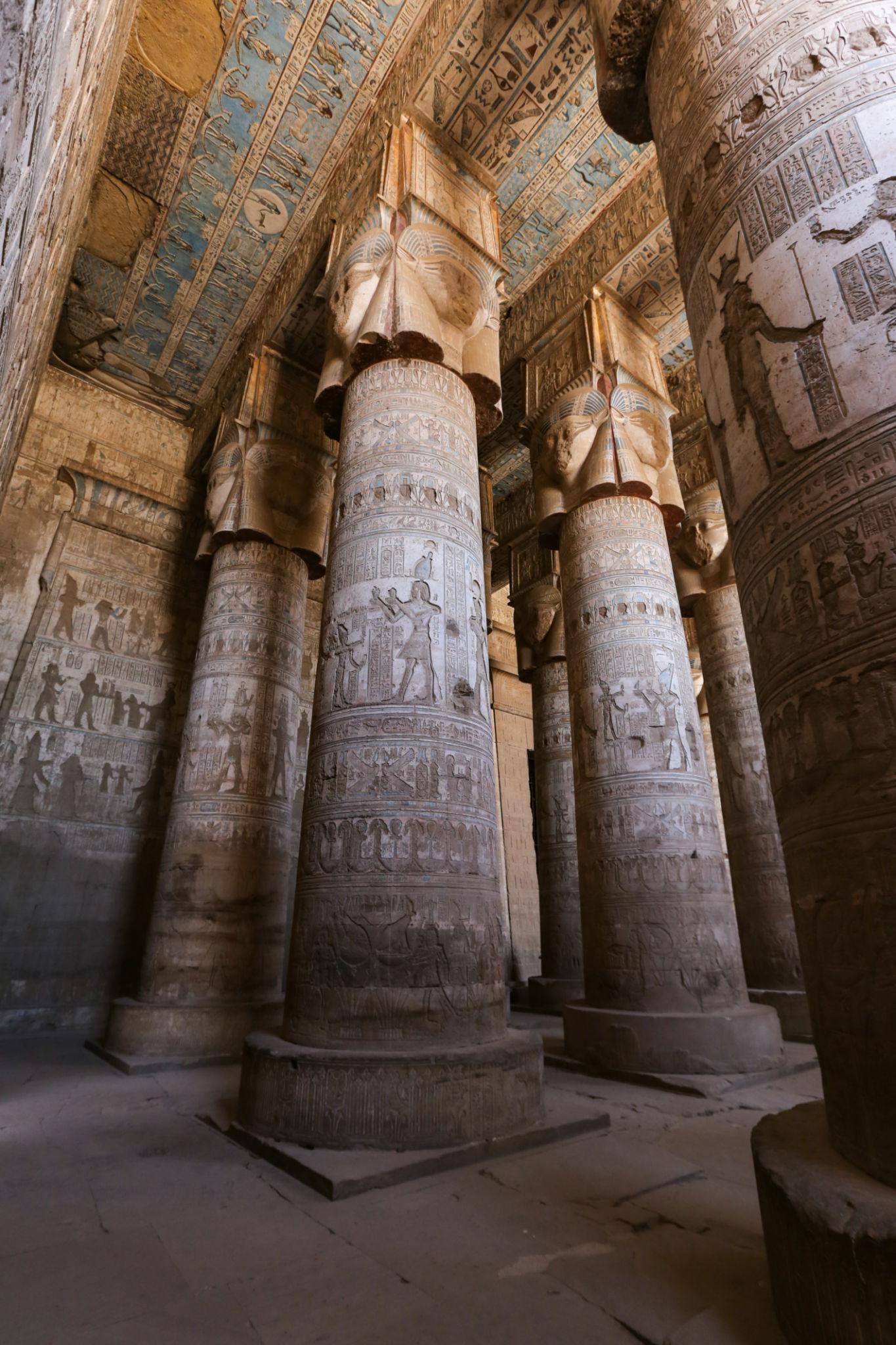
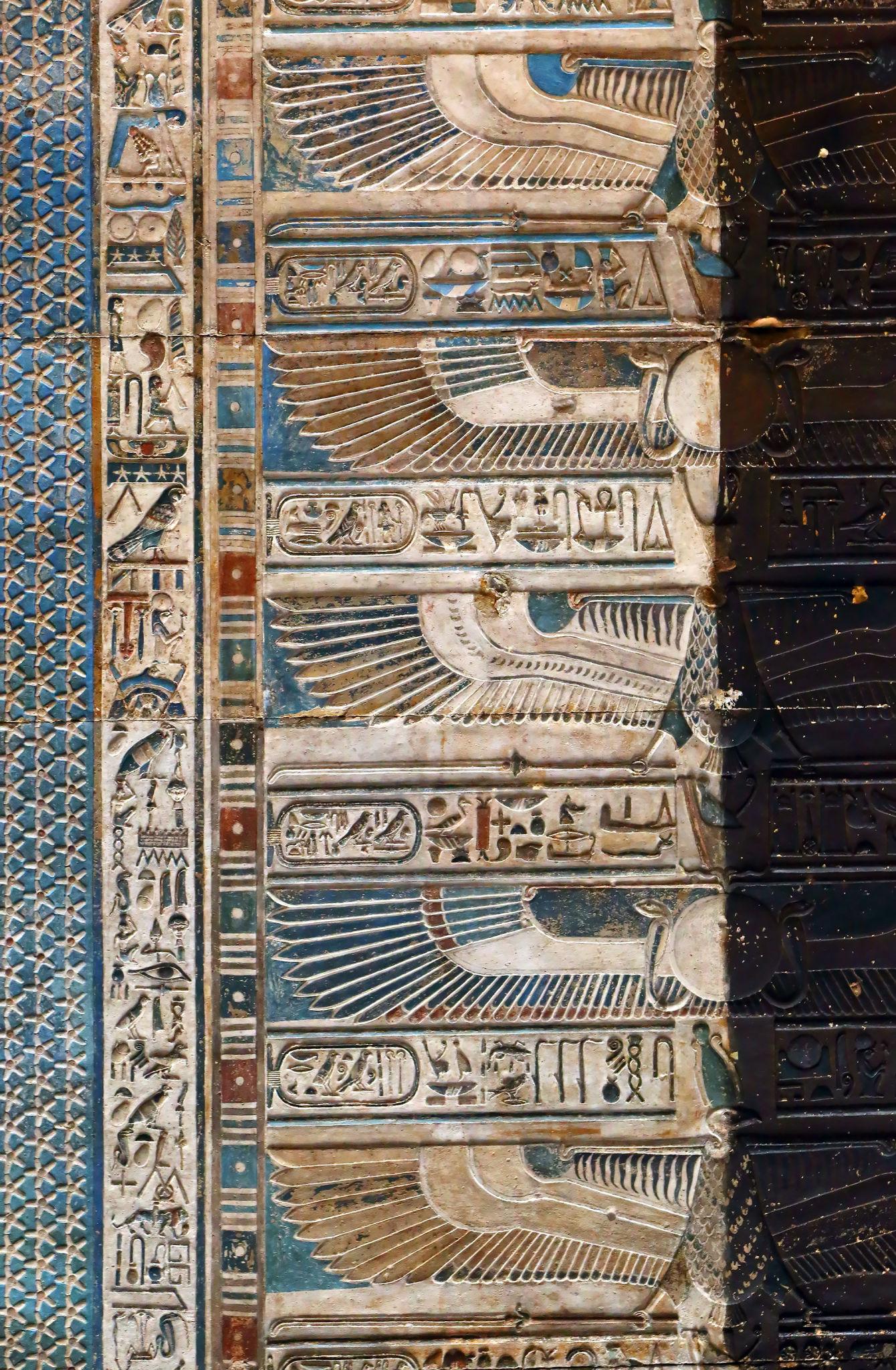
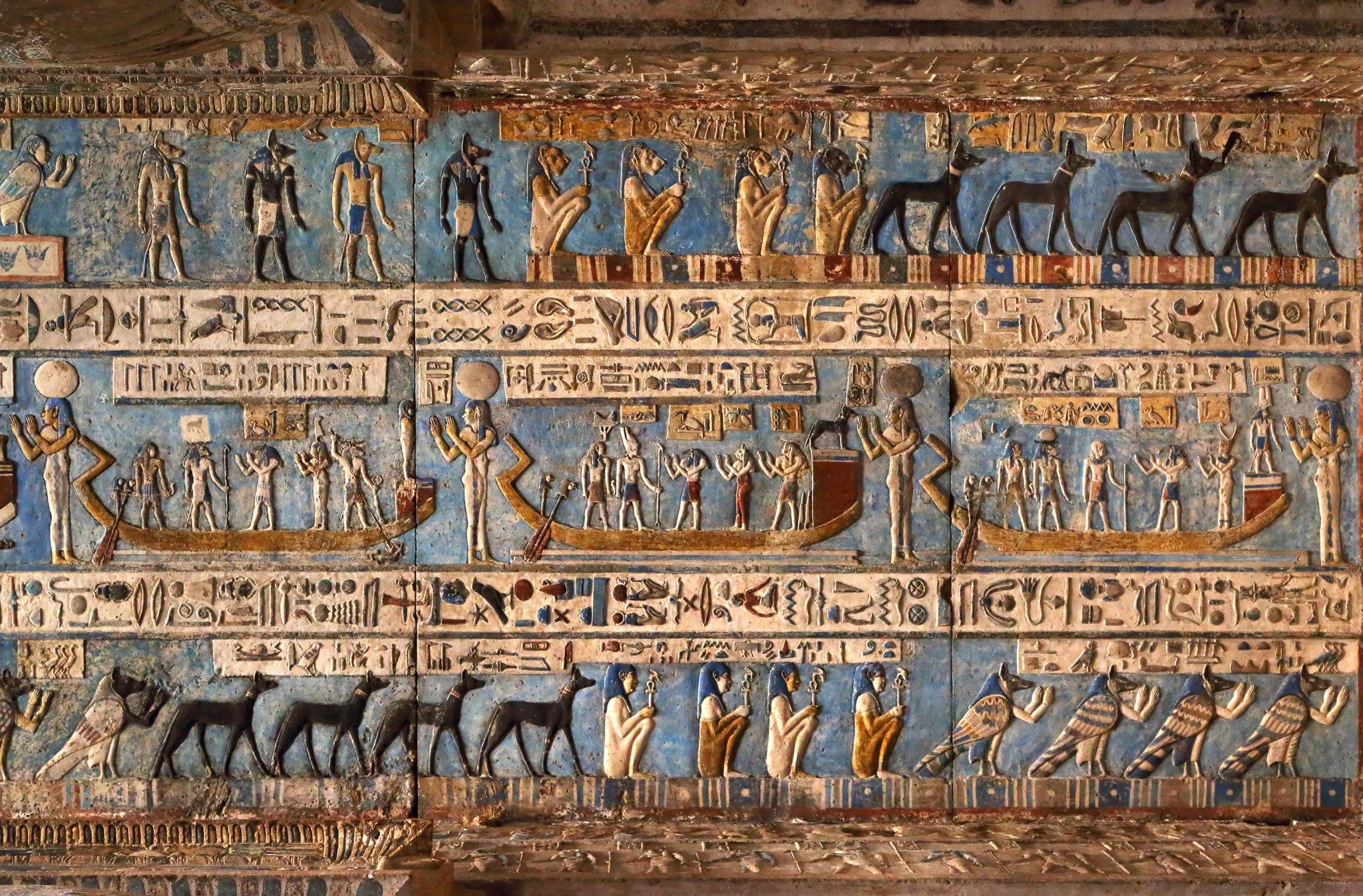
A grand hall with 18 towering columns, each crowned with a four-sided capital depicting the face of Hathor — her serene cow-eared visage gazing out in every direction, creating an uncanny sense of being watched by the goddess herself as you move through the space. The ceiling above is one of the great artistic treasures of ancient Egypt: a vast astronomical canvas covered in zodiac figures, sky goddesses stretching across the heavens, celestial boats carrying the sun through the underworld, and intricate star charts painted in vivid blues, golds, and greens that have survived 2,000 years with remarkable vibrancy. The soot of centuries (from Coptic-era cooking fires when the temple was used as a dwelling) was painstakingly cleaned in a decades-long restoration project, revealing colors so fresh they look almost newly painted. Bring binoculars or a zoom lens to appreciate the extraordinary detail in the ceiling panels — there are layers of symbolism that reward close inspection.
Underground Crypts
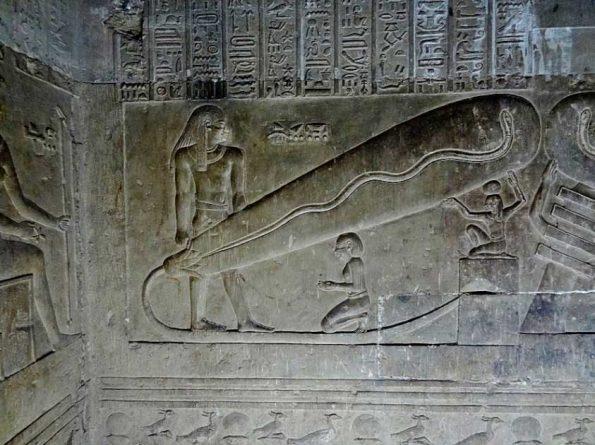
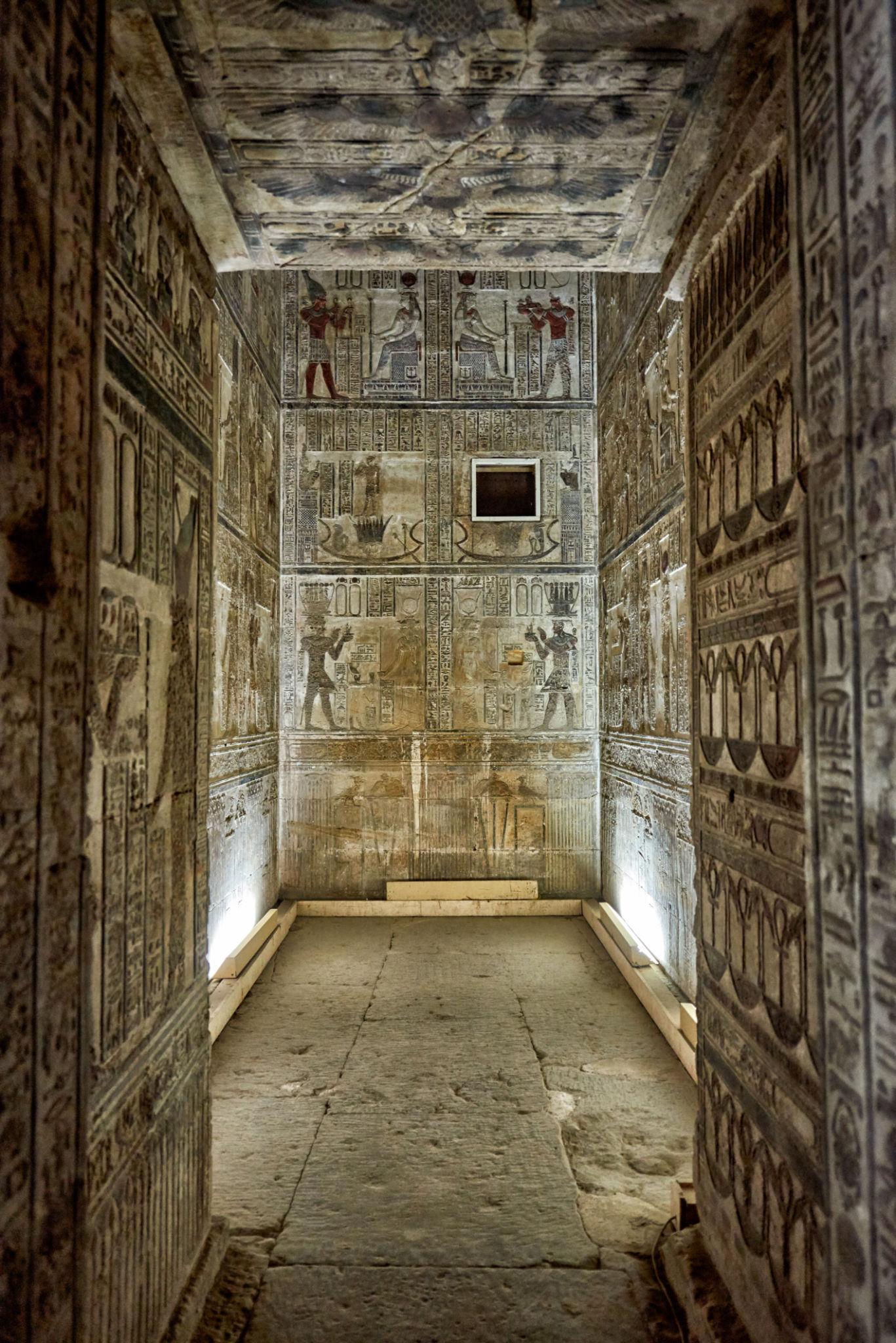
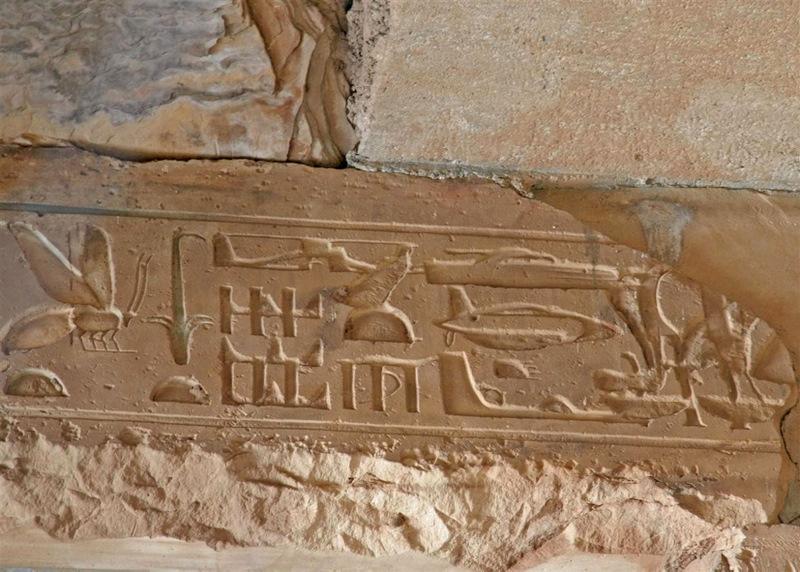
Narrow secret passages carved into the massive thickness of the temple walls, accessible via steep staircases that descend into claustrophobic corridors barely wide enough for one person. These hidden chambers were used to store the temple's most sacred ritual objects and cult statues, and their walls are covered in finely carved reliefs showing the treasures that were once kept within. The crypt reliefs include the famous 'Dendera light' — a controversial scene showing what appears to be a large bulb-shaped object with a filament inside, which fringe theorists interpret as an ancient electrical device, while mainstream Egyptologists identify it as a mythological depiction of a lotus flower birthing a serpent, symbolizing creation. Exploring these cramped, hidden passages with a flashlight — squeezing through doorways and ducking under low ceilings — is one of the most atmospheric experiences at any Egyptian temple, and one that very few other sites allow.
Rooftop Chapel
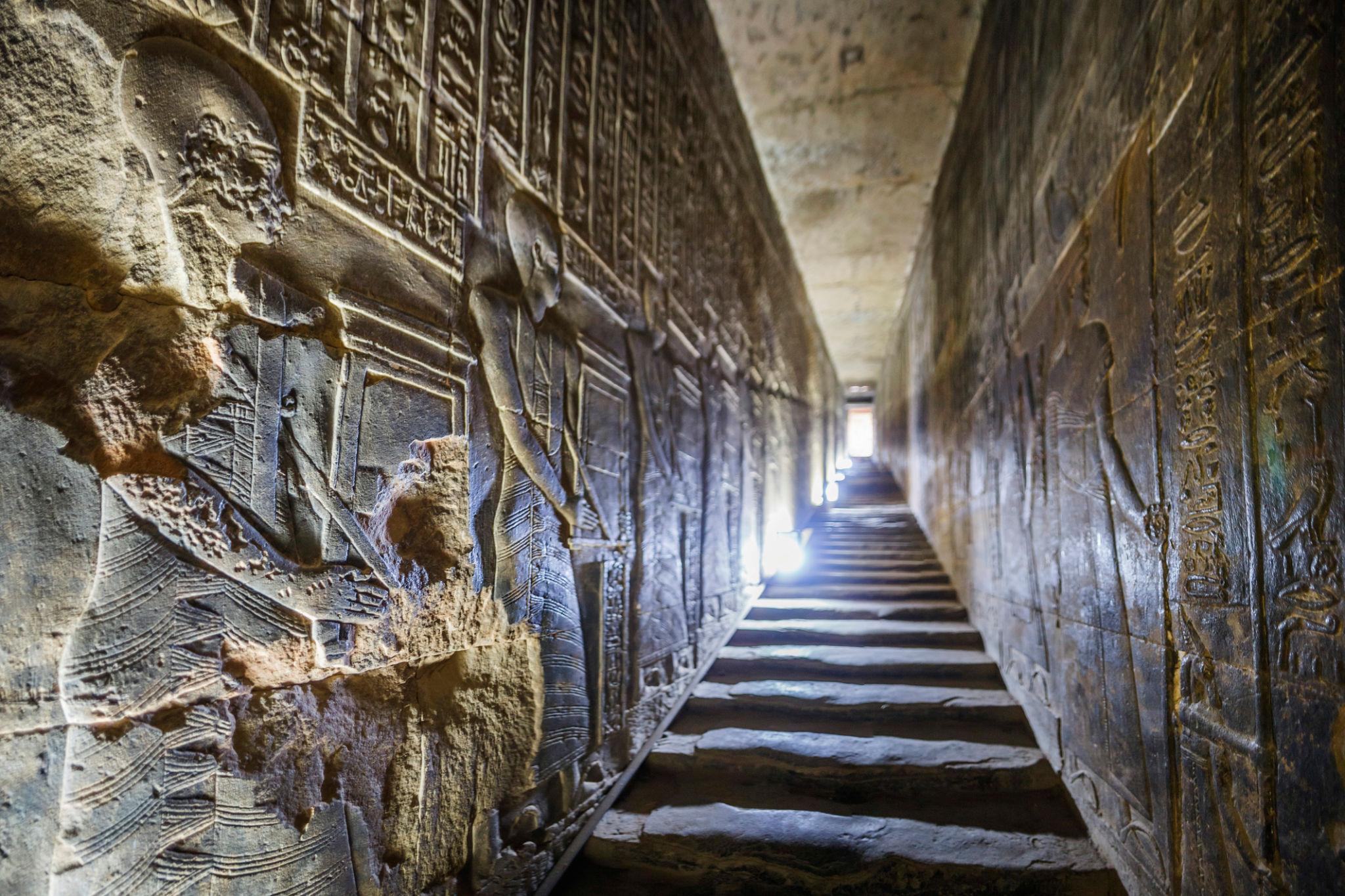
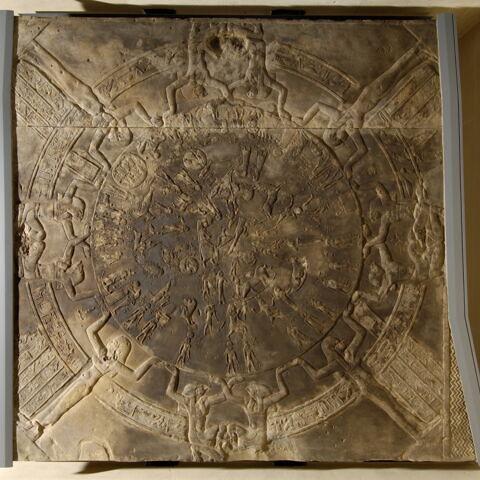
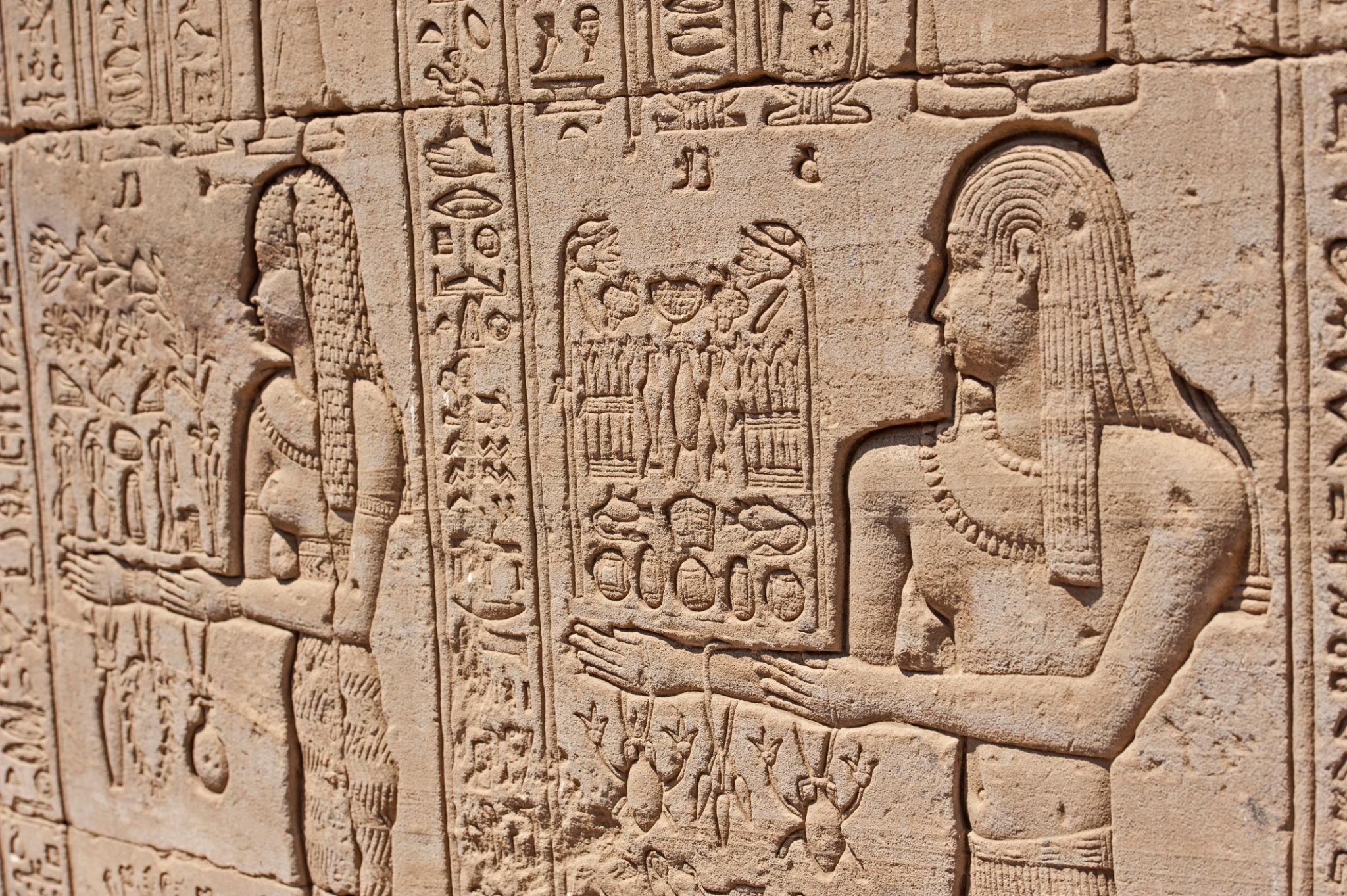
A staircase adorned with exquisitely carved reliefs of offering processions — priests carrying sacred objects, musicians playing instruments, and lines of deities — leads up through the temple's thick walls to the open rooftop. Here, a small chapel once held the original Dendera Zodiac, the celebrated circular star map now in the Louvre (a plaster cast marks where it once was, and the empty ceiling frame is strangely moving). The rooftop itself is one of Dendera's great rewards: an open-air terrace offering sweeping 360-degree panoramic views over the green ribbon of the Nile Valley, the golden desert cliffs beyond, and the surrounding sugar-cane fields and date palms. In antiquity, this rooftop was used for a key ritual during the New Year festival, when the cult statue of Hathor was brought up to be 'reunited' with the rays of the sun — standing here at sunset, you can feel exactly why the priests chose this spot.
Rear Wall & Cleopatra Relief
The exterior rear wall of the temple features a massive relief of Cleopatra VII and her son Caesarion (fathered by Julius Caesar) standing in traditional pharaonic pose, making offerings to the gods — including Hathor and her son Ihy. This is one of the very few surviving monumental depictions of the legendary queen, and while the carving follows conventional Egyptian artistic rules rather than showing a realistic portrait, it remains a thrilling encounter with one of history's most famous figures. Caesarion, shown as a young man in full pharaonic regalia, was the last pharaoh of the Ptolemaic dynasty before Octavian (later Augustus) had him executed after his mother's death. The relief is easy to miss since it faces the rear of the temple away from the main entrance — walk around the outside of the building to find it, and look for the double uraeus (cobra) on Cleopatra's crown that marks her as queen.

Historical Details

Temple of Hathor
Hathor was one of Egypt's most beloved and multifaceted goddesses — associated with love, beauty, music, fertility, motherhood, drunkenness, and the afterlife, making her relevant to virtually every aspect of daily life. Her cult at Dendera dates back to at least the Old Kingdom, and evidence suggests a temple stood on this site as early as the reign of Pharaoh Pepi I (c. 2300 BC), though the magnificent structure visible today was built primarily between 54 BC and 20 AD by the later Ptolemaic kings and Roman emperors. The site was a major pilgrimage destination where the sick came seeking healing through 'incubation' — sleeping within the temple precincts in hopes of receiving curative dreams from the goddess. Annual festivals at Dendera were famous throughout Egypt, particularly the 'Festival of Drunkenness' celebrating Hathor's mythological role in saving humanity, during which pilgrims consumed vast quantities of beer and wine as a sacred act of worship.
The Dendera Zodiac
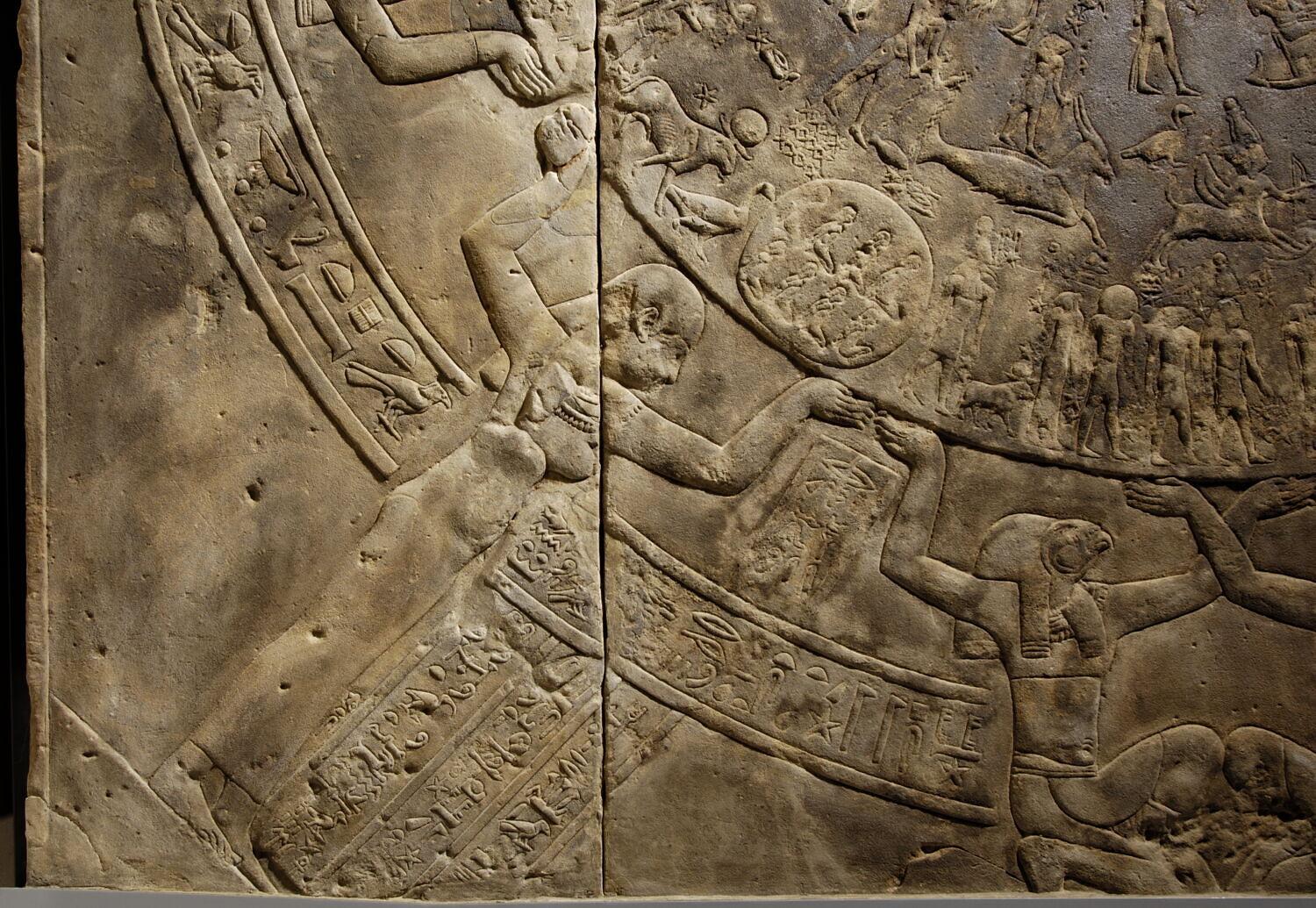
The ceiling of the rooftop chapel contained a unique circular zodiac — the only complete circular zodiac known from ancient Egypt and one of the most important astronomical artifacts from the ancient world. Created around 50 BC, it depicts the 12 zodiac constellations (in their Greco-Egyptian forms), 36 decans used for timekeeping, the five planets known to the ancients, and the constellations of the northern and southern skies, all supported by the figures of the sky goddess Nut and the four cardinal goddesses. Astronomers have used the positions depicted to date specific celestial events, including two eclipses that help pin the zodiac's creation to approximately 50 BC. The original sandstone relief was controversially removed by French engineers in 1821 — they used saws and explosives to extract it from the ceiling — and it is now one of the prized possessions of the Louvre in Paris. A plaster cast replaces it at Dendera, and while the absence of the original is a loss, the cast still conveys the remarkable sophistication of ancient Egyptian astronomical knowledge.

Visitor Tips

  • Combine Dendera with Abydos for a full day trip from Luxor (both are north of Luxor)
  • Bring a flashlight for the underground crypts — the lighting is minimal
  • The rooftop is best visited at sunset when the light over the Nile Valley is magical
  • Dendera sees far fewer visitors than Luxor's temples — enjoy the peace
  • Photography is allowed throughout, including in the crypts

Related Monuments
Opening Hours

7 AM5 PM

Entry Fee

120 EGP

Period

Ptolemaic–Roman Period, c. 54 BC – 20 AD

Built By

Ptolemaic and Roman rulers (completed under Emperor Tiberius)

Location

26.1416, 32.6700

Related Tours