National Museum of Egyptian Civilization (NMEC)

Egypt's story from prehistory to the present — and the new home of the Royal Mummies.

9 AM5 PM550 EGP (foreign visitor, includes Royal Mummies Hall)30.0063, 31.2469

The National Museum of Egyptian Civilization (NMEC) in Old Cairo (Fustat) traces the full arc of Egyptian civilization from prehistoric times through the pharaonic, Greco-Roman, Coptic, and Islamic eras to the modern day. The museum gained worldwide attention when the Royal Mummies were transferred here from the Egyptian Museum in a grand televised parade in 2021. Set on the shores of Ain al-Sira lake, the NMEC offers a more thematic and chronological experience than the traditional Egyptian Museum.

Gallery
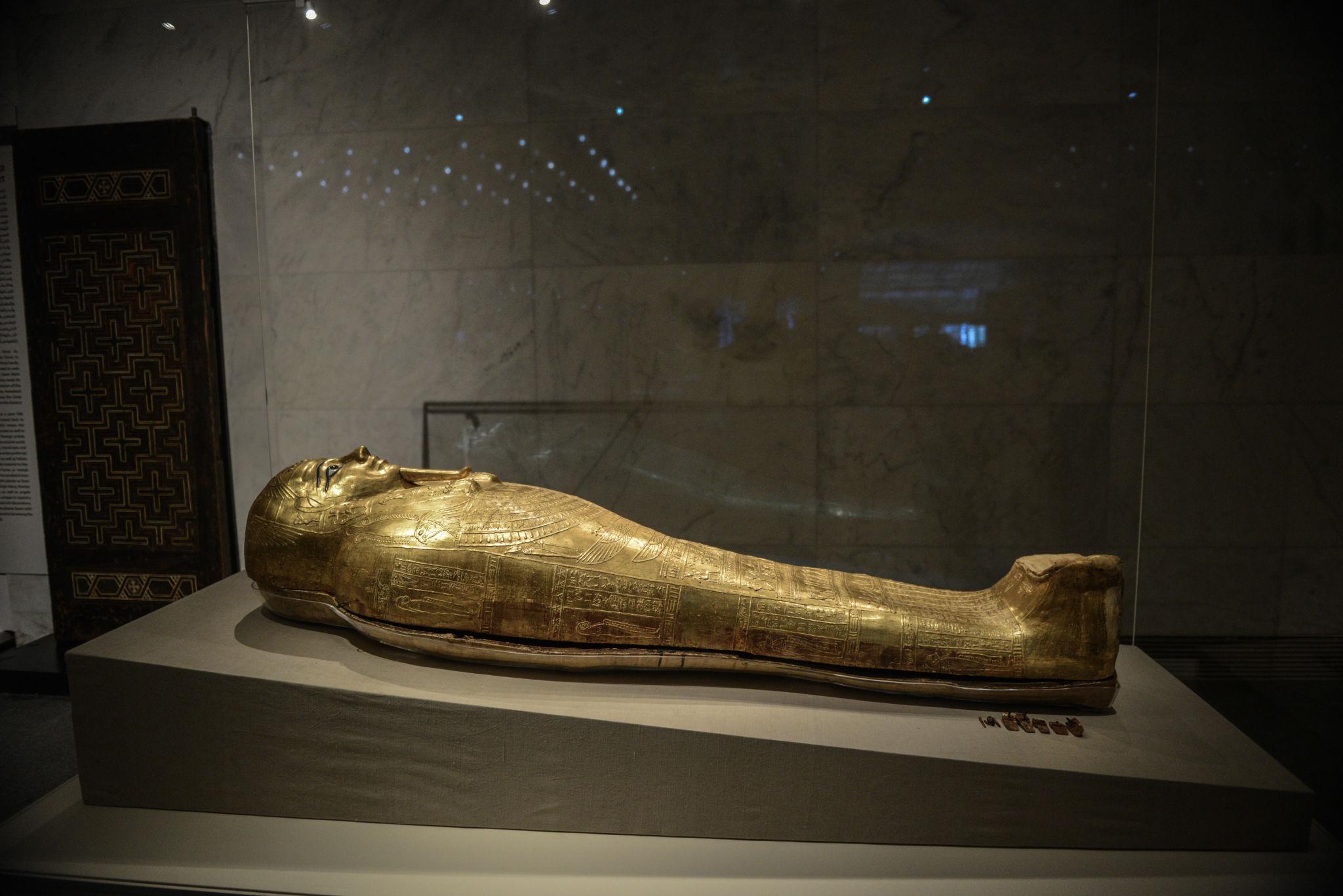
A gilded ancient Egyptian sarcophagus displayed in a glass case at the NMEC museum
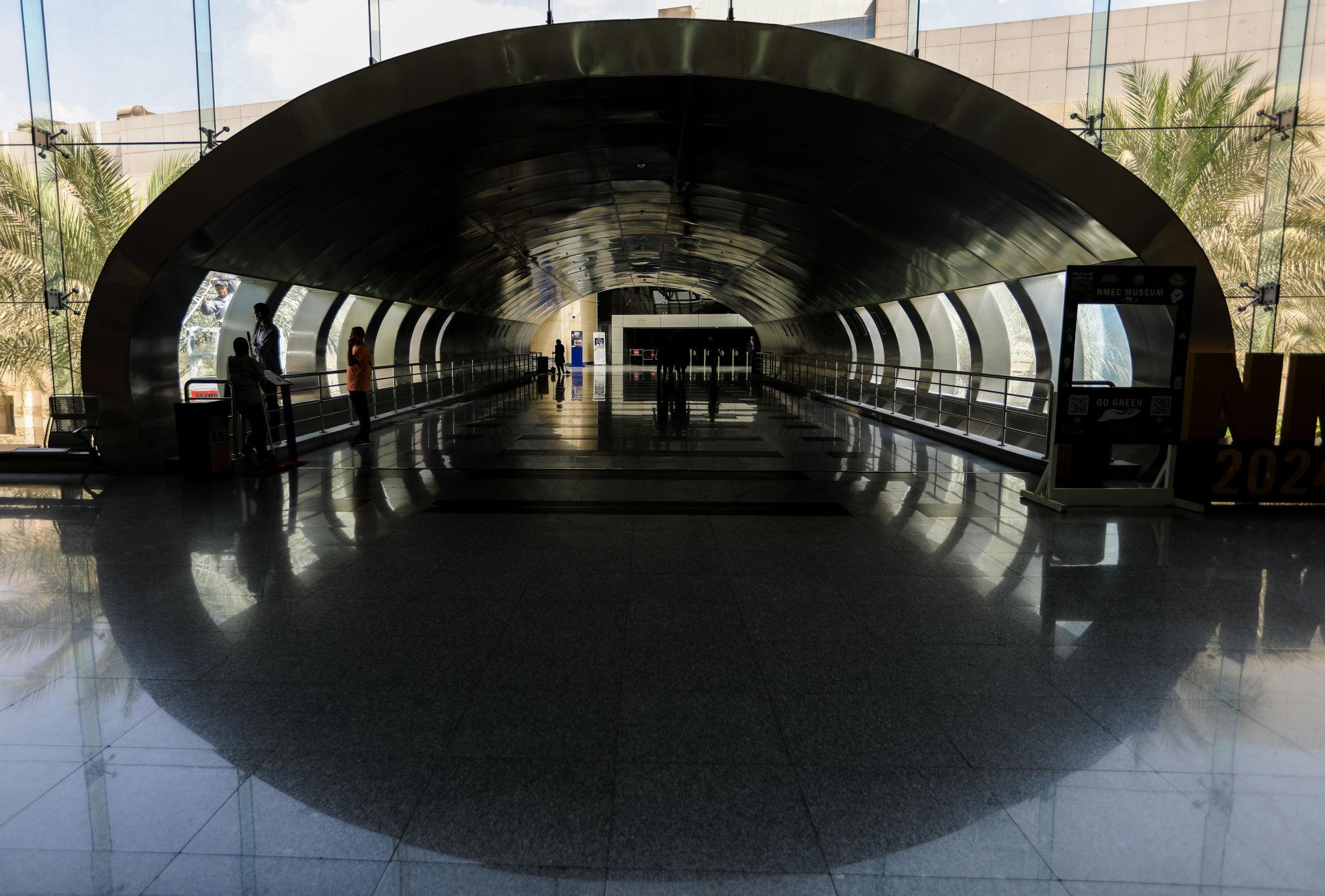
Visitors walk through a dramatic oval steel arch tunnel at the NMEC entrance with reflective floors
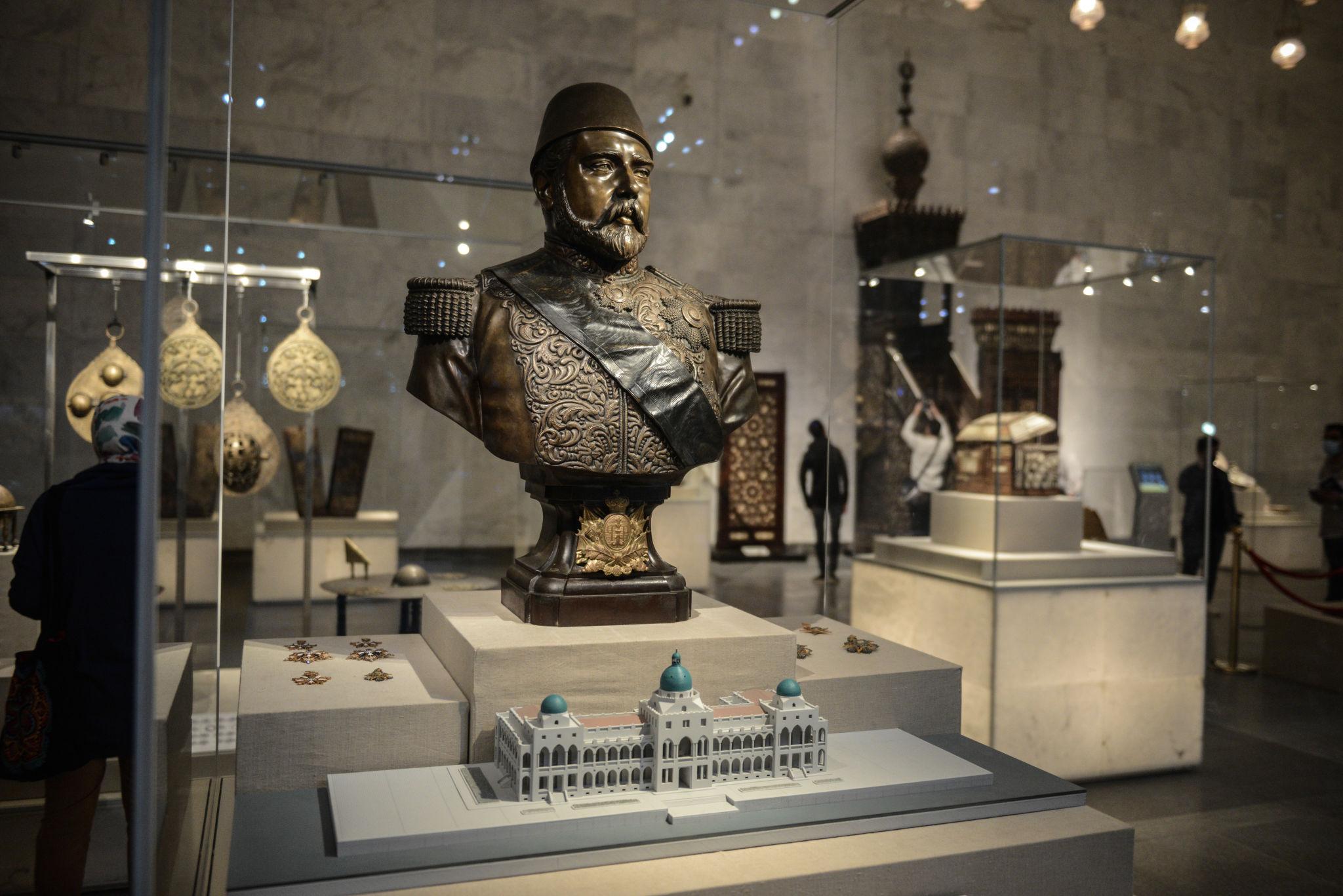
Bronze bust of a Ottoman-era ruler in military uniform displayed with medals and architectural model at NMEC
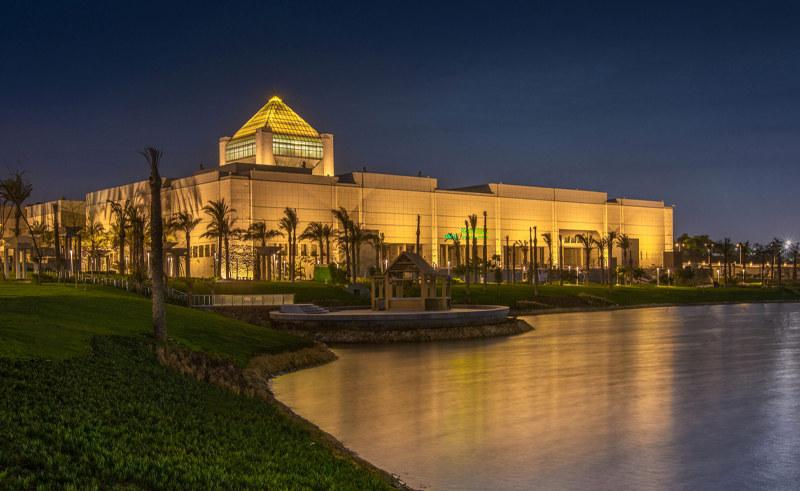
NMEC building illuminated at night with golden pyramid roof reflecting on a calm lake
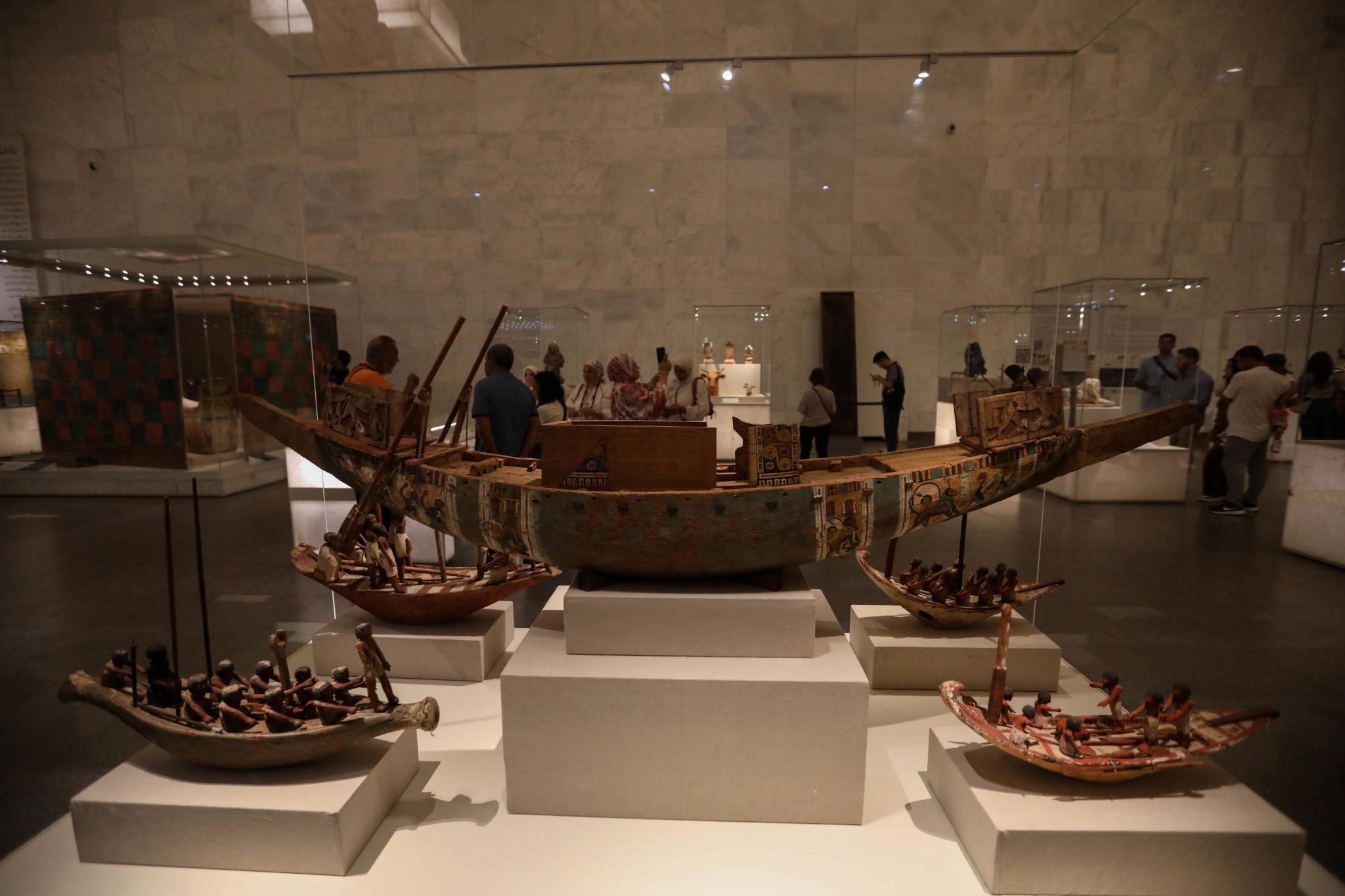
Ancient Egyptian wooden boat models with figurines on display at the NMEC museum gallery
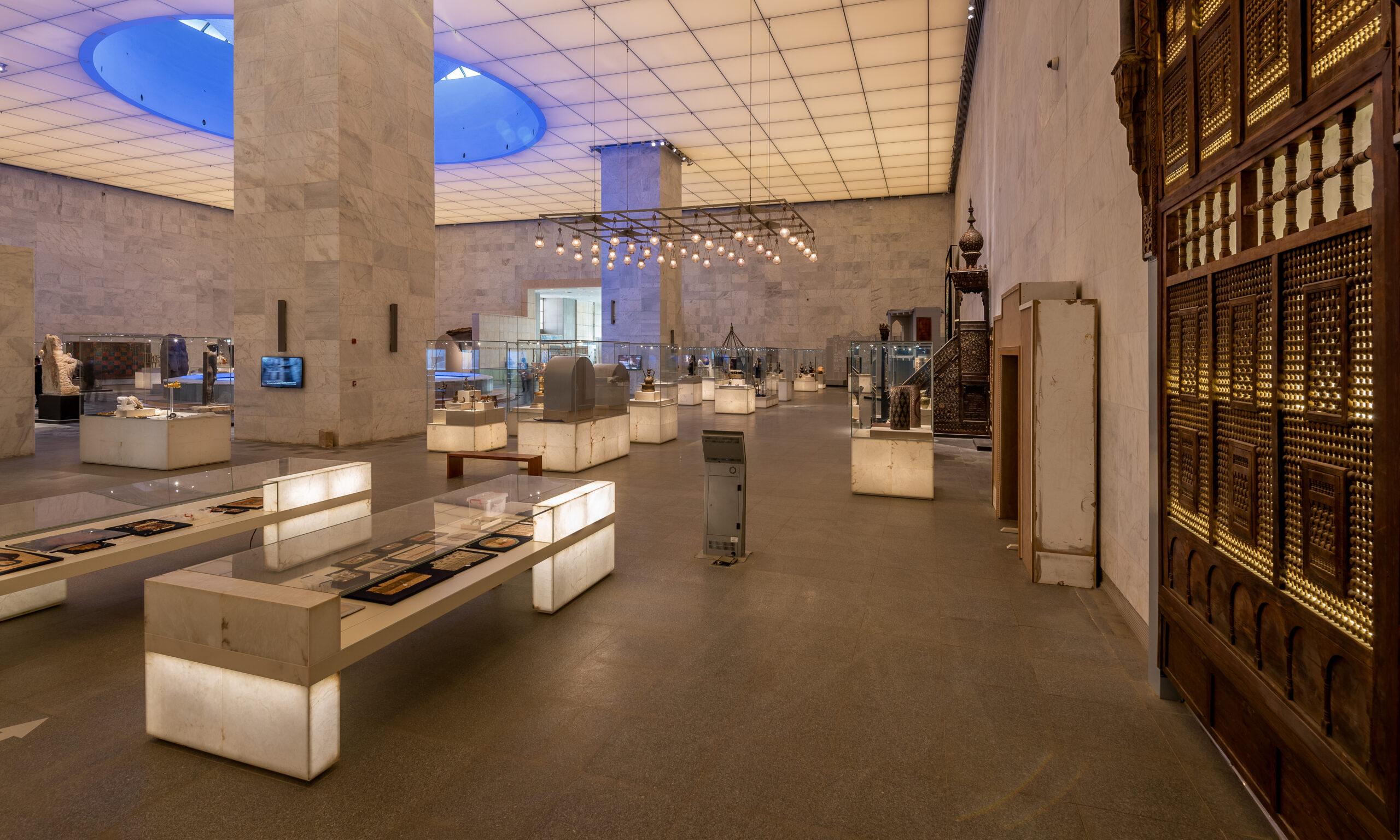
Spacious NMEC gallery with illuminated display cases and ornate wooden Islamic door panel
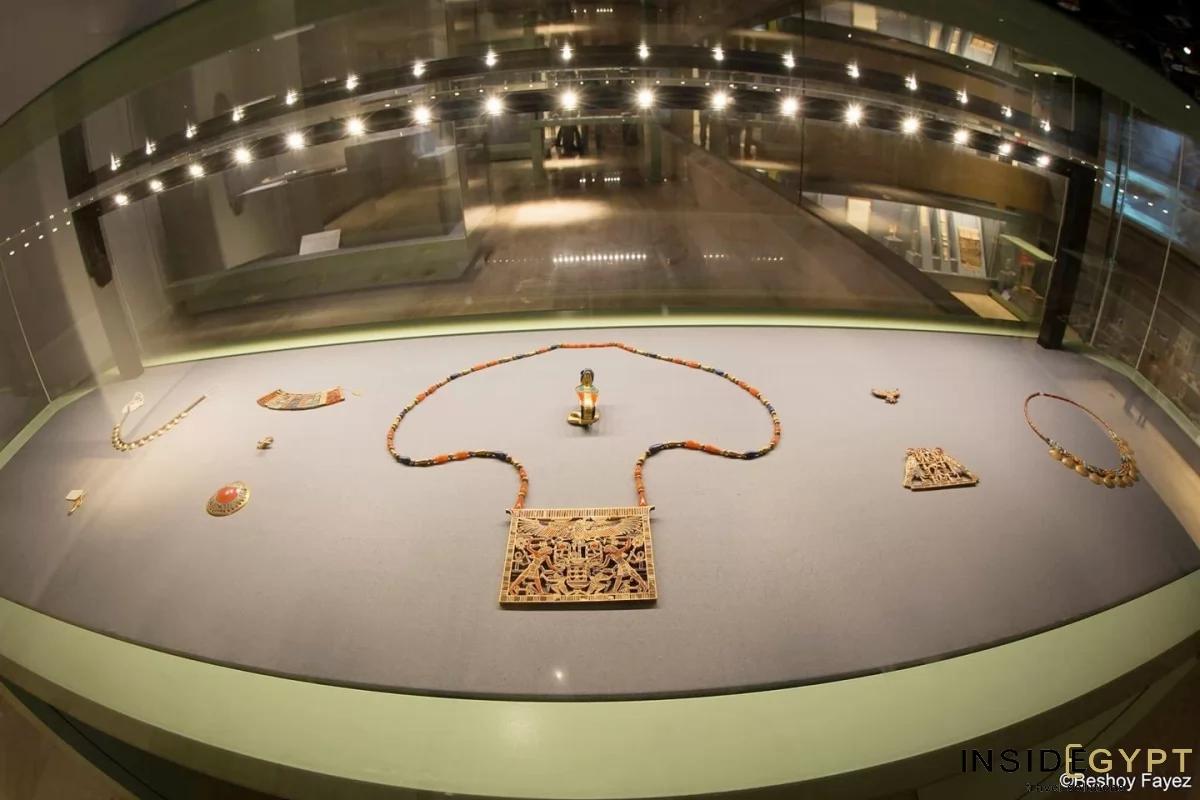
Ancient Egyptian jewelry and pectoral pieces laid out in a curved glass display case at NMEC
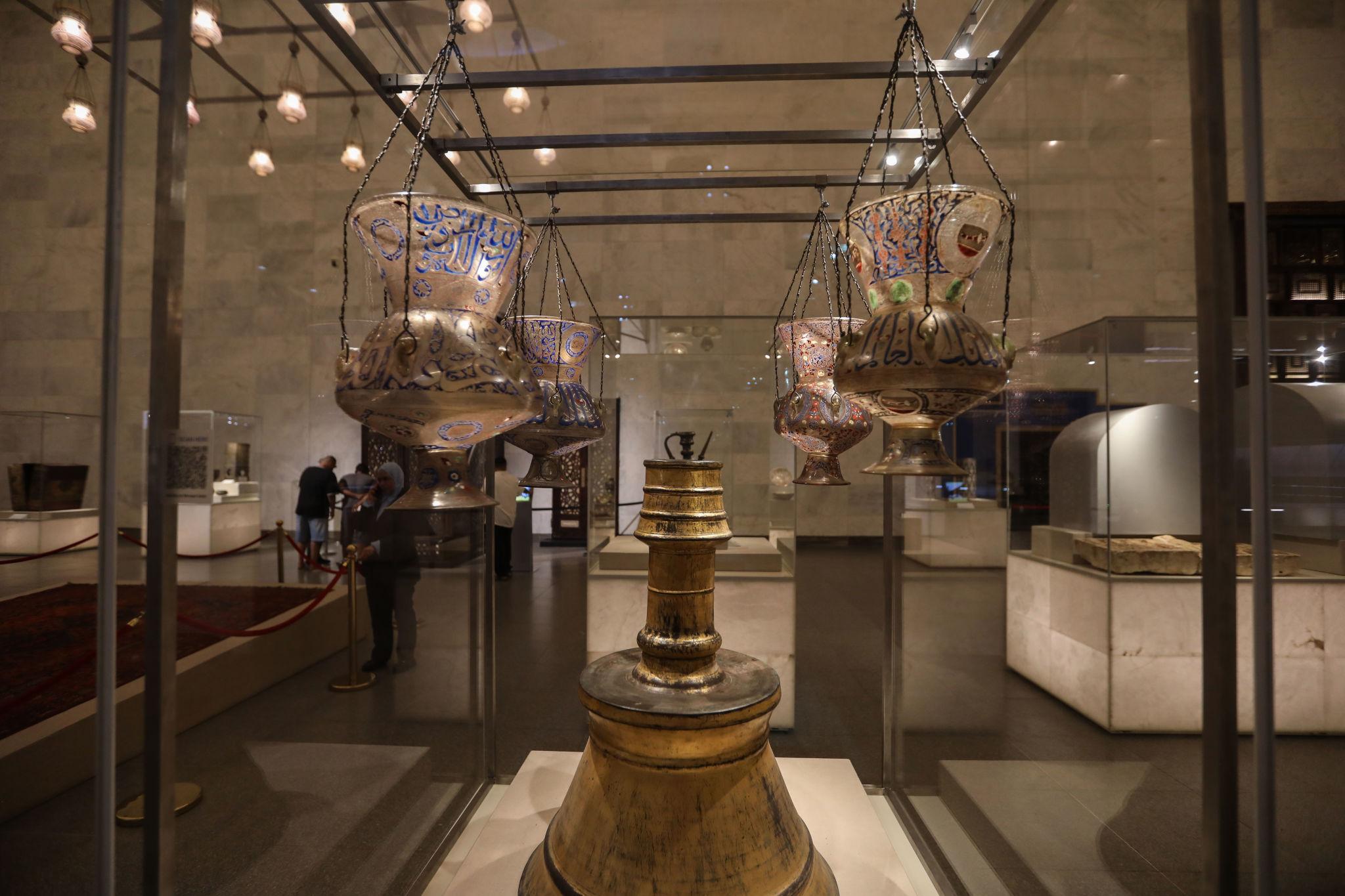
Ornate gilded and enameled Mamluk glass mosque lamps with Arabic calligraphy hang in a museum case
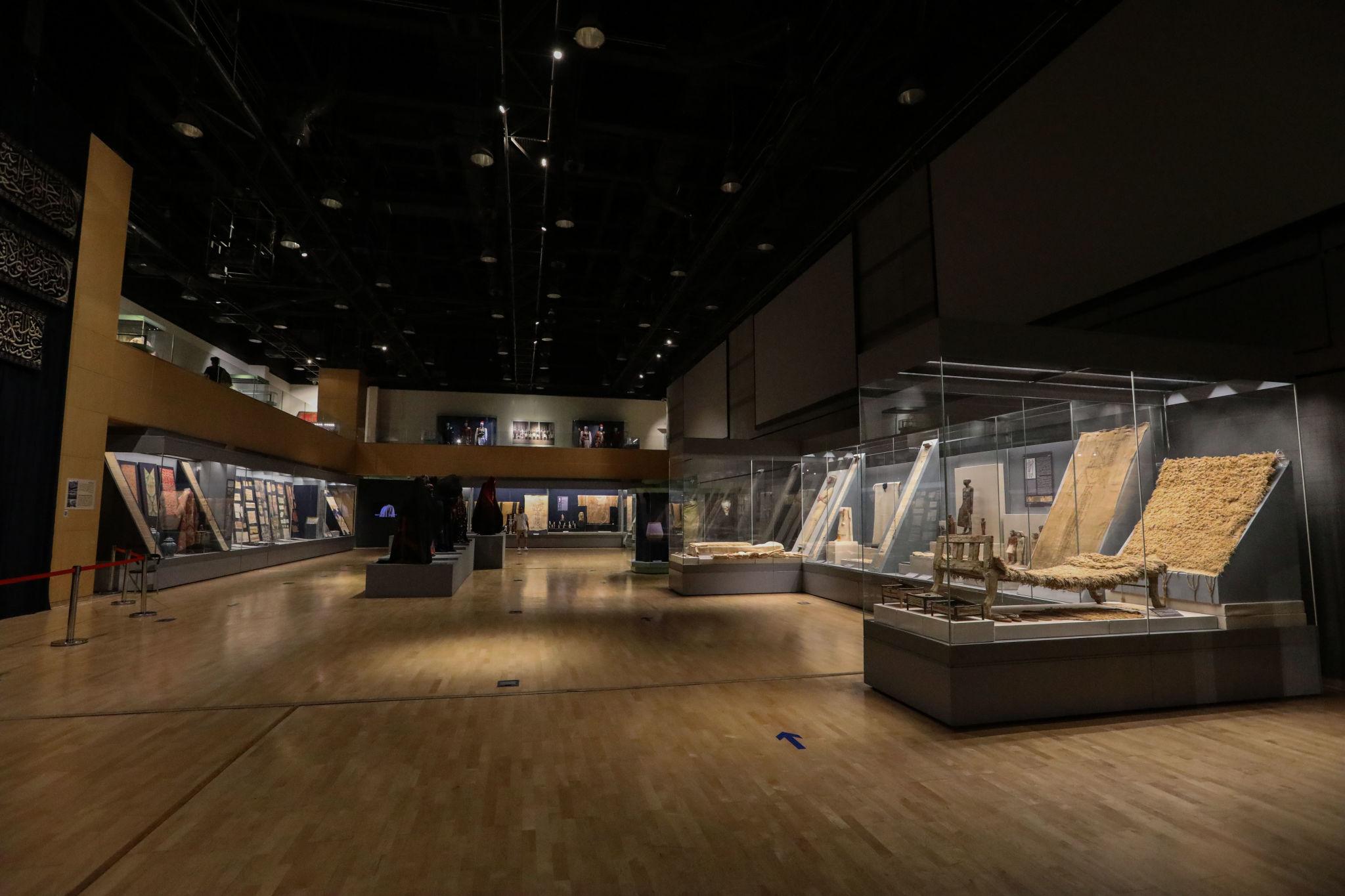
Spacious NMEC gallery with lit display cases showing ancient Egyptian textiles and artifacts
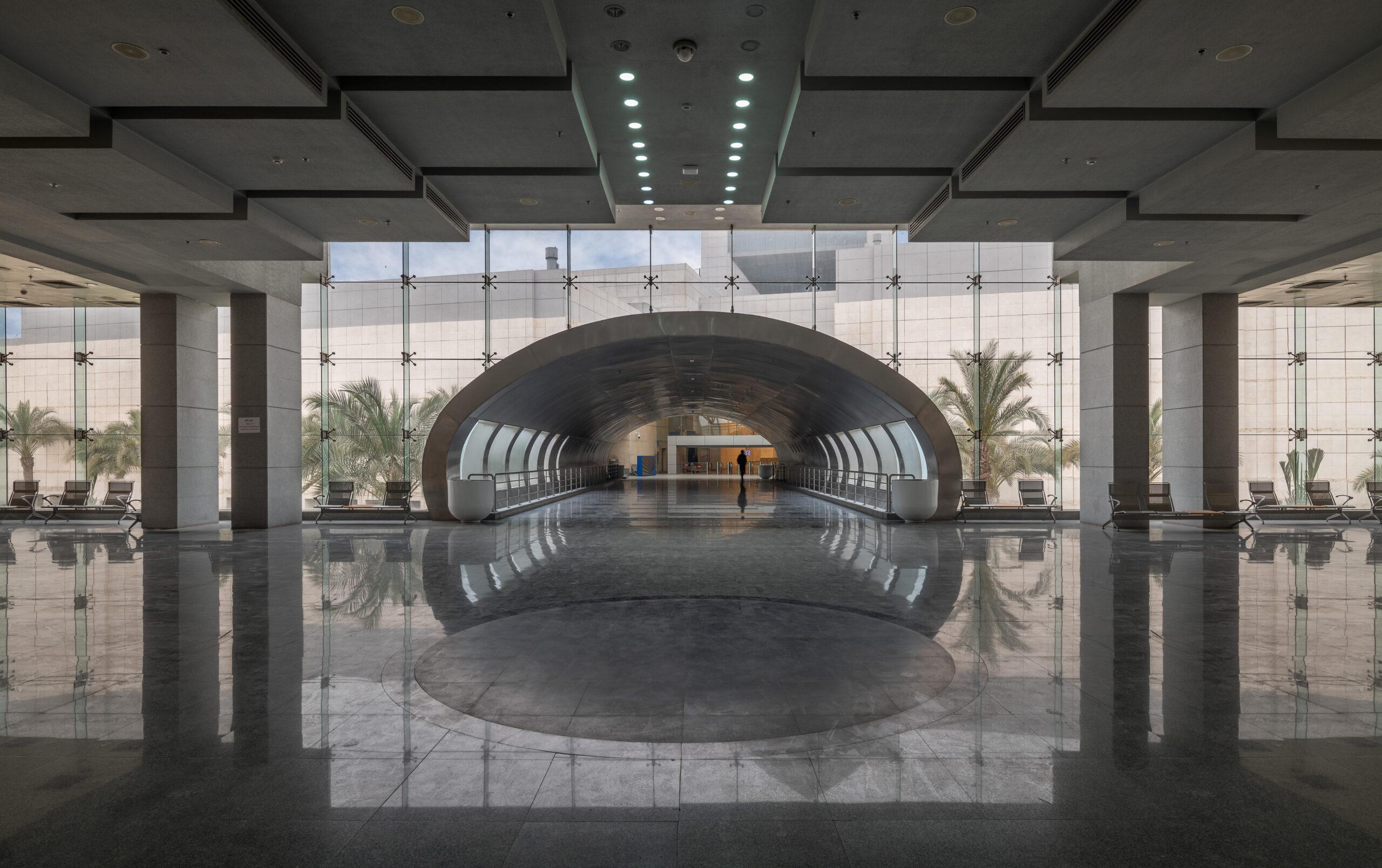
Sleek arched tunnel entrance reflected in polished marble floors of the NMEC lobby
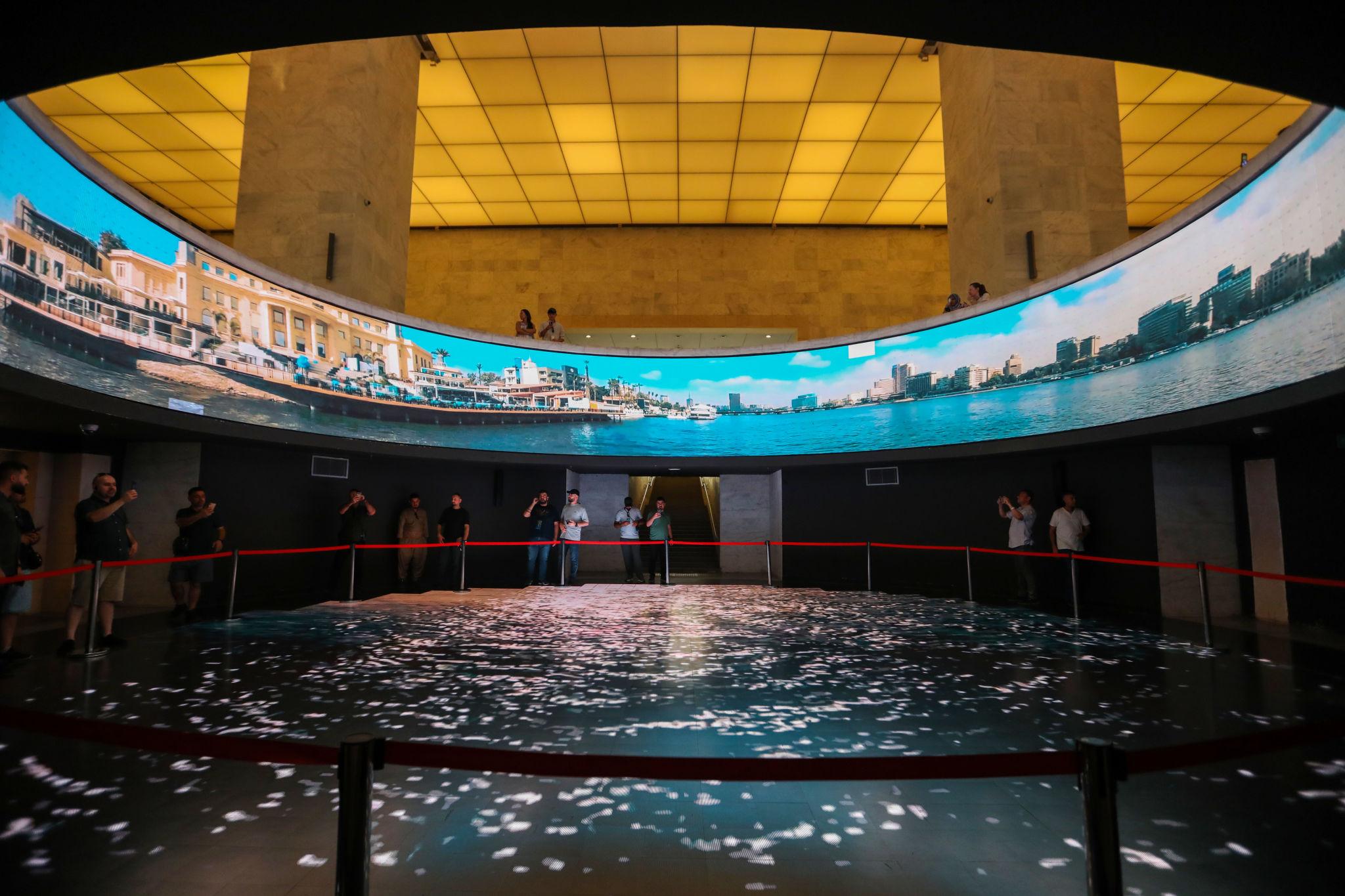
Visitors view a 360-degree curved screen displaying Cairo's Nile riverfront inside NMEC
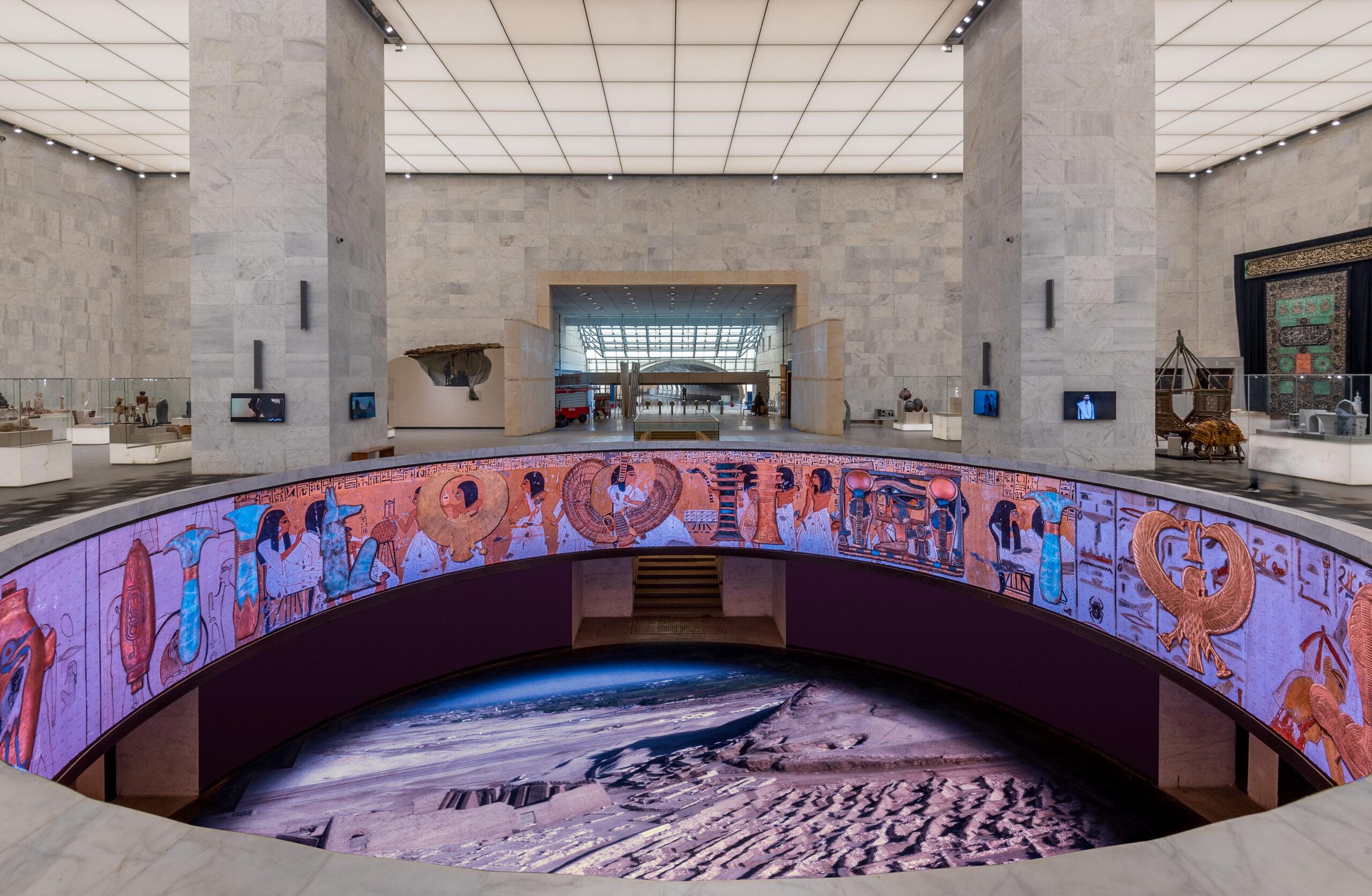
Immersive circular LED display showing ancient Egyptian murals and aerial pyramid views inside NMEC
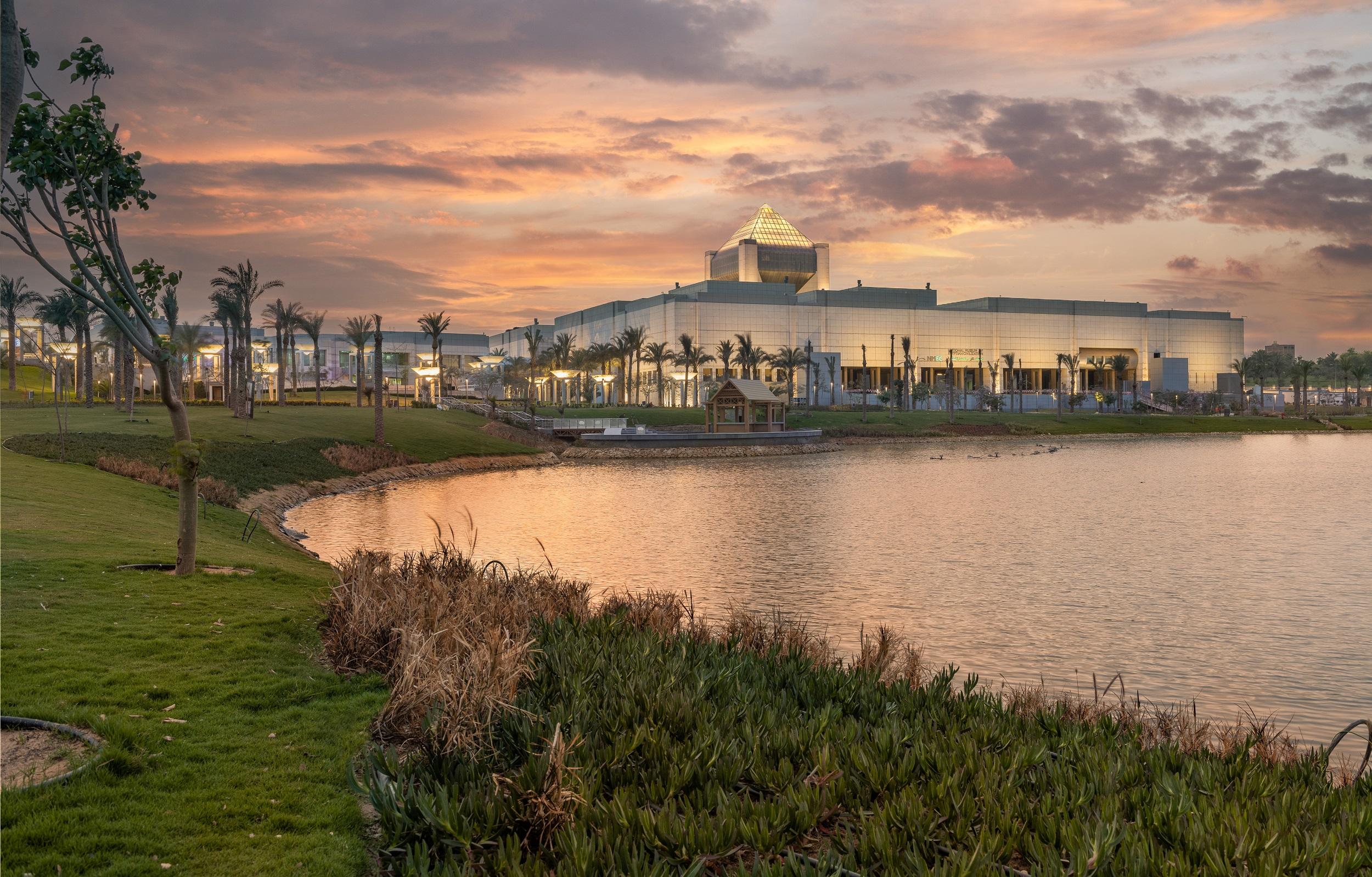
NMEC glass building with golden pyramid roof reflected in a calm lake at sunset

Why Visit

Come face to face with the actual mummies of Ramesses II, Hatshepsut, and 20 other pharaohs
The only museum covering all of Egyptian civilization — from Stone Age to space age
A modern, beautifully designed museum without the overwhelming crowds

What to See

Royal Mummies Hall
The museum's main draw: 22 royal mummies displayed in individual climate-controlled cases within a dimly lit, reverential hall designed to feel like a modern pharaonic tomb. Each mummy is presented with hushed lighting and detailed biographical panels, allowing visitors to come face to face with the actual preserved remains of Ramesses the Great, Queen Hatshepsut, Seti I, Thutmose III, and other rulers who shaped the ancient world. CT scan displays beside each case reveal remarkable details — Ramesses II's arthritic joints, Hatshepsut's dental abscess, and battle wounds on warrior pharaohs. The experience of standing inches from a face that commanded an empire over 3,000 years ago is one of the most emotionally powerful moments available to any traveler in Egypt.
Main Exhibition Hall
A sweeping chronological journey through the full arc of Egyptian civilization across multiple themed galleries, from Paleolithic stone tools and predynastic pottery through pharaonic masterpieces, Coptic textiles, Islamic calligraphy, and modern Egyptian heritage. Unlike museums that focus exclusively on the pharaonic era, the NMEC is the only museum in Egypt that tells the complete story — demonstrating how each civilization built upon the last across 7,000 years of continuous culture. Interactive displays and multimedia installations help contextualize artifacts within their historical moments, making connections between eras that traditional museums often miss. The galleries are spacious, modern, and thoughtfully curated, offering a contemplative experience without the overwhelming density of the older Egyptian Museum.
Textiles Gallery
One of the world's finest collections of ancient textiles, showcasing the evolution of Egyptian fabric arts across millennia — from remarkably preserved pharaonic linen so fine it rivals modern silk, to Coptic tapestries alive with vivid mythological scenes of gods, animals, and geometric patterns in striking reds, blues, and golds. The Islamic-era fabrics include exquisite tiraz textiles with embroidered calligraphic bands and richly patterned silks from the Fatimid period that reflect Cairo's role as a medieval center of luxury textile production. Many of these textiles survived only because Egypt's dry climate naturally preserved them in tombs and refuse heaps. The gallery offers a rare window into daily life, fashion, and artistic expression that stone monuments and metal objects simply cannot provide.
Lakeside Setting
The museum overlooks the tranquil Ain al-Sira lake in the historic Fustat district of Old Cairo, its modern architecture harmonizing with the surrounding palm trees and waterfront promenade. The peaceful setting provides a striking contrast to the chaotic energy of central Cairo just a few kilometers away, making the museum visit feel like a retreat as much as a cultural experience. The lakeside terrace is an ideal spot to rest between galleries, with views across the water to the hills beyond. The location itself is historically significant — Fustat was the first settlement established after the Arab conquest of Egypt in 641 AD, and archaeological layers from Roman, Coptic, and early Islamic periods lie beneath the surrounding streets.

Historical Details

The Golden Parade of Pharaohs
On April 3, 2021, 22 royal mummies were transferred from the Egyptian Museum in Tahrir Square to the NMEC in one of the most extraordinary cultural events of the 21st century — a spectacular televised procession through the streets of Cairo watched by millions worldwide. Each mummy traveled in a specially designed nitrogen-filled capsule mounted on a chariot-style float decorated in pharaonic style, accompanied by a full military honor guard, orchestral music composed for the occasion, and dramatic lighting along the route. The streets were repaved and historic buildings illuminated along the 40-minute journey, transforming Cairo into an open-air pharaonic pageant. The ceremony underscored Egypt's deep reverence for its ancient heritage and marked the NMEC's arrival as a world-class institution.
Fustat: Egypt's First Islamic Capital
The museum is located in the heart of Fustat, the site of Egypt's first Islamic capital founded in 641 AD by the Arab general Amr ibn al-As after his conquest of Byzantine Egypt. Fustat grew into one of the largest and wealthiest cities in the medieval world before being deliberately burned in 1168 to prevent its capture by Crusader forces, after which Cairo (al-Qahira) became the new capital. The area is extraordinarily rich in archaeological layers — Roman, Coptic, and early Islamic remains have been found during construction throughout the district. The museum's location thus embodies its mission: telling the story of Egyptian civilization across all its eras, from the pharaohs to the present, on ground that has witnessed many of those eras firsthand.

Visitor Tips

  • The Royal Mummies Hall requires a separate ticket — buy it at the entrance
  • Much less crowded than the Egyptian Museum or GEM — a more contemplative experience
  • Located in Old Cairo near the Coptic Quarter — combine both in a day
  • Allow at least 2 hours for the museum

Related Monuments
Opening Hours

9 AM5 PM

Entry Fee

550 EGP (foreign visitor, includes Royal Mummies Hall)

Period

Museum opened 2017 (fully 2021); artifacts spanning all of Egyptian history

Location