Grand Egyptian Museum (GEM)

The world's largest archaeological museum — home to Tutankhamun's complete treasure and over 100,000 artifacts.

9 AM7 PM500 EGP (general), additional tickets for Tutankhamun galleries29.9946, 31.1171

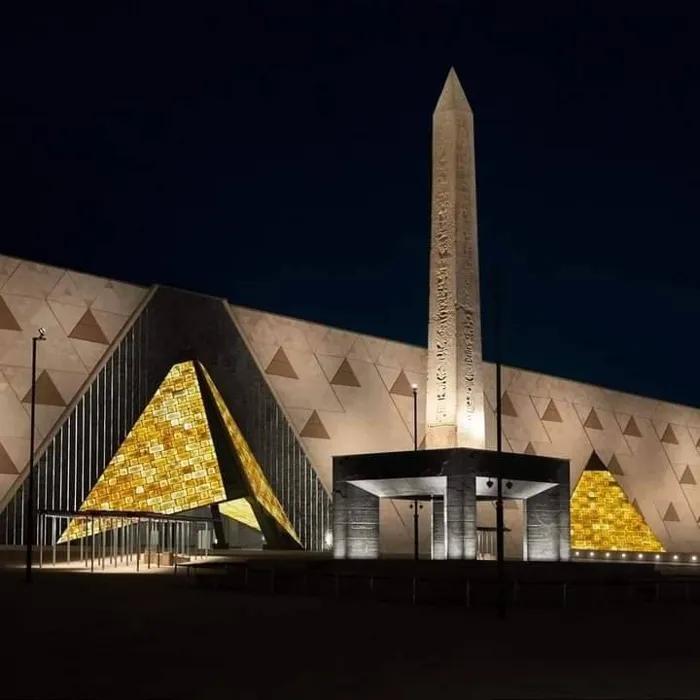
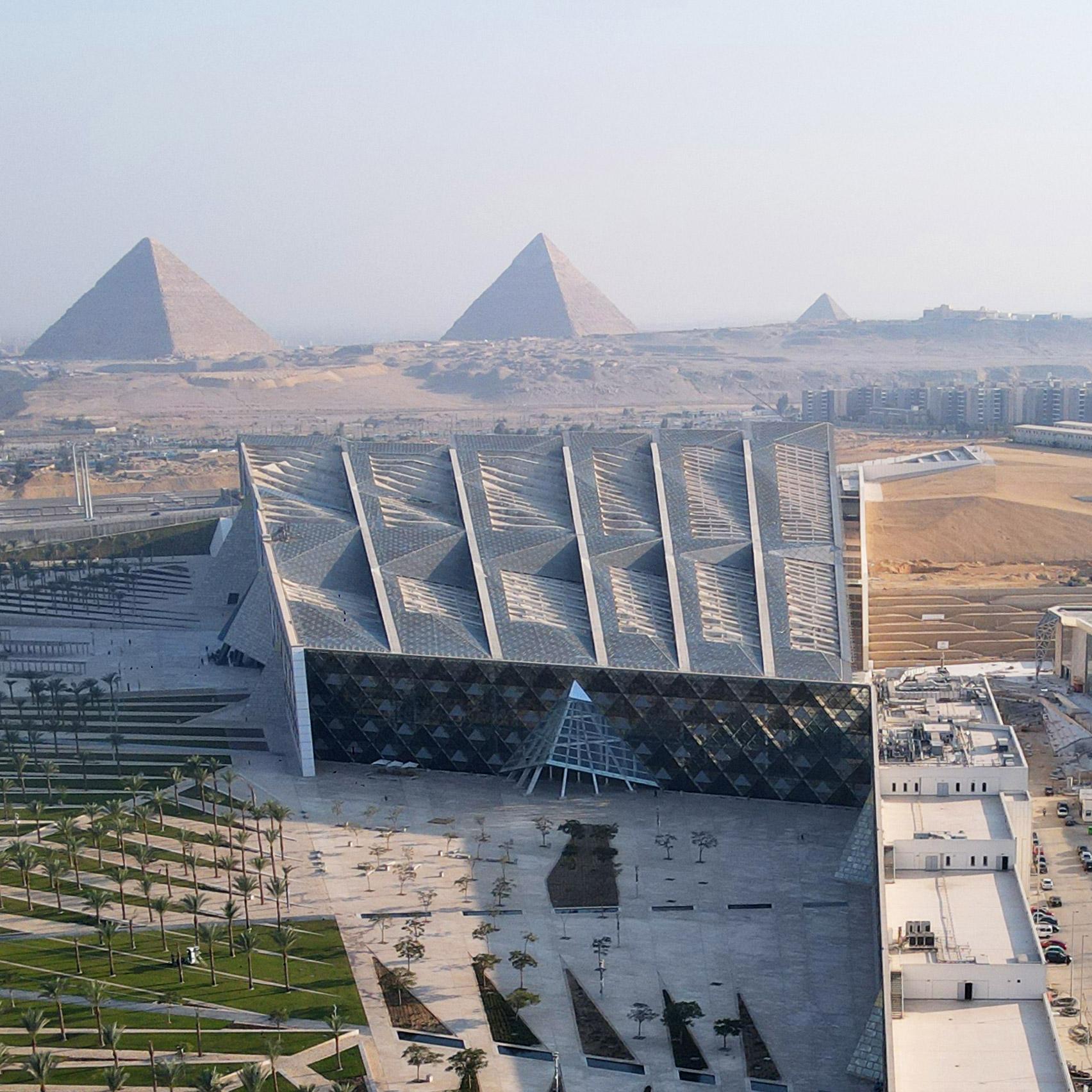
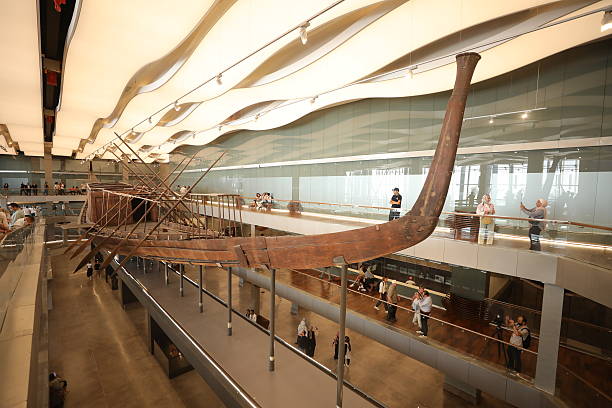
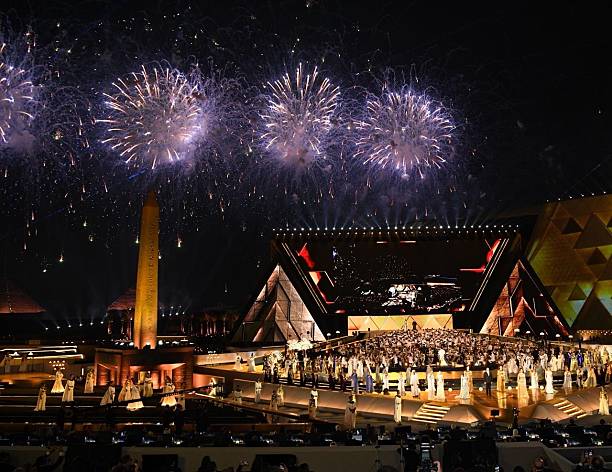
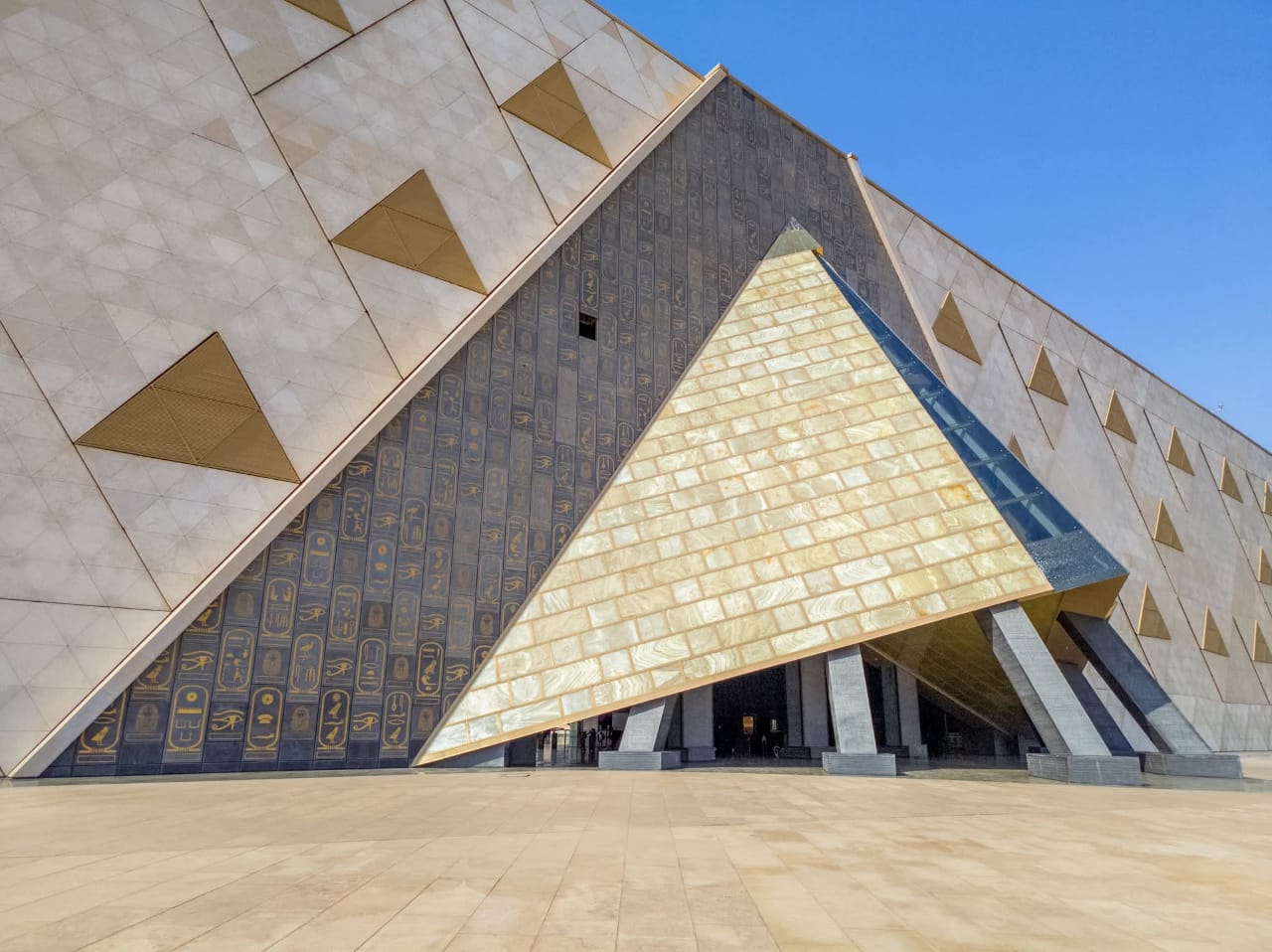
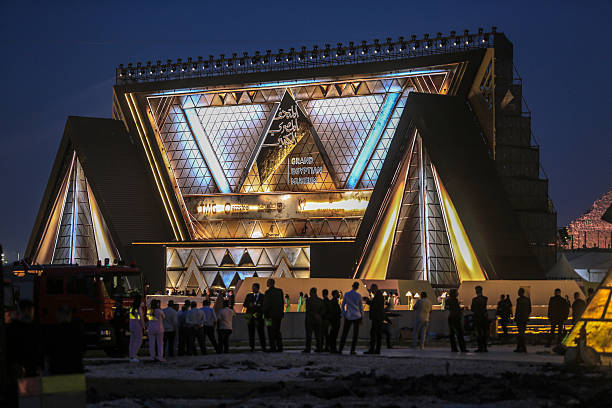
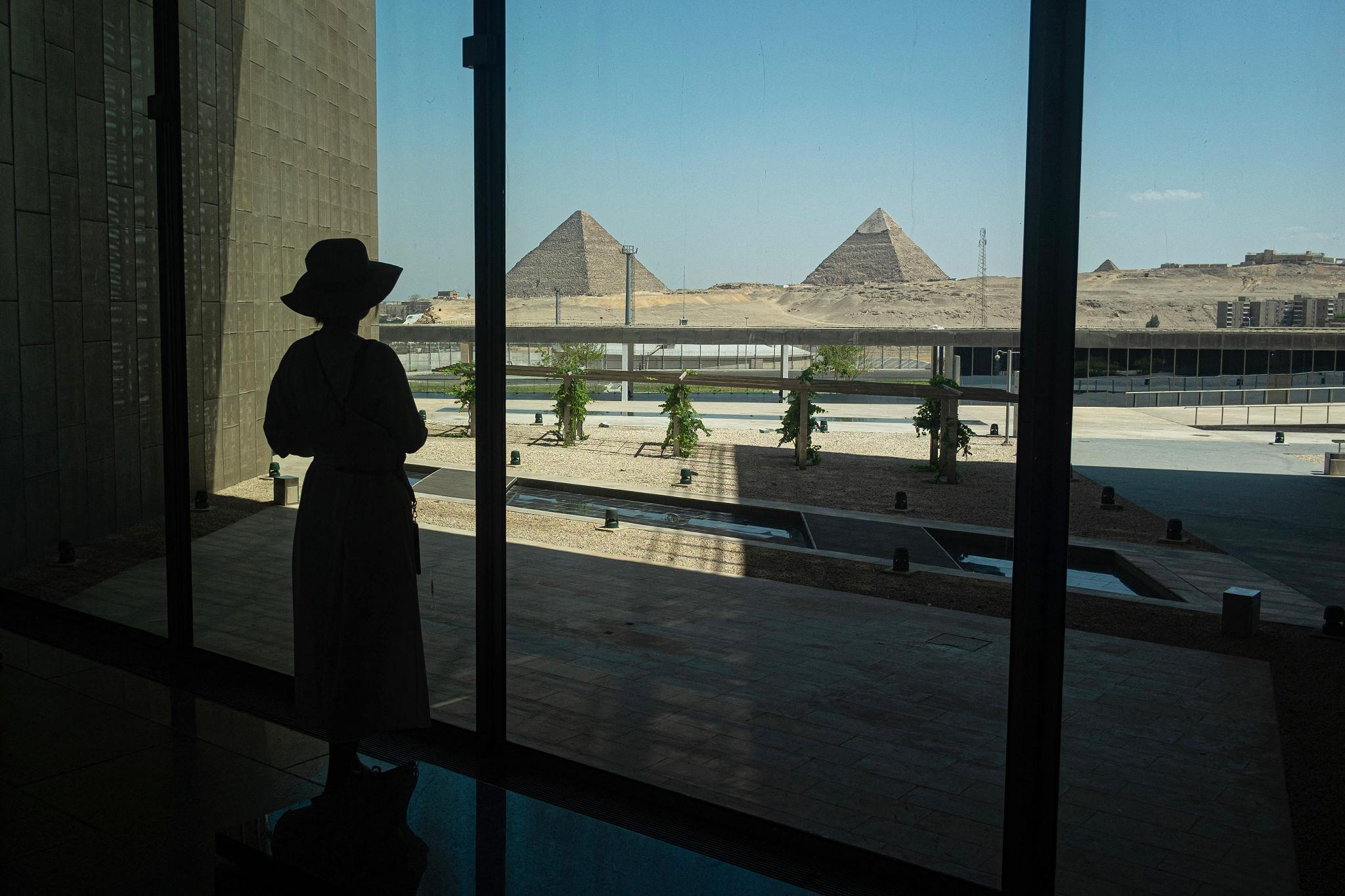
The Grand Egyptian Museum (GEM), located near the Giza Pyramids, is the largest archaeological museum in the world. After decades of construction, this monumental project houses over 100,000 artifacts, including the complete collection of Tutankhamun's 5,000+ treasures displayed together for the first time. The building itself is an architectural marvel — a translucent stone facade stretching 800 meters along the Giza plateau edge, with views of the pyramids from inside the galleries.

Why Visit

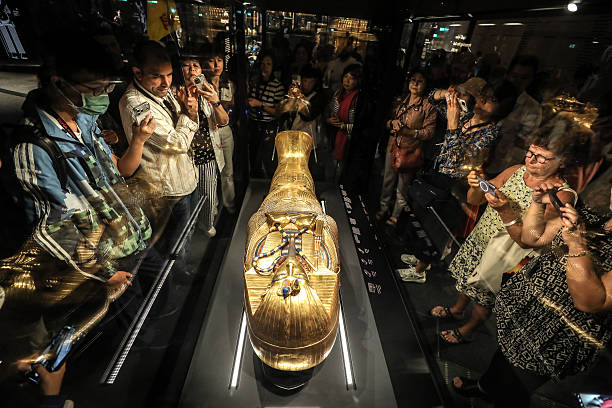
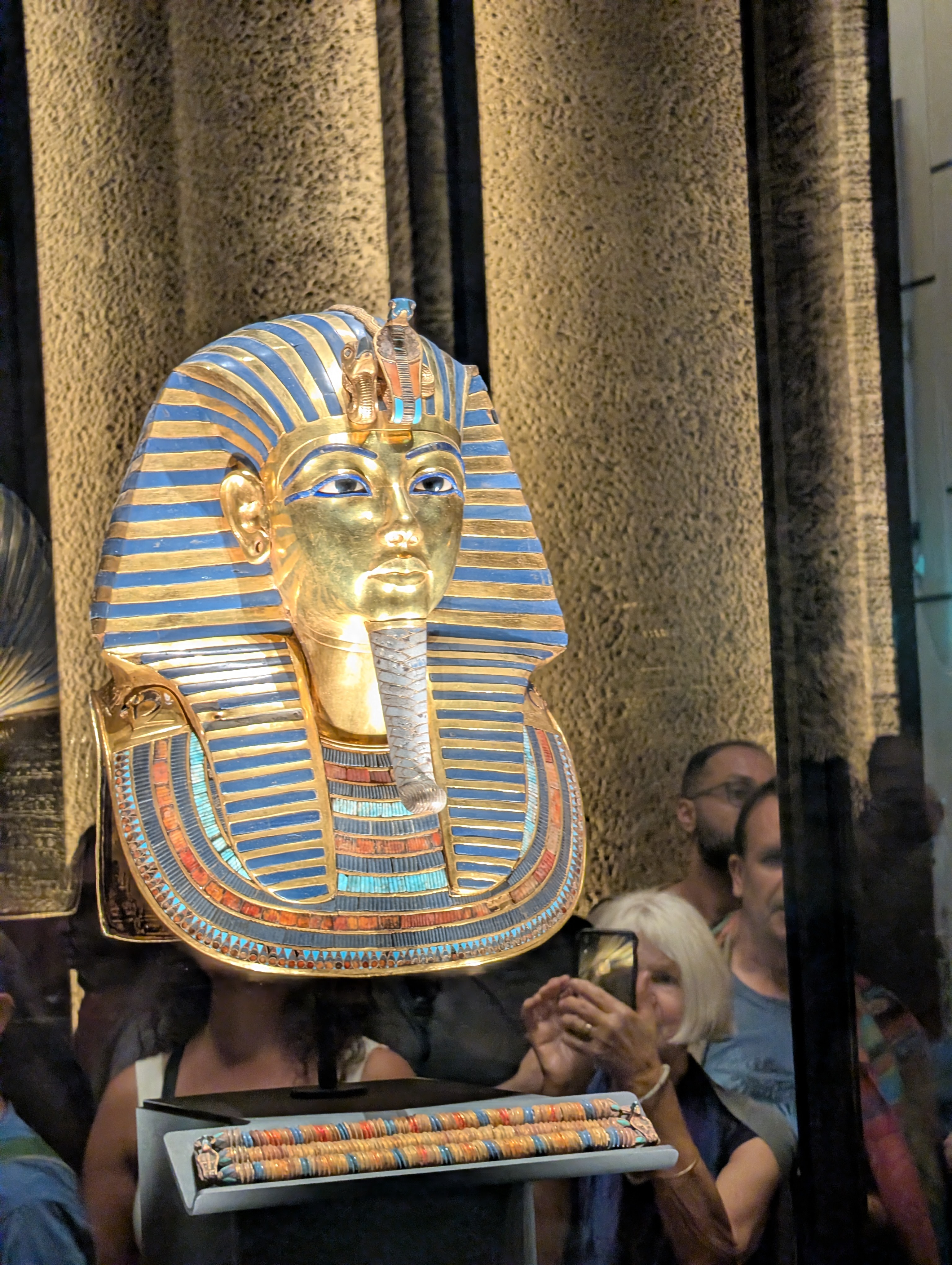
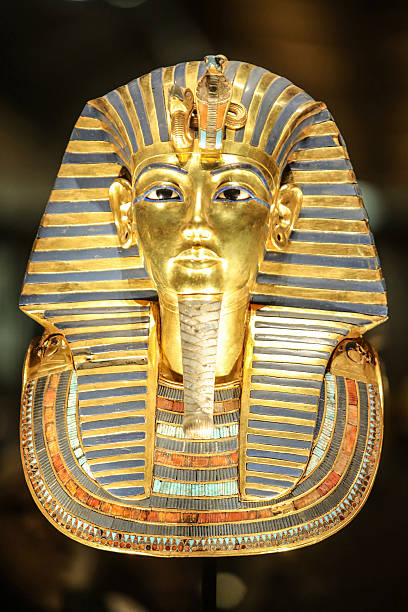
Tutankhamun's golden death mask and complete treasure — all in one place for the first time
Over 100,000 artifacts in the world's largest archaeological museum
Pyramid views from inside the museum — the ultimate Egypt experience

What to See

Tutankhamun Galleries
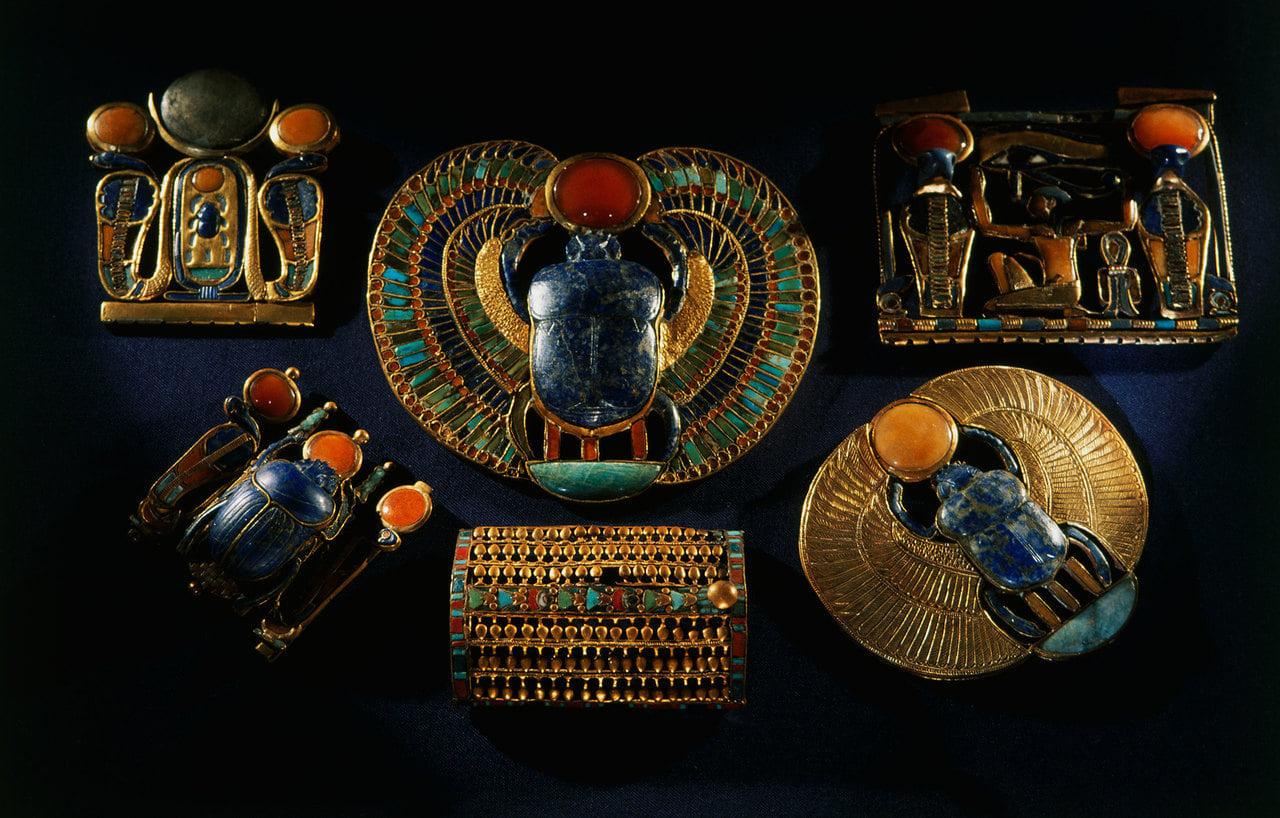
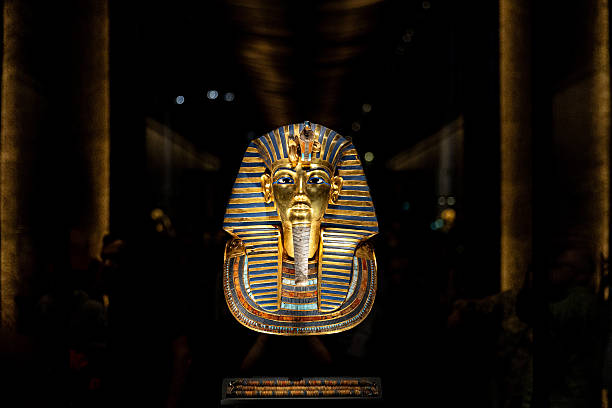
The museum's crown jewel: over 5,000 objects from the boy-king's tomb displayed together for the first time in purpose-built galleries organized thematically — royal regalia, ritual objects, furniture, clothing, food provisions, and the famous golden treasures. The centerpiece is the iconic solid-gold death mask weighing 11 kg, crafted from two sheets of hammered gold inlaid with lapis lazuli, quartz, and obsidian, its serene expression unchanged for over 3,300 years. The three nested golden coffins, six dismantled chariots, and the golden shrine that enclosed the sarcophagus are displayed with space and lighting that the cramped old Egyptian Museum could never provide. Walking through these galleries is a journey through the most complete royal burial ever discovered, offering an intimate glimpse into what a pharaoh believed he needed for eternity.
Grand Staircase
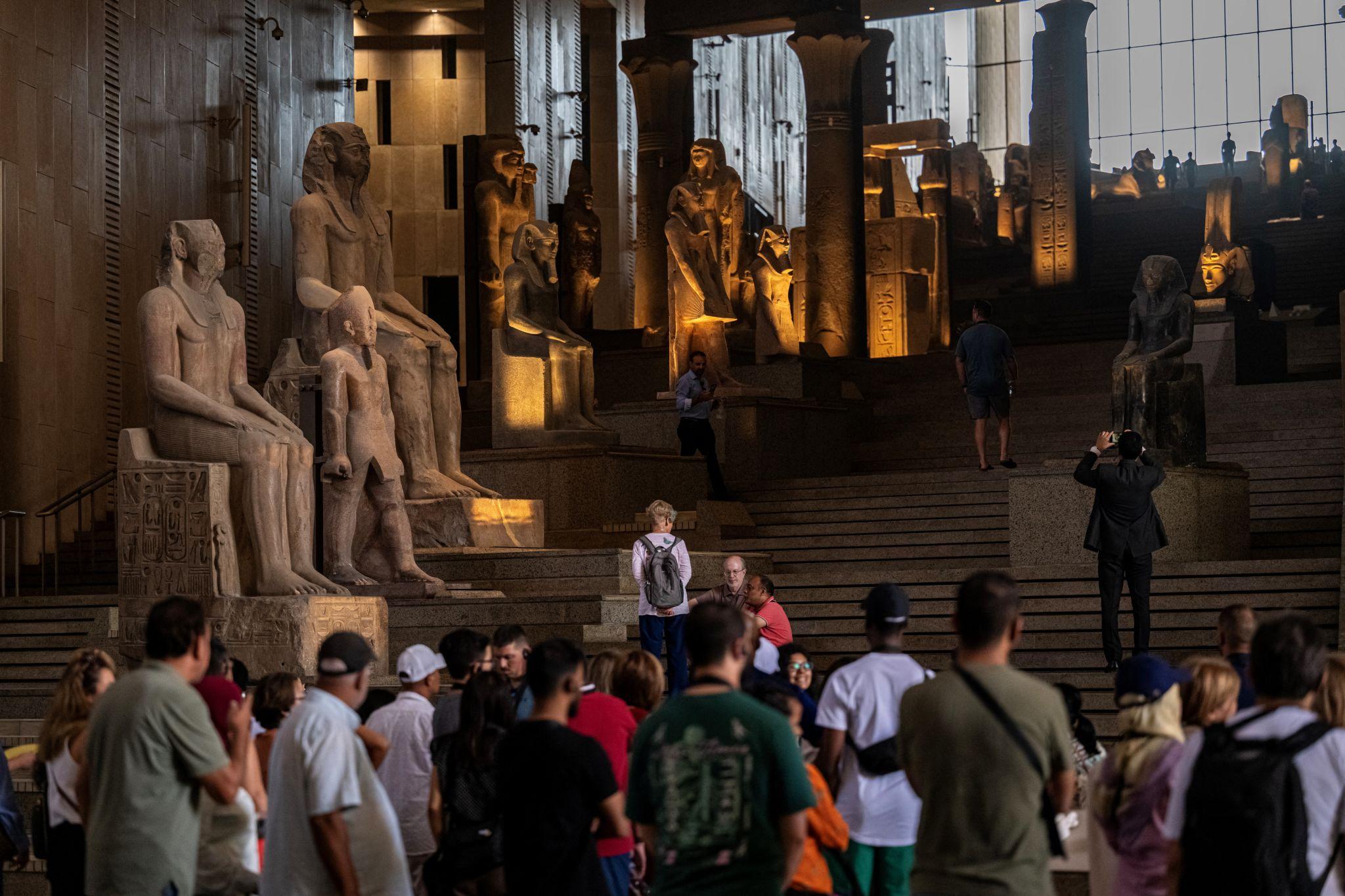
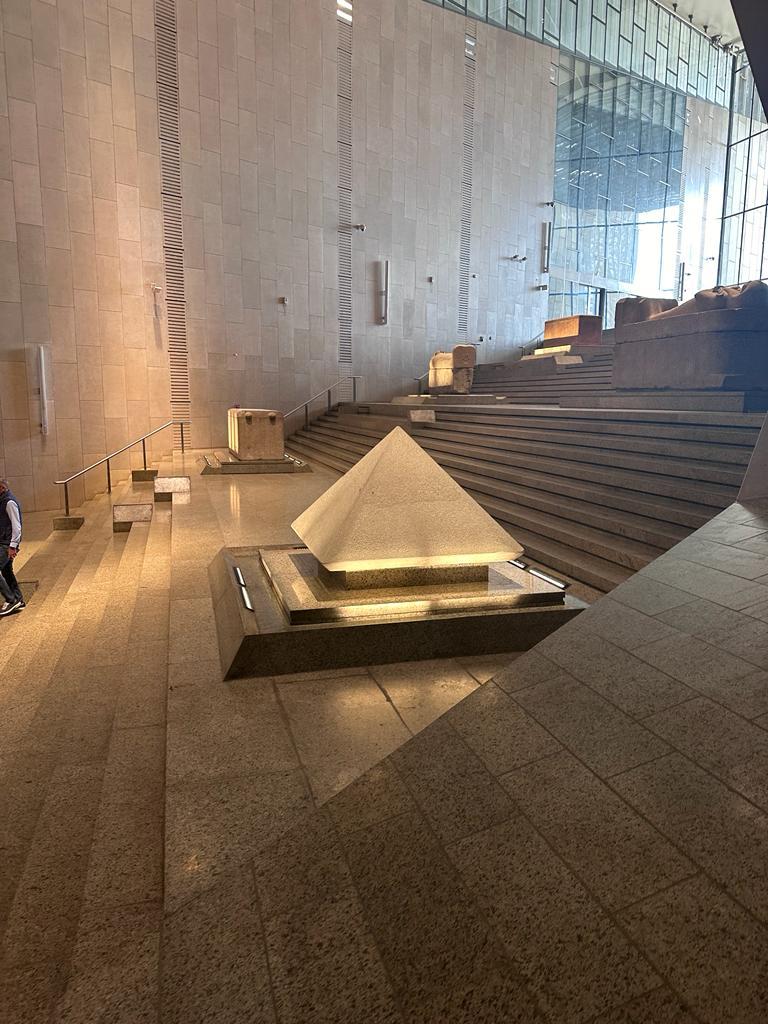
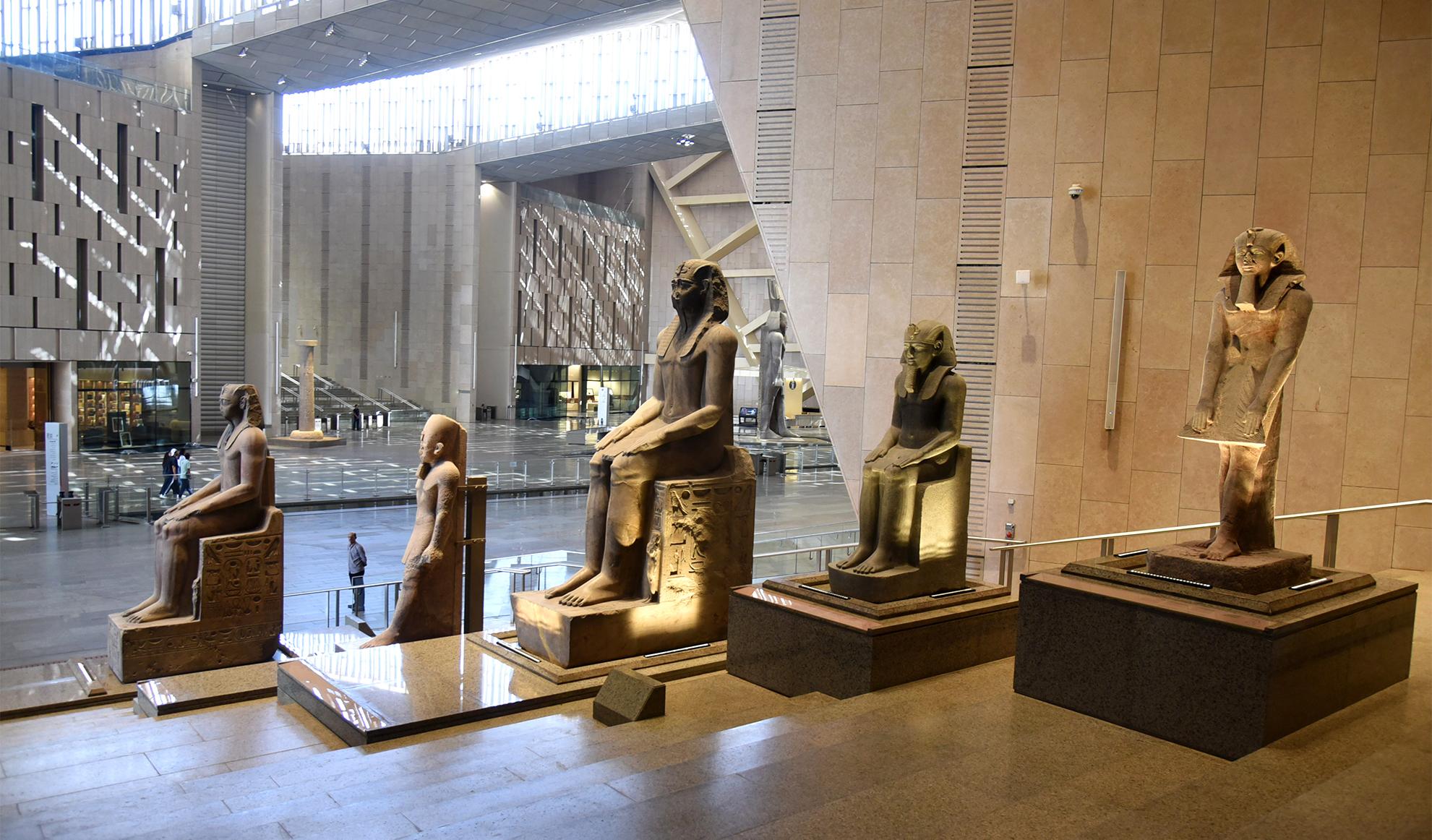
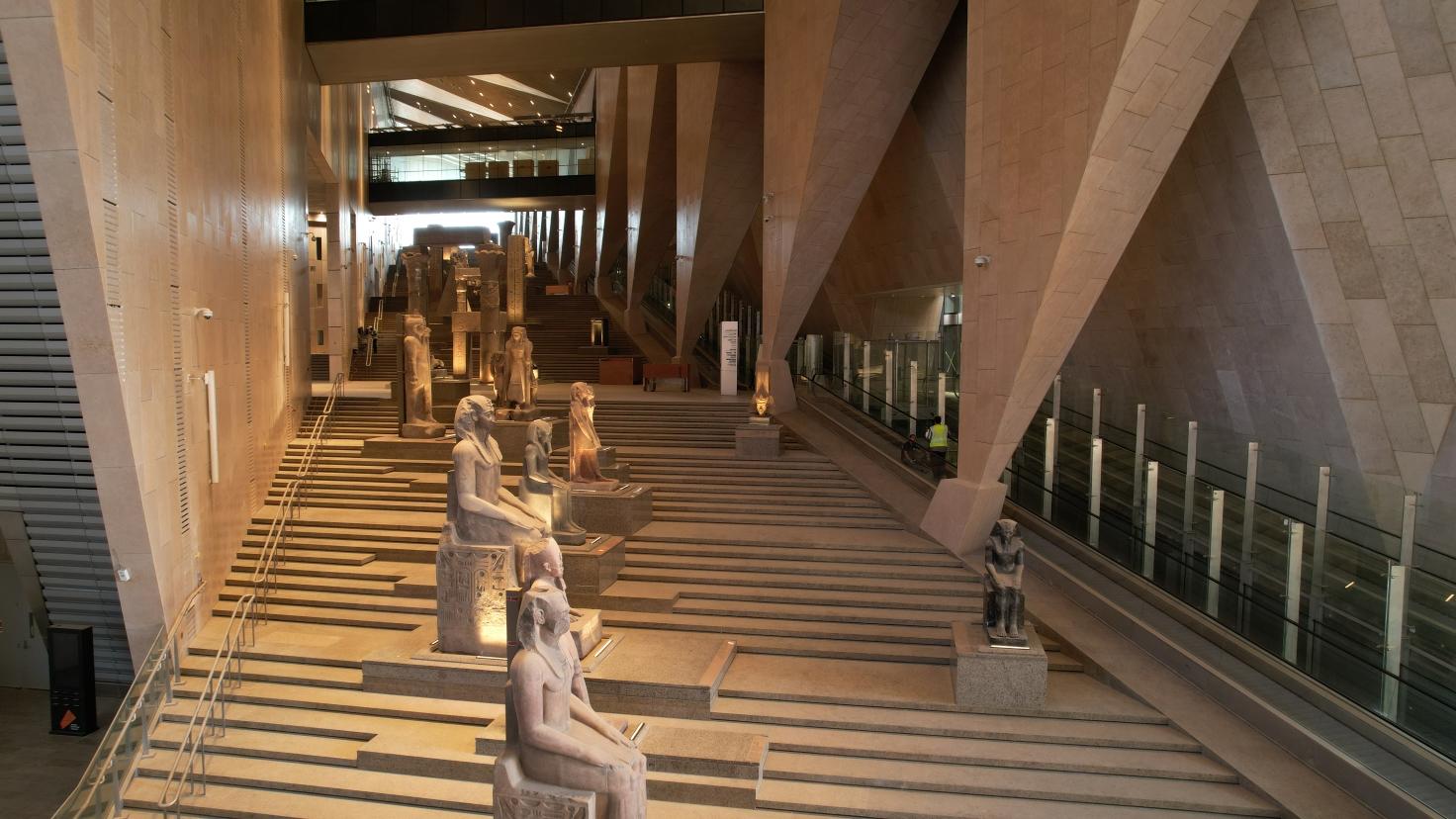
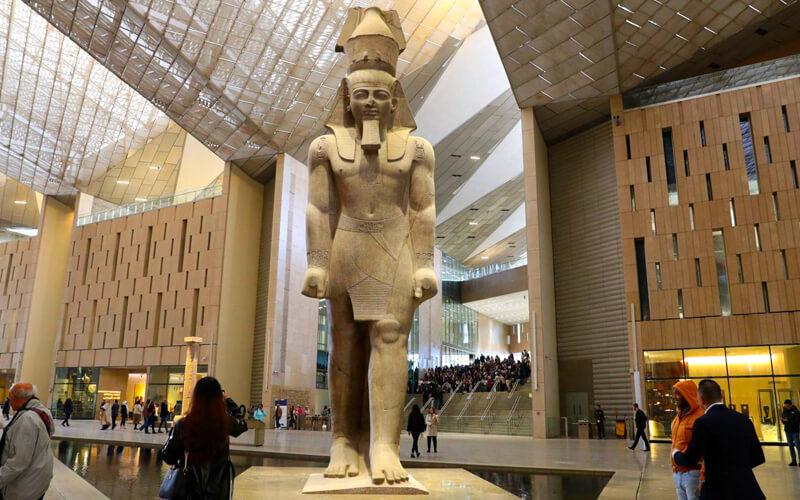
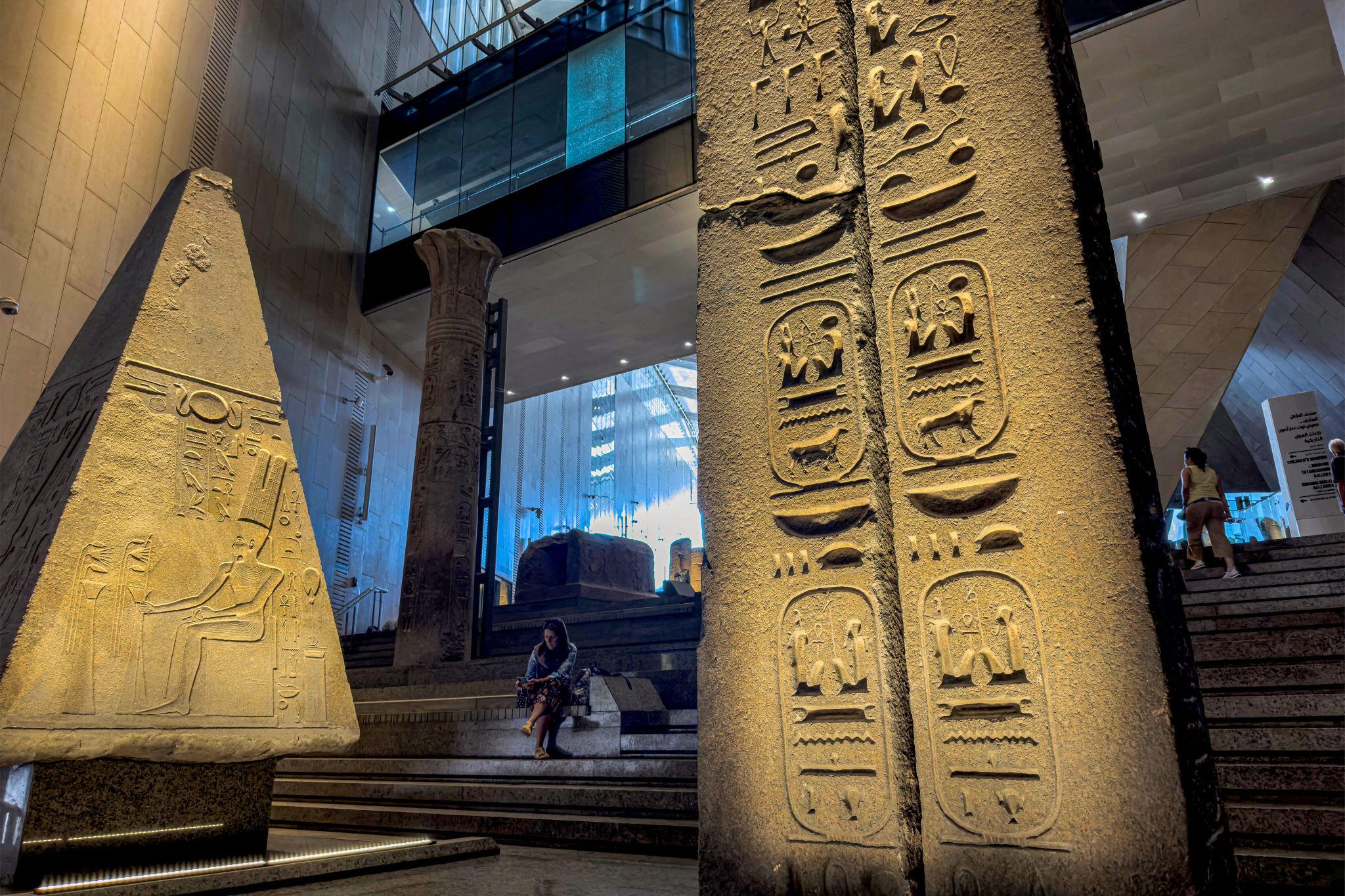
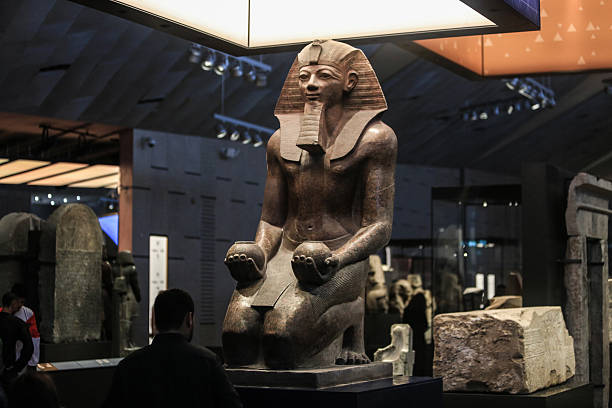
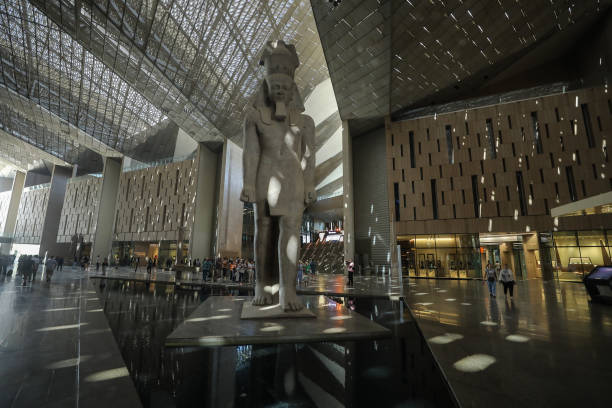
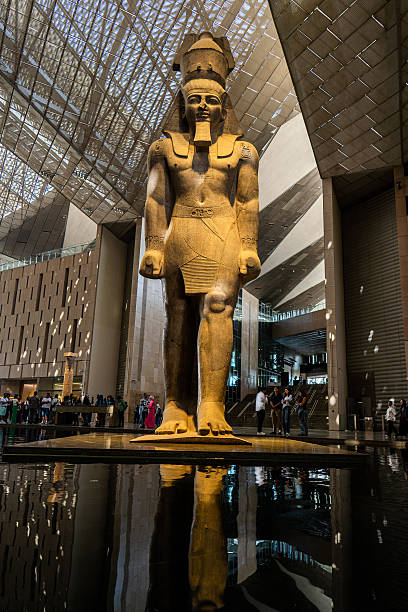
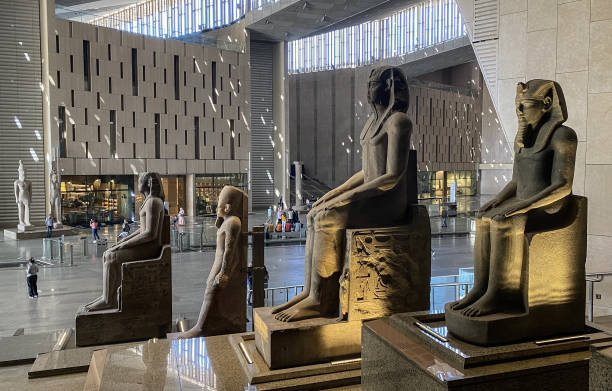
A breathtaking atrium dominated by the 11-meter, 83-ton colossal red granite statue of Ramesses II, originally discovered at the ancient capital Memphis and transported here in a specially engineered operation. Dozens of monumental statues from across Egypt are arranged along the sweeping staircase, creating a dramatic procession through scale and power. The glass facade behind the statues frames the Giza pyramids in the distance, creating a visual dialogue between ancient monuments and the modern museum that is one of the most photographed views in Egypt. The sheer scale of the space — designed to make visitors feel the grandeur of pharaonic civilization — sets the tone for the entire museum experience.
Chronological Galleries
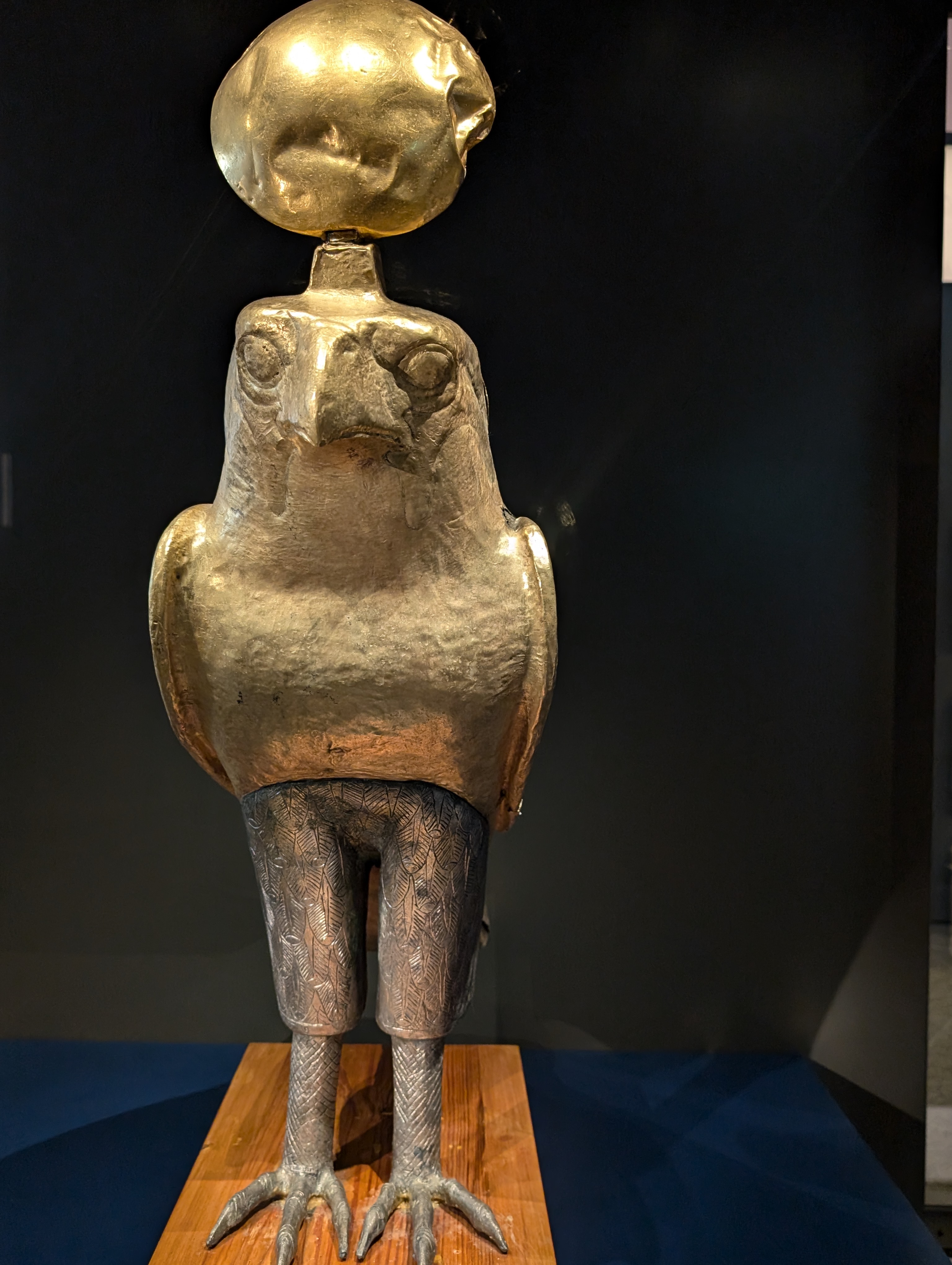
The main galleries take visitors on a comprehensive journey through Egyptian civilization from prehistoric stone tools to the sophisticated art of the Greco-Roman period, arranged chronologically across multiple floors. State-of-the-art displays use multimedia installations, interactive touchscreens, and carefully controlled lighting to bring each era to life in ways that traditional museums cannot match. The collection includes masterpieces previously stored in basement reserves and never displayed publicly, meaning even repeat visitors to Egypt will encounter objects they have never seen before. Each gallery contextualizes artifacts within their historical period, making the museum accessible to newcomers while offering depth that rewards Egyptology enthusiasts.
Royal Mummies Hall
A dedicated hall housing the mummified remains of Egypt's greatest pharaohs in climate-controlled cases within a darkened, reverential setting designed to honor the dead while satisfying modern curiosity. Here you can come face to face with Ramesses II — the most powerful pharaoh who ever lived — as well as Seti I, Hatshepsut, Thutmose III, and other rulers whose names echo through history. Detailed scientific information accompanies each mummy, including CT scan results that reveal causes of death, diseases, dental problems, and even the pharaohs' ages and physical appearances. The experience of looking into the actual preserved face of a ruler who commanded an empire 3,000 years ago is profoundly moving and unlike anything else in the museum world.
Children's Museum & Gardens
An interactive museum specifically designed for younger visitors, featuring hands-on exhibits that let children experience ancient Egyptian life through replica artifacts, costume stations, and building challenges inspired by pyramid construction. The surrounding landscaped gardens offer a peaceful retreat with native Egyptian plants, outdoor sculptures, and carefully designed viewpoints offering spectacular panoramas of the Giza pyramid complex. The gardens connect the museum experience to the living landscape, reminding visitors that the pyramids are not isolated museum pieces but part of an ongoing story. Families can easily spend a full day combining the children's museum, gardens, and main galleries.

Historical Details

A Museum Decades in the Making
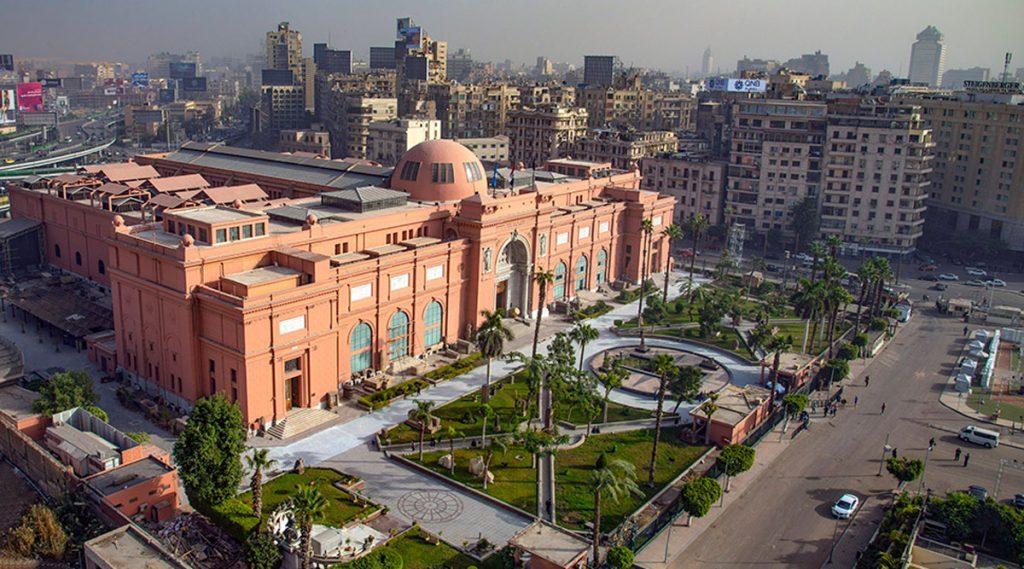
The GEM was first proposed in 2002 following an international architectural competition won by the Dublin-based firm Heneghan Peng Architects, with construction beginning in earnest in 2012 on a 50-hectare site overlooking the Giza plateau. The project cost over $1 billion and involved the painstaking relocation of tens of thousands of artifacts from the old Egyptian Museum in Tahrir Square, the Luxor Museum, and collections across Egypt — each object individually cataloged, conserved, and transported. The building itself is an engineering marvel, with a translucent stone facade stretching 800 meters along the plateau edge, filtering desert light into the galleries. It is the most ambitious museum project in the modern Middle East and a statement of Egypt's commitment to preserving and presenting its heritage for future generations.
Tutankhamun Reunited
For the first time since Howard Carter's discovery in November 1922, Tutankhamun's complete collection of over 5,000 objects is displayed together in dedicated galleries that do justice to the scale of the find. In the old Egyptian Museum, space constraints meant only a fraction of the treasure could be shown — hundreds of objects languished in basement storage rooms, unseen by the public for decades. The GEM dedicates entire themed galleries to the boy-king's possessions, from his golden throne and ceremonial weapons to his childhood toys, linen undergarments, and food provisions for the afterlife. The result is the most comprehensive presentation of a single ancient burial ever mounted, revealing Tutankhamun not just as a golden icon but as a real person who lived, played, and died young.

Visitor Tips

  • Allow at least half a day — the museum is enormous and the Tutankhamun galleries alone take 2+ hours
  • Located right next to the Giza pyramids — combine both in a full day
  • Book tickets online in advance to skip the queue
  • The museum cafe and restaurant have views of the pyramids
  • Audio guides and guided tours are highly recommended given the scale of the collection

Related Monuments
Opening Hours

9 AM7 PM

Entry Fee

500 EGP (general), additional tickets for Tutankhamun galleries

Period

Museum opened 2024; artifacts from prehistory to Greco-Roman era

Location

29.9946, 31.1171

Related Tours