Alexandria's treasure house of Hellenistic and Roman antiquities — 40,000 artifacts from Egypt's classical age.
9 AM – 5 PM400 EGP (foreign visitor)31.2005, 29.9114
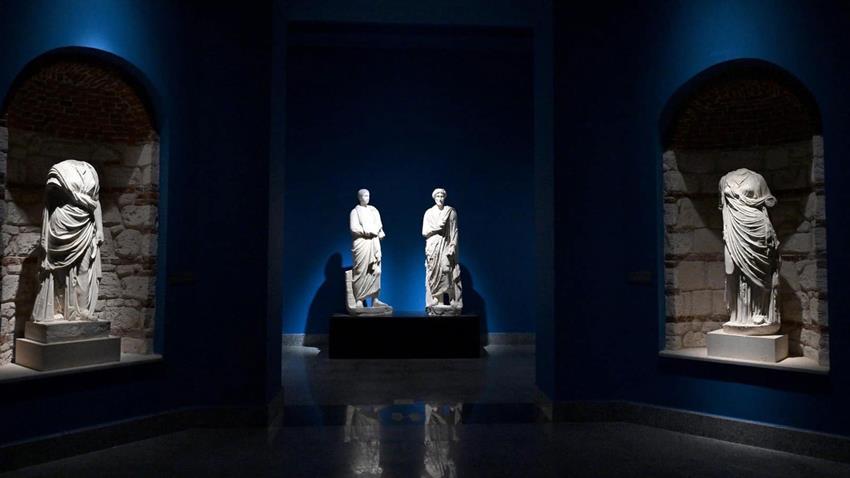
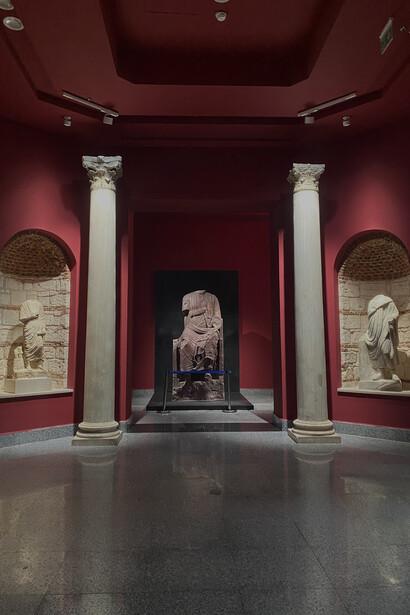
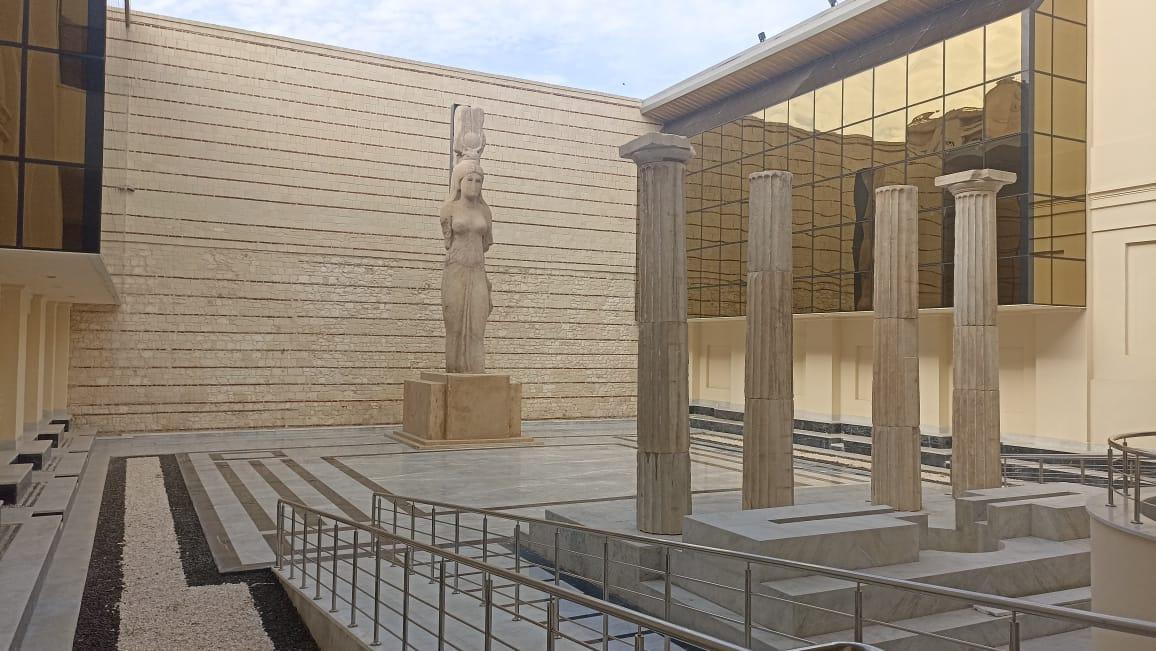
The Greco-Roman Museum in Alexandria houses one of the world's most important collections of Greco-Roman antiquities found in Egypt. Founded in 1892, the museum contains over 40,000 artifacts spanning from the 3rd century BC to the 7th century AD, documenting Alexandria's golden age as the capital of the Hellenistic world. After years of renovation, the museum has been restored and modernized while retaining its historic charm.
Gallery
Why Visit
The definitive collection of Greco-Roman Egypt — where Greek, Roman, and Egyptian cultures merged
Over 40,000 artifacts from Alexandria's golden age as the ancient world's greatest city
Mummies, coins, statues, and jewelry from the era of Cleopatra and the Ptolemies
What to See
Serapis & Isis Collection
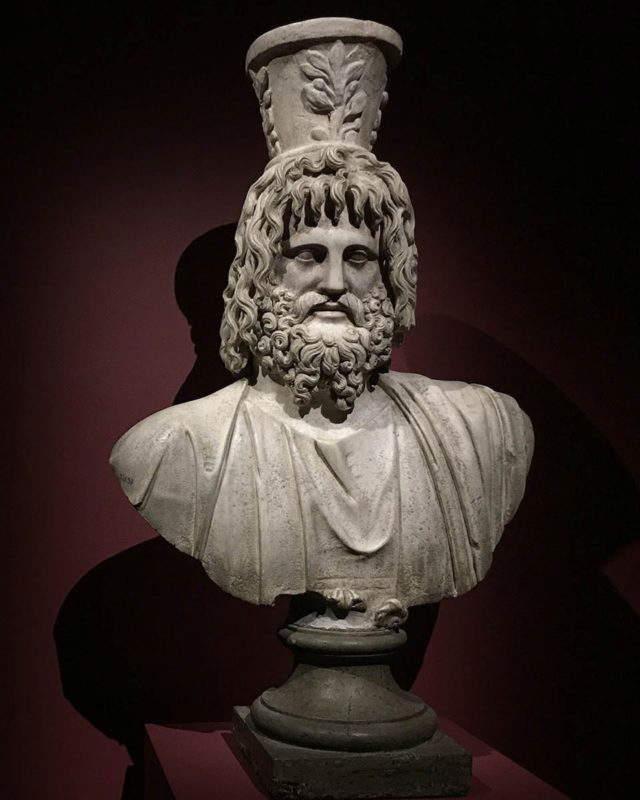
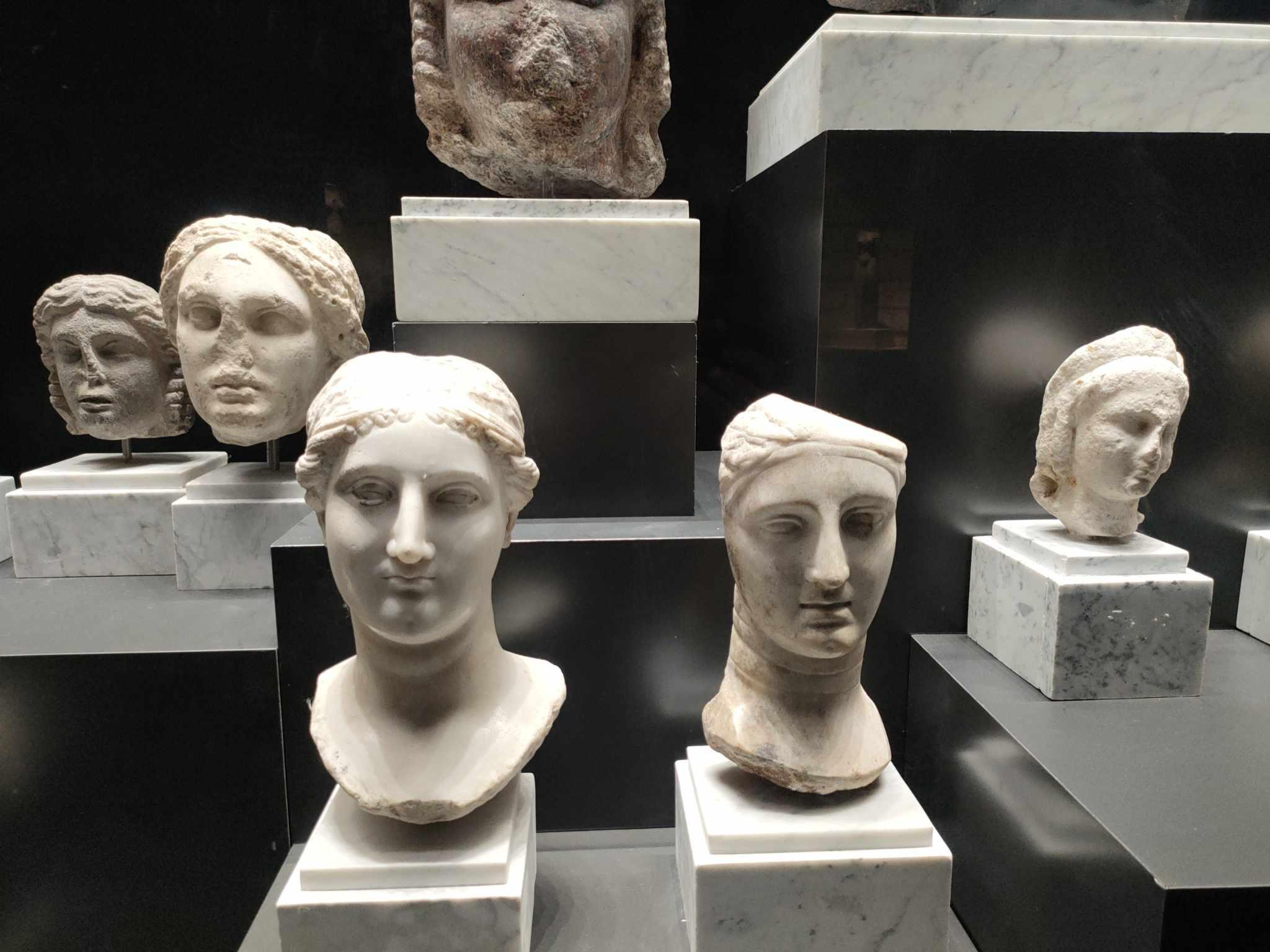
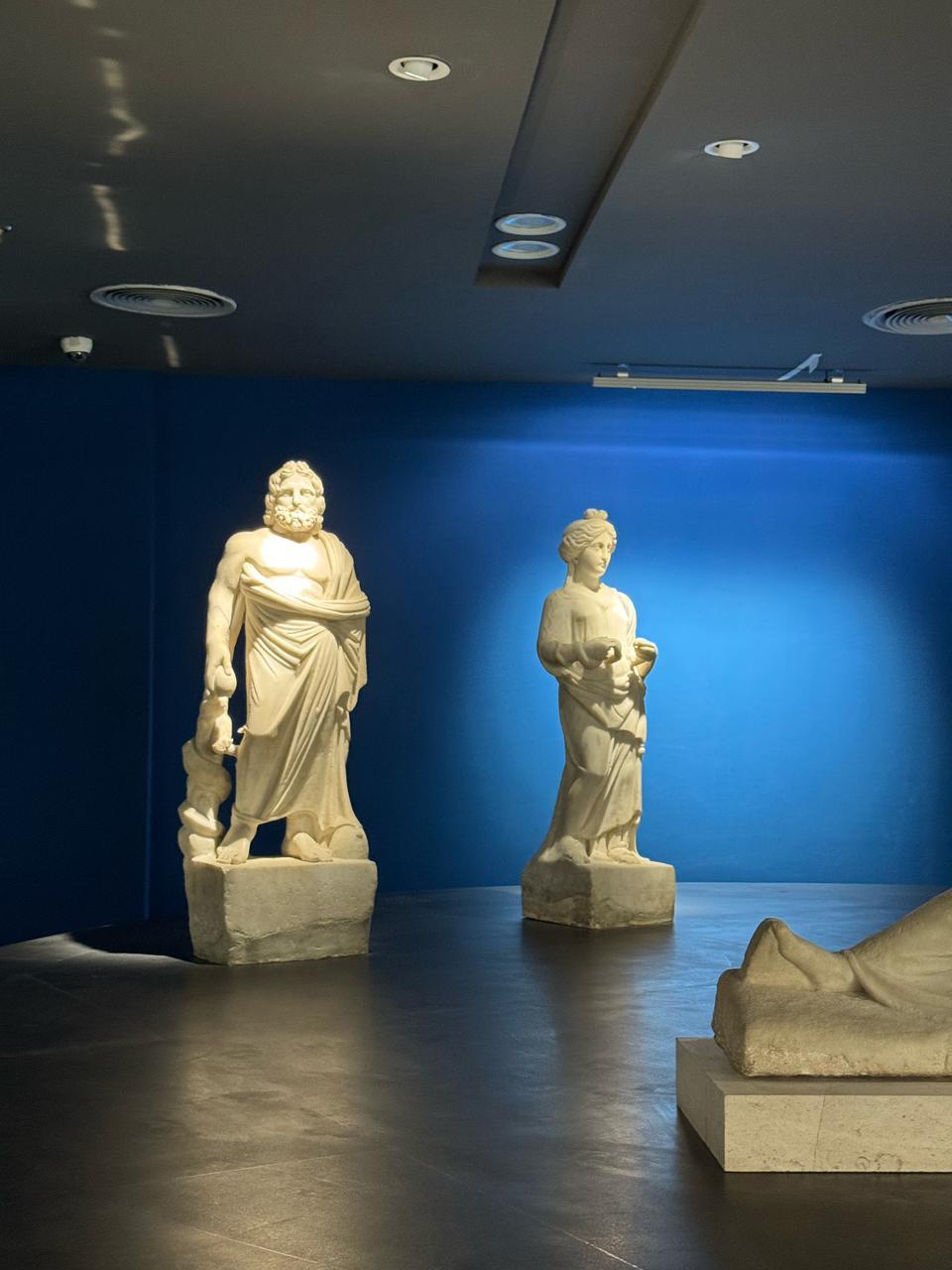
An outstanding collection of statues, reliefs, and ritual objects depicting the Greco-Egyptian gods, with particular focus on Serapis — a deity deliberately invented by the Ptolemies to bridge the gap between their Greek subjects and the native Egyptian population. Serapis combined aspects of the Egyptian gods Osiris and Apis with the Greek gods Zeus and Hades, and his bearded, curly-haired appearance was designed to appeal to Greek aesthetic sensibilities while carrying Egyptian theological content. The collection includes beautifully carved marble and limestone Serapis heads, Isis statues in both Egyptian and Hellenistic styles, and ritual objects used in the mystery cults that centered on these syncretic deities. These artifacts document one of the most successful experiments in religious engineering in human history — the creation of a god designed by committee to unite a multicultural empire.
Tanagra Figurines
A charming collection of small terracotta figurines from the Hellenistic period (3rd–1st century BC), showing scenes from everyday life, fashionable women in elaborate draped clothing, theater characters, musicians, and children at play in ancient Alexandria. Named after the Greek city of Tanagra where similar figurines were first discovered, Alexandria's versions reflect the city's distinctive cosmopolitan character — the fashions, hairstyles, and poses blend Greek, Egyptian, and Near Eastern influences. Many figurines retain traces of their original bright paint, revealing that these small sculptures were once as colorful as they were detailed. The collection offers an intimate, human-scale counterpoint to the monumental statuary elsewhere in the museum, providing glimpses of the ordinary people — not just kings and gods — who lived in one of the ancient world's greatest cities.
Fayum Mummy Portraits
Among the museum's most emotionally powerful objects, the Fayum mummy portraits are hauntingly lifelike painted panels that were placed over the faces of mummies during the Roman period (1st–3rd century AD), representing some of the earliest realistic portraiture in Western art. Painted in encaustic (hot wax) or tempera on thin wooden boards, the portraits capture individual faces with a naturalism that would not be seen again in European art until the Renaissance — wide dark eyes, curly hair, gold jewelry, and expressions that seem to meet the viewer's gaze across two millennia. The subjects were wealthy Greco-Egyptian residents of the Fayum oasis region, and their portraits reflect the multicultural identity of Roman Egypt: Greek painting techniques depicting people with Egyptian funerary customs and Roman-era hairstyles. Standing before these portraits is one of the most uncanny experiences in any Egyptian museum — these are not idealized gods or stylized kings but real, recognizable human faces preserved in paint and wood for 2,000 years.
Coin Collection
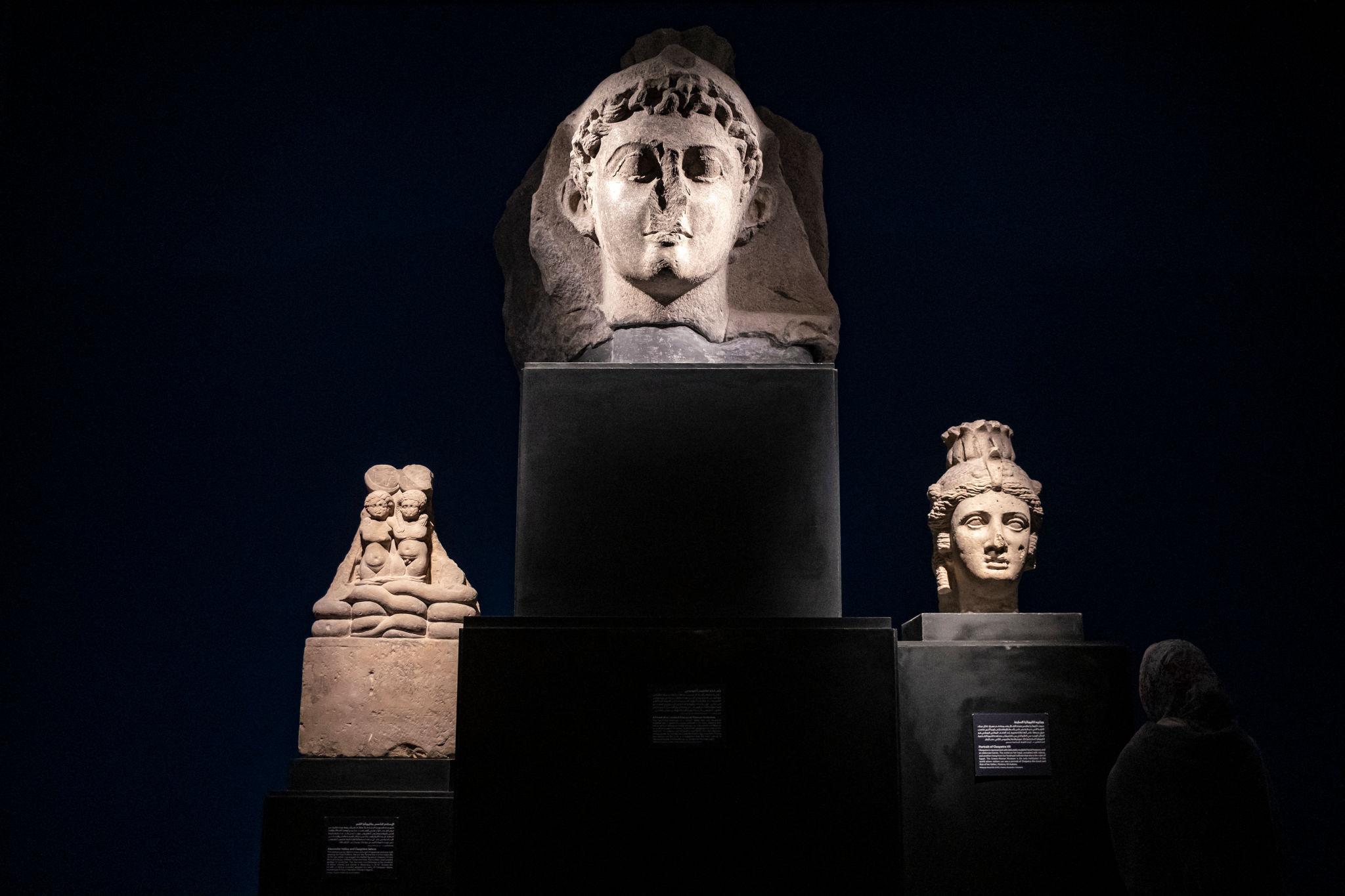
An extensive numismatic collection spanning over 600 years of Alexandrian history, from the earliest coins of Ptolemy I through the late Roman period, providing a portable, metallic chronicle of the rulers and economies that shaped the city's destiny. The collection includes coins bearing the unmistakable profile of Cleopatra VII — often surprising visitors who expect Hollywood glamour and instead find a strong-featured woman with a prominent nose, reflecting a queen valued for her intelligence and charisma rather than conventional beauty. Roman imperial coins from the Alexandria mint show how the city's iconography evolved under each emperor, with Egyptian motifs like crocodiles, sphinxes, and the Pharos Lighthouse appearing alongside Roman imperial portraits. For history enthusiasts, the coin collection offers a uniquely tangible connection to the past — you are looking at objects that passed through the hands of Alexandrian merchants, soldiers, and citizens during the city's golden age.
Historical Details
Foundation
The museum was founded in 1892 by Khedive Abbas Helmy II to house the rapidly growing number of Greco-Roman artifacts being discovered during Alexandria's 19th-century building boom, when foundation excavations for new buildings regularly uncovered ancient remains. It was the first museum in the world dedicated specifically to the Greco-Roman period in Egypt, filling a niche that neither the Egyptian Museum in Cairo (focused on pharaonic antiquities) nor European classical museums could address. The original collection was assembled by Giuseppe Botti, the museum's first director, who gathered artifacts from excavations, private collections, and chance discoveries across the Delta region. After years of renovation, the museum has been modernized while retaining its historic 19th-century charm, with improved lighting, conservation facilities, and interpretive displays that place Alexandria's antiquities in their proper historical context.
Alexandria's Golden Age
Under the Ptolemies (305–30 BC), Alexandria was the largest, wealthiest, and most intellectually vibrant city in the world — a Mediterranean metropolis of perhaps 500,000 inhabitants where Greek philosophy, Egyptian religion, Jewish scholarship, and eventually Roman administration coexisted and cross-pollinated in ways that shaped the course of Western civilization. The city was home to the Great Library and the Mouseion (the world's first research university), and its scholars included Euclid (geometry), Eratosthenes (who calculated the Earth's circumference), and Claudius Ptolemy (whose astronomical model endured for 1,400 years). The museum's collection reflects this extraordinary cosmopolitan culture in every object — from syncretic gods that blend Greek and Egyptian identities to everyday objects that show how multiple cultures shared meals, markets, and religious festivals. Alexandria's golden age produced a cultural synthesis that the museum captures more completely than any other institution in the world.
Visitor Tips
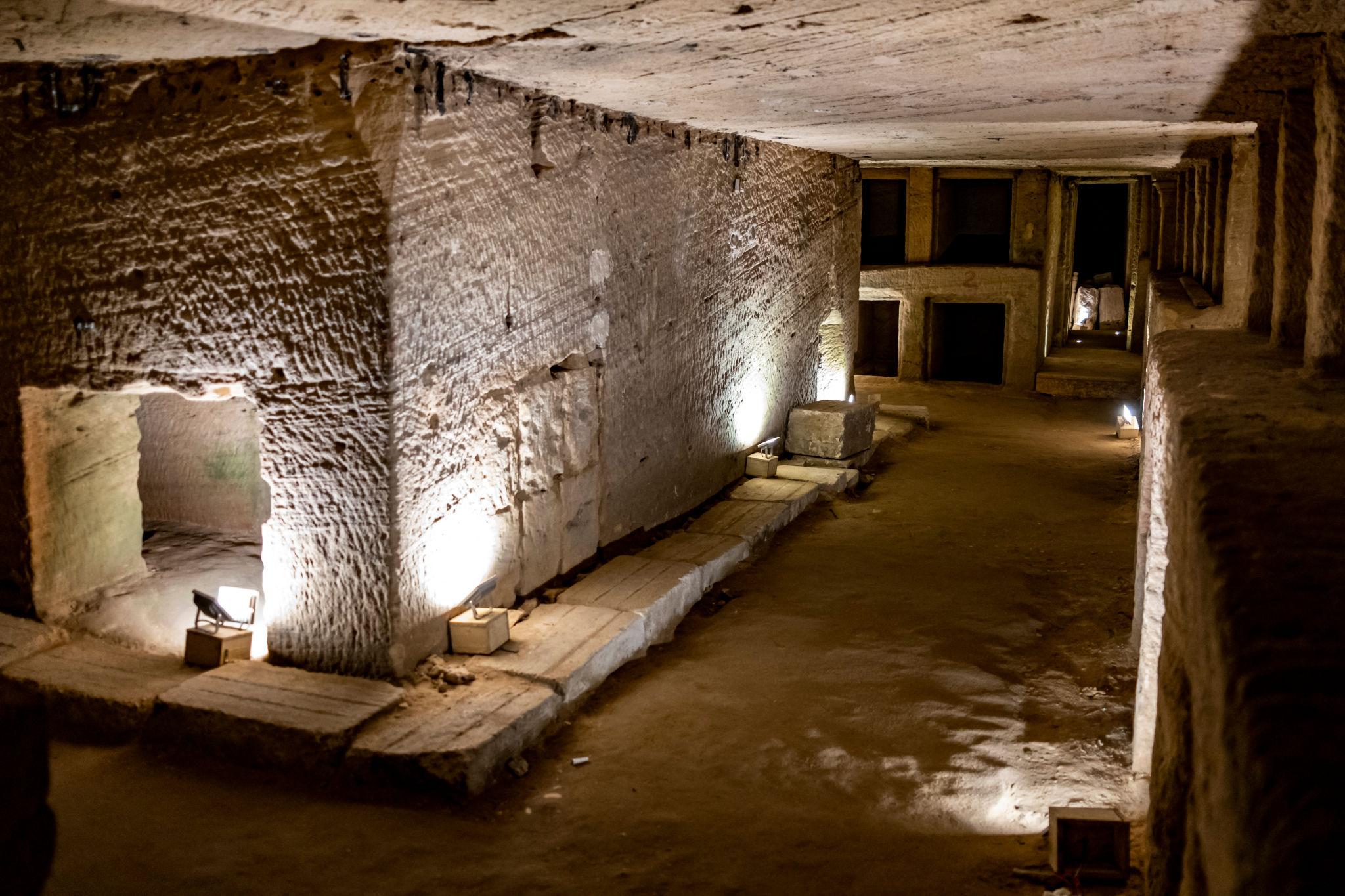
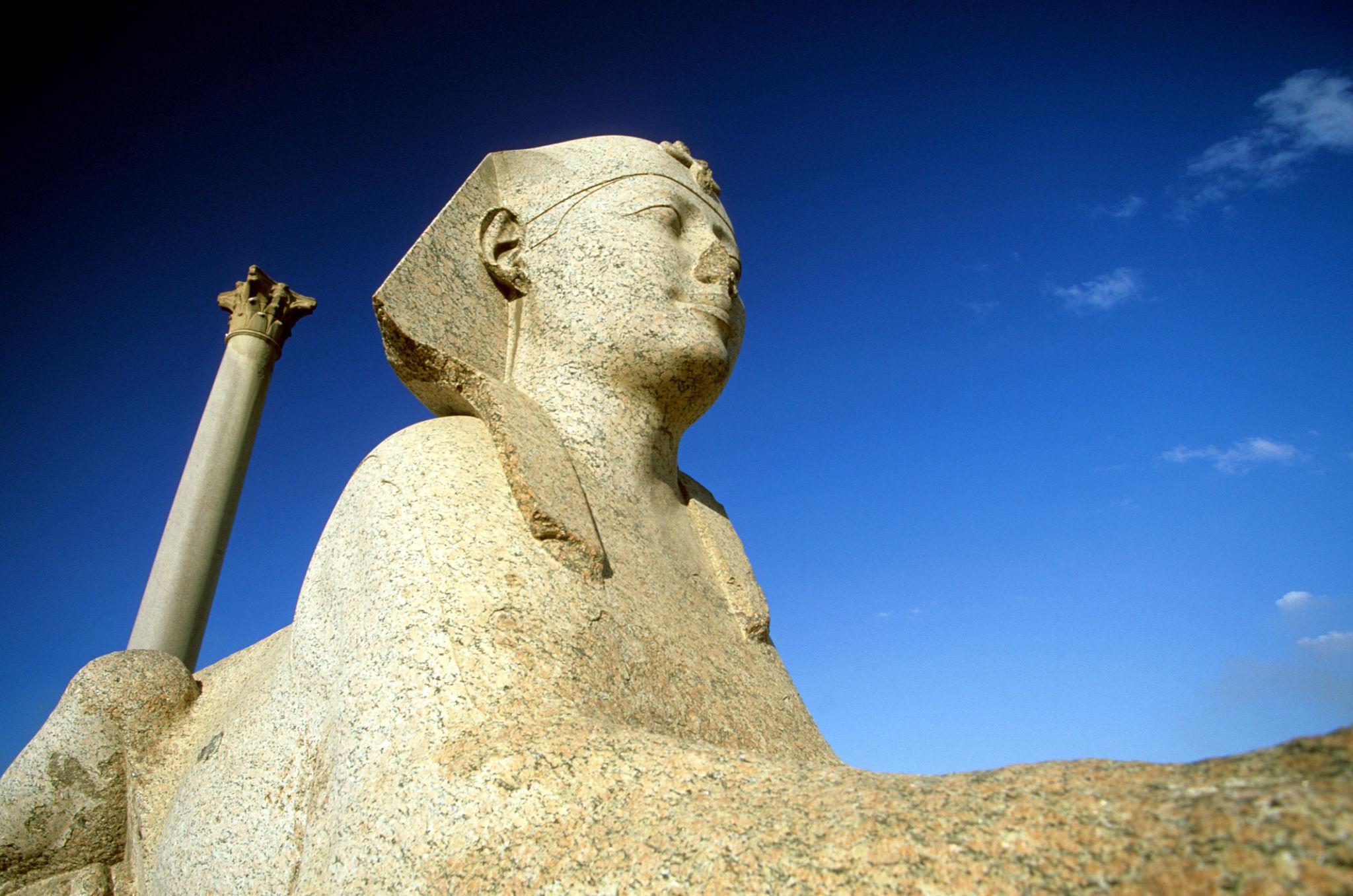
Combine with the Catacombs of Kom el-Shoqafa and Pompey's Pillar for a full Greco-Roman Alexandria day
The museum is centrally located — easy to visit between other Alexandria sights
Allow about 1.5–2 hours for the collection
Check opening status before visiting as the museum has undergone renovation periods