Bibliotheca Alexandrina

A stunning modern tribute to the ancient Library of Alexandria — one of the great wonders of the ancient intellectual world.

10 AM7 PM70 EGP31.2089, 29.9092

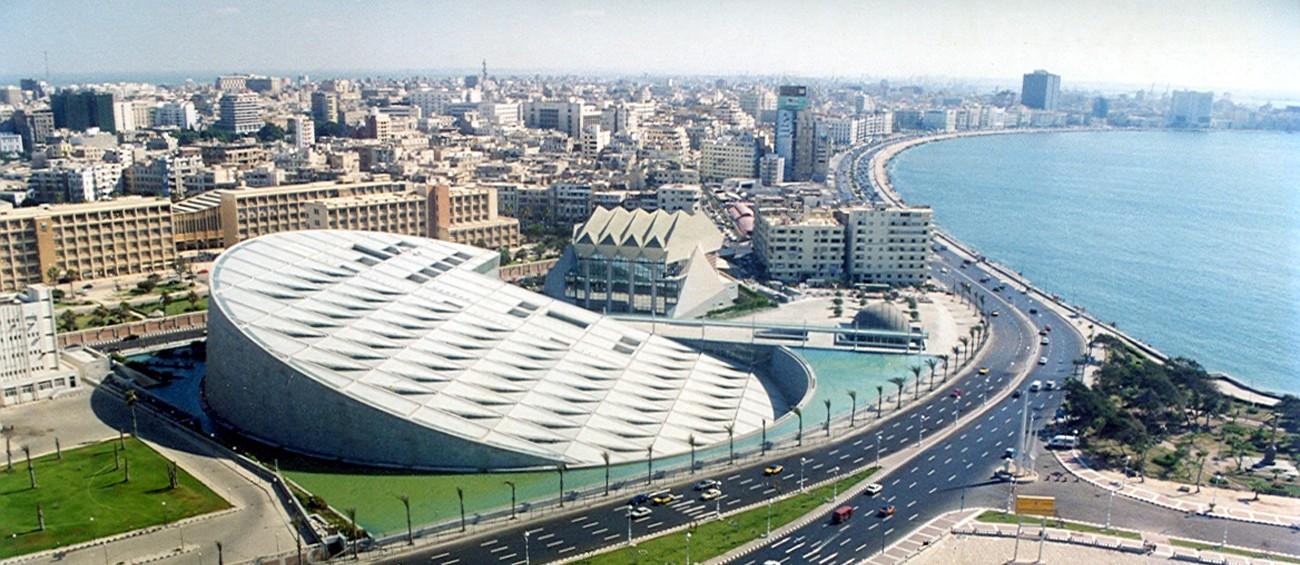
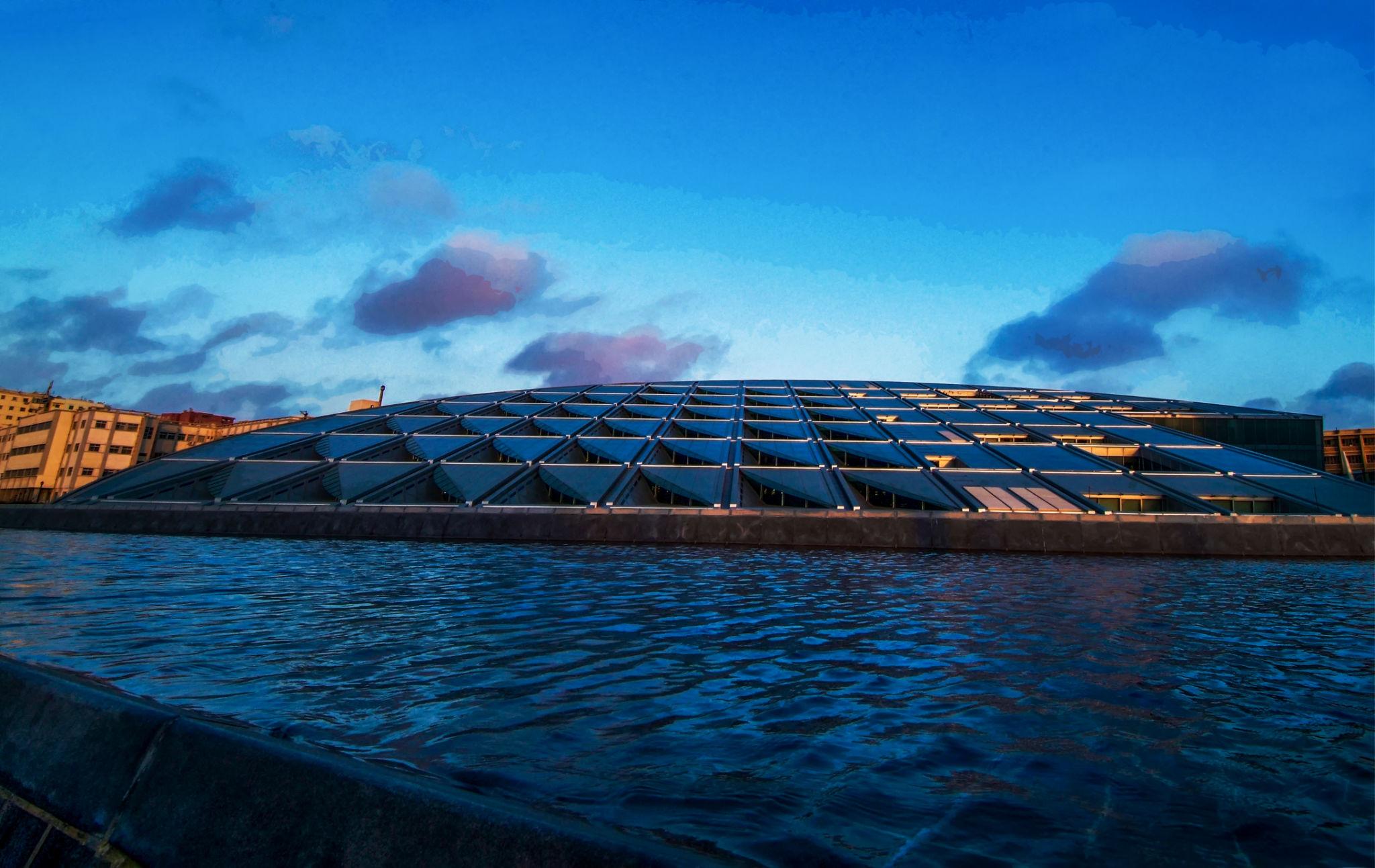
The Bibliotheca Alexandrina is a major library and cultural center on the Mediterranean coast of Alexandria, inaugurated in 2002. It stands near the site of the original Library of Alexandria, which was the largest and most significant library of the ancient world. The modern building, designed by the Norwegian firm Snøhetta, features a striking tilted disc roof and can hold over 8 million books.

Why Visit

A stunning architectural masterpiece on the Mediterranean shore
A tribute to the greatest library of the ancient world
Multiple museums and galleries under one extraordinary roof

What to See

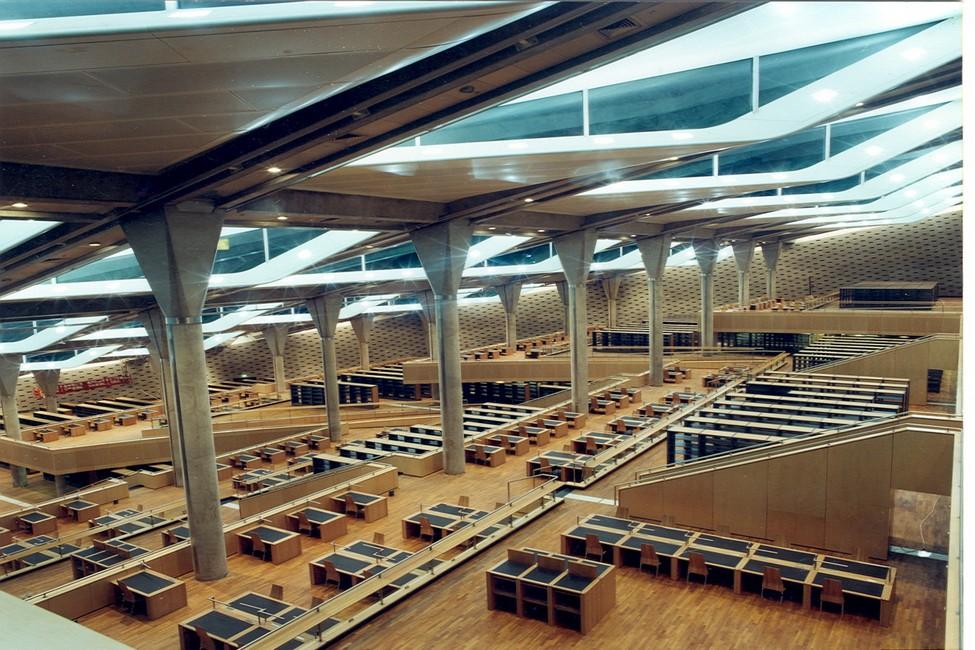
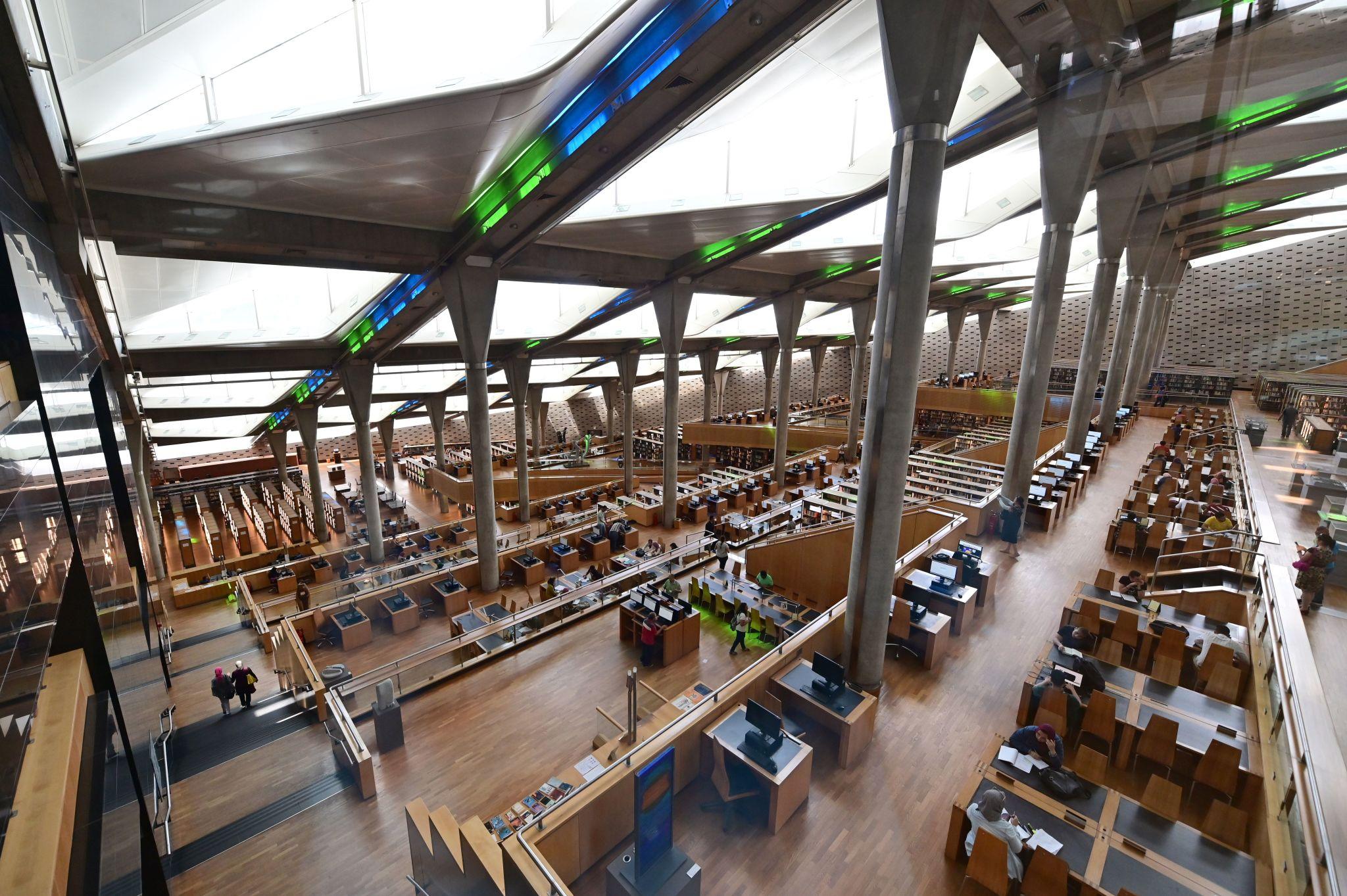
Main Reading Room
A vast cascading reading room spanning 11 terraced levels that descend toward the Mediterranean, bathed in natural light filtered through the building's iconic tilted glass roof. The 70-meter-diameter disc-shaped roof is one of the most striking architectural elements, designed to evoke the image of a sun rising from the sea. The reading room can seat 2,000 readers simultaneously and has shelf space for up to 8 million books, making it one of the largest reading rooms in the world. The sheer scale of the space — combined with the interplay of light, the scent of books, and the reverent hush — creates an almost cathedral-like atmosphere that pays tribute to the ancient library's legacy as a temple of knowledge.
Antiquities Museum
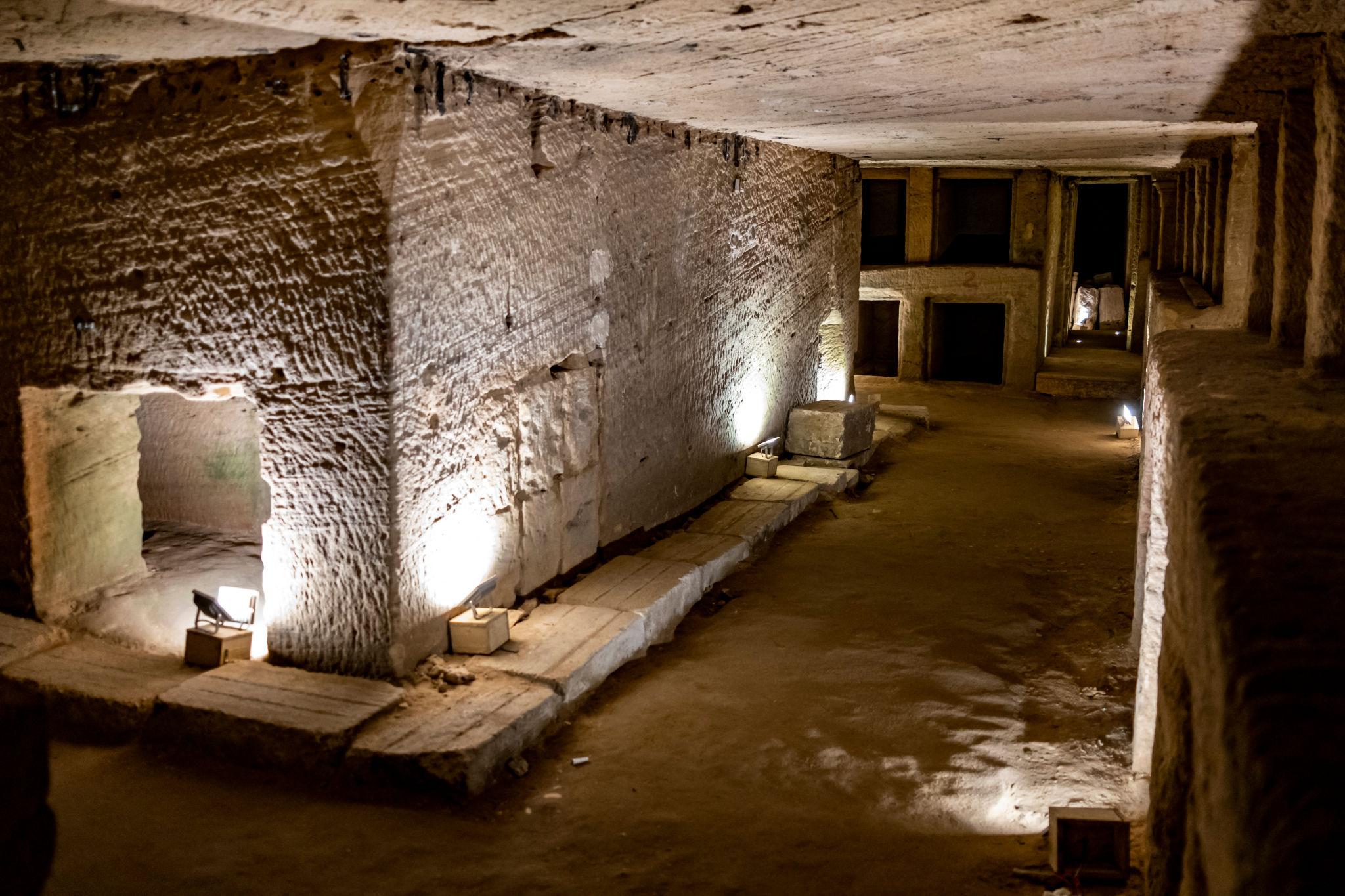
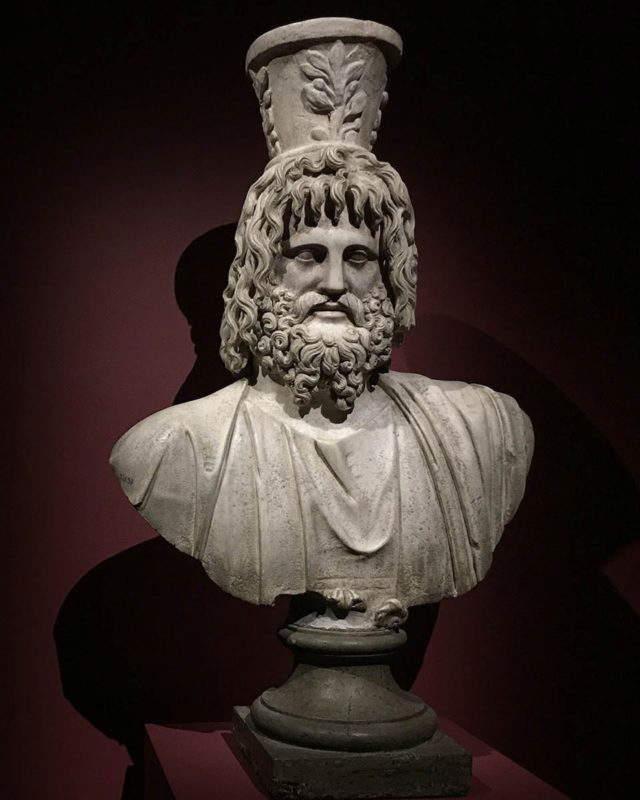
Located in the basement level of the library, this thoughtfully curated museum houses artifacts from the pharaonic, Greek, Roman, and Islamic periods, many of which were discovered during excavation of the Bibliotheca's foundations. Highlights include a beautifully preserved mosaic floor from the Roman era, Ptolemaic-period statuary, and a collection of coins spanning centuries of Alexandrian history. The dimly lit galleries and careful lighting give the space an intimate, almost reverent atmosphere that contrasts with the soaring brightness of the reading room above. Allow at least 45 minutes to explore the collection, which offers a compact yet rewarding overview of Alexandria's layered past.
Manuscript Museum
This specialized museum displays rare manuscripts, maps, and books from the Arab-Islamic world, including exquisitely illuminated Quranic manuscripts, medieval scientific texts, and early printed works. Among its treasures are hand-copied volumes on astronomy, medicine, and mathematics that reflect the Islamic Golden Age's extraordinary contributions to human knowledge. The manuscripts are displayed in climate-controlled cases with informative panels that contextualize each piece within the broader history of scholarship. Visitors with an interest in calligraphy will find the collection particularly captivating, as it showcases the evolution of Arabic script across centuries and regions.
Planetarium
Housed in a striking spherical structure that appears to float beside the main building, the planetarium offers immersive shows about astronomy, space exploration, and the ancient Egyptians' pioneering knowledge of the stars. The state-of-the-art projection system fills the domed ceiling with vivid depictions of the night sky, constellations, and distant galaxies, making it an awe-inspiring experience for visitors of all ages. Several shows draw direct connections between modern astrophysics and the astronomical observations made by ancient Alexandrian scholars such as Eratosthenes and Claudius Ptolemy. Check the daily schedule upon arrival, as shows run at fixed times and seats fill quickly during peak visiting hours.

Historical Details

The Ancient Library
The original Library of Alexandria was founded in the 3rd century BC under the Ptolemaic dynasty, likely by Ptolemy I Soter or his son Ptolemy II Philadelphus, as part of a broader research institution called the Mouseion. At its peak, the library may have contained between 400,000 and 700,000 scrolls, making it the largest repository of knowledge in the ancient world and a magnet for scholars from across the Mediterranean. Its gradual destruction — through fires during Julius Caesar's siege in 48 BC, Christian upheaval in 391 AD, and the eventual Arab conquest — remains one of history's most lamented cultural losses. The library's legacy as a symbol of universal knowledge and intellectual ambition directly inspired the construction of the modern Bibliotheca on the same Alexandrian waterfront.
Modern Revival
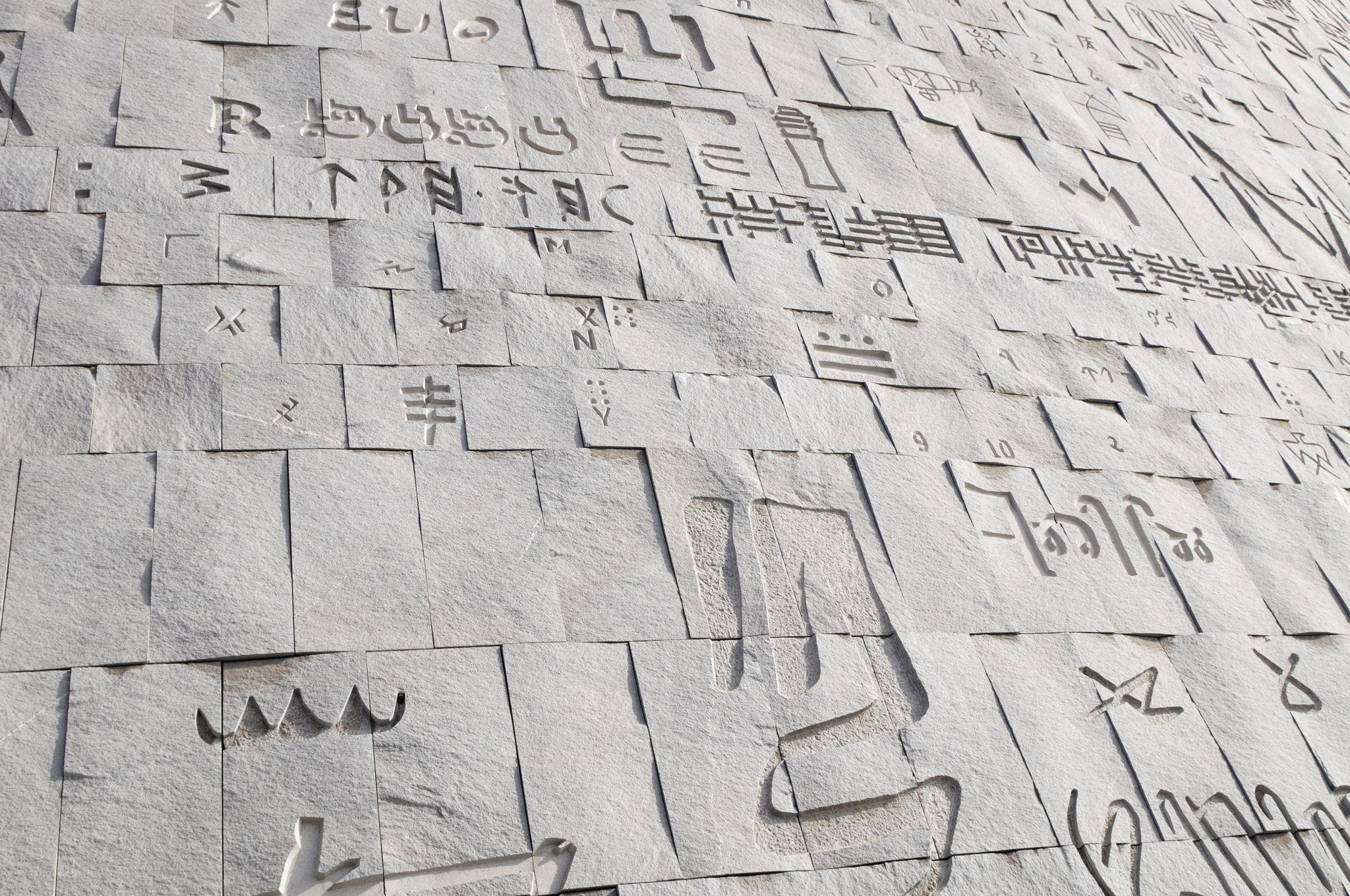
The modern Bibliotheca Alexandrina was an ambitious international project spearheaded by UNESCO and the Egyptian government, with contributions from architects, engineers, and donors from around the world. The winning design came from the Norwegian firm Snohetta, whose circular, tilted-roof concept beat over 500 entries in an international competition. Construction took place between 1995 and 2002, and the building's most visually striking feature — its outer granite wall inscribed with characters from 120 different human scripts — symbolizes the universal scope of knowledge the institution aspires to preserve. Today the Bibliotheca functions not only as a library but as a vibrant cultural complex housing museums, art galleries, a planetarium, and a conference center, drawing over 1.5 million visitors annually.

Visitor Tips

  • Check the events calendar — lectures, exhibitions, and concerts happen regularly
  • The building exterior and its wall of scripts are worth admiring before going inside
  • Closed on Fridays

Related Monuments

Opening Hours

10 AM7 PM

Entry Fee

70 EGP

Period

Modern (2002); original library c. 3rd century BC

Location

31.2089, 29.9092

Related Tours