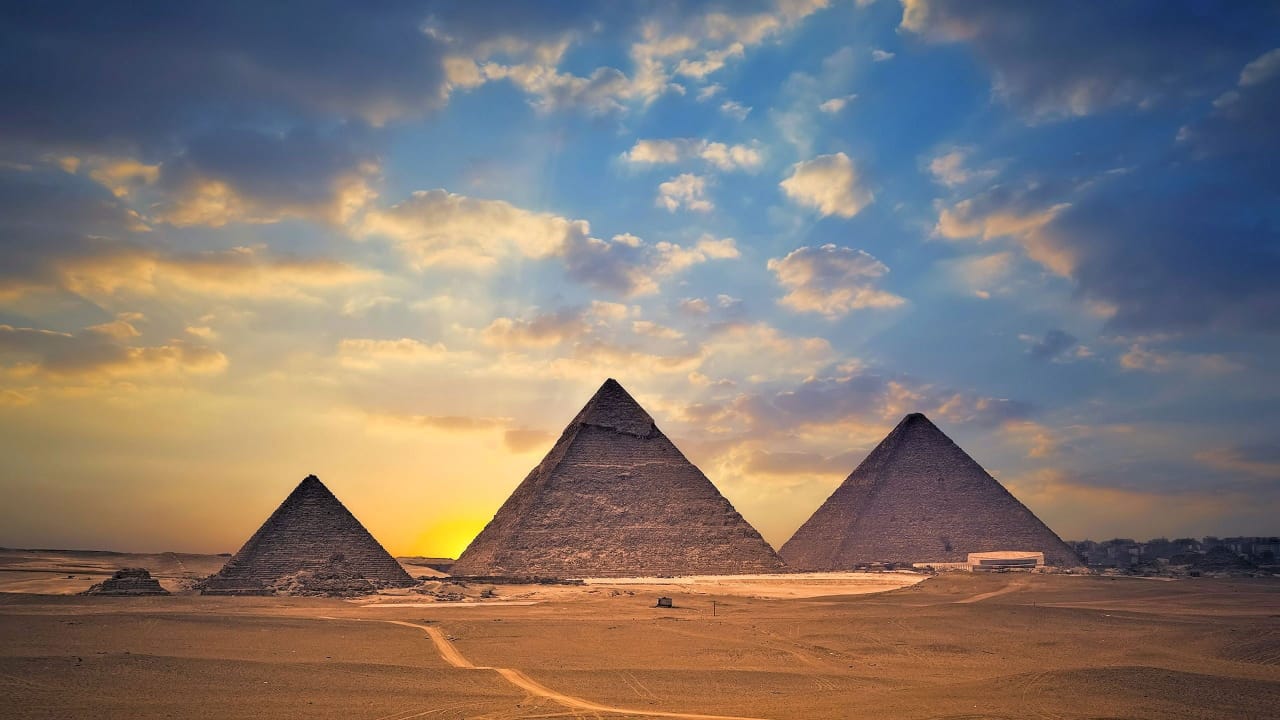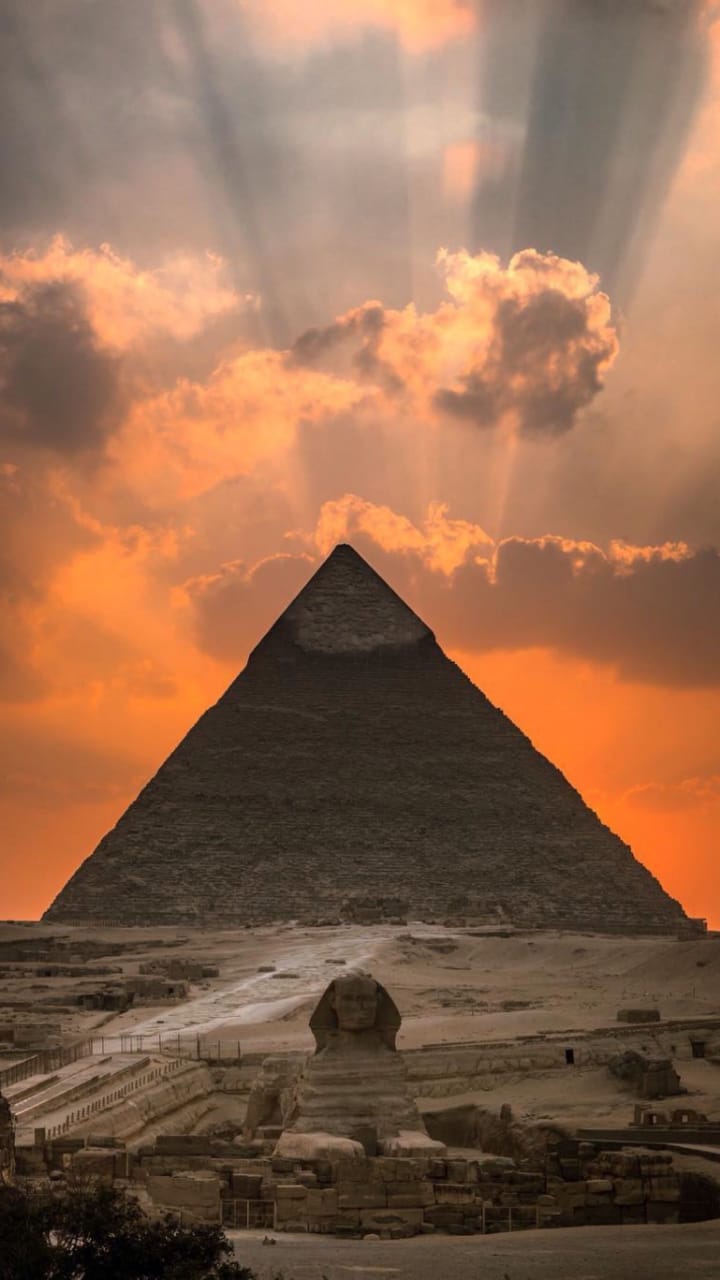
The Pyramids of Giza need no introduction. They've stood for over 4,500 years, and they remain one of the most awe-inspiring sights on Earth. But visiting them in person can be overwhelming without proper preparation. This comprehensive guide covers every detail so you can make the most of your visit to the Great Pyramid of Giza and the entire Giza Plateau.
When to Visit
The best time to visit the Pyramids is early morning, right when they open at 8 AM. The crowds are thinner, the light is magical for photos, and the heat hasn't peaked yet. If you're visiting between October and April, the weather is pleasant throughout the day. Summer visitors (May–September) should absolutely go early and bring plenty of water.
Sunset visits are also popular — the plateau stays open until 5 PM in winter and 6 PM in summer. The golden hour light on the limestone blocks is unforgettable.
Tickets and Entry
The basic entry ticket to the Giza Plateau costs around 200 EGP (about $6.50). However, entering the Great Pyramid itself costs an additional 400 EGP, and only 300 visitors per day are allowed inside — 150 in the morning and 150 in the afternoon. If you want to go inside, arrive early.
The second pyramid (Pyramid of Khafre) is usually open and costs 100 EGP to enter. The third pyramid (Pyramid of Menkaure) costs 100 EGP as well. Combined tickets that cover the plateau plus one or more pyramids are sometimes available at the main ticket office.
Getting There
The Giza Plateau is located about 15 km southwest of central Cairo. The easiest way to get there is by private transfer — we offer a dedicated Cairo or Giza Private Transfer that includes a full day of sightseeing with an air-conditioned vehicle and professional driver. Alternatively, you can take a taxi or ride-share, but negotiating fares in advance is essential.
What to Wear
Comfortable walking shoes are essential — you'll be walking on sand, gravel, and uneven stone surfaces. A hat and sunscreen are non-negotiable. Dress modestly but practically; lightweight, breathable clothing works best. If you plan to enter the pyramids, note that the interior passages are steep, narrow, and hot — wear clothes you don't mind getting dusty.
The Sphinx and Panoramic Views
Don't miss the Sphinx — it's a short walk from the Great Pyramid. For the classic "Pyramids panorama" photo, head to the designated viewpoint on the plateau's southern edge. Your guide or driver will know the spot. The panoramic viewpoint offers a stunning vantage point where all three pyramids align perfectly.
The Solar Boat Museum
Located near the southern base of the Great Pyramid, this museum houses a reconstructed ancient Egyptian vessel that was buried alongside the pyramid. The 4,600-year-old cedar wood boat is 43 meters long and is one of the oldest, largest, and best-preserved vessels from antiquity. Entry is 100 EGP.
Common Scams to Avoid
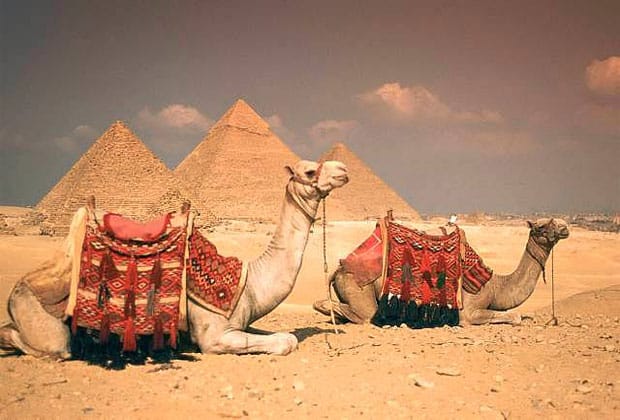
Be wary of unofficial "guides" who approach you inside the complex. They'll offer to take your photo or show you a "secret entrance" — and then demand payment. Camel and horse ride operators on the plateau often quote low prices initially and then demand much more at the end. Agree on a price beforehand and stick to it. Stick with your official guide and politely decline unsolicited offers.
Combining with Other Cairo Sites
Most visitors combine the Pyramids with a visit to the Egyptian Museum in Tahrir Square and the historic Khan el-Khalili bazaar. Our 5 Days Cairo, Luxor & Abu Simbel Tour includes a comprehensive Cairo day that covers the Pyramids, the Sphinx, and the Egyptian Museum. For an evening experience, consider our Cairo Night City Tour to see the city come alive after dark.
Our Recommendation
Book a private tour with an Egyptologist guide who can bring the history to life. The Pyramids are infinitely more interesting when you understand the engineering, the astronomy, and the stories behind them. A knowledgeable guide will explain how 2.3 million limestone blocks were quarried, transported, and assembled with remarkable precision — all without modern technology.