Serapeum of Saqqara

An eerie underground labyrinth of tunnels housing the massive granite sarcophagi of the sacred Apis bulls.

8 AM4 PM150 EGP29.8710, 31.2130

The Serapeum of Saqqara is an underground necropolis near Memphis where the sacred Apis bulls were buried in enormous stone sarcophagi from the New Kingdom through the Ptolemaic period. Discovered by Auguste Mariette in 1850, the site consists of long rock-cut tunnels lined with side chambers, each containing a single massive sarcophagus carved from a single block of granite or basalt. The scale of the sarcophagi — each weighing up to 70 tonnes — and the eerie, dimly lit atmosphere make the Serapeum one of the most unforgettable underground sites in Egypt.

Why Visit

Walk through eerie underground corridors lined with 70-tonne granite sarcophagi
One of Egypt's most atmospheric and mysterious underground sites
A testament to the extraordinary importance of the sacred Apis bull cult

What to See

The Greater Vaults
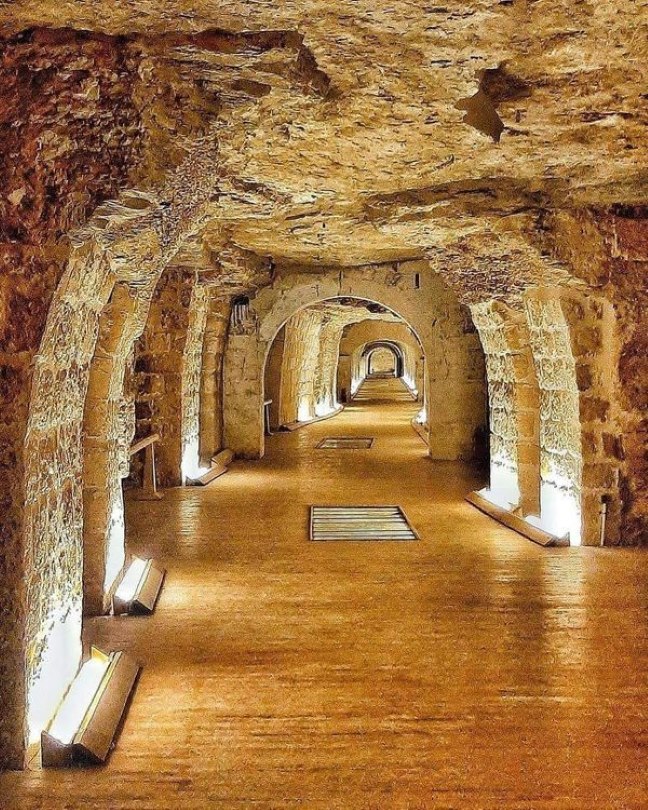
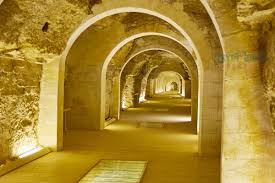
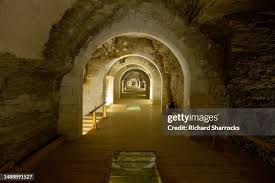
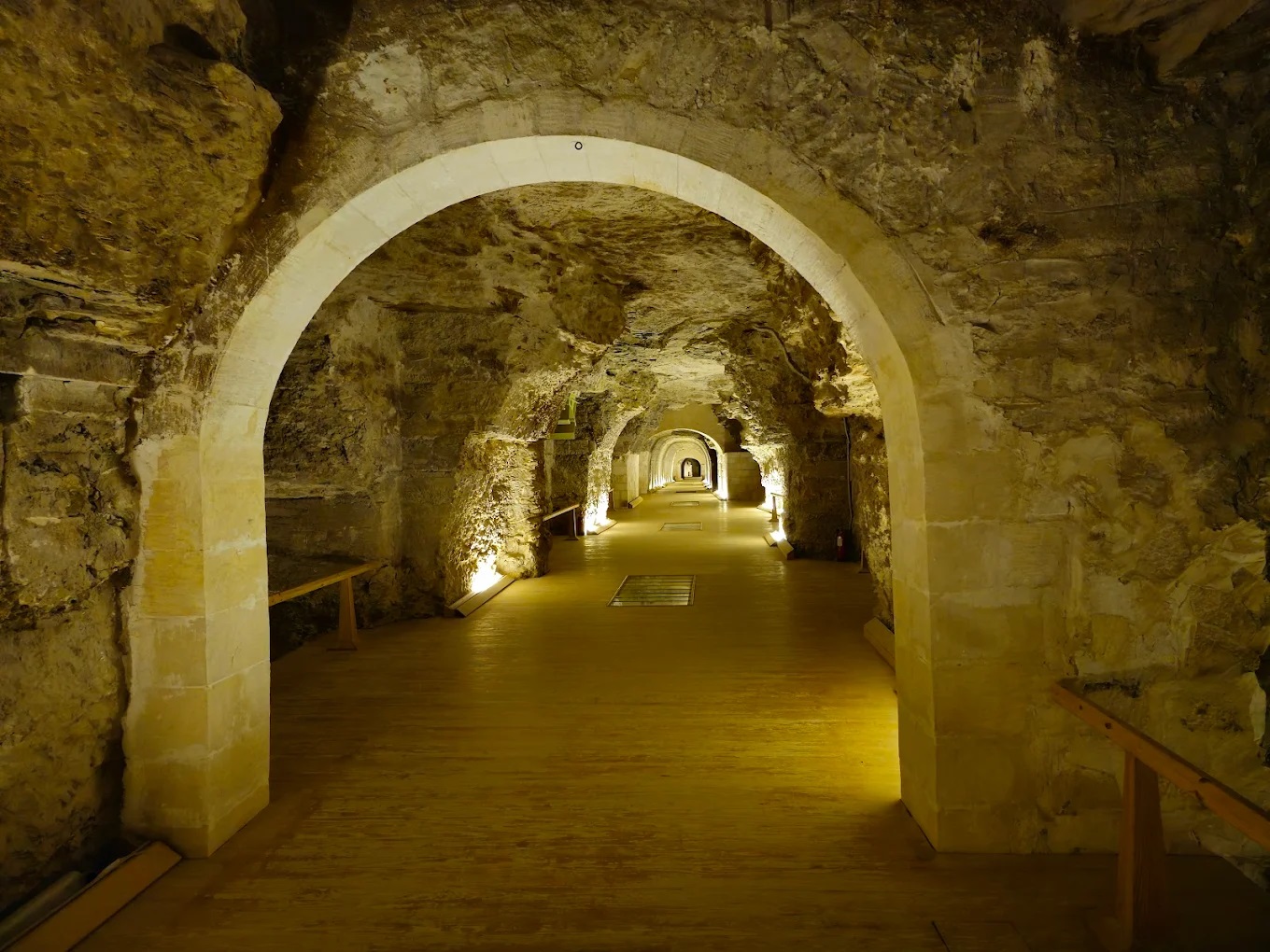
The main gallery is a long, straight tunnel stretching over 300 meters underground, its rough-hewn rock walls closing in as you walk deeper beneath the desert. Side chambers branch off at regular intervals, each containing a single massive sarcophagus that dwarfs the human visitors standing beside it. The Ptolemaic-era vaults feature the largest sarcophagi, carved from single blocks of black granite quarried at Aswan — over 800 km to the south — and polished to a mirror-like finish that still catches the dim electric light. The air underground is cool and still, carrying a faint mineral dampness that contrasts sharply with the scorching desert above, and the silence is broken only by footsteps echoing off stone walls that have stood unchanged for over two millennia.
The Sarcophagi
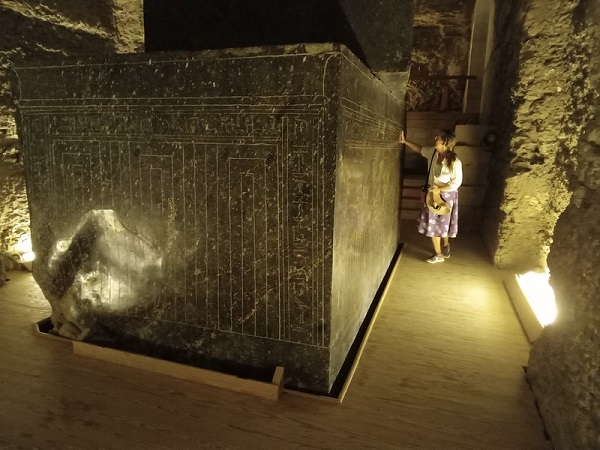
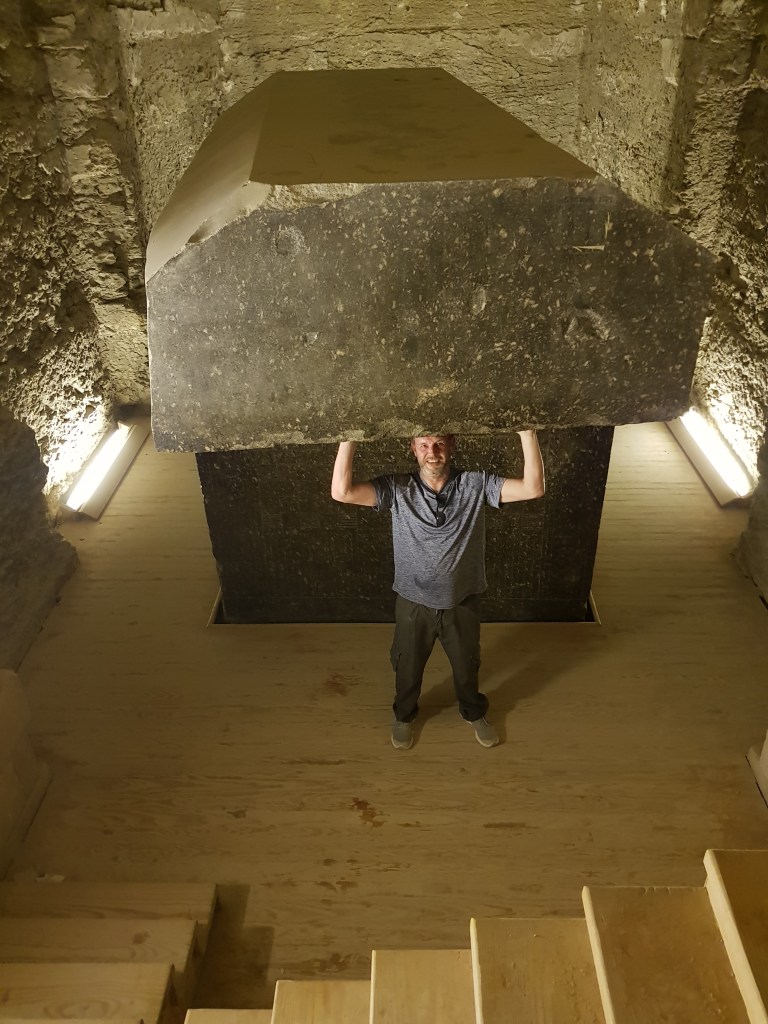
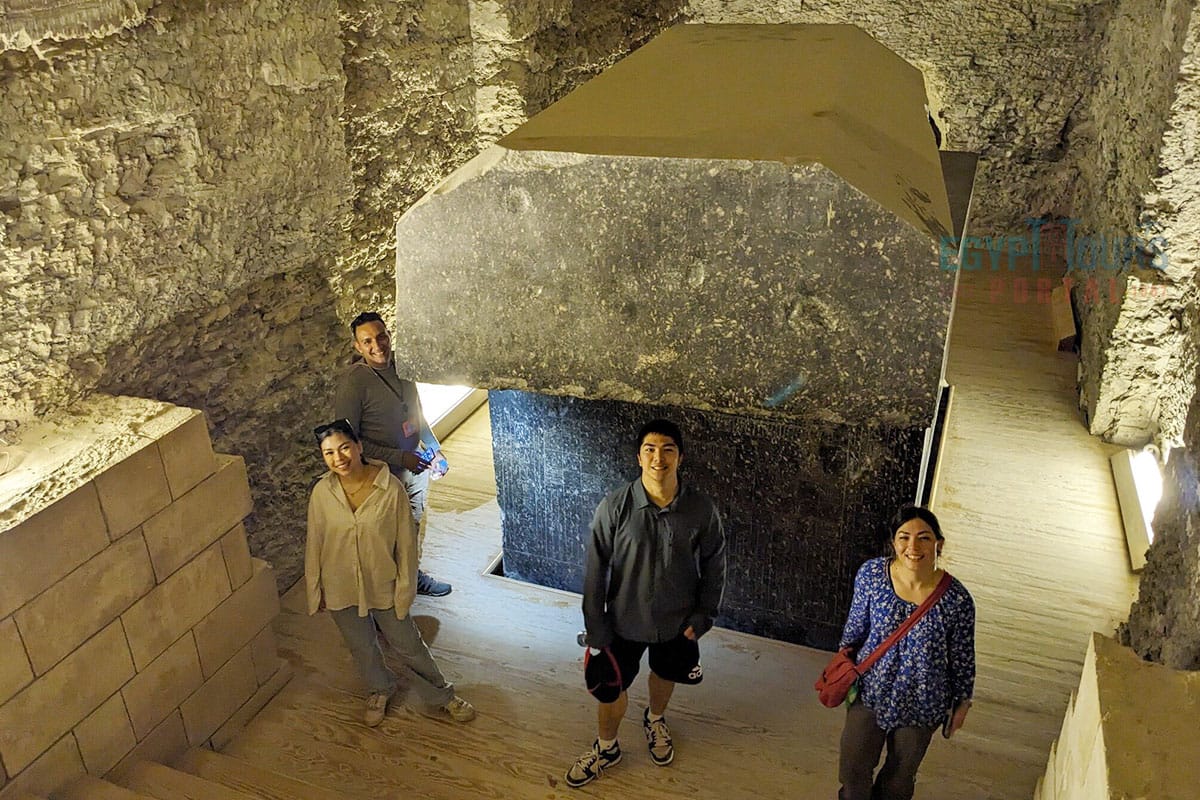
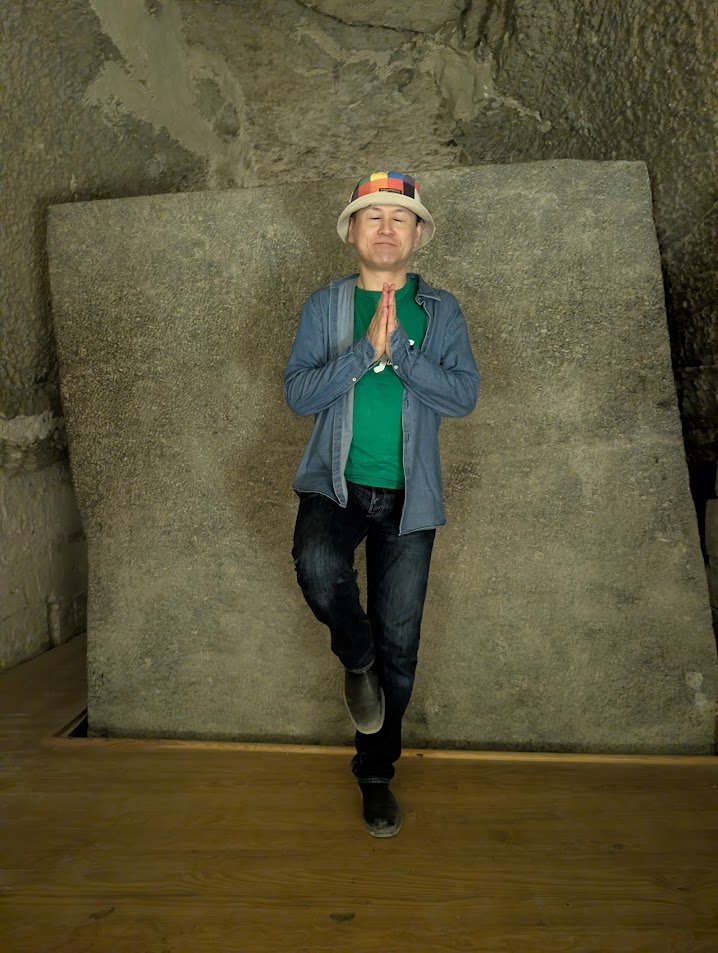
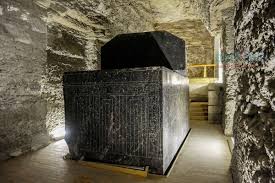
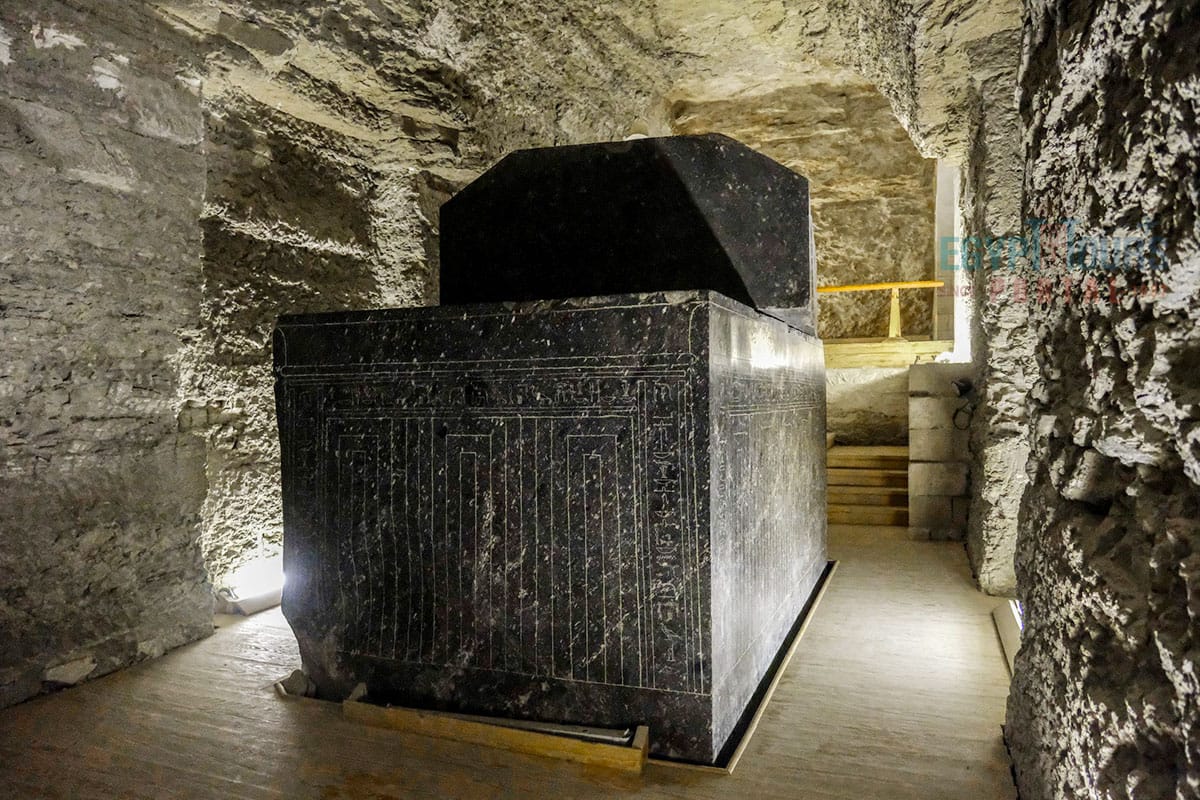
24 enormous stone sarcophagi line the underground galleries, each carved from a single block of granite or basalt and weighing between 60 and 70 tonnes — heavier than a modern battle tank. The precision of the carving defies easy explanation: interior surfaces are polished to within thousandths of an inch of being perfectly flat, and the lids fit so precisely that a sheet of paper cannot be slipped between lid and box. How the ancient Egyptians transported these colossal stone containers down narrow underground tunnels and maneuvered them into their cramped side chambers remains one of Saqqara's enduring engineering mysteries. Most of the sarcophagi were found empty, their contents looted in antiquity, though one unfinished sarcophagus with its lid still unsealed was discovered by Mariette — tantalizingly, it too was empty.
Votives & Stelae
Hundreds of votive stelae were found lining the tunnel walls, each one recording the birth, installation, death, and burial date of a specific Apis bull — creating a remarkably precise chronological record spanning over a thousand years. These inscriptions have been invaluable for Egyptologists piecing together the exact sequence and dates of pharaonic reigns, effectively making the Serapeum a giant stone calendar. Many of the finest stelae were shipped to Paris by Mariette and are now displayed in the Louvre, though some remain in the Egyptian Museum in Cairo. Visitors today can still see niches in the tunnel walls where these stelae once stood, giving a sense of how the corridors once functioned as a sacred archive of divine bovine history.
Avenue of Sphinxes
The original entrance to the Serapeum was via a grand avenue of human-headed sphinxes, carved from limestone and partially buried in drifting sand — it was one of these half-visible sphinxes that led Mariette to the discovery of the entire complex. This processional way once connected the underground burial galleries to the temple complex where the living Apis bull was housed and worshipped at Memphis below. Some of the sphinxes are still visible along the approach path, worn smooth by wind and sand but still recognizable, their serene faces gazing out across the desert plateau. Walking this avenue gives visitors a tangible sense of the funeral processions that once carried mummified bulls along this same route, accompanied by priests, mourners, and the full pageantry of pharaonic ritual.

Historical Details

The Apis Bull Cult
The Apis bull was the most important sacred animal in ancient Egypt — considered the living incarnation of the god Ptah, creator deity and patron of Memphis, and later associated with Osiris in the afterlife. Only one Apis bull existed at any given time, identified at birth by a precise set of sacred markings: a white diamond on its forehead, an eagle-shaped mark on its back, a scarab-shaped mark under its tongue, and split tail hairs. The chosen bull lived in luxurious quarters at the Temple of Ptah in Memphis, attended by priests and consulted as an oracle — its movements and behavior were interpreted as divine prophecy. When the bull died, the entire nation entered a period of mourning comparable to the death of a pharaoh; the bull was mummified using the finest techniques, placed in one of the massive sarcophagi in the Serapeum, and a nationwide search began immediately for its successor bearing the correct sacred marks.
Mariette's Discovery
French archaeologist Auguste Mariette discovered the Serapeum in 1850 through a combination of classical scholarship and sharp-eyed fieldwork — he spotted a half-buried sphinx head protruding from the sand at Saqqara and recalled the ancient Greek geographer Strabo's description of a sphinx-lined avenue leading to the bull burial galleries. Following the line of sphinxes deeper into the desert, Mariette eventually uncovered the entrance to the underground tunnels, a moment he described as one of the most thrilling of his career. Most of the sarcophagi had been plundered in antiquity, but the sheer scale of the tunnels and their colossal stone coffins astounded the archaeological world. Mariette's discovery launched his career and eventually led to his appointment as the first director of Egypt's Antiquities Service, where he founded the predecessor to today's Egyptian Museum in Cairo.

Visitor Tips

  • The Serapeum is within the Saqqara ticket area but requires a separate ticket
  • Bring a flashlight — the underground tunnels are dimly lit
  • The temperature underground is significantly cooler than the desert surface
  • Don't miss this — many visitors skip the Serapeum but it is one of the most impressive sites in all of Egypt
  • Combine with the Step Pyramid and Tomb of Mereruka for a full Saqqara day

Related Monuments
Opening Hours

8 AM4 PM

Entry Fee

150 EGP

Period

New Kingdom through Ptolemaic Period, c. 1400–30 BC

Location

29.8710, 31.2130

Related Tours